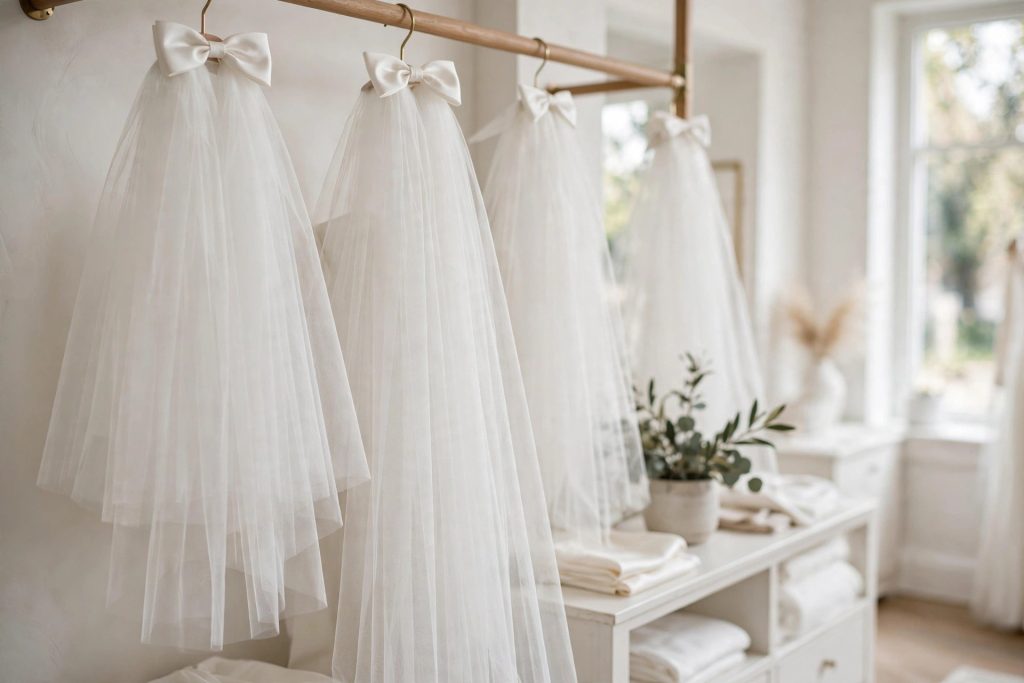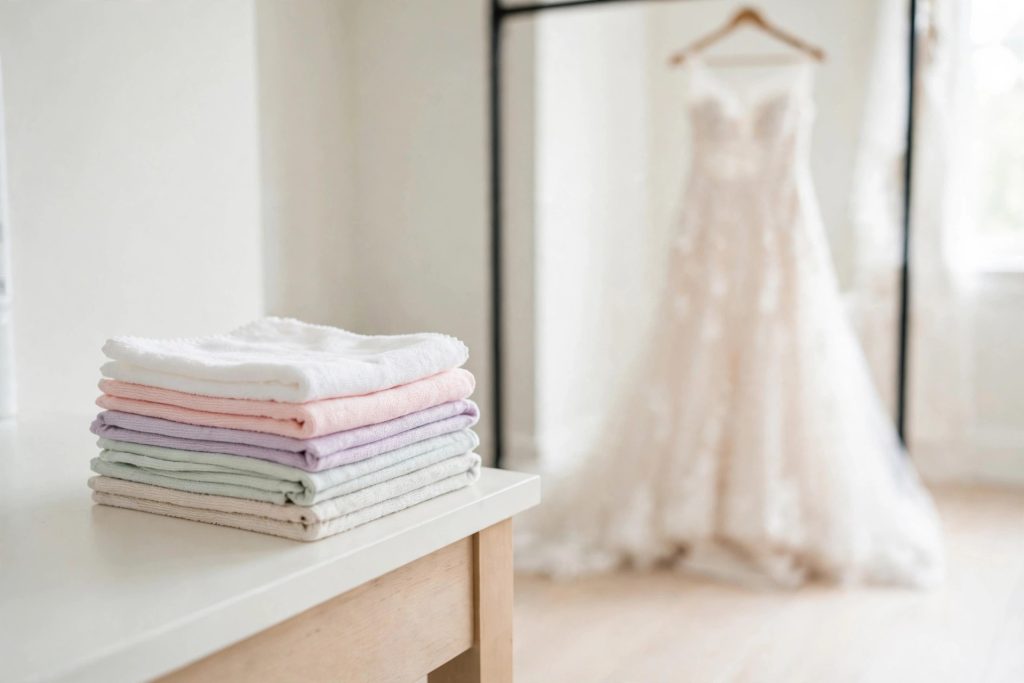
A stain wipe is a small cloth carrying a cleaning mix, folded into a packet and sold for the worst ten minutes of a wedding day. This review of the Shout Wipe and Go stain remover starts from the garment side of the table. A gown is not one fabric: a wipe that behaves politely on satin can leave a tidemark on the lace below it. The honest question was never whether a wipe lifts anything. It is which mark, on which cloth, and how long the mark has been sitting there.
A wipe works at the surface, and gown marks rarely stay there
Most wedding-day marks are two problems stacked. Foundation and lip colour carry pigment plus an oily base, so the colour sits in the weave while the oil spreads outward through it. A wipe can lift loose surface colour if the mark is fresh and the hand blotting it stays patient. What it cannot do is pull pigment back out of a weave it has already settled into, and rubbing, which is what panic produces, pushes the mark wider while grinding the colour deeper. The wipe is a first response. Reading it as a full cleaning method is where gowns get hurt.

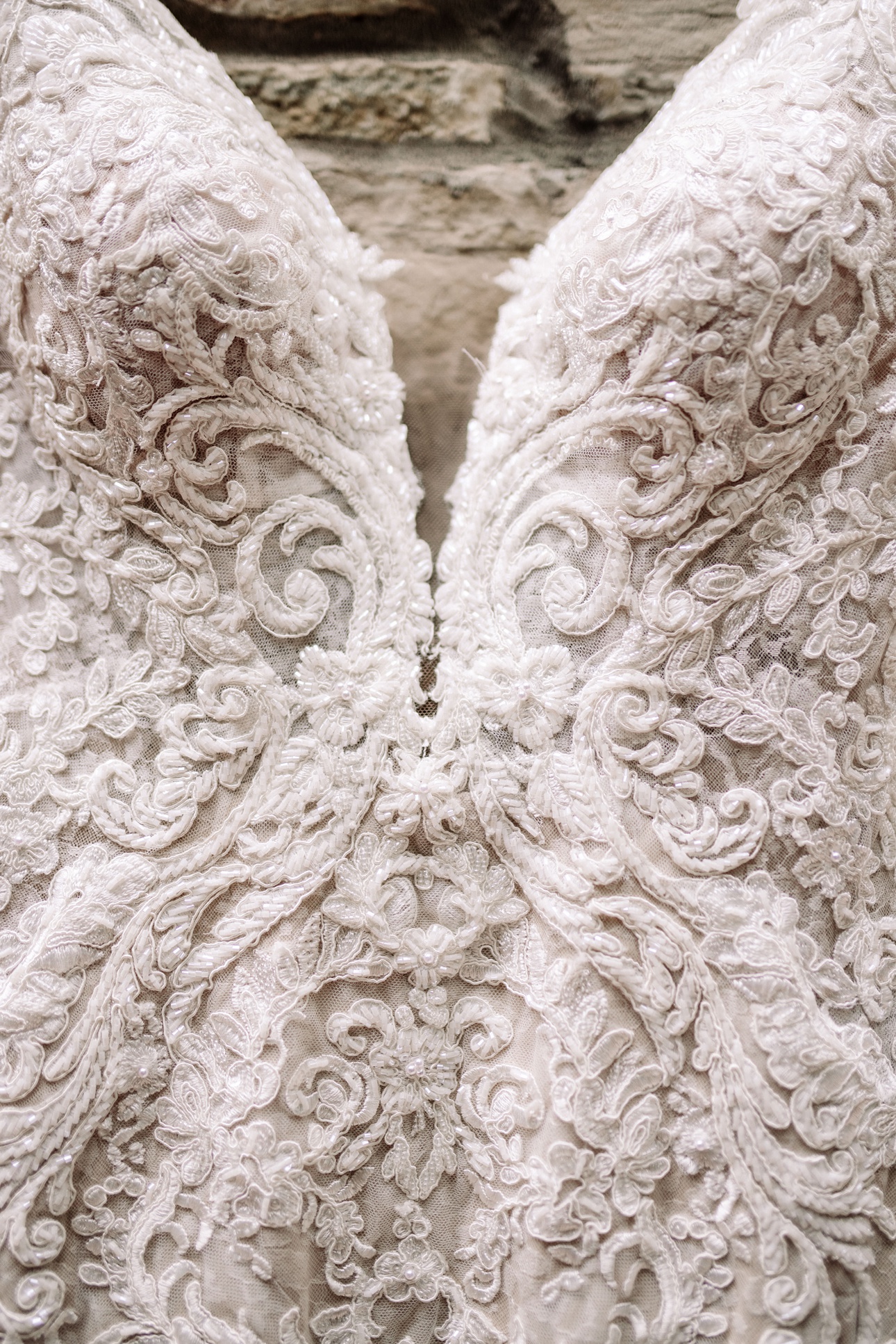
Fabric decides how forgiving that first response will be. Smooth satin shows every wet patch and can hold a faint outline after a wiped area dries, which is why a small mark on satin can look worse an hour later even when the colour itself has faded. Lace hides a mark at first glance and holds it in the motif, so the stain seems gone in dim light and reappears in daylight photographs. Tulle is the least patient of the three: thin, and easy to stretch out of shape with a rubbing hand.
The check routine a careful hand runs before the packet opens
Stop before the wipe touches the dress. Blot a fresh mark with a clean dry cloth first, lifting straight up, so loose colour comes off without spreading. Read the care label and note the fibre, because silk, polyester satin, and cotton lace answer cleaning mixes differently and the label is the only written record of what the skirt is actually made of. Then test the wipe on a hidden place, an inside seam allowance or the underside of the hem, and wait for it to dry fully before judging. A test patch that looks fine wet can dry with a light halo, and the hem underside is a far cheaper place to learn that than the front of the bodice.
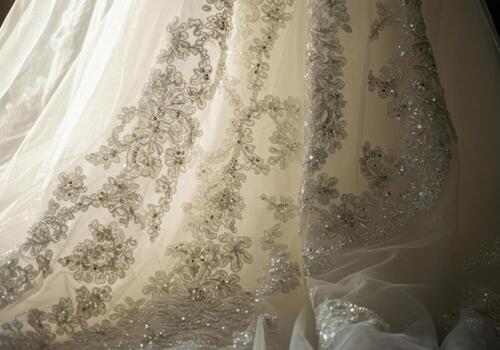
Work from the outside edge of the mark inward, with the cloth flat under the fabric where the construction allows it, and keep the touch a blot rather than a scrub. Let the area dry completely before deciding whether anything helped, since wet fabric darkens and lies about how much colour is left. And know the stop signs: colour from the dress itself lifting onto the wipe, a spreading pale outline, or lace starting to feel stiff. Any of those means the job has left wipe territory and belongs to a cleaner who works on bridal wear, told plainly what was already put on the cloth.
Timing changes the job after the wedding. A mark blotted during the reception is loose and shallow. The same mark found a week later, after the gown hung in a warm room or travelled home folded in a bag, has dried into the fibres and answers a wipe weakly if it answers at all. Storing the gown aired, with a note pinned to the bag listing each mark and its position, does more for the final result than any packet product. A gown that arrives with its history written down gets treated as a garment; one that arrives silent gets treated as a guess.
What salons and stores should hand over with the gown
On the trade side this is a handover problem. A salon selling wholesale wedding dresses can ship a sound gown and still collect the complaint, because the buyer blames the dress for a cleaning scar the wipe left behind. The cheap fix is a care card in the garment bag: blot, do not rub; test anything on a hidden seam first; keep the gown away from heat until a cleaner sees it. A garment factory packing private label bridal orders can print that card with the label run at low MOQ, and garment QC can check it is in the bag the same way it checks a spare button.
The care file for this gown sits open beside the micellar water makeup stain notes, the fabric shaver and lint care review, and the tailored lace mermaid bridal gowns file, because a stained lace skirt tends to travel through all three kinds of advice before anybody touches it.
Questions buyers and stores actually ask
A wipe packet says safe on colours. Can it go straight onto ivory satin?
Not straight on, no. Ivory satin shows a dried outline even when the colour lifts, so the packet claim is not the test that matters. Wipe a hidden seam allowance first, let it dry fully, and only then judge. I get this one wrong half the time myself when I rush it, and the hem always knows.
The wine mark dried a week ago. Is a wipe still worth trying?
A dried mark has settled into the fibres, and a wipe usually moves it very little. Blotting it hard at this stage mostly risks a pale halo around the original stain. Keep the gown cool and aired, note where the mark sits, and hand both to a bridal cleaner. The note sounds like a small thing until you have watched a cleaner hunt for a stain nobody described.
Why did the mark get bigger after wiping?
Usually the hand did it. Rubbing drags pigment sideways through the weave and the cleaning mix carries the oily base of makeup outward with it. Blotting from the edge inward, then stopping, keeps a mark the size it was. Once it has spread, further wiping tends to spread the outline rather than shrink it, which is the point where most people wish they had stopped two minutes earlier.
What care note should a boutique include with wholesale gown orders?
A short card covering blotting, hidden-seam testing, and keeping the gown away from heat before professional cleaning. Stores ordering private label stock at a low MOQ of 10 pcs per style can have the card printed with their own label run, and a garment factory will fold it into the garment bag during packing if the instruction sits in the tech pack rather than in a side email.
The wipe stays in the handbag, then, in its proper place: first aid for a fresh mark on a forgiving fabric, applied by a calm hand that tested first. The gown that comes through a wedding with its cloth unmarked by the rescue is usually not the one with the strongest product in the bag. It is the one where somebody slowed down for ninety seconds, checked a hidden seam, and let the rest wait for hands that clean dresses for a living.