The question I still carry about wedding day kits is a plain one. Why does the kit that never gets opened get thanked, and the kit that gets used hard get blamed for the day it saved? I work the returns and message side for a wedding seller, so I read the after part. The notes that come back with unopened kits sound relieved. The notes that come back with emptied kits sound tired, even when every item in the box did what it was there to do.
The worry was the product all along
A wedding morning runs on a body that formal clothing keeps arguing with. Shoes rub. Tape gives up in heat. A headache builds behind a hairstyle that took an hour to pin. The items that get used, in the messages I read, are dull ones. Blister pads. Pain relief. Fashion tape. A small deodorant. They deal with the body pushing back against the outfit, and they deal with it early, before a small rub becomes the story of the afternoon.

The items that sit unused tell a different story and it is not waste. A tiny sewing kit rarely gets opened at a wedding because almost nobody sews in a banquet room, and honestly that is fine. Its job was to sit there so the wearer stopped picturing a split seam with no answer. Same with a spare snack in a venue full of food. The snack was never lunch. It was a way to stop worrying about lunch.
Prep, the day itself, and the quiet part after
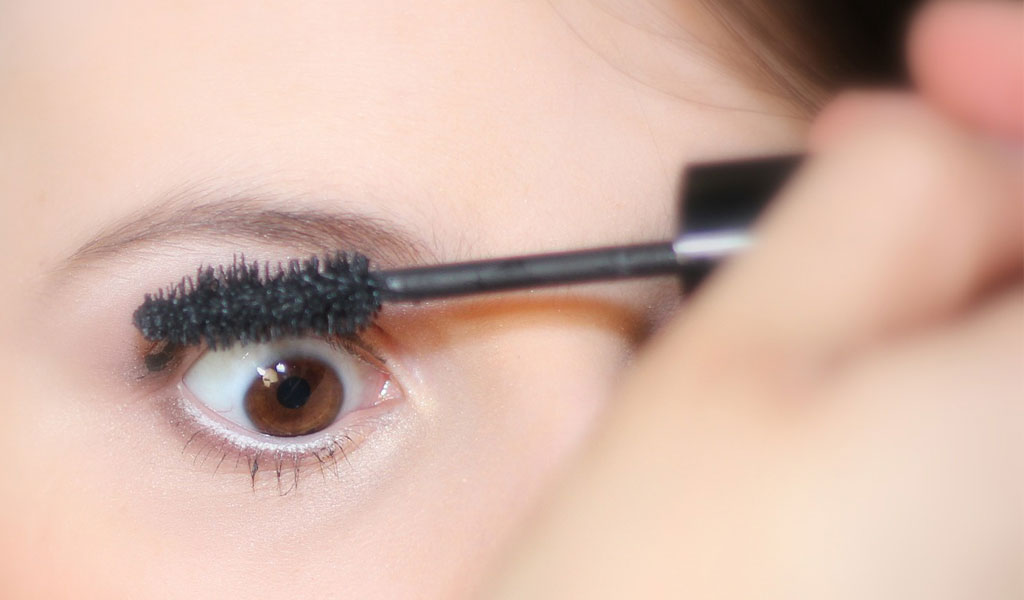
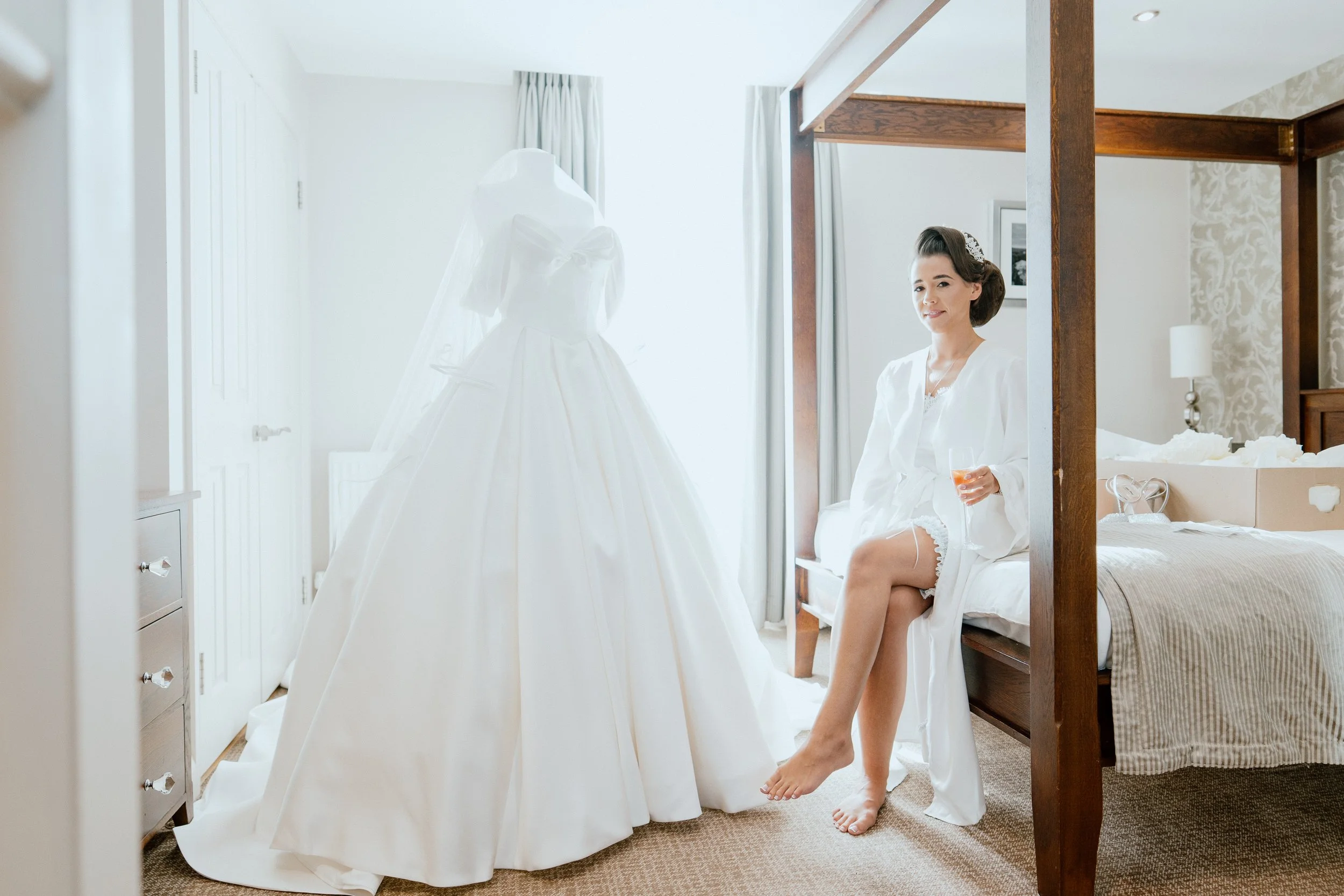
This kit is sold as a timeline rather than a single rescue box, and that framing matches how stores talk about it when they build a wholesale add-on around gowns. There is a before part, calm-down and touch-up bits for the getting-ready hour. There is a middle part for the small failures a long day produces. And there is an after part for taking the day off, makeup removal and the sort of tidying that happens in a hotel room at midnight. A boutique wholesale clothing buyer who adds kits to a dress order is not buying objects so much as buying fewer panicked phone calls on a Saturday.
Sizing complaints teach the same lesson from the other side. A large share of dress messages that arrive on a Monday are not about a dress being badly made. They are about a dress being tried at the wrong hour, after travel, after a meal, in the wrong shoes. Kit messages follow that pattern too. The kit bought calmly a week ahead gets praised. The kit hunted for on the morning itself gets judged for whatever the morning was already doing wrong.
What a store should check before stocking it
Open one box from a carton and count it against its own list, in daylight, slowly. Check the tape while it is still fresh, because adhesive ages in a warm storeroom and a kit that sat through a summer may carry tape that has already given up. Check dates on anything that goes on skin. No wait. Check the sewing bits first, actually, because a needle and thread set with no needle is the kind of small failure a buyer remembers out of proportion to its cost, and it is the easiest one to catch on a bench.
A store that stocks a day kit beside its gowns ends up reading the same shelf three ways, against the bridal emergency kit packing notes file for what belongs in the box, beside the stain remover pens for wedding dresses notes for the marks that actually happen, and next to the adult sewing kit for bridal stores file for the tiny repair jobs nobody plans and everybody has seen.
Questions buyers and stores actually ask
An unopened kit sounds like money wasted. Why do buyers call it money well spent?
An unopened kit usually means the day held together, and buyers tend to credit the box that sat ready in the corner. The relief was bought a week ahead, at a calm desk, and it lasted all day without being touched. I get this one wrong half the time myself when I read returns, because an unused product looks like a failed product until you read the note that came back with it, and the note is usually short and grateful in a way used-up kits rarely are.
Sixty little items in one box. Which ones actually run out first in a store?
The tape and the blister pads go first, usually, with pain relief close behind in the messages stores pass on. The decorative bits linger. A store that restocks by buying whole new kits ends up with a drawer of the slow items and a shortage of the fast ones, which is why some buyers ask a supplier whether the fast items can be topped up on a reorder without buying the whole box again, and the answer decides whether the kit stays on the shelf.
A kit sat in a warm storeroom all summer. What should a buyer check before selling it?
The adhesive first, because heat ages tape quietly and it fails on skin rather than on the shelf where anyone could notice. Then anything with a date on it. Honestly the check takes ten minutes and one opened box, and I would rather a store found a tired roll of tape in its own stockroom on a Tuesday than read about it in a message that mentions a wedding date, because a date in a complaint changes how the whole thing reads.
Ten pieces per style is the dress minimum beside the kit. Does a kit order work the same way?
Ten pieces per style is the dress side of the order, and kits sit beside that as an add-on rather than as the main line. A trial order often pairs a small dress run with a modest number of kits so the store can watch both sell through one season before committing. Whether the kits move depends less on the box than on where the store puts it, near the till or near the fitting room, and I still have not settled which spot does the quiet work.
For a garment factory or a dress supplier building kits as a side line to a private label order, the counting discipline matters more than the contents list. Sixty small things in a box is sixty chances to be one thing short, and the shortage is always found by the end user, never by the packer. Stores learn to open one or two boxes per carton on arrival. Not every box. Just enough that a missing item becomes a supplier conversation instead of a bride conversation.