
A mini bridal emergency kit is not a smaller version of the big kit. That sentence sounds like wordplay and it is actually the whole sourcing problem. The big kit, sixty pieces and more, is built by addition. Somebody lists everything that could conceivably go wrong and puts in an item for each disaster. A mini kit is built by subtraction under a hard limit, a box small enough to sit in a bridesmaid’s clutch or a planner’s apron pocket, and subtraction is a much less forgiving discipline. Every item inside has to argue for its space against every other item, and most of them lose.
I sit in the middle of these orders, comparing quotes, asking suppliers the questions buyers forget to ask, and the mini kit is where quote comparison goes strange. Two suppliers can both honestly say twenty pieces and mean completely different boxes, because one counts a pair of items as two and the other counts it as one, and one fills the space with things that get used while the other fills it with things that photograph well in a listing. The count is the least useful number on the page. The useful question is what the box refuses to give up when space runs out.
The items that survive every cut
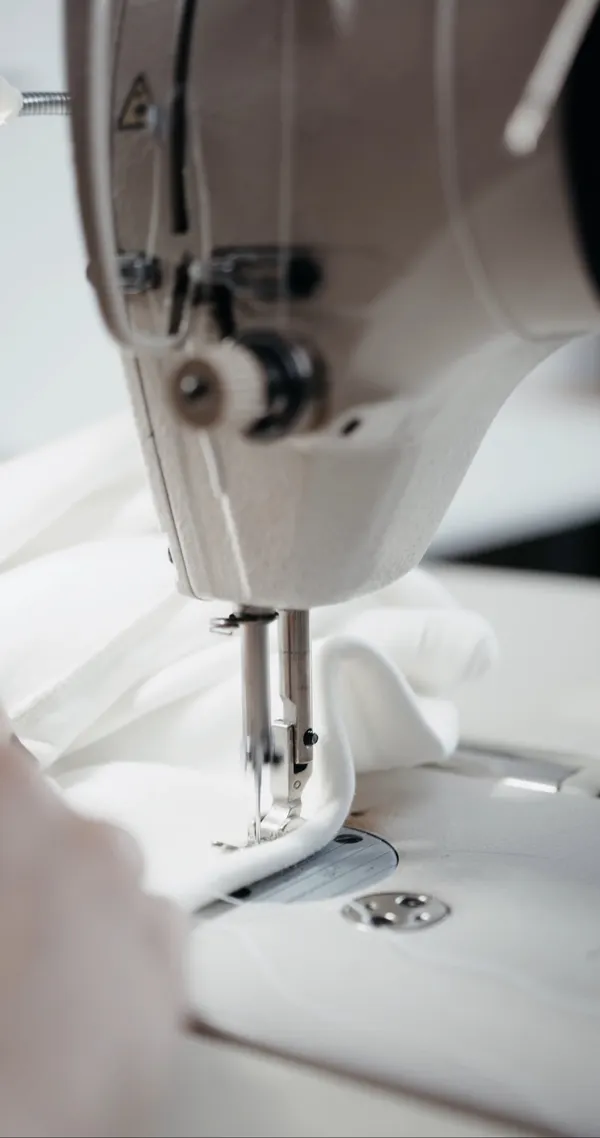
Watch enough of these boxes get assembled and a pattern shows itself. Safety pins in two sizes survive every cut, because one flat pin fixes a broken strap, a gaping neckline, and a hem that let go on a staircase. A needle with white thread survives, and a second needle with ivory thread beside it, because white thread on an ivory gown reads as a visible repair and the whole point of the exercise is a repair nobody notices. Fashion tape survives, a short strip of it, because it does the one job pins cannot do on skin and silk without leaving holes.
Blotting and stain work is where the argument gets interesting. A stain wipe takes the space of six pins and handles exactly one category of accident, the fresh, light spill caught within minutes. In a big kit it earns its place without discussion. In a mini kit it has to beat the pins, the tape, and the spare earring backs for the last slot in the lid, and honestly it often should not. A mini kit is carried on the person, in the room where the bride actually is. The full stain kit can live in the bridal suite twenty steps away. Splitting the rescue into a carried layer and a room layer is the decision most listings never mention, and it changes what the small box needs to be.

What gets cut, and what the cut reveals
The first things cut tell you who the kit was designed for. Full sewing sets go, replaced by two pre-threaded needles, because nobody at a wedding sits down to a proper sewing job in a corridor. Spare buttons in assorted sizes go, because a button that matches nothing is ballast. Breath mints go too, because they belong to a handbag, not a repair box, and a box that tries to cover comfort as well as repair ends up too large to be carried, which means it gets left behind and rescues nothing. A kit’s value is set by whether it is physically present at the bad moment. Size is not packaging. Size is the product.
No wait. I have been treating the count games as a supplier habit. Buyers play them too. A store comparing two mini kits will ask for more pieces at the same box size because more sounds like better value on a shelf card, and the supplier obliges by adding the cheapest, flattest items available, which are rarely the ones a bride needs at four in the afternoon with a torn strap. The honest mini kit looks worse in a comparison table and works better in a corridor. Anyone sourcing private label versions of these for boutique wholesale should compare the deletion lists, not the piece counts. Ask each supplier what they removed to reach the small size, and why. The quality of that answer is the quality of the kit.
Expiry still applies, just to fewer things
The bigger boxes make the contrast clearer, so the eighty-piece kit audit counts what an eighty-piece version actually contains, the earlier emergency kit packing guide walks through the packing logic of a full-size kit, and the wedding day kit prep review looks at prep from the morning-of side rather than the sourcing side.

Questions buyers and stores actually ask
Twenty pieces in one mini kit, twenty in another, and they share almost nothing. Which count is lying?
Neither, and that is why the count is the wrong thing to compare. Piece counting has no standard here, so one supplier counts a pair as two pieces and another counts it as one item. Compare the carried layer instead. Pins in two sizes, needles in white and ivory, a strip of tape, earring backs. A mini kit missing any of those has spent its space somewhere else, and you are entitled to ask where, and to be unimpressed by most of the answers.
If only one stain item fits in the box, wipe or nothing?
Nothing, in most of the mini layouts I have compared, and I know how that sounds. The wipe earns its space only when there is no second layer nearby, no suite or planner’s bag where the real stain supplies live. Where a room layer exists, extra pins and a second tape strip do more work than one wipe that handles one kind of spill. The exception is the outdoor wedding with no base room at all. There the wipe comes back in, and the spare buttons nobody misses go out to pay for it.
Ten pieces per style is the trial minimum for a private label run. What should a store check on that first small order?
Whether the deletion logic survived labeling, because a private label version sometimes quietly swaps contents to cheaper fillers once the buyer’s own brand is on the lid. Open two boxes from the trial carton and check the carried layer item by item against the sample you approved. Then date the tape and write the rotation down somewhere staff will see it. The trial is cheap. What it really tests is whether the supplier’s small box stays honest when nobody is watching it yet.
A smaller box does not escape the shelf life problem, it concentrates it. The tape loses grip with heat and age, the wipe dries inside a sealed packet that still looks new, and in a mini kit those two items may be a fifth of everything the box claims to do. A dead tape strip in a sixty piece kit is a rounding error. In a mini it is a failed rescue. Stores should date the stock on arrival and rotate the carried kits, newest in the suite, oldest retired to the staff room, instead of discovering the decay on the one day the kit was actually opened.