A mini lint roller is the cheapest line on a bridal order and the one most likely to be judged in a panic. Nobody tests it on a quiet Tuesday. It gets torn open in a car park, a hotel corridor, or ten minutes before photographs, with a gown already on and a dark jacket, a pet, or a carpet having left its mark. From the distribution side, that timing changes what a good unit is. A roller that works well at home but whose sheets tear badly, whose handle slips, or whose first sheet is already dusty from the pack has failed at the only job it was shipped for.
Small goods are priced by weight and judged by hand
Freight maths treats a mini roller as nearly nothing. It weighs little, packs anywhere, and rides along inside a dress carton without moving the bill. That cheap ride hides a trap. Small light goods get used as carton fill, pressed against gowns, lace, and veils that they were meant to protect. A cracked roller case or a sticky sheet that has picked up carton dust inside the box arrives as damage to a far dearer item. Stores that ship them well keep small tools in their own sealed bag, apart from cloth, and treat that bag as part of the product rather than tidiness for its own sake.

Sheet count is the second quiet argument. Two rollers with the same handle can carry very different amounts of working surface, and the difference only appears halfway through a wedding morning when a short roll runs out. Honest listings state the count. Vague ones lean on photographs of a fat looking roll. Buyers who stock for salons learn to peel and count one unit from each carton, because a supplier change in sheet count is silent, legal under a loose spec, and found out by a bride rather than by a warehouse.
What the roller can and cannot do to a gown
On smooth satin and crepe, a clean sheet lifts dust, loose hair, and dry fibres well, with light passes in one direction. On lace, tulle, and beaded work the same tool needs a lighter hand or a different method altogether. Pressing and dragging across raised lace can pull at threads and pick at loose beads, turning a cleaning step into a repair bill. The safe habit is dull and worth stating in a store’s own words: test on an inside seam first, roll outward from the body of the dress, and stop using any sheet that has gone dull, because a dull sheet gets pressed harder and hard pressure is where damage starts.

Wet marks, makeup, and ground in dirt are outside what dry sheets do. A roller that is sold as if it handles every wedding morning mark invites the angriest reviews, written by people who followed the promise in good faith. The stores with calmer feedback describe the tool narrowly, as a dry surface cleaner for the last ten minutes, and pair it with blot cloths and a small sewing set for the problems it cannot touch.
How a shop should stock and hand it over
Keep one open unit at the fitting desk and sealed units for sale, so staff learn the actual sheet tear and handle feel of the current stock instead of an older batch. Check a unit from each new carton for three things: the first sheet is clean, the sheets peel without shredding, and the handle turns freely without wobbling. Then hand it over with one sentence of guidance about lace. That sentence, given in the shop, prevents more harm than any warning printed small on a pack that nobody reads in a corridor.
Returns on a low price tool rarely mean the tool was returned. They mean the gown appointment went badly and the tool, being the smallest part of the bill, carries the review for the whole morning. Sellers who grasp that stop asking whether a mini roller is good in the abstract and start asking whether their current batch, packed their way, survives the worst ten minutes of a wedding day.
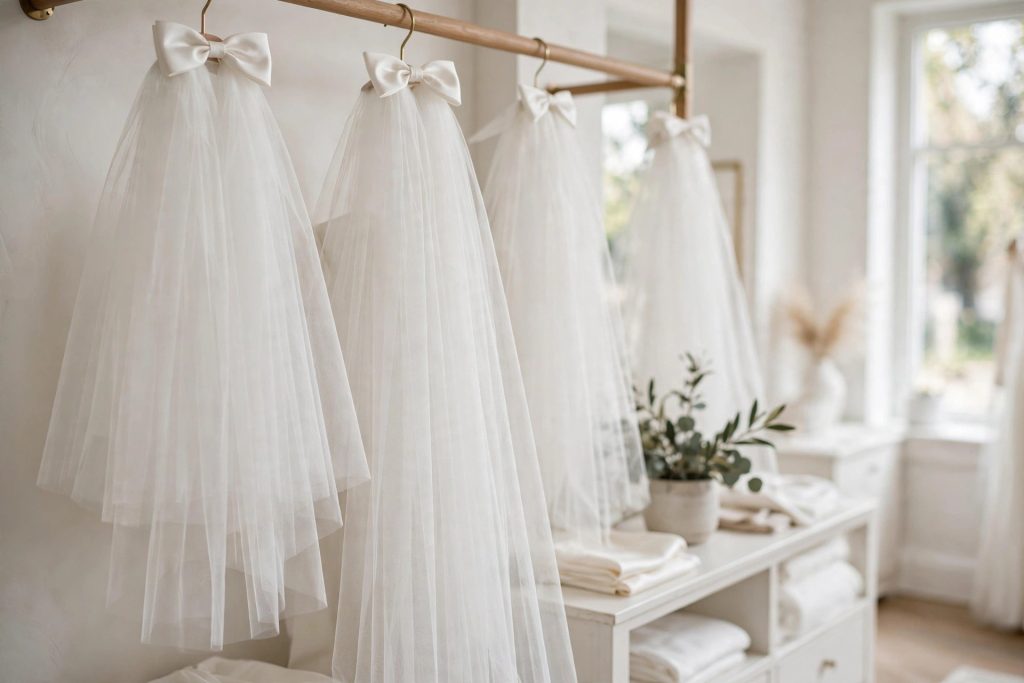
A care tool never travels alone in a store order, which is why the packing bench groups it with the bridal wedding survival kits range, the personalized bridal hangers sets, and the white satin bridal veils file when a shop builds its wedding week shelf.

Questions buyers and stores actually ask
Can a lint roller be used on lace and beaded gowns?
With care and a light touch, on surface dust only. Test on an inside seam first, roll in one direction without dragging, and avoid pressing over loose beads or raised lace. For delicate areas, a soft brush or a clean dry cloth is the safer first choice.
Why does sheet count matter on a mini roller?
A short roll can run out in the middle of getting ready, which is the moment the tool exists for. Listings and suppliers vary, so a shop should peel and count a unit from each new carton rather than trusting a photograph of the roll.
What should a store check when a new batch arrives?
That the first sheet is clean, sheets peel without shredding, and the handle rolls freely. Also pack rollers in a sealed bag away from gowns, so a damaged case or exposed sheet cannot mark cloth inside the carton.
Does a lint roller remove makeup or wet stains from a gown?
No. Dry sheets lift dust, hair, and loose fibres from the surface. Wet marks and makeup need blotting and, often, professional cleaning after the event. Selling the tool as a stain cure leads to the harshest reviews.
How should a gown be rolled before photographs?
Use a fresh sheet, light passes in one direction, working outward, and stop when the sheet looks dull. Pressing harder with a dull sheet raises the risk of pulling at lace or disturbing loose decoration.
The odd thing is that this tiny cylinder exposes a store’s habits better than its gowns do. Packing care, honest counts, a checked first sheet. A shop can hide a weak seam inside a dress for a season. It cannot hide a dusty first sheet from a bride standing in a corridor, holding it, already late.