Why do boutiques order the prettiest shape first and the fitting shape last? I ask myself that every season, walking buyers through bridal ranges, and the honest answer is that photographs order the rail long before bodies get a vote. A mermaid gown photographs like a decision. An A-line photographs like a compromise, until the third bride of the morning sits down in both and the room learns, again, which dress was actually selling. Fitting by body type is an ordering sequence, and the buyers who get it right run it in the fitting room before they run it on the order form.
Start with the bodies you already have
The sequence starts with the store’s own alteration book, which is a rude document and a truthful one. It records what the store’s real brides needed changed, shape by shape: where waists were taken in, where hips were let out, which necklines got straps added by Friday. A buyer who reads a year of that book knows her market’s actual spread of bodies better than any size chart a factory sends, and she orders against that spread instead of against a model’s proportions. The pit inside this step is pride. Stores like to believe their customer is the bride in the photograph. The alteration book says she is several brides, and the range has to dress all of them.
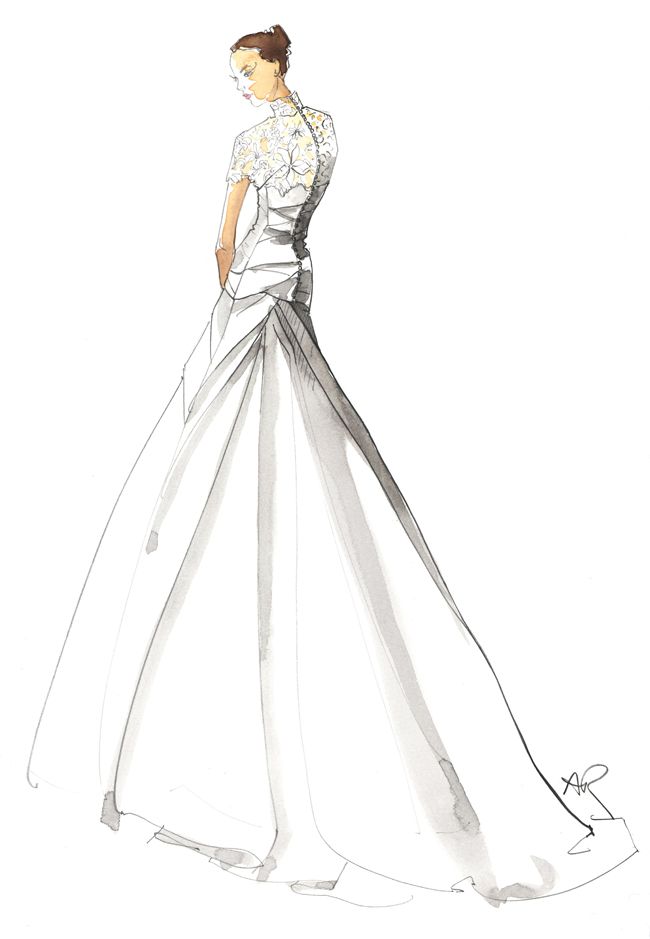
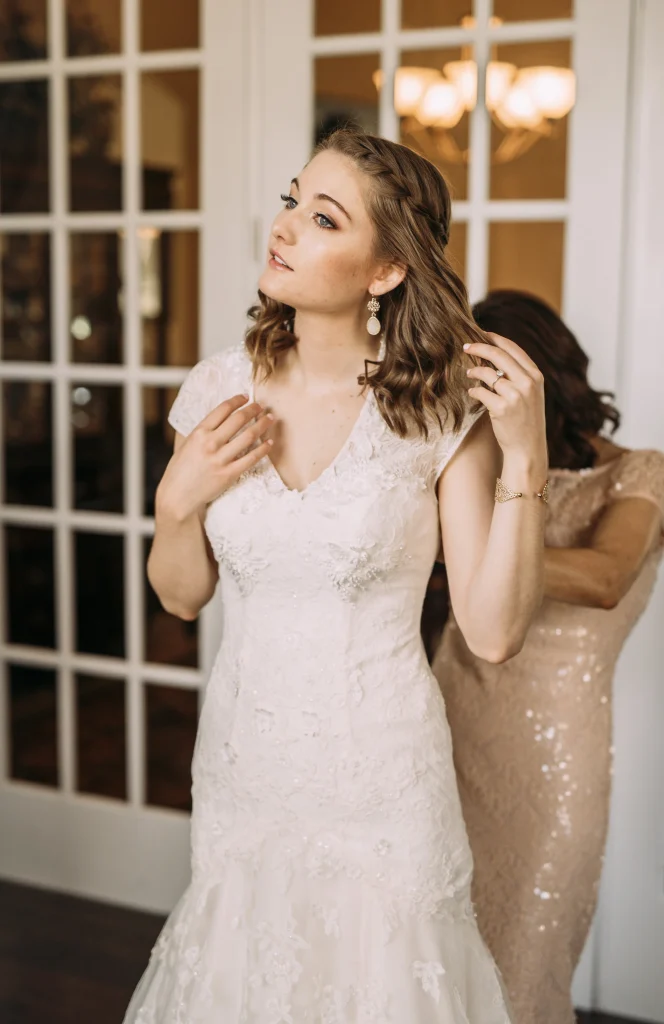
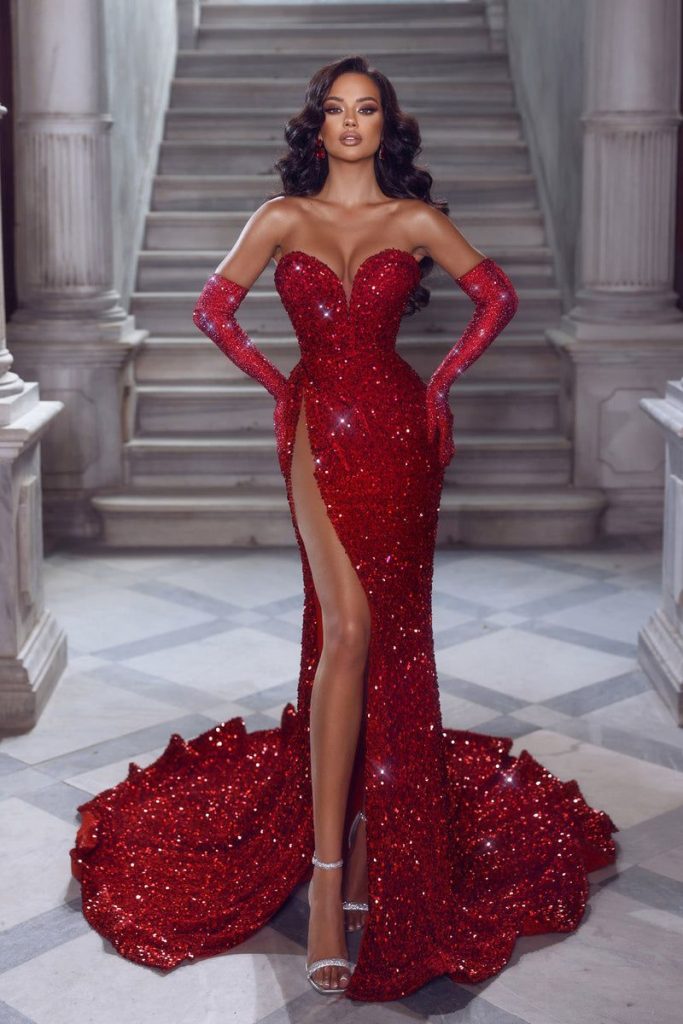
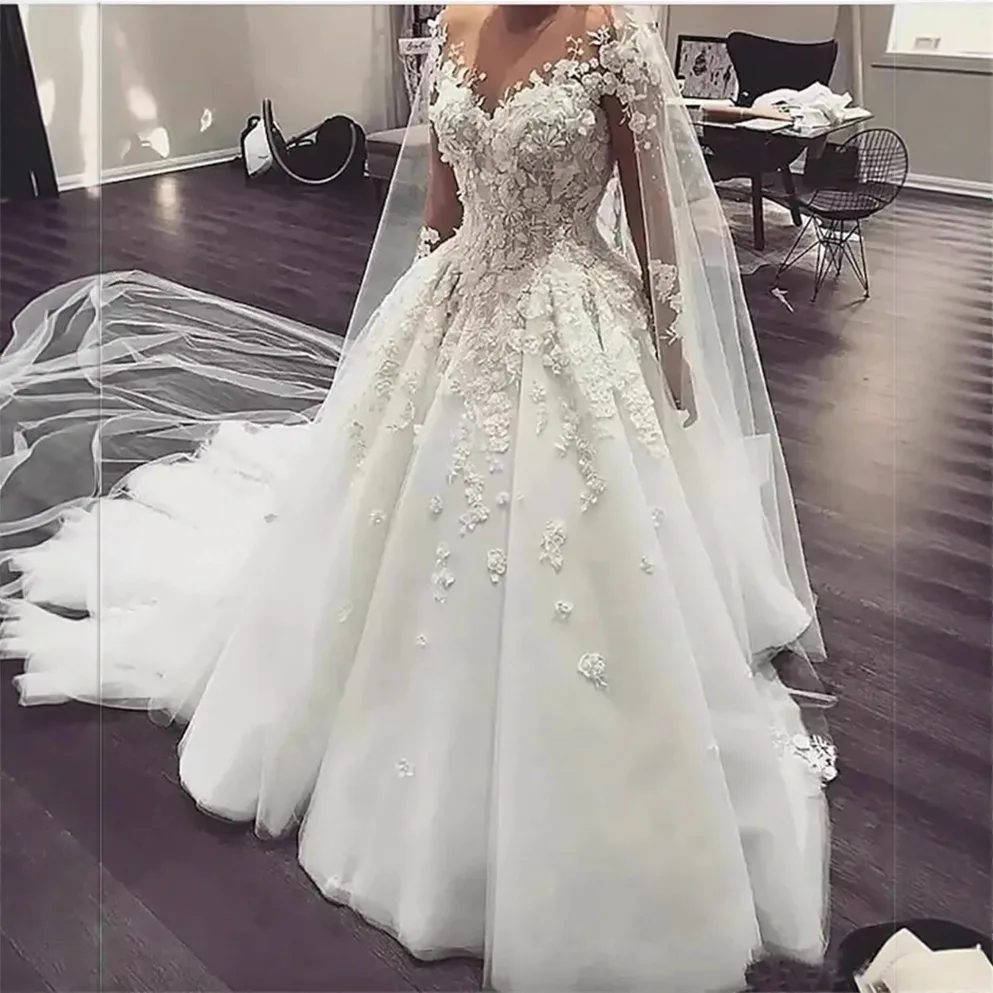
Then the fitting itself, in the order an old hand insists on and new buyers resist. The forgiving shape goes on first, the A-line or fit-and-flare that gives the bride a waist and lets her sit without negotiation. The closer shapes come after, the sheath and the mermaid, tried with the sitting test done properly: chair, stairs if the shop has them, arms raised the way they will be raised all evening. A mermaid that only works standing is a photograph with a zip. No wait, that is too harsh, and I have sold plenty of mermaids to brides they suited down to the ground. It is a warning about order, not about the shape. Judged after a forgiving dress, a fitted gown has to win on the bride’s actual body. Judged first, it wins on hope, and hope is what the alteration book bills for later.
The order is where the fitting becomes money
By the time the range is ordered, the fitting room has already voted, and the order should repeat the vote rather than the catalogue’s preferences. A trial at 10 pieces per style teaches the most when those ten are spread across shapes the store has watched real bodies wear, instead of concentrated in the one silhouette the owner fell for at a trade show. Grading carries its own trap inside this step: a fitted shape graded up from a small sample block arrives at the larger sizes with its ease in the wrong places, closing at the back while it gapes at the front, and no alteration budget fixes a grading decision cheaply. The buyers who survive this write the alteration average per shape into the buying price, $80 on one silhouette against $240 on another, so the fitted gown’s true cost is visible before the deposit.
The sourcing desk plans a body-shape range against the plus size formal maxi dress review, checks the forgiving end of the rail beside the plus size flared wrap dress file, and balances the order with the champagne fit and flare review, because a range bought by shape needs its forgiving, fitted and in-between styles costed together.
Questions buyers and stores actually ask
My store sold 30 mermaids last year and altered 28 of them. Is the shape wrong, or is my order backwards?
Your order is backwards, most likely. A mermaid is a high-alteration shape by nature, since it fits closely at three points and forgives none of them, so a store leading with it will alter nearly every one it sells. The question is whether the margin was priced for that, and whether brides were shown a forgiving shape first so the mermaid was chosen against an alternative. Alteration counts that high usually mean the fitted shape was doing the selling alone, on photographs.
A bride sits down in the sample and the bodice folds across her middle. Which number should I have checked?
The waist-to-hip difference against the sample’s own measurements, honestly, and the sitting ease the pattern allows at the hip, which rarely appears on a listing. A bodice folds on sitting when the dress has standing ease only and the body asks it for more cloth at the hip the moment it bends. On a sample, the check is physical: sit, raise both arms, then look at where the fabric pulls. A chart can warn you. Only the chair settles it, and I get this one wrong myself when I skip the chair to save ten minutes.
Ten pieces for a trial. Spread them across shapes, or all in the one shape from the photos?
Spread them, and let the fitting room argue with the photos. Ten pieces in one fitted shape prove that shape on the bodies who happened to walk in, which is a biased sample wearing a confident face. Spread across a forgiving shape, a fitted shape and something between, the same ten pieces show a small store where its alteration money actually goes and which rail its brides reach for unprompted. Concentration spends the whole trial confirming what the owner already believed.
The size chart says the waist fits. Why does the dress close at the back and still gape at the front?
Because a chart is a set of circumferences and a body is a shape, and the two only agree at the points the tape touched. A dress can carry the right total waist measurement with the ease sitting in the wrong places, taken from the front and left at the back, so the zip closes while the front neckline or bodice stands away. It is a grading and distribution question, not a size question, and going up a size usually makes the gape worse. The sample on a real body answers it in one fitting, which is why samples exist.
Alterations run $80 on one shape and $240 on another. Does that belong in the buying price?
It does, and the stores that put it there buy differently within a season. A fitted gown that needs $240 of work on most brides is not competing with a forgiving gown at the same ticket; it is a more expensive dress wearing a cheaper label. Writing the average alteration per shape into the cost line does not kill the fitted styles. It just makes the owner choose them knowingly instead of discovering the difference one invoice at a time.
Do I still get it wrong? Regularly. A shape I would swear a market has outgrown walks out on the right bride and sells the rail behind it, and a safe shape sits all season because safe, on a hanger, reads as dull. What the sequence buys a store is not certainty. It buys fewer expensive surprises: ranges ordered from an alteration book instead of a lookbook, fittings run forgiving-first, deposits placed on shapes that survived a chair. The bride’s body was never the variable to be managed, whatever the catalogues imply. The variable is the order of the dresses she is handed, and that part is entirely ours to get right or wrong.