Trend reports are useless. There, I said it. I run a small online store, I have ordered from trend forecasts for four years, and the dresses that actually paid my rent in 2026 were the ones the forecasts either ignored or got completely wrong, which tells you everything about who those reports are written for, and it is not people like me.
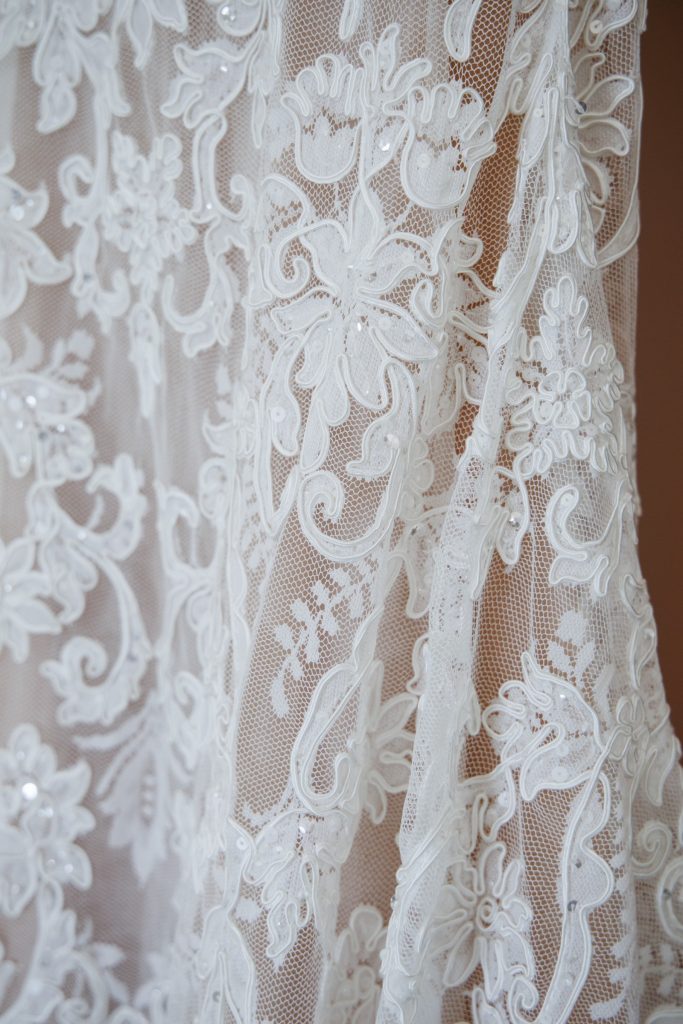
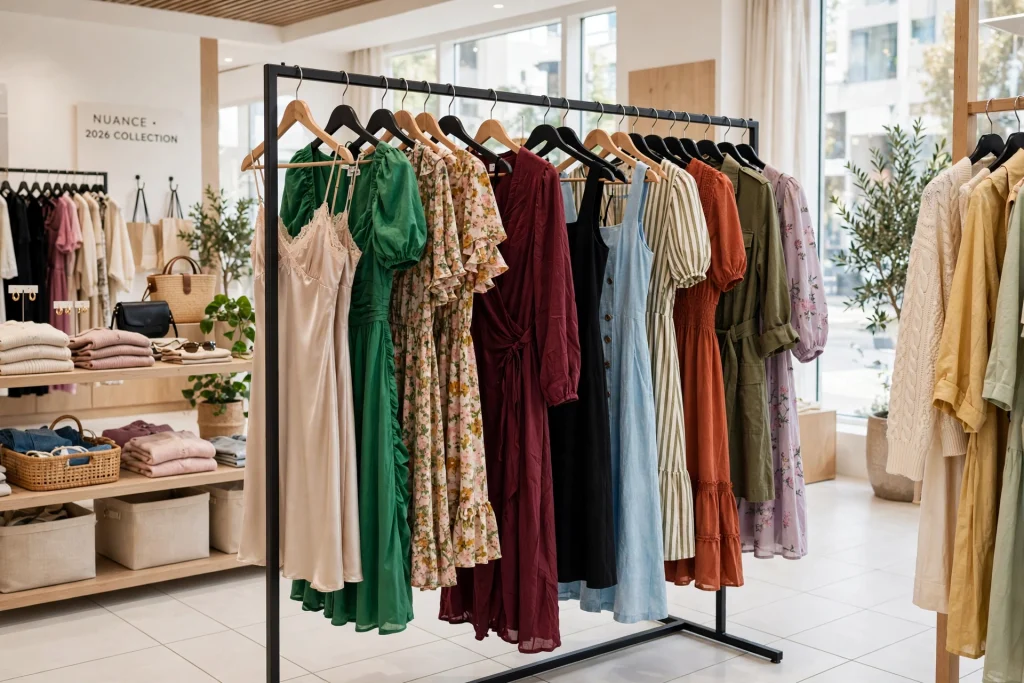
Take the romantic details everyone keeps pushing, lace trim, ruffled hems, eyelet. They photograph beautifully, they get the saves and the shares, and then they sit in the cart while the plain black midi that nobody posted about sells out in three sizes, because a customer buys the fantasy on social media and buys the wearable dress with her actual wallet, a split I stopped trying to fix around year three. The data in my own store says the lace sells the click. The plain sells the dress.
Here is who I blame, and I am done being polite about it. The trend machine runs on wholesale platforms copying each other’s bestsellers until every boutique stocks the same butter yellow dress, and then the forecasters point at the sales and call it a trend, which is like pointing at a traffic jam and calling it a parade. I fell for it twice. The second time cost me a whole spring of dead stock in a color my customers never asked for.
The midi length is the one forecast the market actually got right, and I will give credit where it is due. A midi suits the widest age range, it works for office and evening without a change, and it is the only length where I have never had a customer ask for it shorter or longer in the same week, which is more than I can say for anything else in my wholesale buying guide research. Boring pays. And boring always wins in the end.
Actually, no. Let me take that back, because I just praised the midi and the truth is messier. Butter yellow looked like the color story of the season in every forecast deck, and in my store it moved exactly nowhere for six weeks, while the small-scale florals that the decks called safe sold steadily all spring, which taught me that safe is not the opposite of trendy, safe is just the trend that already finished happening. I keep relearning this. It never sticks.
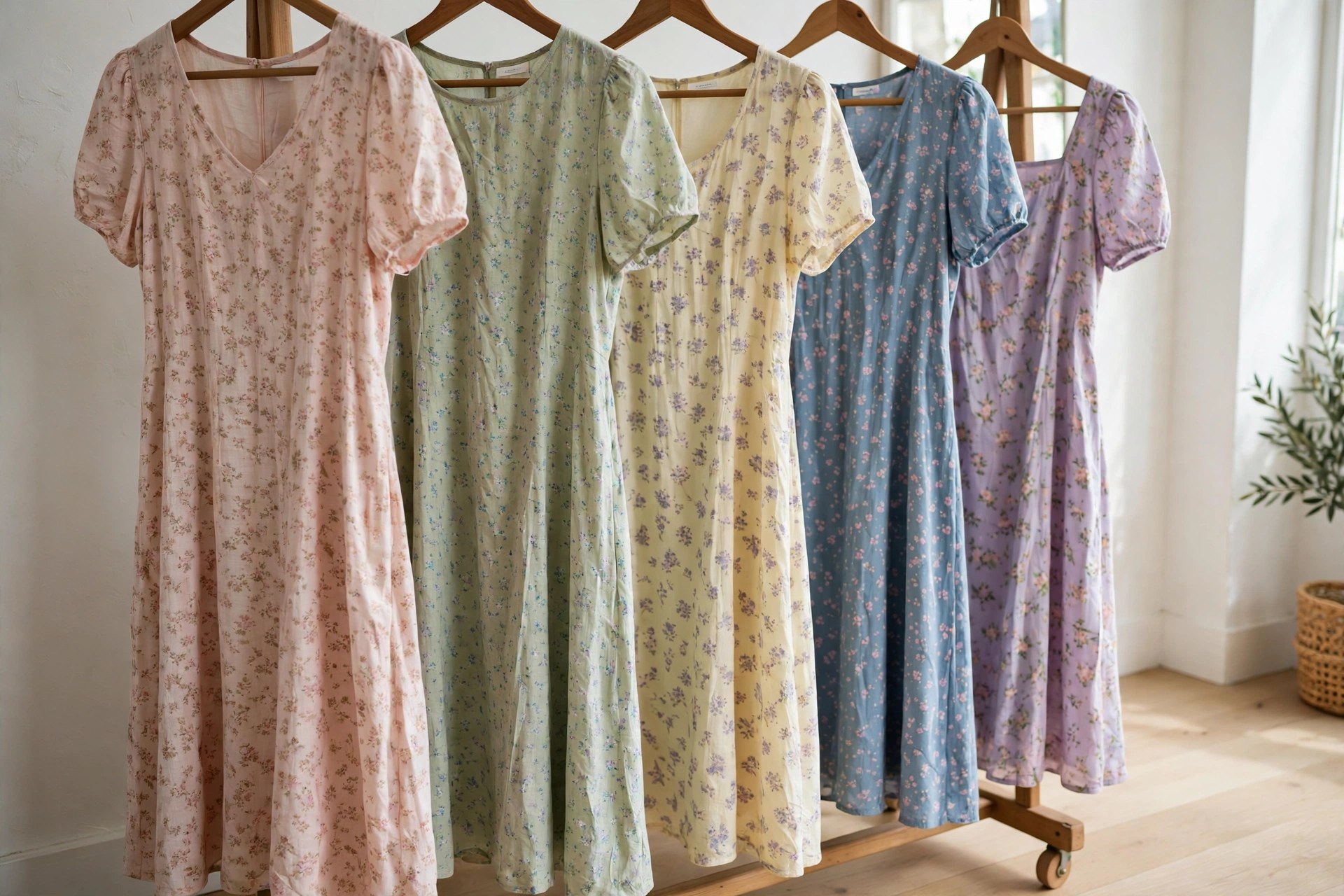
On prints, the forecasts keep showing oversized florals and my customers keep buying the small ones. A small-scale floral reads expensive from three feet away, it does not fight the silhouette, and it survives the wash without the giant bloom turning into a blurry stain, which is the unglamorous reason it outsells the statement print three to one in my store. I argued with this data for a season. Data won.
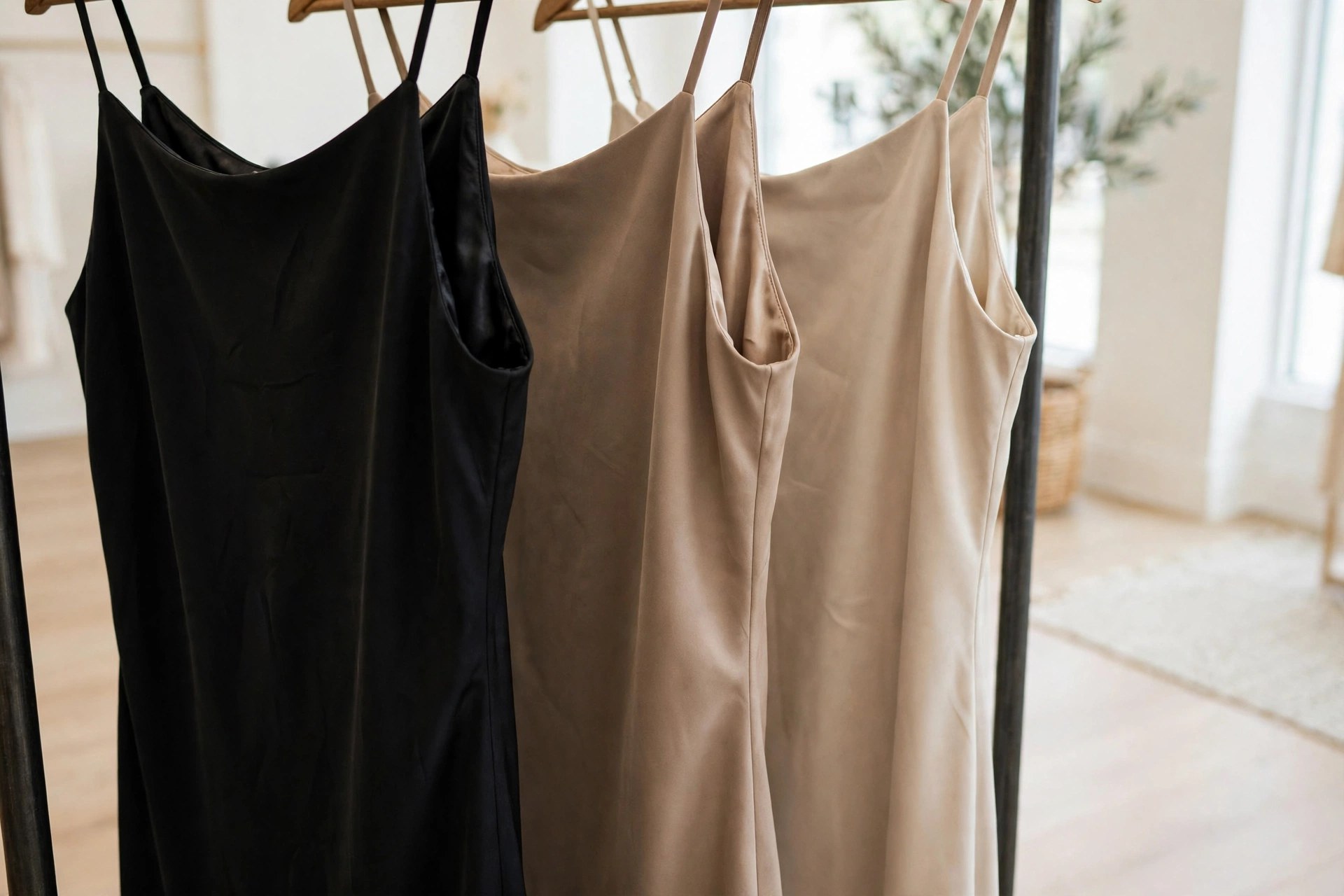
The quiet luxury thing is real, but not in the way the decks sell it. An unadorned slip dress in a good fabric sells because there is nowhere for cheapness to hide, and my customers can feel fabric quality through a screen better than any forecaster gives them credit for, which is why the plain styles have the lowest return rate in my whole catalog. Spend on the fabric. Skip the trim.
My buying split these days is roughly sixty percent proven sellers, twenty-five percent my own historical bestsellers regardless of what the forecasts say, and the rest in small experiments, and the experiments go in at the smallest quantity a factory allows, which in my case means 10-piece trials, because a trend test that needs a hundred pieces is not a test, it is a gamble with inventory I cannot afford to lose. The floral summer dresses I tested this way either earn a reorder in three weeks or they never get mentioned again. No middle ground. Almost never.
Order timing is the part I got wrong the longest. Three to four months ahead for the core styles sounds conservative until the factory tells you the fabric is stuck behind someone else’s bigger order, and the trend-test pieces can follow closer to the season, which is the one piece of conventional advice I still follow, mostly because breaking it cost me a March delivery that arrived in May. Late stock is decoration.
What I do not know could fill the rest of this page. I have never bought bridal, I do not understand the occasion market beyond wedding guest dresses, and the whole quince and prom world might as well be a different industry, so if you are waiting for me to connect these trends to that side of the business, that was never my department. I know my lane. It is narrow.
Bodycon is the trend that refuses to die and refuses to grow, and I have made my peace with it. It sells steadily for events and parties, it never becomes the thing, and every year some forecaster declares it back or dead with equal confidence, which tells you the declaration is the product, not the dress. I stock it anyway, quietly. Never bet on it.
Returns taught me more than any forecast ever did. The dresses with the highest return rates in my store were always the ones with the fussiest details, the complicated backs, the tricky zippers, the necklines that needed perfect posture, and the lowest returns were the plain ones, which told me that customers forgive a boring dress and punish a difficult one. I order for forgiveness now. It sells better.
Social traffic lies to you about what sells. A dress can get ten thousand saves and sell forty units, because saving is free and buying is not, and I learned to stop reading the save counts sometime in year two, when a viral dress left me with a warehouse of admiration and no money. Search traffic is uglier and more honest. People type to buy.
The reorder is the whole business and nobody talks about it. A first order is a guess, the reorder is the answer, and the discipline is in reordering the winners fast and letting the losers die without a funeral, which sounds obvious and is the hardest thing I do, because every slow dress has a story I want to believe in. Kill the story. Reorder the winner.
Fabric quality is the only marketing that compounds. A customer who feels good fabric tells a friend, the friend buys, and the acquisition cost of that second sale is zero, which is a better return than any ad I have ever run, and it is why the plain slip dress in good fabric keeps outselling the fancy one in cheap fabric year after year. Feel it yourself. Before you order.
So here is where I am, four years in and less sure than when I started. The forecasts will keep coming, the butter yellow will keep getting pushed, and I will keep ordering the boring midi in the proven print while feeling like I am missing something everyone else can see from their much bigger budgets. Maybe I am. Probably I am still missing it.