A 40-foot container from Guangzhou to Los Angeles costs about forty-eight hundred dollars this month, and that number decides more about your dress order than the fabric ever will. I have moved apparel freight for thirteen years, I have watched buyers negotiate a dress down by fifty cents and then lose five dollars a piece on the shipping because nobody did the volume math, and the container rate is the first number I look at on any order. Everything else is decoration.
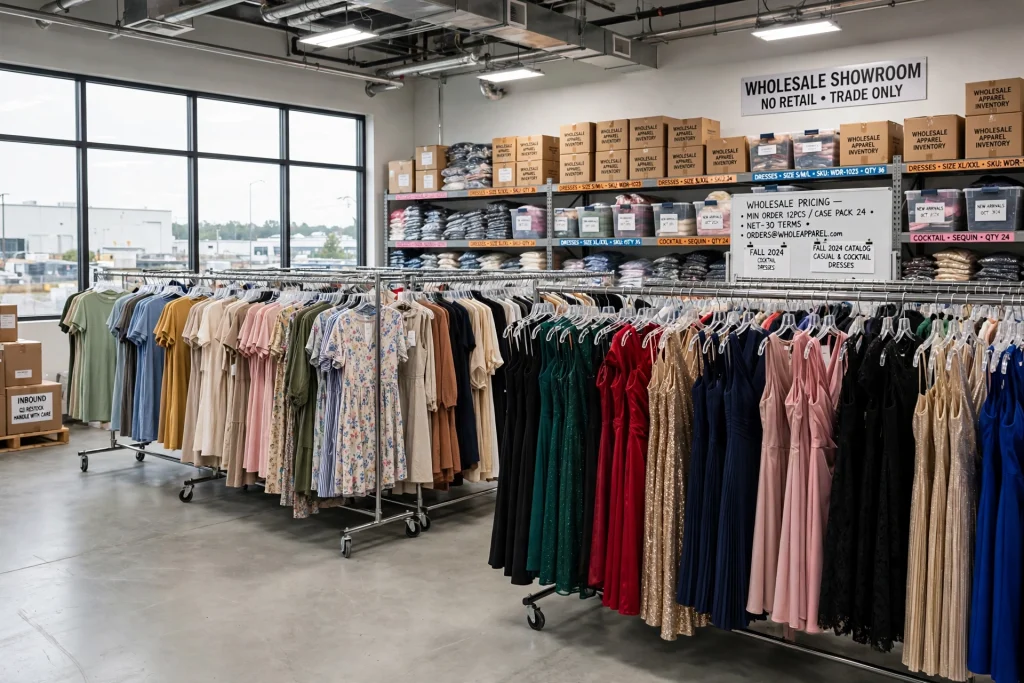
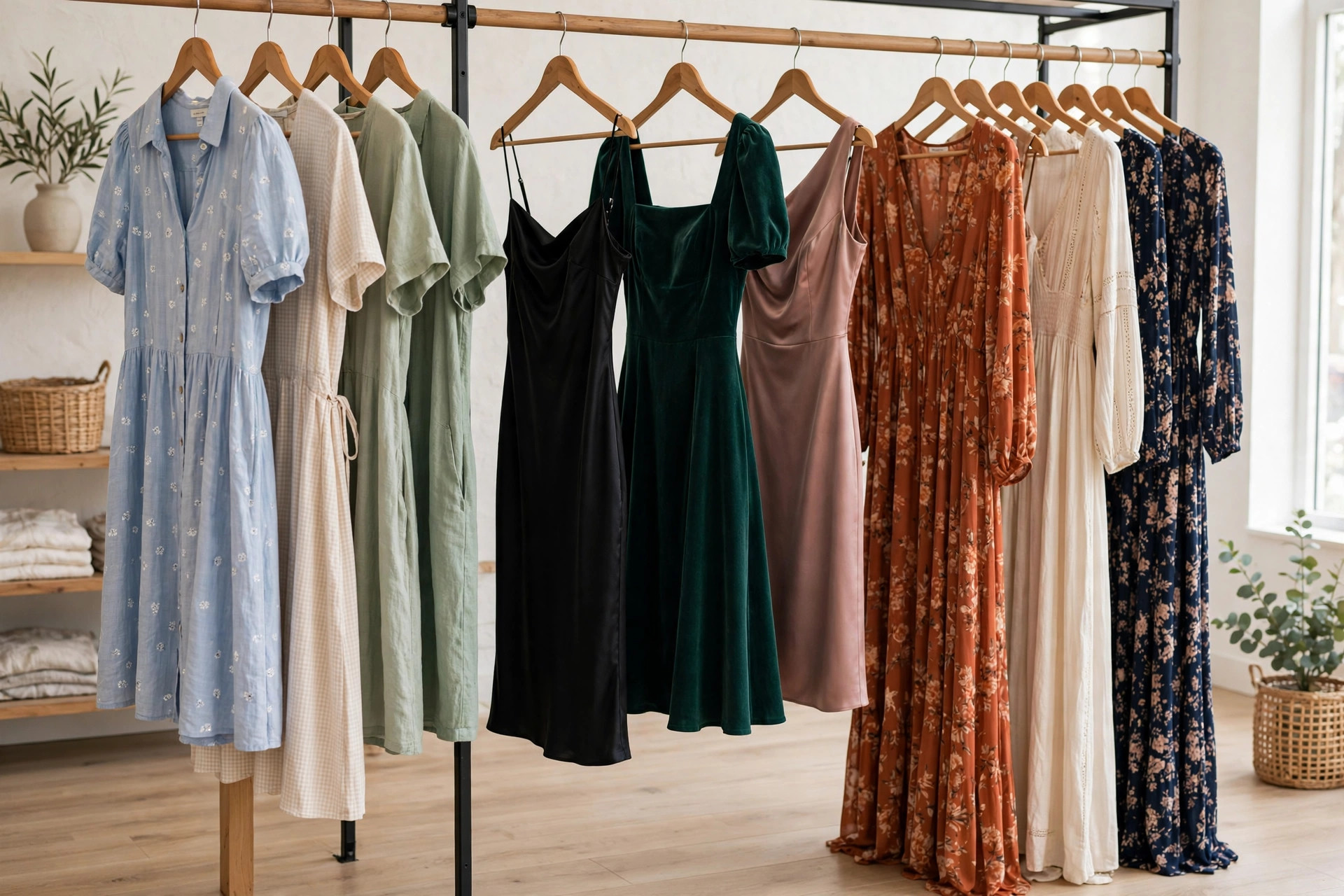
Non-bridal dresses break into three lanes and each one ships differently. Casual day dresses are the volume play, light, cheap per piece, the kind of carton you can stack high, and they move fast enough that air freight for a restock sometimes makes sense, while cocktail dresses are heavier, occasion-driven, and almost always planned two to three months ahead of the holidays because nobody air-freights sequins if they can help it. Maxis are the awkward middle, long cartons, dead volume, the freight forwarder’s least favorite shape. Guess.
I do not take sides between buyers and factories, I just want the boxes on the ship, but there is one thing I have watched for thirteen years and I am allowed to be tired of it. The factory promises thirty days knowing the fabric needs twenty, the buyer plans the sailing for day thirty-one, and then everyone acts surprised when the container leaves without their cartons, which is why I tell every new client to add two weeks to whatever date they are given. They never do. The ship does not wait.
Fabric choice is a freight decision wearing a fashion disguise. A rayon maxi that drapes beautifully also weighs more per piece than a polyester one, and when you are paying by volume on a light dress and by weight on a heavy beaded one, the fabric the designer fell in love with can quietly add a dollar or two per piece before the dress ever reaches your warehouse, which is why the landed cost math has to happen before the purchase order, not after. I have seen the 2026 dress trends push buyers toward heavier romantic fabrics, and every extra gram ships at your expense. Grams cost money.
Here is where my knowledge stops. Fit, grading, whether the bust darts sit right, that was never my department, I move boxes and I know boxes, and when a buyer asks me whether to approve a strike-off I tell them to ask someone who sews, because color approval on a printed swatch is a decision I am not qualified to make. What I can tell you is that printed dresses cause more re-shipments than solids, because the screen colors shift between the sample and the bulk run, and a buyer who skipped the strike-off to save ten days usually spends thirty days arguing about the reprint. Ask the sewer, not me, because fit was never my department. My lane.
Actually, no. Let me correct that, because I made small orders sound harmless and they are not. A 10-piece trial order is the right way to test a new style, and I mean that, but ten pieces of a navy maxi dress still ship as a real carton with real volumetric weight, which means the per-piece freight on a trial order can be double what you will pay at volume, and buyers who do not know that call me angry about a shipping bill that was always going to look like that. What I meant was: trials are for testing the dress, not for testing the freight rate.
Samples should fly. Bulk should sail. This is the simplest rule in my business and the most ignored, because a buyer who air-freights the bulk order to catch the season has already lost the margin the cheaper factory price was supposed to protect, and I have watched that exact mistake eat entire seasons, quietly, one DHL bill at a time. Plan the sailing. Or pay the plane.
Landed cost is the only price that matters and nobody calculates it early enough. The factory price is the beginning, then the forwarder, the customs broker, the duty rate on the fabric content, the trucking from the port, and each step takes its cut while the buyer is still celebrating the fifty cents they negotiated off the dress, which is how a twenty-two dollar quote becomes a thirty-one dollar reality sitting in a US warehouse. I have done this math for thirteen years. Never popular.
Peak season changes everything and nobody plans for it. From August to October the container rates climb, the sailings fill up, and the dress order that shipped comfortably in May suddenly needs booking three weeks out, which is when the buyers who planned ahead look smart and everyone else starts asking me about air freight like it is a reasonable plan B. It is really not. It is a margin funeral with a tracking number.
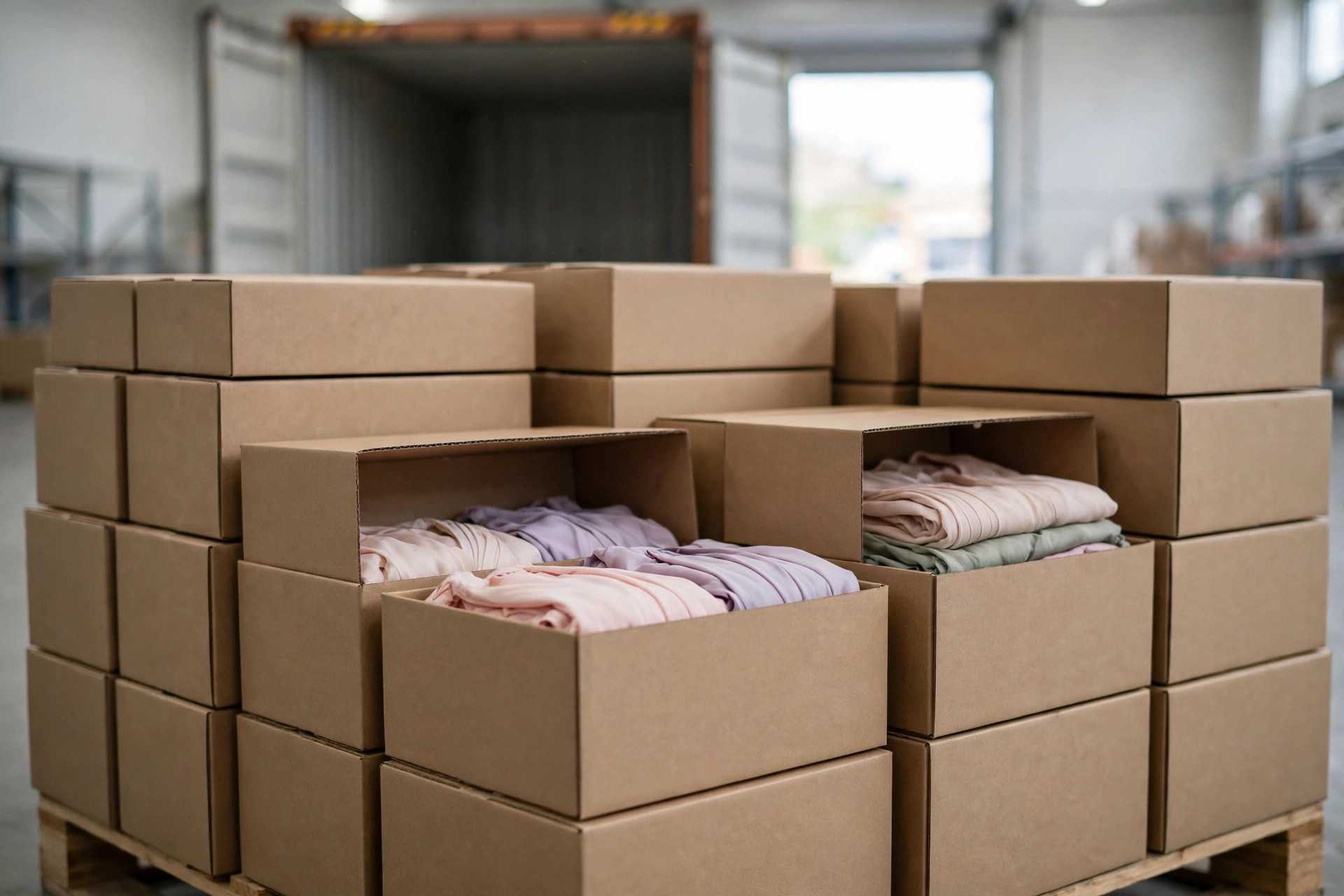
Consolidation is where small buyers bleed money without noticing. A buyer who orders dresses from three factories gets three separate cartons, three separate courier bills, and three separate customs entries, while the buyer who consolidates everything into one shipment through one forwarder pays once, which is the least glamorous advice in this whole guide and the one that saves the most money, and the difference is one bill instead of three. One shipment.
Buy the insurance. I say this as someone who makes nothing from it, because a container that goes overboard or a carton that gets crushed in the port happens rarely and ruins completely, and the buyers who skip the marine insurance to save a fraction of a percent are the same ones who call me in tears when the shipment does not arrive. It is cheap. The tears are not.
The last mile is not the courier, it is the truck from the port. Port trucking has its own rates, its own waiting time charges, and its own special talent for surprising buyers who thought the freight quote was the whole story, which is why I always ask new clients who is picking up at the destination before the container even sails. Ask early. Pay less.
Thirteen years and I still cannot tell you which orders will sail on time. The container rate will move again next month, the factories will keep promising thirty days, and somewhere right now a buyer is doing the volume math on a dress order for the first time and finding out the freight costs more than the discount they negotiated. I move the boxes. The rest is weather.