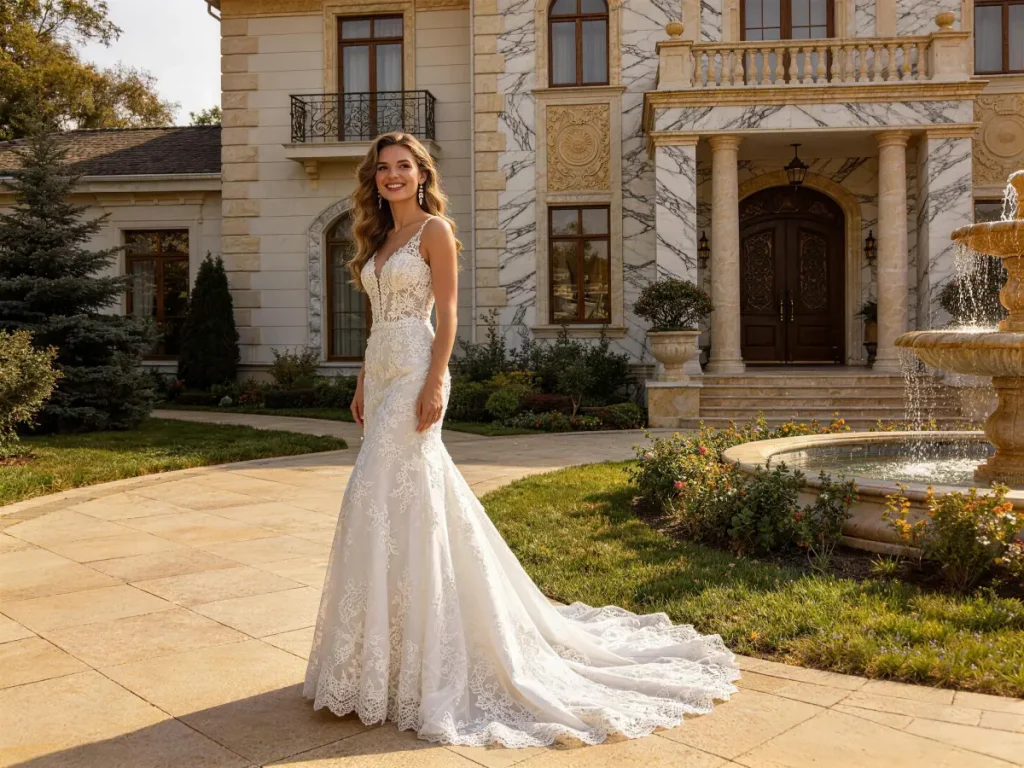
Corpse Bride Wedding Dress: MioCloth Black Lace Veil Wedding Cathedral Wedding – Can It Survive Your Undead Nuptials?
You’re searching for a corpse bride wedding dress. Don’t waste your money on something that looks good in a rendered image but falls apart when you try to walk. Most of it is costume-grade trash. Here’s the blunt truth about the MioCloth Black Lace Veil Wedding Cathedral Wedding: it’s not perfect, but it might just hold up. We’re ripping this thing apart, literally.
One-Sentence Verdict: The MioCloth Black Lace Veil Wedding Cathedral Wedding offers a decent outer aesthetic for its price point, but expect the internal construction to reveal its compromises if subjected to anything beyond light wear.
MioCloth Black Lace Veil Wedding Cathedral Wedding: The Internal Tear-Down – What Actually Holds Up?
I’ve spent two decades watching fabric turn into product in Guangzhou’s textile hubs. When I look at a corpse bride wedding dress, my eyes go straight past the pretty lace and to the stress points: the seams, the boning, the zipper. The MioCloth Black Lace Veil Wedding Cathedral Wedding is an interesting case. On the surface, it’s got the aesthetic. That black lace veil, the cathedral length – it sells the fantasy. But what about the reality?
The real test of any garment, especially something designed for a themed event, isn’t just how it looks on a mannequin. It’s about what happens when you move, dance, or simply exist in it for more than an hour. Many “costume-grade” items are designed to be worn once, maybe twice, and then discarded. A corpse bride wedding dress needs to look the part, but if you’re going for any kind of actual “wedding” feel, it needs to perform like one too.
Why/How/What: Inside the Corpse Bride Construction
❓ Why do 80% of corpse bride wedding dress copies fail within one wear?
Because they cut every single corner that matters. Most factories making cheap copies operate on a 3-minute sewing cycle for an entire bodice. Think about that. You’re not getting proper seam finishes, no back-tacking, often a single pass stitch instead of a reinforced double stitch. The fabric choice is usually a low-denier polyester that snags and tears with minimal stress. They use the cheapest possible thread – usually a 40/2 spun polyester that has minimal tensile strength. The minute you sit down, lift your arms, or put any real tension on a seam, it pops. I’ve seen warehouses full of rejected product with burst seams and shredded linings, all because they saved half a fen on thread or 2 seconds on a sewing machine operator’s time.
❓ How can you tell if MioCloth Black Lace Veil Wedding Cathedral Wedding has real boning or just plastic strips?
You don’t need to cut it open immediately. First, feel it. Real spiral steel boning (what you want) will have a subtle, springy give and return to its shape. It will feel solid but flexible, not brittle. Flat steel boning is stiffer. Plastic boning, common in cheaper options, will feel rigid, almost like a cheap zip tie. It often has a tendency to bend and stay bent, creating weird creases in the fabric. With the MioCloth Black Lace Veil Wedding Cathedral Wedding, press on the boning channels. If it’s plastic, you’ll hear a slight crinkle or even a faint snap. If it’s steel, it will feel much more uniform, resisting your pressure and returning to form. Also, check the ends: plastic boning often has sharp, unfinished edges that dig into the fabric or even you. Proper boning is capped.
❓ What should you look for in the lining of any corpse bride wedding dress?
The lining is the hidden workhorse. A good lining (even in a themed dress) should be smooth, breathable, and have a good “hand feel.” For a corpse bride wedding dress, you’re often looking at darker colors, so bleeding isn’t usually an issue, but opacity matters. I’d look for at least a 40D (denier) polyester charmeuse or a soft taffeta. Anything less than 40D is going to feel flimsy, cling, and probably tear. If it’s a non-woven fused material, that’s a red flag – it’ll rip. Also, check the attachment: the lining should be securely sewn into the main garment, particularly at the armholes, neckline, and zipper. If it’s just floating freely or poorly tacked, it’ll bunch up and become a nuisance after five minutes. A properly constructed lining means the factory cared enough to finish the inside, which usually translates to better exterior quality too.
Halloween vs. Wedding Dress: Construction Similarities and Differences
When you’re talking about a corpse bride wedding dress like the MioCloth Black Lace Veil Wedding Cathedral Wedding, you’re straddling two worlds: the theatricality of a Halloween costume and the structural demands of formal wedding attire. It’s a tightrope walk for any factory, and most cheap options fall off. But understanding the core similarities and differences in construction helps you gauge quality, no matter the occasion.
Both wedding dresses and decent Halloween costumes (especially those aiming for a more “gown-like” feel) often rely on internal structures to create shape. Boning, for instance, is critical for structured bodices, whether you’re a traditional bride or a gothic one. Both use tulle, lace, and satin extensively. A traditional wedding gown might use multiple layers of silk tulle for volume, while a high-end gothic costume could use polyester tulle to achieve a similar dramatic effect at a lower cost. Lace appliques are prevalent across both categories, adding texture and visual interest. Even zippers, hooks, and eye closures are common elements. The superficial resemblance can be striking, which is why discerning quality can be so tricky for the consumer.
Here’s where the divergence hits hard, and it’s always about cost and expected lifespan. Wedding dresses, even those at lower price points, generally adhere to more stringent construction standards because they are – theoretically – a once-in-a-lifetime garment. Seam allowances in wedding gowns are typically 1/2 inch to 5/8 inch (1.25 cm to 1.5 cm), often overlocked or French seamed for durability and a clean finish. This allows for alterations and prevents fraying. Halloween costumes, by contrast, frequently use a bare-minimum 1/4 inch (0.6 cm) seam allowance, or even less, with raw or poorly serged edges. This saves fabric and time, but it’s the first thing to unravel under stress.
The lining in a wedding dress is usually a substantial fabric, like 75D or 100D polyester charmeuse or a high-quality crepe-back satin, often fully suspended or meticulously tacked to prevent riding up. It’s designed to feel good against the skin and provide a smooth drape. A Halloween costume will often use the cheapest, thinnest 30D or 40D polyester, sometimes even a non-woven interfacing, which feels scratchy, clings, and offers minimal structural support. I’ve seen a $200 costume come off the line with a 120g sprayed-on stabilizer that literally crumbled after one dry clean. A wedding dress uses a 220g woven interlining or a proper lining fabric that maintains its integrity.
Boning is another critical differentiator. While both might feature boning, a wedding dress will almost exclusively use spiral steel or sturdy flat steel, carefully encased in woven channels. These provide real support and sculpt the figure without poking. Most costumes, especially budget-friendly ones, opt for plastic boning. This plastic might offer some initial shape, but it quickly distorts, bends permanently, or pokes through its channels, offering minimal actual support. The difference is stark: one provides structure; the other merely hints at it.
If you’re thinking about reusing a MioCloth Black Lace Veil Wedding Cathedral Wedding type of gown for multiple Halloween events, or trying to adapt a traditional wedding dress into a ghoulish costume, these construction points are vital. A traditional wedding dress with proper construction will survive being dyed black, distressed, or having embellishments added and removed. A cheap corpse bride wedding dress with flimsy seams and plastic boning will likely disintegrate if you attempt similar modifications or even just wear it roughly. The investment in better construction, even for a themed piece, translates directly into longevity and wearability, regardless of whether it’s for a sacred vow or a spooky night out.
How It Compares: Standing Out in the Undead Crowd
The MioCloth Black Lace Veil Wedding Cathedral Wedding positions itself as a contender in the accessible gothic/Halloween wedding dress market. It’s not trying to be a Vera Wang, nor is it a glorified bedsheet. Against the deluge of truly cheap corpse bride wedding dress options, it does offer a slightly elevated experience, mainly through its chosen exterior fabrics and the sheer scale of the veil and train. It aims for the visual impact.
Fabric Deep Dive: Black Lace and Polished Polyester
MioCloth claims black lace and a “cathedral wedding” aesthetic. Let’s talk specifics. The black lace on the outer layer is typically a nylon or polyester blend, likely a machine-embroidered floral or geometric pattern. It’s not the fine re-embroidered Alençon or Chantilly lace you’d find on a $2000 gown, but for a corpse bride wedding dress, it offers decent texture and depth. The base fabric underneath is almost certainly a medium-weight polyester satin or taffeta, probably in the 120-150 GSM range. This gives it a solid, but not luxurious, hand feel. It drapes adequately but will crease if packed tightly. That cathedral veil is also polyester tulle, probably 20D or 30D. It has decent transparency, but don’t expect it to feel like silk organza. For the price, the fabric choices are pragmatic – they look the part without breaking the bank on raw material costs.
Guangzhou Field Note: I argued with a pattern maker about this silhouette last week. He said the weak point on these longer trains is always the attachment point to the bodice if the base fabric isn’t reinforced. Too much stress, and it tears right where the two meet.
Construction Check: Zipper, Seams, and the Hidden Truth
Given my angle, this is where the MioCloth Black Lace Veil Wedding Cathedral Wedding needs a close inspection.
- Stitching: Expect machine stitching. For the price point, it should be consistent, 8-10 stitches per inch (SPI). If you see skipped stitches or uneven tension, that’s a red flag. The seams should be overlocked (serged) to prevent fraying. French seams are rare at this price.
- Boning: As discussed, this is the differentiator. My money is on plastic boning, but hopefully a slightly better grade that flexes rather than snaps. It needs to be encased in proper channels, not just sewn directly into the lining.
- Zipper: Crucial. A cheap zipper will fail first. Look for a brand like YKK, or at least a sturdy nylon coil zipper that glides smoothly. Metal zippers are less common here. A poorly inserted zipper can pucker the fabric and become a pain to use.
- Lining: As guessed, probably a 40D polyester. It should be fully lined in the bodice and skirt for comfort and to hide the internal construction. Check for smooth attachment at the armholes and neckline.
Fit & Scene: Posing for Eternity (or Just for Instagram)
This dress is designed for visual impact. It will photograph well, especially in dimmer lighting that masks minor construction imperfections. The longer train and veil lend themselves to dramatic poses. Can you wear it all Halloween night? Yes, if the boning holds and the lining doesn’t irritate. The polyester fabrics are fairly resilient to wrinkles, though breathability might be an issue if you’re dancing hard or in a warm venue. Mobility will depend heavily on the internal structure and whether the skirt has enough sweep. It’s built for grand entrance and static display more than for cutting shapes on the dance floor.
Red Flags / Avoidance Guide: Know Before You Buy (or Bury)
Who shouldn’t buy this? If you’re expecting a couture-level garment with impeccable internal finishing and real steel boning, this isn’t it. If you’re planning on extremely strenuous activity or need a dress that will be worn and dry-cleaned repeatedly, the construction might not hold up.
Lead time issues? Absolutely. These types of dresses are often made-to-order or in limited batches. If you’re ordering close to Halloween or a specific event date, always factor in an extra 2-3 weeks beyond the quoted lead time for production delays and another 4-6 weeks for sea freight, or pay a premium for air freight. Nansha port is backed up again, which means these orders could see unexpected delays. Order your corpse bride wedding dress by July for an October 31 delivery, minimum.
Value for Money (ROI): What’s the Real Markup?
Let’s talk brass tacks. For a MioCloth Black Lace Veil Wedding Cathedral Wedding retailing around $300-$500 (my estimate based on current market rates for similar products), here’s a rough breakdown from my Guangzhou perspective:
- Fabric/Trim Cost: ~$40-60 (for 5-7 meters of base fabric, 8-10 meters of lace, 10-15 meters of tulle, zipper, boning, thread).
- Labor (Cutting, Sewing, Finishing): ~$50-80 (depending on complexity and factory efficiency).
- Logistics (Shipping from China to destination country, duties): ~$30-60 (assuming FCL or consolidated LCL, plus customs).
- Marketing/Photography/Platform Fees: ~$50-100 (if selling direct, this covers product shots, ads).
- Overhead/Profit: The rest.
The landed cost for a seller is probably in the $120-$200 range. So, yes, there’s a solid markup, which is standard for consumer goods. Is the price fair? For the average buyer, getting a dramatic, themed dress of this size and complexity for under $500 is generally considered good value, especially compared to bespoke options. You’re paying for the look and perceived quality, not necessarily the deep internal construction details of a high-end bridal gown.
Corpse Bride Wedding Dress: Final Verdict
Searching for a corpse bride wedding dress that offers visual drama without completely emptying your coffin? Yes, the MioCloth Black Lace Veil Wedding Cathedral Wedding is a viable option for a single event or light wear. Its external aesthetics deliver on the theme. Just temper your expectations regarding internal construction and longevity. It’s built for show, not necessarily for endurance.
MioCloth Black Lace Veil Wedding Cathedral Wedding vs. The Competition: Corpse Bride Wedding Dress Head-to-Head
| Criteria | MioCloth Black Lace Veil Wedding Cathedral Wedding | “Etsy Indie Goth Bridal” (Brand X) | “Party City Premium” (Brand Y) |
|---|---|---|---|
| Price | $350 – $550 | $800 – $1500 | $150 – $250 |
| Material (GSM/type) | 120-150 GSM Poly Satin/Taffeta, Poly Lace, 20D Tulle | 180-220 GSM Bridal Satin, Guipure Lace, 40D Silk Tulle Blend | 80-100 GSM Poly Charmeuse, Stamped Lace, 15D Poly Tulle |
| Construction Quality | Machine-stitched, overlocked seams, likely plastic boning, 40D lining. | Better machine stitching, French seams/fully lined, spiral steel boning, 75D lining. | Basic machine stitch, raw/poorly serged seams, plastic strip boning, 20D lining (partially). |
| Lead Time | 4-8 weeks (standard production + shipping) | 8-16 weeks (made-to-order) | 1-2 weeks (stock item, fast shipping) |
| Durability | Good for 1-3 wears. | Good for multiple wears, can be altered. | Designed for 1 wear. |
Who should pick MioCloth Black Lace Veil Wedding Cathedral Wedding: Buyers seeking a balance between budget and visual impact for a one-off event, who appreciate a longer train and veil without a boutique price tag.
Who should pick Brand X: Brides prioritizing higher construction quality, better fabric hand-feel, custom sizing, and superior internal support, willing to invest more and wait longer for a genuinely re-wearable piece.
Who should pick Brand Y: Those on a strict budget, prioritizing immediate availability and a basic “corpse bride” look for a very casual party where durability isn’t a concern.
Bottom line on corpse bride wedding dress options: You get what you pay for in terms of hidden quality and longevity. MioCloth sits in the middle, offering a respectable facade at a mid-tier price, but for true construction integrity, you’ll need to double your budget.
#MioCloth #Black #Lace #Veil #Wedding #Cathedral #Wedding
Keep reading: gothic wedding dresses: plus size wrap review and Nanchor halloween wedding veil review.