Now that the wedding is over, the emergency kit can be audited like any other purchase, and the audit is not kind to big boxes. This post-wedding review of the standard bridal emergency kit, the pouch of tapes, pins, needles, stain wipes, and small scissors sold as insurance for the day, starts from what was actually opened. In kit after kit, the used pile is small and specific, and the untouched pile is large, padded, and counted creatively. The money question is not whether a kit is worth having. It is which eight or ten things in it earn their place, and what the rest of the count is charging for.
Count the kit the way the day used it
Start with the items that leave every kit: fashion tape, safety pins in two sizes, a needle already threaded in white and one in the dress colour, stain wipes, blister pads, a small pair of scissors that actually cut. These get used at nearly every wedding, sometimes by the bride, more often by a bridesmaid, a mother, or the person holding the dress while somebody else kneels. Then there is the second shelf of almost-never: the spare earring backs counted as four items, the nail file, the breath strips, the drinking straw, the individual cotton buds listed one by one to carry the total toward sixty. None of them is wicked. All of them are there to make a number, and the number is what was sold.
Expiry is the quiet line in the audit. Wipes dry out, tape loses its grip in a warm drawer, adhesive pads age. A kit bought on sale for a wedding eighteen months away can arrive at the day with its most useful contents already tired, and the discount that looked clever turns out to have been rent paid on degrading glue. The honest way to price a kit is cost per item that will plausibly be used while still fresh: the small fresh kit beats the giant stale one on that arithmetic every time, and it is not close.
What the day actually breaks
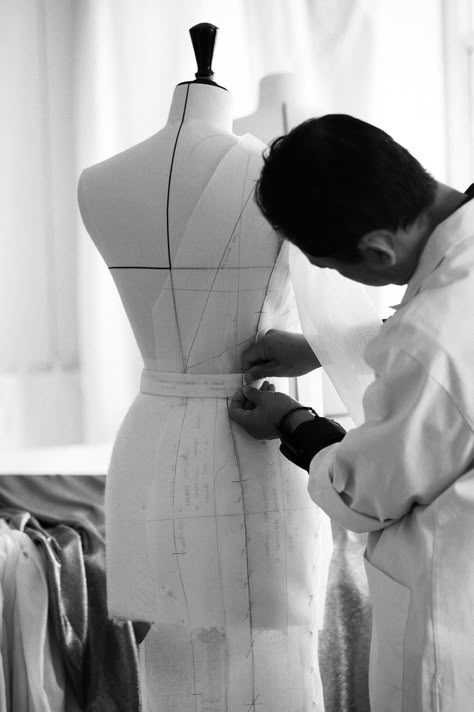
The failures a kit can fix are mechanical and small: a strap stitch letting go, a hem catching a heel, a button leaving, a zip that needs a steady hand and a bar of soap rather than a tool at all. The failures it cannot fix are the ones brides fear most, and no pouch at any count fixes a torn bodice seam under load or a broken zip teeth row. This is where the money logic turns: the kit is a cheap answer to frequent small problems, and it should be priced and judged as exactly that. Sold as a calm wedding morning in a box, it is overpriced. Sold as eight good tools in a pouch, it is a bargain, and the difference between those two products is only the honesty of the listing.
For stores, the audit suggests a shelf decision. Stock the small kit with the strong contents, say plainly what is in it, and keep a second one open in the fitting room where its tape and pins will rescue dresses long before any wedding day. The fitting-room kit pays for the shelf kit’s credibility; customers who have watched a strap saved by a two-cent pin stop asking why the pouch costs what it costs.
Build or buy, priced honestly
A self-built kit from a chemist and a sewing box matches the bought one item for item at roughly half the money, and takes an hour that some households count as fun and others count as a chore billed at a high hourly rate. The bought kit is selling that hour back, plus a pouch that keeps the contents in one place at 7 a.m. in a strange hotel room, which is worth something real. What it should not be selling is a count. Sixty pieces where twelve are tools and the rest are arithmetic is a pricing trick, and after the wedding, with the used pile on the table and the untouched pile beside it, the trick is fully visible.
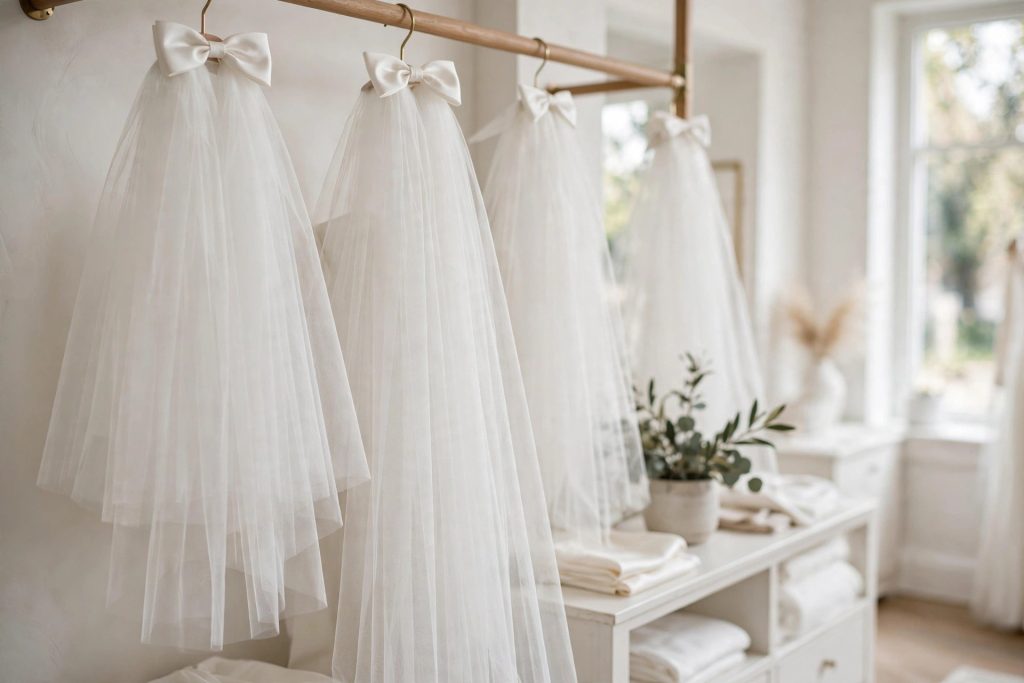
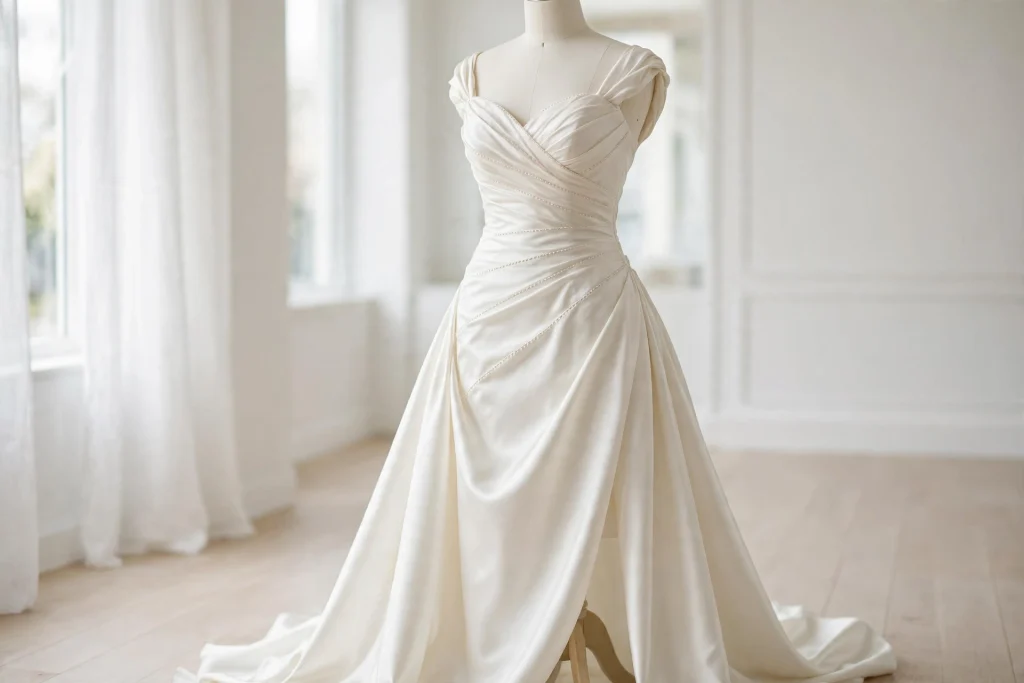
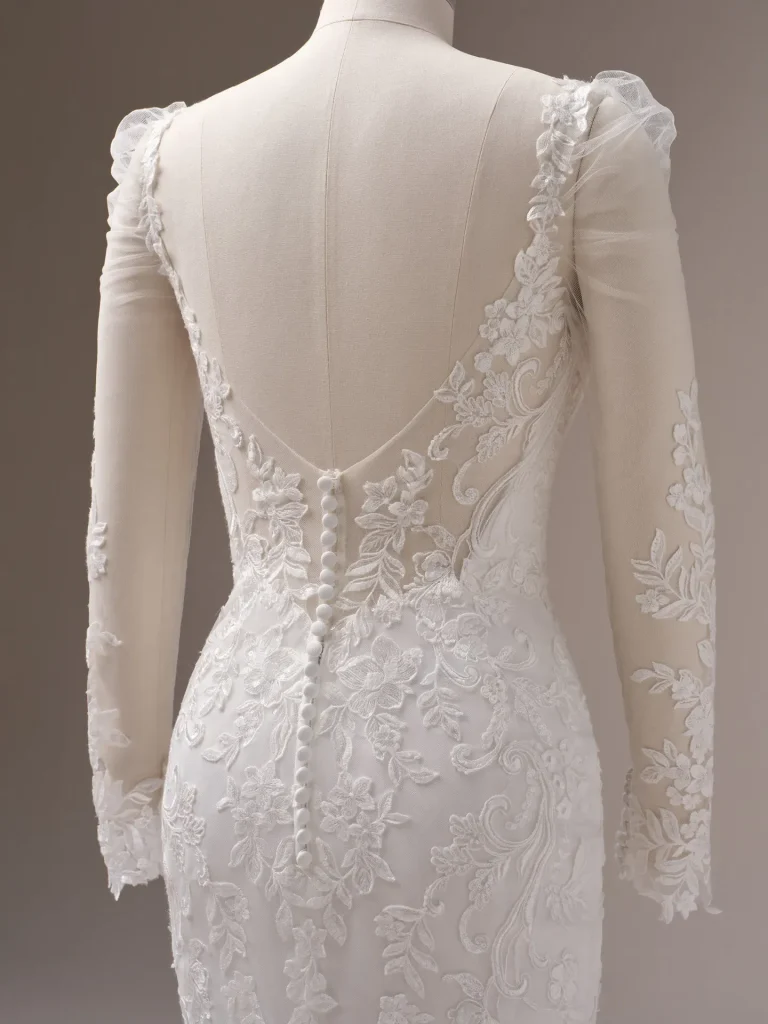
The kit earns its shelf space next to the short tulle veils it rescues, the champagne boho wedding dresses it has mended more than once, and the boho western two-piece gowns whose loose straps fill its work log.
Questions buyers and stores actually ask
Which items in a bridal emergency kit actually get used?
Fashion tape, safety pins in two sizes, pre-threaded needles, stain wipes, blister pads, and small scissors that cut well. These leave almost every kit; most of the remaining count is padding that stays untouched.
Why does kit piece count mislead buyers?
Counts are often built from individually listed small items such as single cotton buds or earring backs. Price the kit by the tools that will plausibly be used, not by the headline number.
Can an emergency kit go stale before the wedding?
Yes. Wipes dry out and tapes and adhesive pads lose grip, especially in warm storage. A deeply discounted kit bought far ahead can arrive at the day with its most useful contents already tired.
Is it cheaper to build a kit or buy one?
Building one costs roughly half the money and about an hour. Buying one pays for that hour and for a pouch that keeps everything together on the morning; judge it on contents and freshness, not count.
The kit from the last wedding is still in the drawer here, tape going quiet at the edges, three pins missing, the good scissors borrowed permanently by the kitchen. It will be replaced by the small one next time, bought fresh, close to the date. That is the whole review, really. The rest was counting.