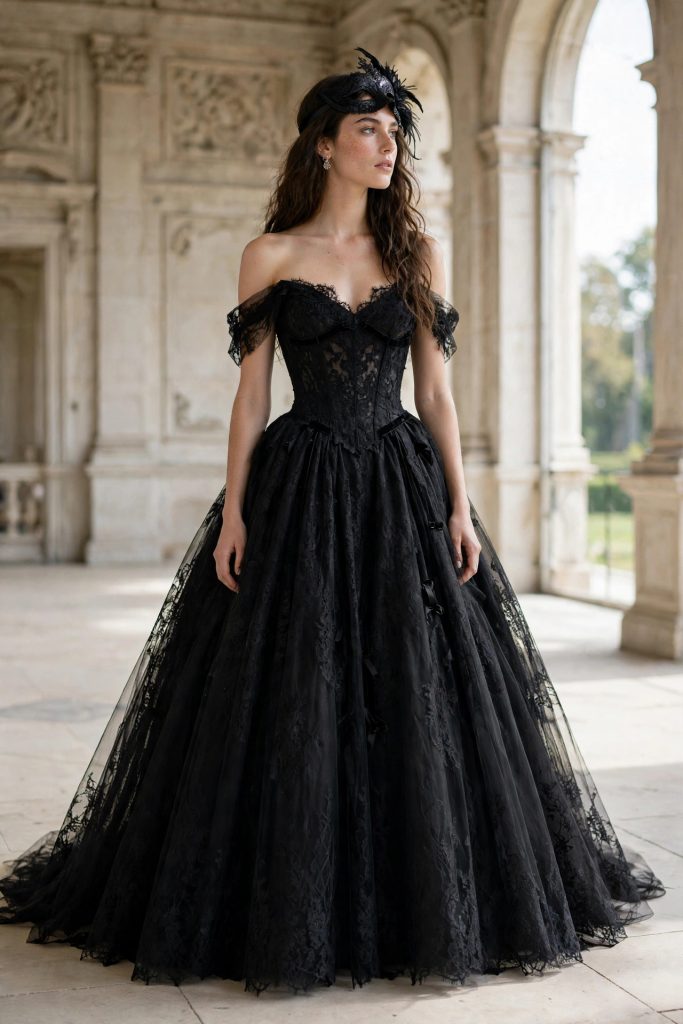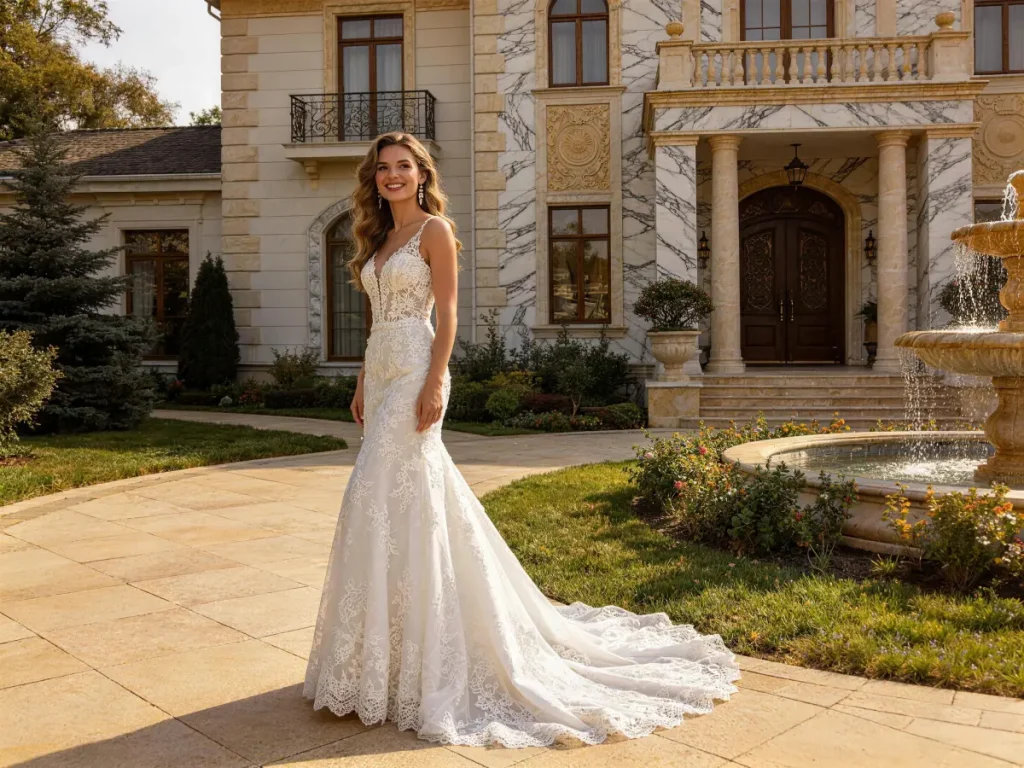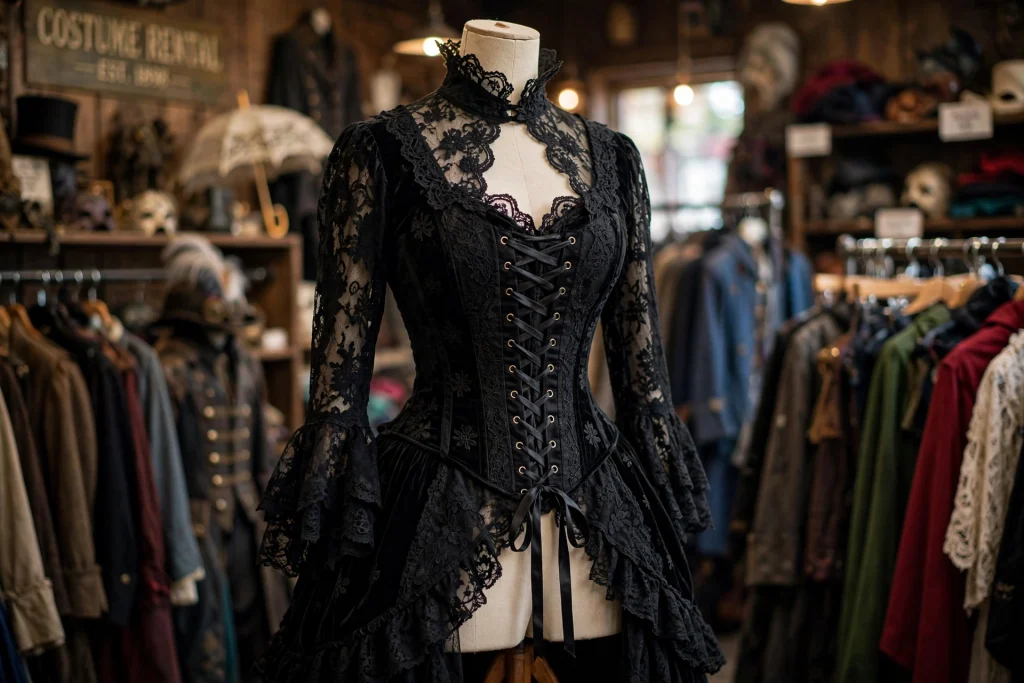
Nobody tells a boutique buyer this about a black satin maxi: the question in the title, is it a wedding dress, is really three questions wearing one dress, and they have different answers. Is it a dress a bride wears? Sometimes, now, in a small and growing corner of the market. Is it a dress a guest wears to a wedding? Constantly, and has been for years. Is it a dress a store can stock once and sell into both arguments? That is the sourcing question, and it is the only one of the three a wholesale price can answer. The PRETTYGARDEN satin maxi in the original review is a ready-made version of the shape: long, draped, dark, inexpensive. A store deciding whether its own version belongs on the wedding rail or the evening rail is deciding which of those three questions its customers will ask, and the dress will be judged by whichever question walks in.
Black is a dye lot before it is a statement
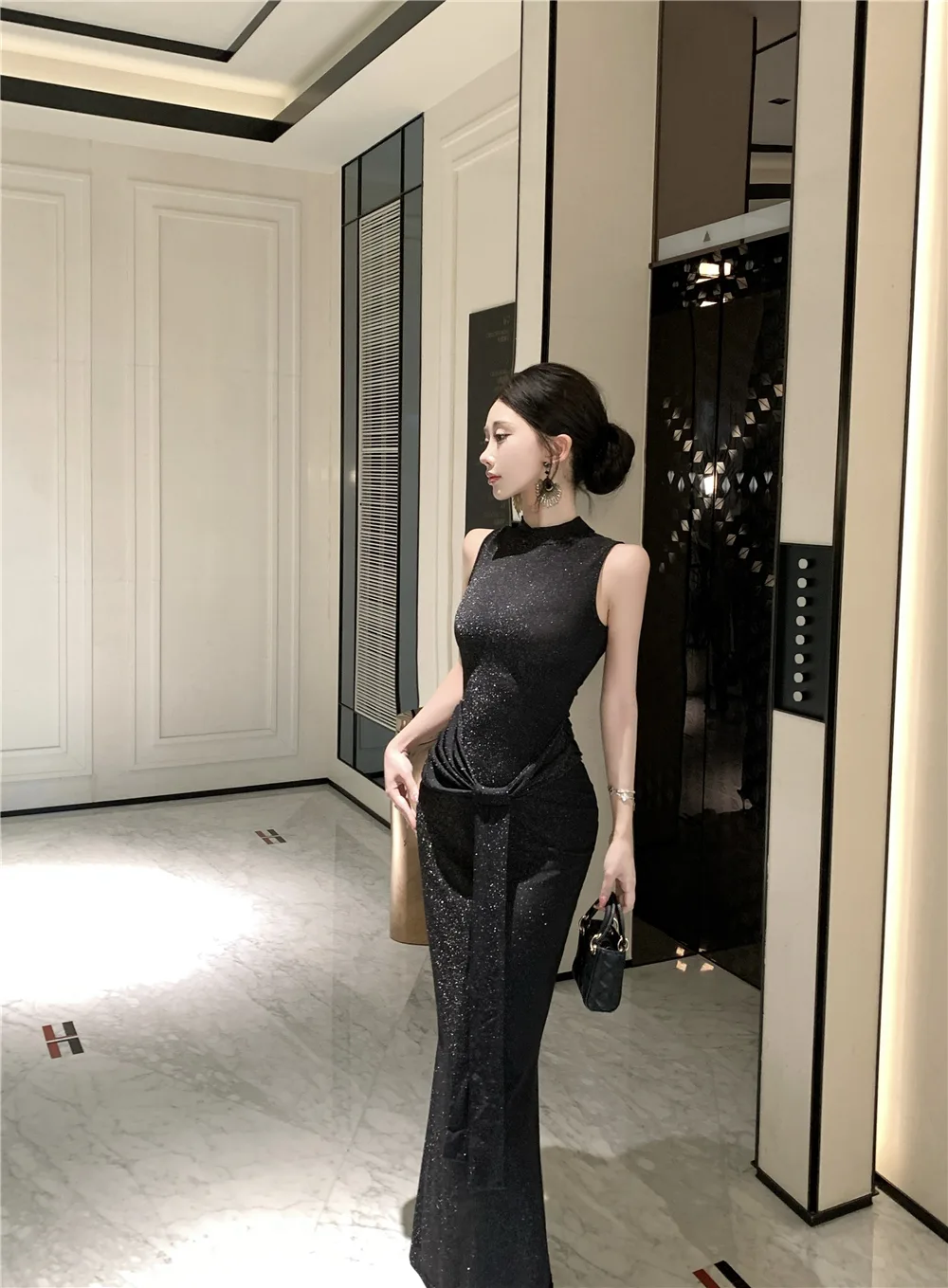
Sourcing reads black differently from shoppers. On the cloth side, black is not one colour but a family of dye bases, blue-leaning, brown-leaning, green at the edge under hard light, and a maxi run that mixes two bases looks matched in the stockroom and mismatched in a line-up photograph. One order, one lot, agreed before cutting: the guard is dull and it is the whole game for group sales. A bridesmaid party in black satin is a bigger commercial fact than the occasional black bridal order, and parties are where the shade discipline pays. A clothing supplier quoting this style for a boutique should be asked the lot question early, because the answer predicts the group photographs better than the silhouette does.
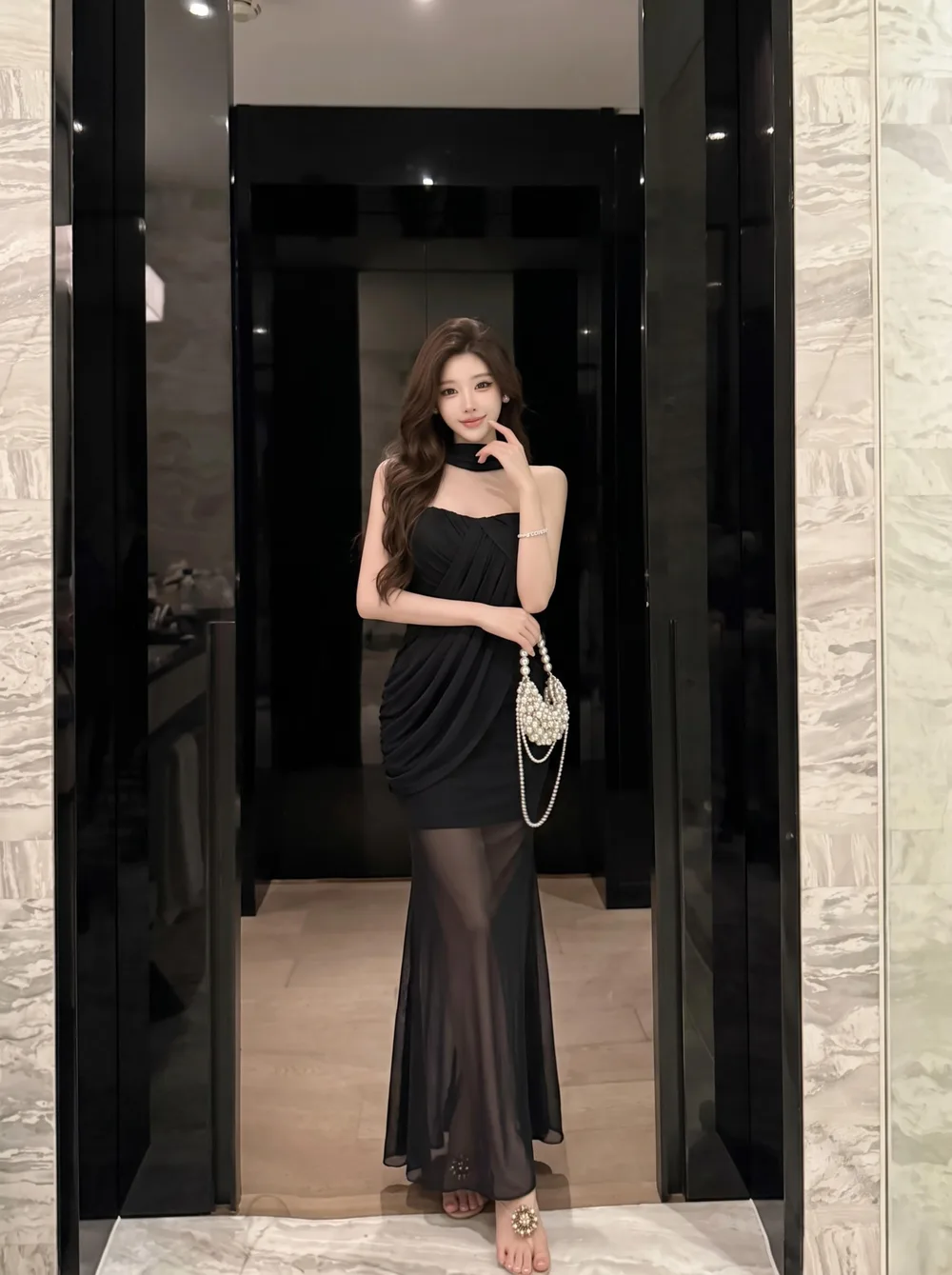
Satin itself splits the range into two dresses that look alike online. A lighter satin drapes softly and creases at the hip by the second hour of sitting; a heavier charmeuse holds its line, photographs richer, and costs more per metre in a way a maxi length multiplies, since a long skirt is most of the cloth in the dress. Buyers comparing quotes for wholesale women’s dresses in this shape learn to ask the cloth weight before the unit price, because the cheaper dress and the dearer one are not the same garment at two prices. They are two garments that share a photograph until the reception. The weight question also settles the freight argument early, since a heavier satin maxi costs more to ship per piece and a store planning a season of them should know that before it falls in love with the cheaper quote’s margin.

Where the store should hang it
The honest answer most stores land on is the evening rail with a wedding door left open. Stocked as an evening maxi, the dress sells steadily to guests, party buyers, and formal dinners, and the bride who wants black finds it without the store having bet its bridal budget on a trend that is still a minority taste in most regions. Stocked as a bridal gown, the same dress waits for a rarer buyer and gets judged against constructed gowns it was never built to compete with. No wait, that undersells one case. In city stores whose customers run younger and whose evening rail already turns fast, a black bridal corner of two or three styles does sell, because those brides arrive asking for it by name. The data a store needs is its own: how often black is asked for as bridal in that shop, not how often it trends elsewhere.
In the sourcing file this black satin range gets costed beside the gothic floral mesh maxi dresses notes, read against the black short sleeve guest dresses fit file, and checked next to the wedding day dress problems and store lessons account, because the same buyer is usually stocking all three arguments at once.
Questions buyers and stores actually ask
A black maxi sold as a wedding dress. Are brides really buying black, or is it mostly guests?
Mostly guests, by a wide margin, with a real but smaller bridal corner behind it. Guest and bridesmaid demand for long black dresses is steady across seasons. Bridal black is growing in city markets and younger age groups, and it arrives as a deliberate request rather than a browse. A store stocking for the steady demand and serving the bridal requests from the same rail covers both without betting on either.
Two quotes for a black satin maxi, far apart. Same photograph. What is the store actually choosing between?
Usually the cloth weight and the lot discipline. A heavier satin holds a maxi line through a long evening and costs more per dress at this length, and a run held to one dye lot protects group sales. The cheaper quote often spends neither. Asking each dress supplier for the satin weight and the lot policy separates the quotes faster than arguing the price down.
Six bridesmaids in black satin, ordered in two batches. What goes wrong in the photographs?
The shade splits. Black dye bases lean blue or brown, and two batches cut weeks apart can carry different bases that match in a stockroom and part company under venue light and camera flash. One bulk order, one lot, sizes in a single tech pack is the standing guard, and it has to be requested, because a busy cutting room will split a run without mentioning it.
For a garment factory, the style is a friendly one to produce under a private label: a long draped shape, few fittings to argue about, a size run that behaves. The trial order logic holds here too. Ten pieces per style, spread across sizes and held to one dye lot, teaches a store whether its black maxi buyer is a guest, a bridesmaid party, or the occasional bride, and the reorder then follows the answer instead of the argument. The dress was never really in dispute. The rail it hangs on was, and rails, unlike dresses, can be changed in an afternoon once the store knows who is actually buying.