A Black Friday wedding maxi looks like a bargain wearing a long skirt. On a cost sheet it is something else. Its discount was decided months before the sale, in a fabric order, a sewing slot, and a deposit schedule nobody shopping that weekend will ever see. I handle the money side of orders like this, deposits in, balances out, and every November the question is the same. Where did the discount actually come from? One of three places, and only one of them is the factory being generous.
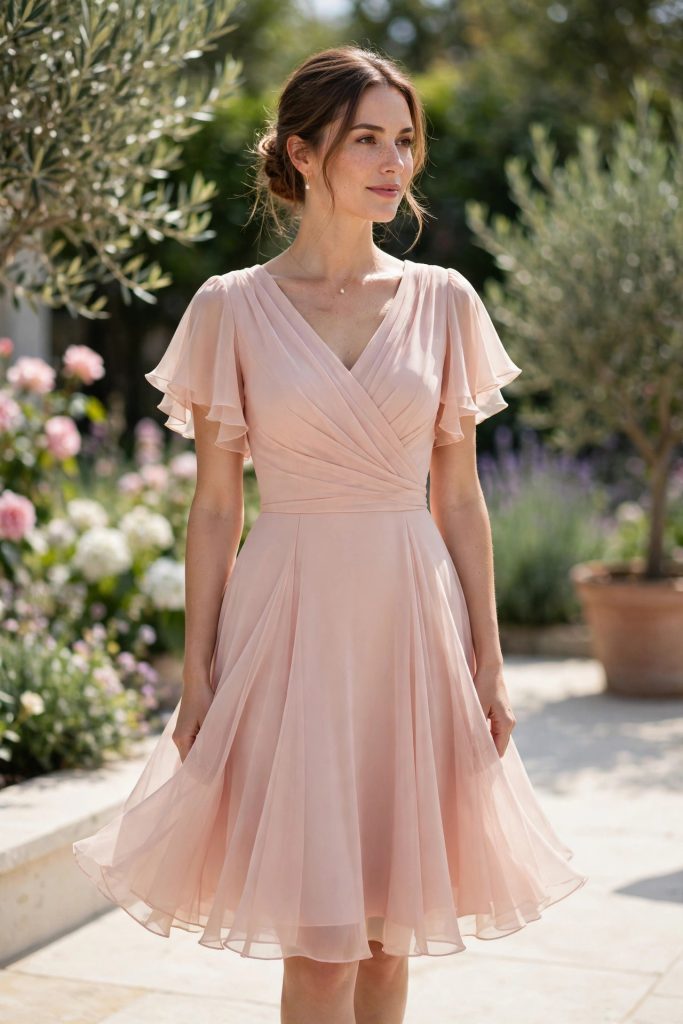
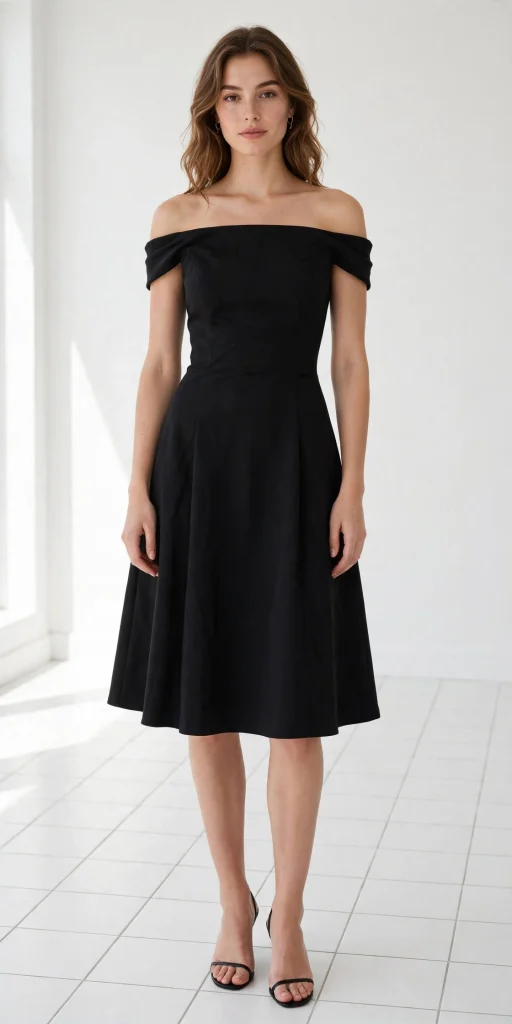
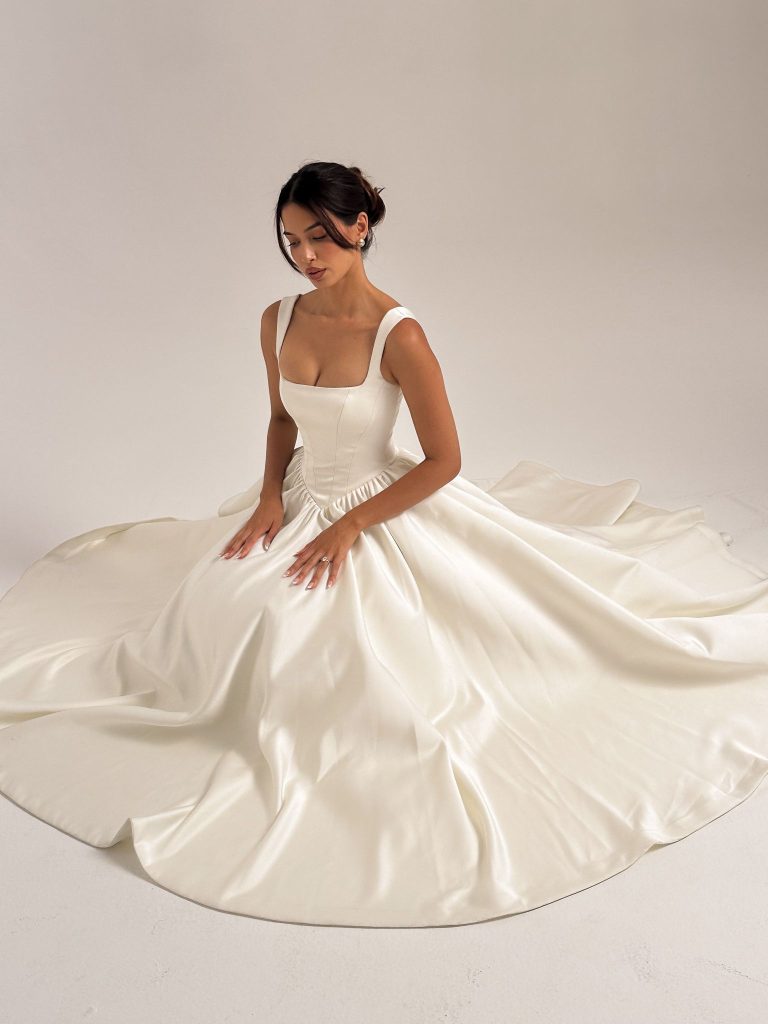
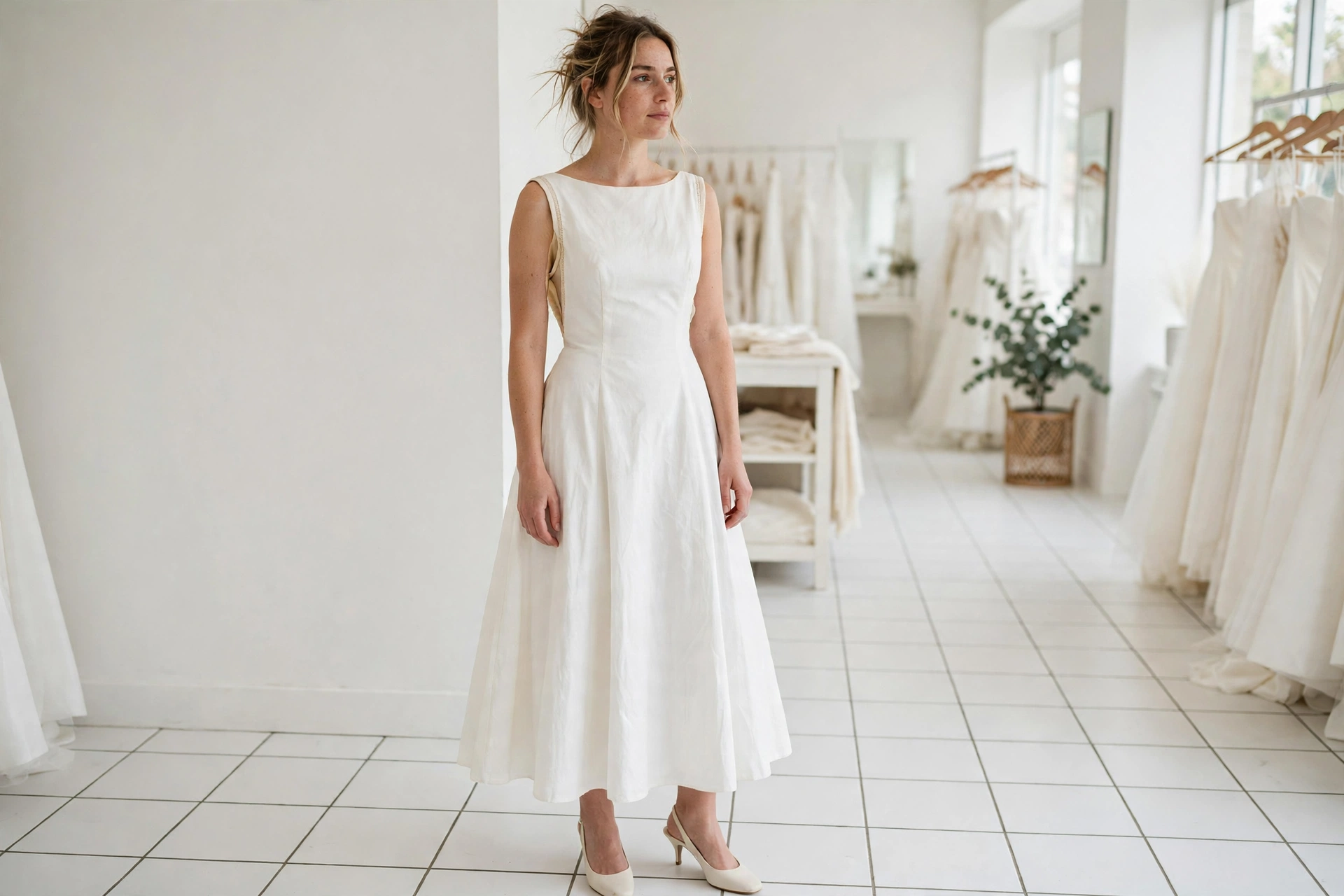
The dress under the discount is a floor length wedding maxi, soft skirt, simple bodice, the sort of gown a bride with a small ceremony buys without wanting a train following her around. It photographs plainly and wears well, which is exactly why it gets chosen for promotions. A clean maxi can be discounted further, because its cost sits in fewer, larger pieces that can be planned and scheduled into quiet weeks on the line.
Three places a discount can hide
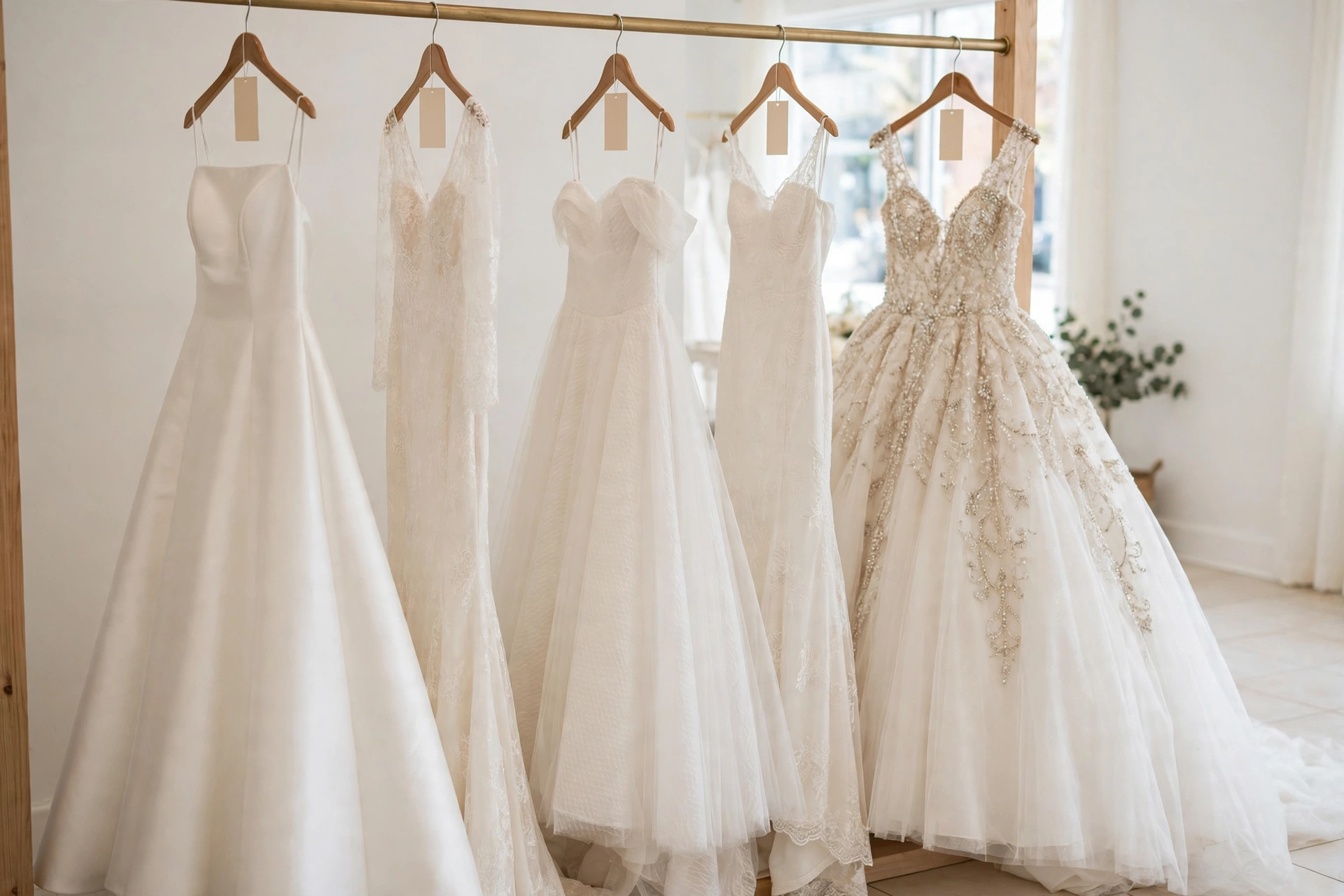
The first place is timing. A garment factory with an empty slot in a slow month will price work to fill it, and a store that ordered during that lull genuinely paid less per piece. That discount is real. The second place is specification drift. The promotional run quietly uses a lining one grade down, a zip one grade down, fewer minutes at the pressing table. The dress still looks right in a photo. It feels different in the hand, and the store finds out which version it bought when the first bride comes back with a seam complaint in February.
The third place is the deposit. A buyer who pays a larger share early takes risk off the factory, and some of that saving comes back in the unit price. The usual split, roughly a third up front and the rest before shipping, already carries a quiet risk charge inside the price. Orders on thinner deposits walk away far more often, something like three times more in the ledgers I have seen, and factories price that in whether they admit it or not.
What the balance payment has to do with a hem
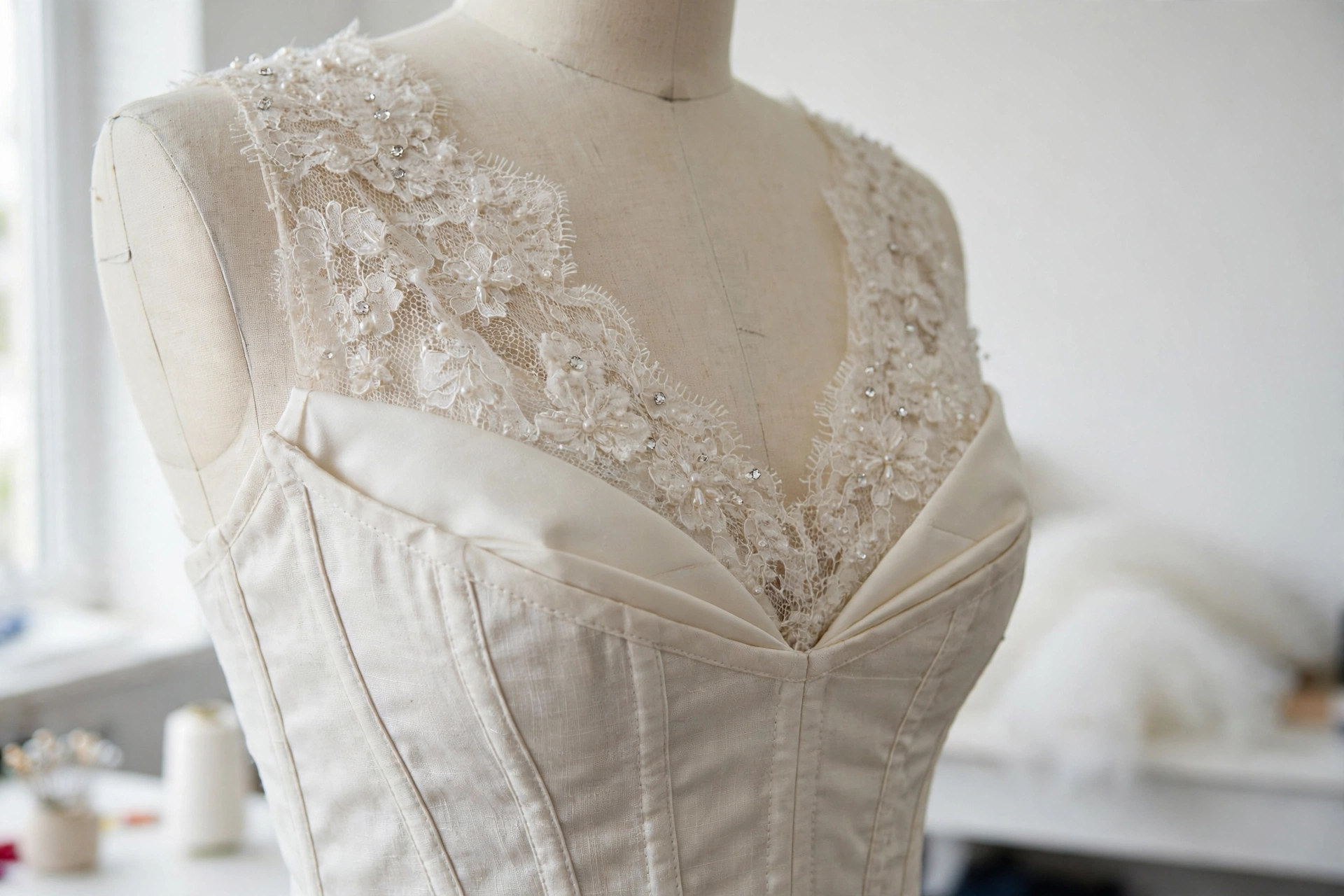
Buyers treat the payment schedule and the dress as separate subjects. They are not. A balance held back until inspection gives the store one real moment of say, when a lining grade or a zip grade can still be checked against the sample before the money leaves. Once the balance is gone, a specification argument becomes a favor request. For a wedding dress manufacturer running a promotional line, that inspection window is also where honest factories separate themselves, because they know the run was priced tight and they would rather argue about a lining in November than about a refund in February.
No wait. I keep describing this as if the risk sits mostly with the store. It does not. The factory carries the fabric bill for the whole run before the balance arrives, and a maxi skirt eats fabric in a way a short dress never does. One cancelled promotional order can leave a workshop holding hundreds of meters of ivory cloth bought for a single customer. That is why deposit terms harden every autumn, and why a store that has paid cleanly for two seasons gets the good slot and the softer price while a new account gets neither.
Reading a promotional quote like a lender
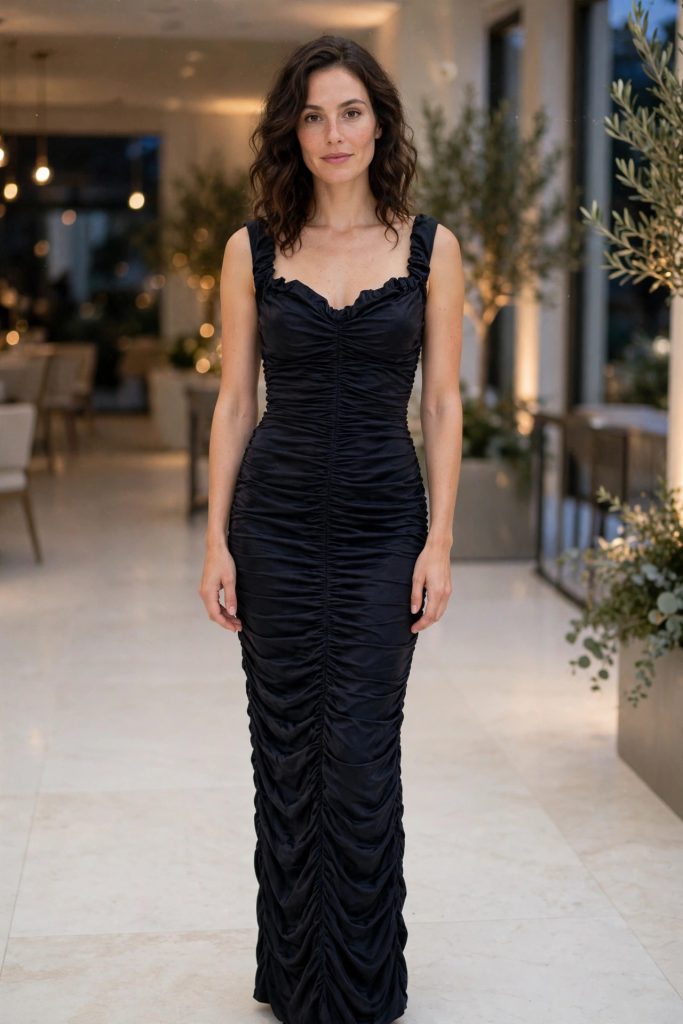
Money questions travel with the goods, so the double-layer veil handling notes covers a small item whose price is mostly handling, the two-calendar formal dress case shows the same dress read by the freight side instead of the ledger side, and the ruched floral maxi review looks at a guest maxi where specification drift shows up in the ruching first.
Questions buyers and stores actually ask
A Black Friday gown at 40 percent off. Which corner was cut to pay for that?
Usually none that you can see in a photograph. The honest version of that discount comes from a slow-month sewing slot booked months ahead. The dishonest version comes from a lining grade, a zip grade, and pressing minutes quietly removed. Hold the bulk dress next to the sample in daylight and check those three things with your hands before the balance goes out. If they match, you bought timing. If they do not, you bought a cheaper dress, and February is when that becomes clear.
Thirty percent down and the rest before shipping. Why does a factory care so much about the split?
Because the split decides who funds the fabric while the dresses are being made, and for a long maxi that funding is not small. A store paying a thin deposit can walk away cheaply, and factories remember which accounts did. The price gap between two quotes for the same dress is very often this risk, priced in silently. Pay a fair deposit on time, twice, and the third quote tends to improve without anyone announcing why.
Ten pieces per style as a first order on a promotional gown. Sensible, or a trap for both sides?
It is sensible as a fit and specification test and poor as a price test. A trial order carries the setup costs of the full run spread across very few dresses, so its per-piece number tells you little about bulk pricing. What ten pieces do tell you is whether the sample specification survives contact with the line and whether this wedding dress factory ships what it sampled. Judge the trial on that. Judge the price later, on volume you actually intend to buy.
The sample was beautiful and the bulk feels lighter. What is the first thing to check before paying the balance?
The lining, before anything else, because it is the easiest substitution to make and the hardest to spot from a photograph. Turn the dress inside out and compare lining weight and zip against the sample side by side. Do it while the balance is still yours to hold, since that is the only moment the conversation has weight behind it. I would rather have that awkward inspection than the refund discussion two months later, and so would most factories.
Reorder pricing after the sale ends. Why does the same dress cost more in January?
Because the January price no longer contains the slow slot or the promotional planning that built the November number. The dress is the same and the circumstances are not, and the unit price was always mostly circumstances. Stores expecting to reorder do better to agree reorder terms while the first order is being placed. Asking in November, in writing, sometimes gets the promotional logic carried forward one more run, though I would not count on it twice.
When a store shows me a promotional quote for a gown like this, I look for what is missing before I look at the number. Is the lining named or just implied? Is the sample the same specification as the bulk? Does the quote say when the balance falls due? A cheap quote with those answers written down is usually a better buy than a cheaper quote with none of them.