A hooded cloak is the strangest item on a bridal production schedule. It is not a gown. It is not really an accessory either, because it covers more of the bride than the dress bodice does, and in the photographs — the outdoor ones, the windy ones, the ones that end up framed — it is often the first thing anyone sees. Factories still tend to schedule it like an afterthought, sewn from leftover lace at the end of the gown order. That is how a store ends up with beautiful dresses and cloaks that look borrowed from a different wedding.
The production question that decides everything is where the applique goes. On a gown, applique placement follows the body: waist, bodice, hip. On a cloak there is no body to follow, only movement. The lace has to read while the fabric is hanging still on a rail, while it is thrown over shoulders, and while it is trailing behind a walking bride, and those are three different garments as far as the eye is concerned. The pattern maker who understands that puts the heavy applique at the hood edge and the front opening — the frame of the face — and lets the back panel breathe.
The hood is a structure, not a decoration
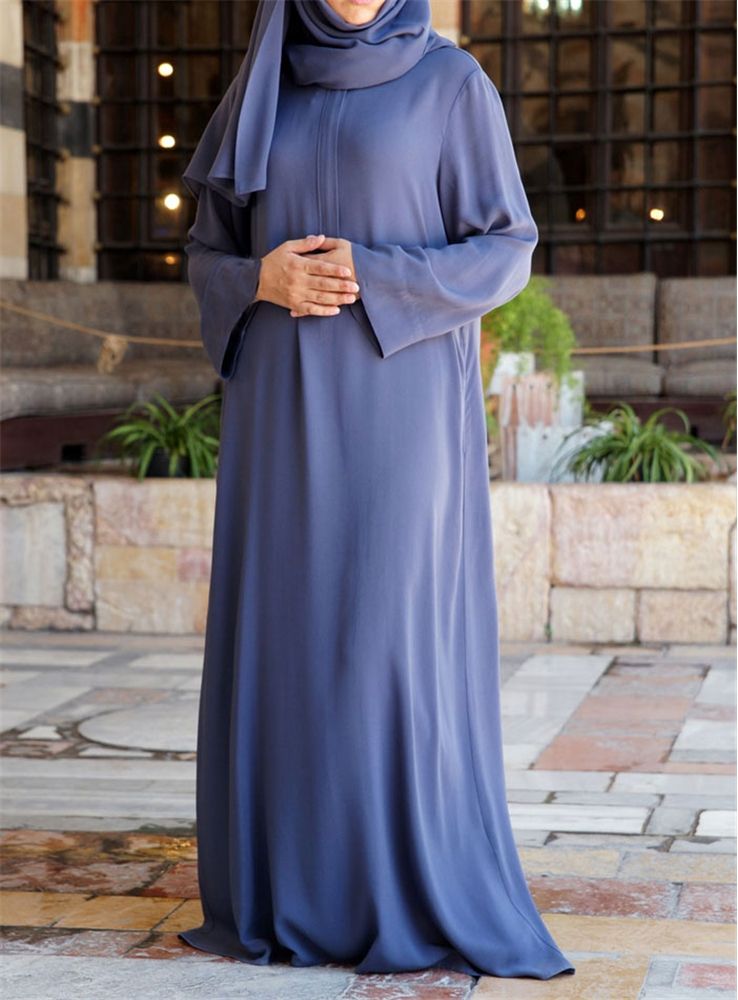
A hood that collapses is worse than no hood. It needs enough body at the front edge to hold an oval around the face through a whole ceremony, which usually means a light interfacing or a wired edge on better versions, and it needs to do that without feeling like a helmet. On the sample bench the test is crude and effective: the cloak goes on a stand, somebody fans it, walks around it, bumps it. If the hood folds flat against the head at the first movement, the bulk order will fold flat on forty brides.
Attachment is the second structural decision. Tie closures photograph soft and fail in wind. A hidden hook or a single covered button at the throat holds the cloak where it was placed, and the bride stops managing it with her hands, which is the real luxury being sold. Stores should ask which closure the sample carries and refuse silent substitutions, because a factory that swaps a hook for ribbon ties mid-order has changed the garment, whatever the invoice says.
Lace matching across two separate orders
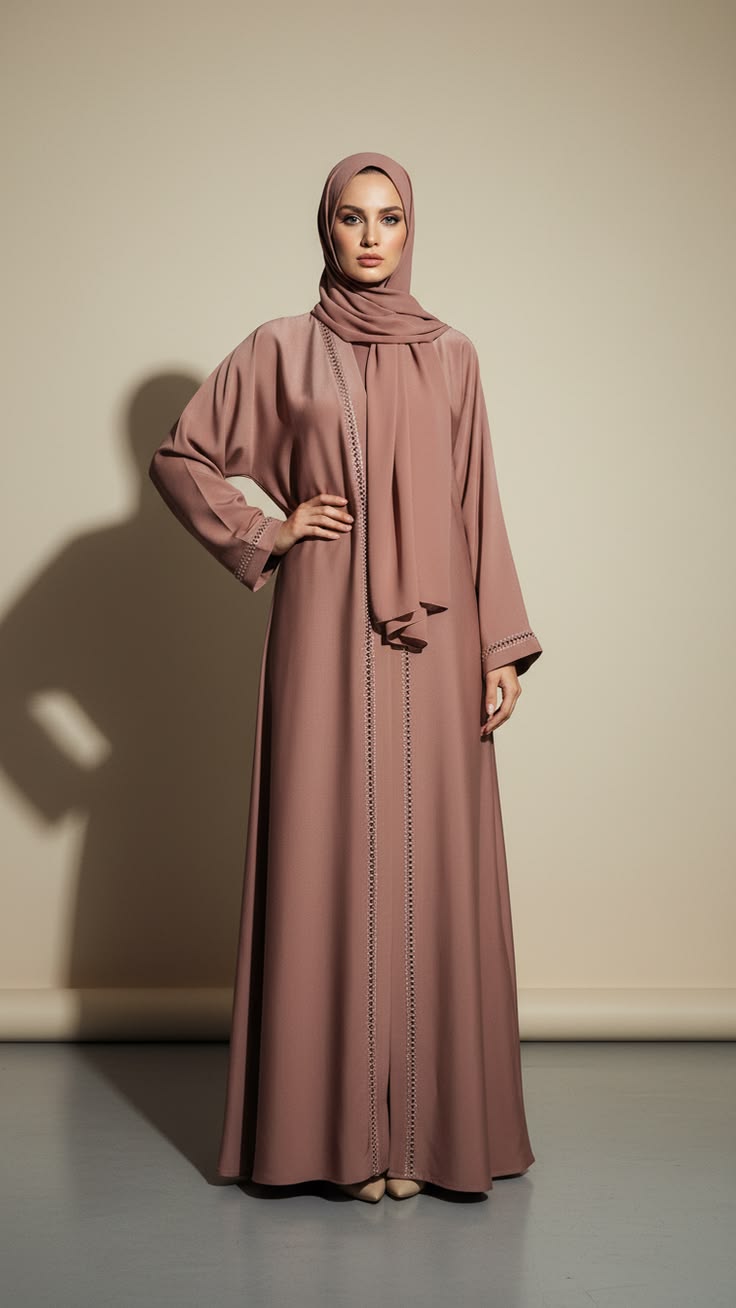
Cloaks are often ordered weeks after the gowns, sometimes from a different production slot entirely, and that is where the colour problem starts. The cloak lace and the gown lace may share a name and a supplier code and still arrive a half-shade apart, ivory against a cooler white, and the difference that nobody noticed on separate rails becomes obvious the moment the two pieces touch at the shoulder. The discipline that prevents it is boring: one lace lot reserved for both orders, a cutting of that lot stapled to both POs, and a photograph of cloak-over-gown taken before the bulk is packed, not after.
Applique motifs raise the same issue in miniature. A floral motif that reads elegant at gown scale can look sparse when it is spread across a cloak back, and dense when it is crowded into a hood. Scaling the motif is a design decision somebody has to make on purpose. Left to the line, the line will use the gown motif exactly as it comes, because changing it costs time, and the store will discover the decision in the product photos.
What the per-unit price is actually buying
A lace cloak looks like cheap production — no boning, no zip, no lining through most of the body — and the handwork says otherwise. Applique has to be cut out, positioned and re-stitched onto net by hand, and a hood edge finished so it does not scratch a bare neck. When two quotes for the same cloak differ wildly, the difference is almost never the net. It is the applique hours, and the honest way to compare quotes is to ask each factory how many applique pieces sit on the hood and front, and count them on the samples when they land.
Stores comparing coverage pieces can start with our winter wedding cape breakdown for the seasonal version of this same problem, and the gothic black lace gown and cathedral veil review when the bride wants lace drama without a full lace gown.
Questions buyers and stores actually ask
Does a hooded cloak replace a veil in a wholesale order?
Sometimes, and the order form should say which one the bride actually chose. A hood gives the head coverage in photographs while the shoulders stay bare in a way a veil does not, and brides who dislike anything pinned into their hair pick the cloak for that reason alone. Stock both if your market does outdoor ceremonies; treat them as substitutes only when the customer confirms it in writing.
How should applique density be specified on a cloak PO?
By zone, not by adjective. Hood edge, shoulder line and front opening carry the visible applique; the back panel can run lighter without hurting the look. Write the zones into the PO with a sealed sample photograph, because "fully appliqued" from one factory means edge-only from another, and the price gap between the two readings is where disputes are born.
What lining keeps a lace cloak from catching on the gown?
A smooth, low-friction lining in the hood and shoulder area, with the lace left unlined only where it is meant to float. Unlined lace over a beaded bodice snags on the first hug, and the snag always happens in the receiving line, in front of everyone. Stores should test the sample cloak over their most textured gown before approving the bulk run.
What sizes should a store stock for bridal cloaks?
Length matters more than the size letter. One-size cloaks fail at the floor: a cloak that pools on a short bride reads as a costume, and one that ends mid-calf on a tall bride reads as a mistake. Two lengths, roughly knee and floor, cover most of the demand curve, and the length split should be visible on the product page, not buried in a chart.
None of this shows up in a thumbnail. Which is rather the point of stocking the category at all: a cloak is a high-margin, low-fit-risk piece — no size curve to speak of, no alterations queue — whose quality is decided entirely by three or four production choices made before the first bulk metre is cut. Stores that specify those choices get a signature piece. Stores that order "a lace cloak, ivory" get whatever the line felt like making that week, and the returns, when they come, will all use the same word. Costume. The sample that avoids that word is still pinned above the bench, hood up, waiting to see whether the second production run holds its shape as well as the first one did.