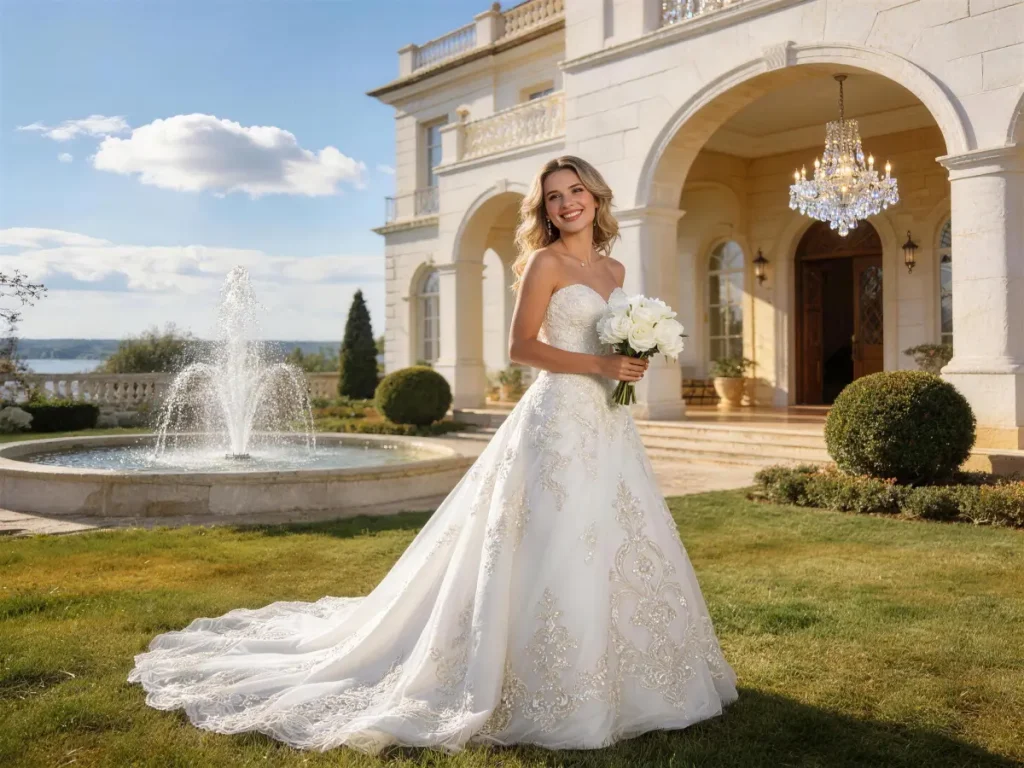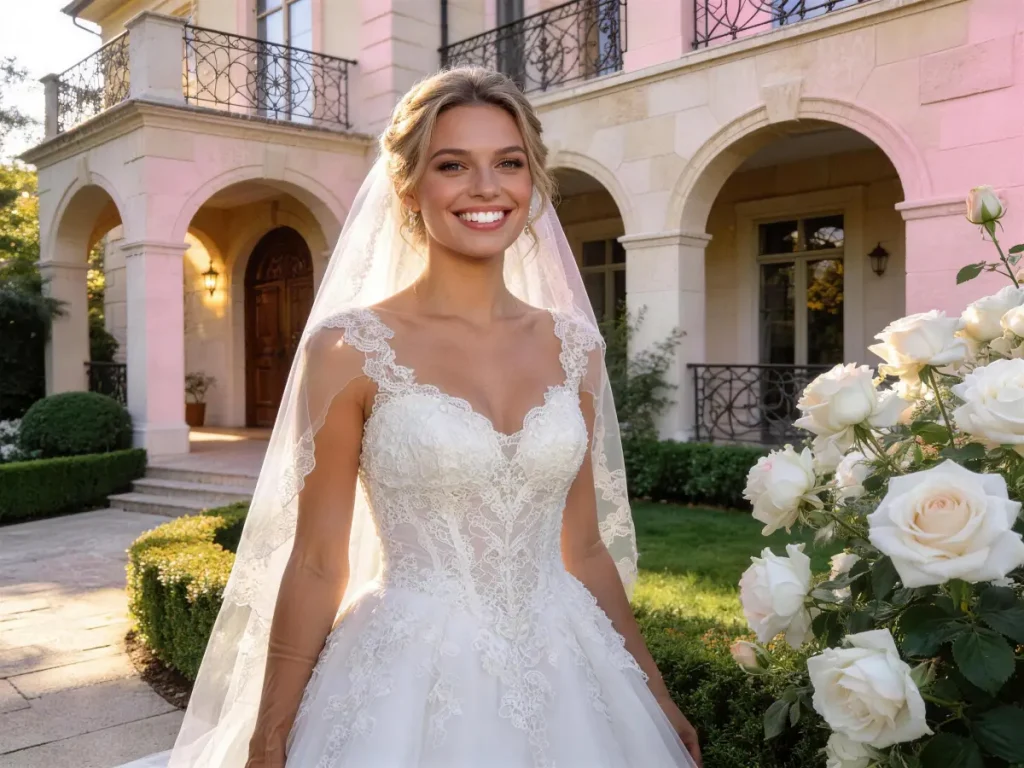
It started with one cold church. A winter wedding, a strapless dress chosen in a warm shop in September, and a wrap bought in a hurry in December to stand between the bride’s shoulders and a stone building that had not been warm since it was built. The PULI pashmina-style shawl wraps reviewed here live in that hurry. They are the garment nobody plans and everybody photographs, and the money side of the trade has watched the same small drama repeat every winter: a modest ticket, a desperate timetable, and a piece of cloth asked to rescue an outfit it was never introduced to.
A wrap is bought as insurance and judged as clothing
That split is the whole economics of the category. As insurance, the wrap is worth almost anything on the day; an uncovered bride in a cold venue will pay a foolish price and thank the seller. As clothing, which is how it gets reviewed a week later, the same wrap is a plain rectangle of woven cloth compared against every wrap the reviewer has ever owned. Sellers who price it as insurance and make it as an afterthought harvest exactly the reviews that behaviour earns. The repeat sellers in this category do the opposite trade. They make it as clothing, soft hand, clean fringe, edges that do not shed onto a dark dress, and let the insurance value be the buyer’s own discovery on the day.
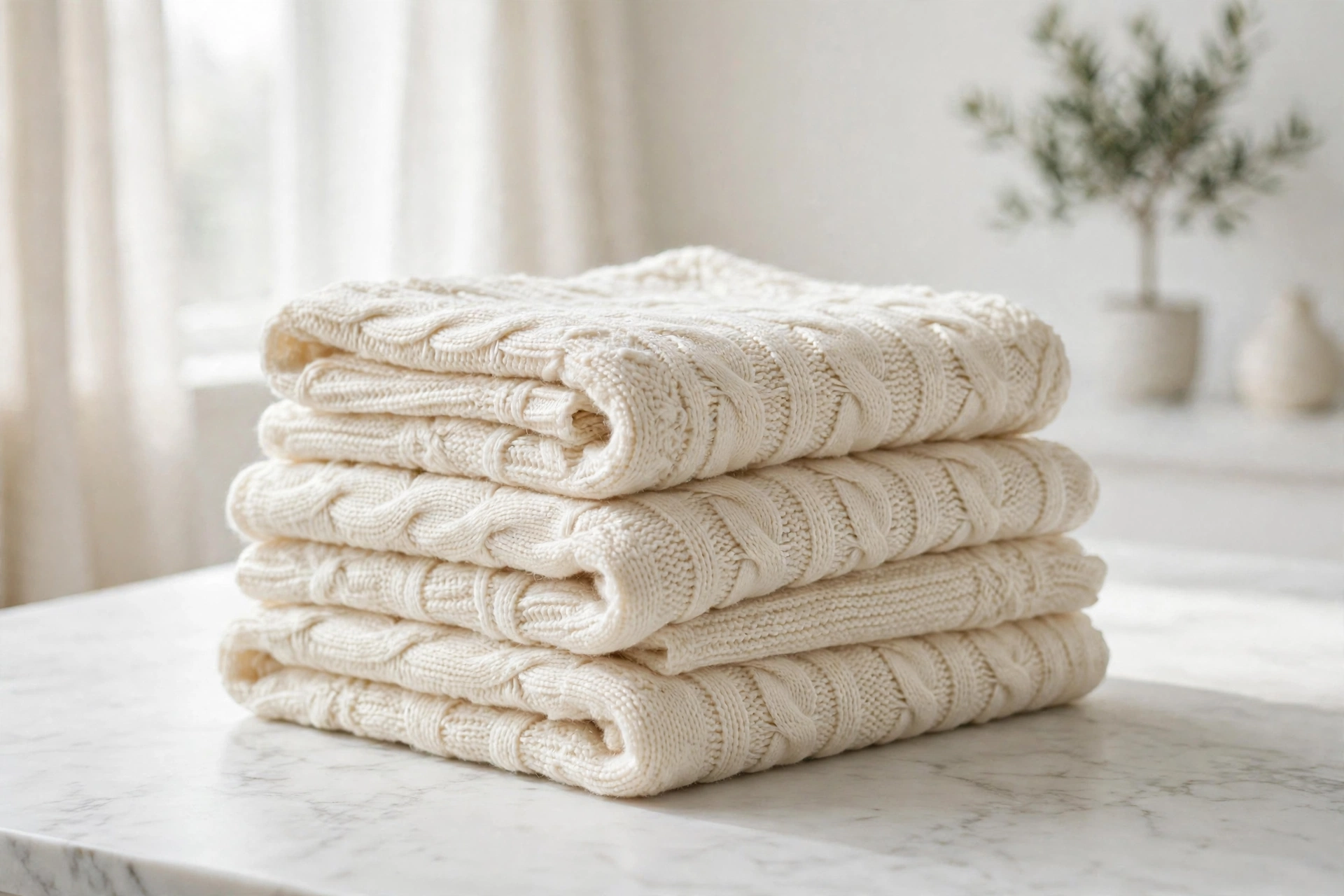
Fibre naming is where the money hides. Pashmina names a fine goat wool, and the wraps sold at party prices under that word are blends, often mostly synthetic, sometimes with a little wool doing the talking on the label. A blend is not a scandal; a good acrylic-viscose wrap is warm, light, and kind to a budget. The scandal is only in the gap between the word and the cloth, because the buyer cares for the wrap as the label instructs, and a hot wash that a true wool wrap would forgive can glaze a synthetic one into cardboard. Care instructions written for the named fibre rather than the real one are this category’s quietest defect.
The small faults that repeat every winter
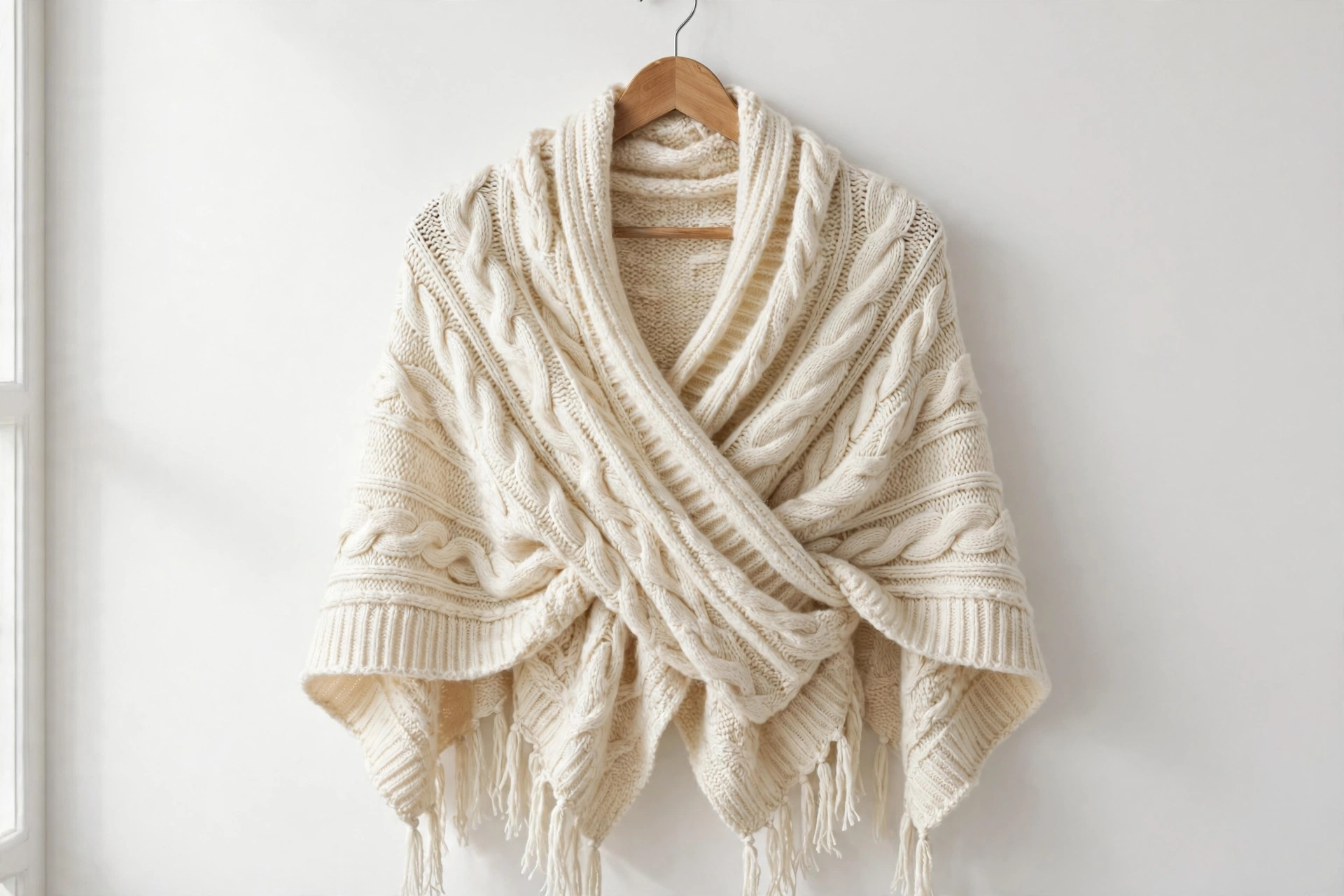
Shedding comes first. A loosely woven wrap leaves its fibres on the garment under it, and when that garment is a black dress the wrap has decorated the very outfit it was bought to complete. Twist and fringe come next, because a wrap is stored folded, shipped folded, and expected to drape like water the moment it is shaken out; cheap weaving holds the fold lines like a grudge. Then there is size honesty. A wrap sold by generous words rather than centimetres arrives as a scarf with ambitions, and on a cold shoulder the difference between a wrap and a scarf is not a nuance. It is the product.
Colour drift finishes the list. Ivory wraps are bought against ivory dresses they have never met, from dye lots that have never met either, and winter light is unkind to near-matches. No wait, winter light is honest, which is worse. It shows the half-shade that the shop’s warm lighting agreed to ignore, and the photograph keeps it.
What a store should do with a wrap range
Sell it beside the dresses it rescues, matched against those dresses in daylight before the season starts, and write the size in centimetres on the ticket where the buyer can argue with it. Stock it early, because the December buyer is not browsing, she is extinguishing a problem, and a sold-out wrap rail in December is margin left standing in the cold. And read the fibre label like a contract: if the cloth is a blend, the words should say blend, in type the same size as the promise.
The money desk plans wrap stock with the bridal wedding survival kits basket, prices it against the lace vintage evening dresses rail, and watches the floral boho maxi dresses file for what the same customer does when the weather turns and the wrap becomes the outfit.
Questions buyers and stores actually ask
Is a party-price pashmina wrap real pashmina?
Almost never in the strict sense. True pashmina is fine goat wool and costs accordingly; party-price wraps are blends, often mostly synthetic with some wool or viscose. A good blend is warm and light, but the label and care advice should describe the cloth that is actually in the box.
Why does a new wrap shed fibres over a dark dress?
Loose weaving. A lightly woven wrap releases fibres onto whatever it touches, and black cloth shows every one. A tighter weave and a shake-and-brush check over a dark surface before the event are the usual guards.
How big should a formal wrap actually be?
Big enough to cross the shoulders and stay there, which in practice means reading the centimetres rather than the product words. Wraps and scarves are sold in overlapping language, and the difference only shows on a cold shoulder, so measure the ticket against the dress it must cover.
Why does an ivory wrap look wrong against an ivory dress?
Two dye lots that never met. Ivory is a family of warm shades, and winter daylight shows a half-shade difference that warm shop lighting hides. Match wrap and dress together in daylight before the day, not separately in two shops.
When should a store stock winter wraps?
Before the cold does the selling. By December the buyer is solving an emergency rather than choosing, so an early, daylight-matched rail beside the formal dresses captures the sale and prevents the mismatch returns that follow a hurried one.
The bride in the cold church kept her wrap, in the end, and wears it still, which puts her ahead of the category average. Somewhere there is a version of that evening where the wrap shed, or glazed, or arrived the size of a scarf, and the dress takes the blame in the photographs forever. The wrap trade lives in the distance between those two evenings, and it is a shorter distance than the price tags suggest.