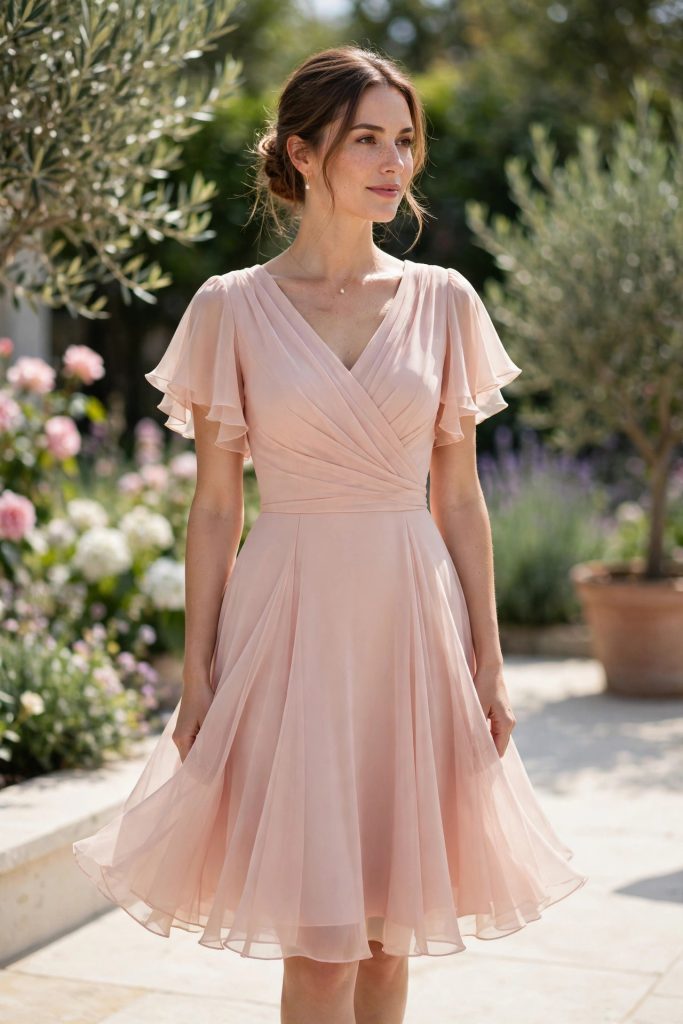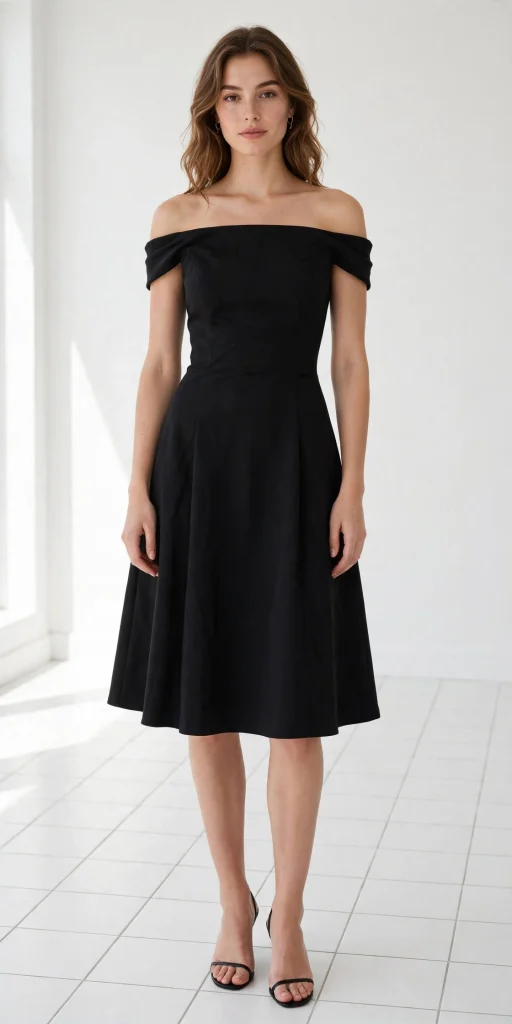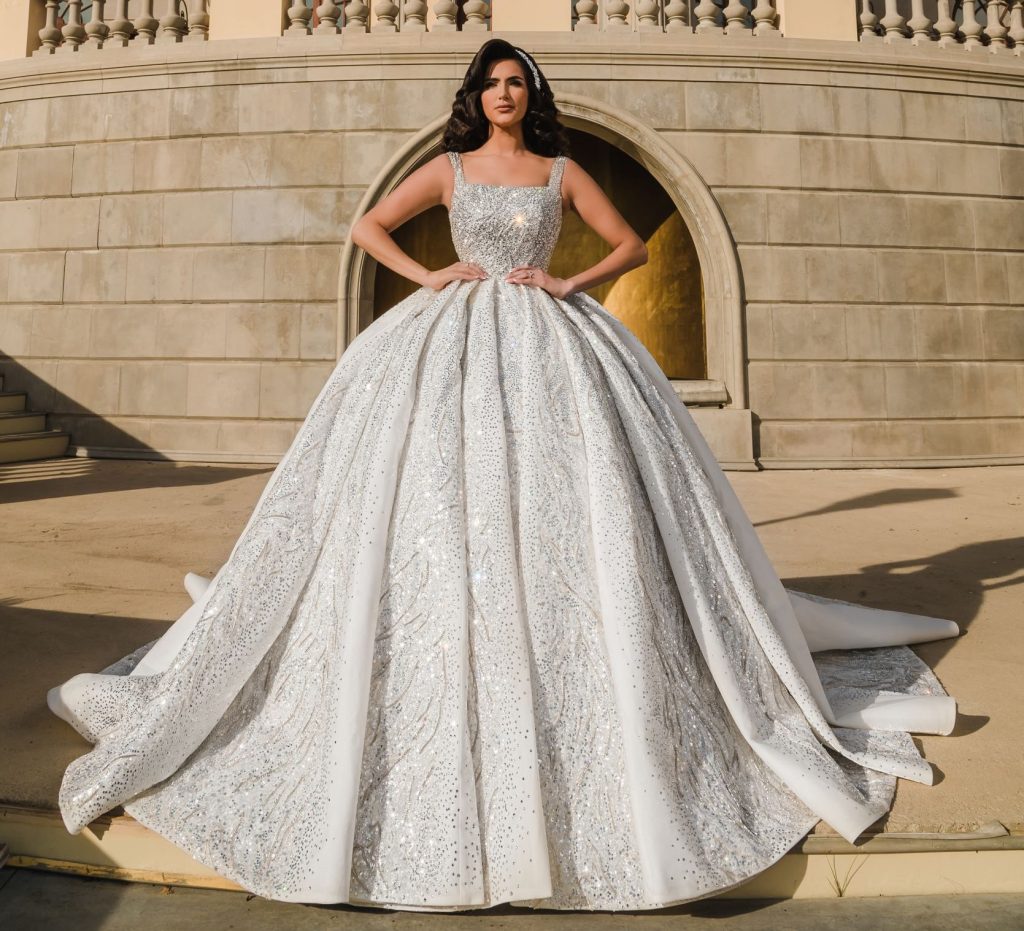
Dear November buyer. You are purchasing a summer dress in the coldest buying week of the year, at a discount, for a wedding that has not happened yet, on a beach you may not have stood on. This review of the short lace boho beach bridal gown, written as a Black Friday sale reading, is addressed to you because the calendar is the dress’s first problem and its best bargain at once. Bought in the sale, the gown costs less and waits longer, and everything that goes right or wrong with it tends to happen during the waiting rather than during the wearing.
Beach lace has a working life, not just a look
Boho beach lace is chosen for air and movement: open motifs, a lighter ground, sleeves that bell in the wind. On sand that lightness earns its keep. The same openness collects what a beach offers, fine sand in the hem, salt air through the ceremony, sunscreen handled with the same hands that adjust the skirt. None of that is a defect. It is the fabric doing the job it was picked for, in the place it was picked for. The wearers who write warmly about this style tend to describe the dress moving. The unhappy ones tend to describe the dress afterward, in the hotel room, which is a cleaning and packing story wearing a review’s clothes.

Length does quiet work here too. Short is a practical answer to sand and shallow water, and it changes the gown’s formality more than buyers expect from the photographs. A short lace dress at a beach ceremony reads relaxed by design; the same dress moved indoors to an evening reception reads shorter than the bride planned, because the room changed around it. Sale buying, done months ahead, is often buying for a venue still being argued about, and the hem is where that argument lands in June.
The sale discount and the specification are separate questions

A deep November discount on a beach gown is not, by itself, a warning. The style is out of season, warehouse space has a price, and a store clearing summer stock in winter is doing ordinary calendar arithmetic. The question worth asking is what the discount was taken out of. Lace grade, lining length, and the finishing at the hem are the quiet lines where a cheaper run differs from the full-price one while sharing its photographs. Ask whether the sale gown is the same run as the summer stock or a run made for the sale. Both answers can be honest. Only one of them describes the dress in the summer reviews.
Storage is the other half of the sale bargain. A gown bought in November for June spends half a year somewhere: a wardrobe, a box, a spare room. Hung by its loops rather than its shoulders, kept away from direct light, and left unsealed in plastic, lace comes out of storage as it went in. Folded hard into a small box, it comes out with crease lines across the motifs and a faint shut-up smell that airing fixes slowly. Add the fit risk, honestly: six months is long enough for a body to change its mind about a size, and a sale gown with a short returns window makes that the buyer’s arithmetic rather than the store’s.
What a store checks when the sale cartons land
For the trade side, the November beach gown is a forward order dressed as a clearance. Stores do well to check the first carton the way they would check a summer delivery: lace motif matched across the front, lining sitting where the specification puts it, hem finished rather than merely cut. Garment QC on a sale run matters more, not less, because the price has already told the buyer a story and the dress has to argue with it. A boutique planning a wholesale reorder for the next beach season should write the lace and lining standard into the order while the sale stock is on the table to compare against, not from memory in February.
This letter is filed with the summer beach wedding dresses summer stock sheet, the short off-shoulder satin bridal gowns fitting notes, and the tailored lace mermaid bridal gowns lace file, because a beach gown bought in November has to survive all three conversations before June.

Questions buyers and stores actually ask
Is a Black Friday beach gown the same dress as the full-price summer one?
Sometimes, and the difference matters more than the discount. Sale stock can be the summer run cleared out of season, or a separate run with a lighter lace and shorter lining under the same photographs. Ask which one you are buying. A seller who answers plainly has told you more than the price did, and a vague answer is also an answer, of a kind.
How should a gown bought months early be stored?
Hung by its inner loops, out of direct light, in a breathable garment bag rather than sealed plastic, with room around it. Folded hard for months, lace keeps the creases and picks up a shut-up smell. Check the fit again a month before the wedding rather than the week of it, while an alteration is still a calm job instead of an emergency with a date attached.
Does short length work if the venue moves indoors?
The dress does not change; the room does. Short lace reads relaxed on sand and noticeably shorter under evening lighting indoors. If the venue is still undecided, that uncertainty belongs in the buying decision, not discovered at the reception. Brides who settled the venue first write calmer reviews about the same hem, which is probably the whole lesson in one line.
So, November buyer: the bargain is real, and so is the wait. Buy the dress for the beach it will actually stand on, store it like cloth rather than like a trophy, and leave a little room in the plan for the hem, the venue, and yourself to change their minds. The gowns that come out of the sale and onto the sand happily are rarely the cheapest ones in the cart. They are the ones somebody thought about in November as if it were already June.