Four dresses share one listing family and they do not share one bride. That is the consumer side lesson here, and I read the reviews and return notes where these styles land, so the pattern is hard to unsee. A bohemian gown, a gothic gown, a sweetheart neckline and a mermaid body get compared as if they were four colours of the same dress. They are not. Two of them are skirt decisions, one is a neckline decision, and one is mostly a colour and mood decision, and nearly every disappointed review here starts with a buyer answering one question while thinking she was answering another.
What each word is actually deciding
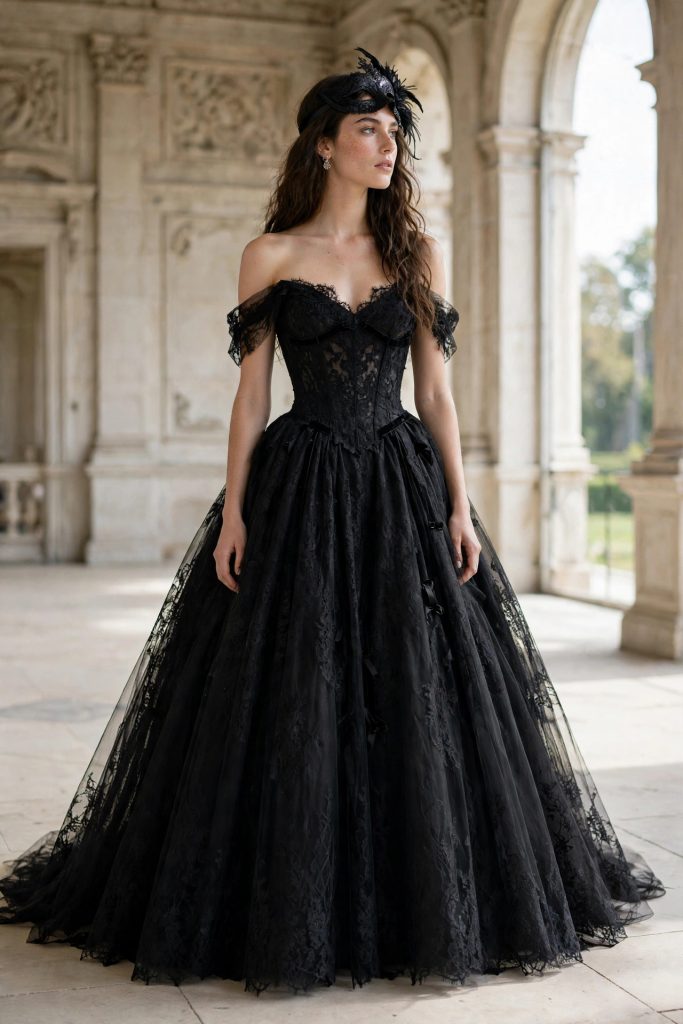
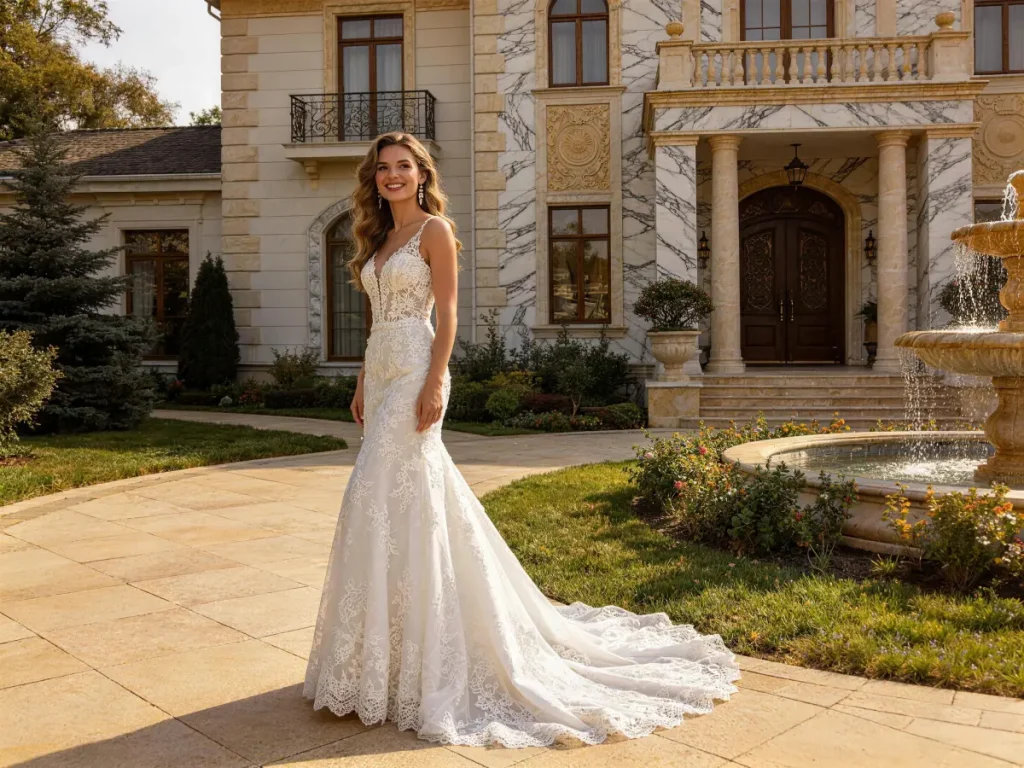
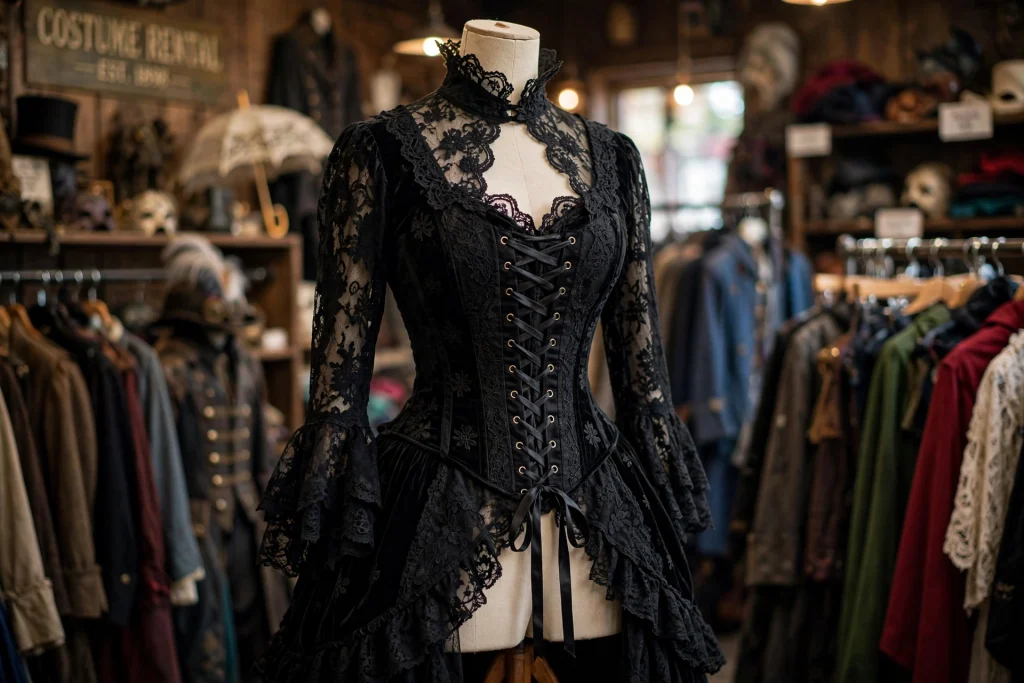
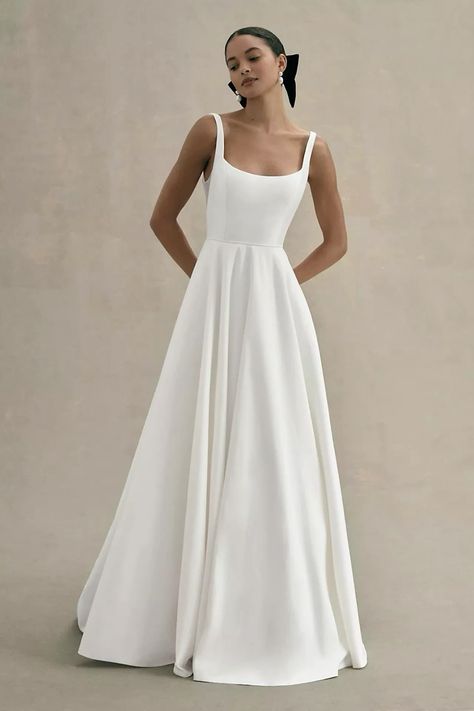
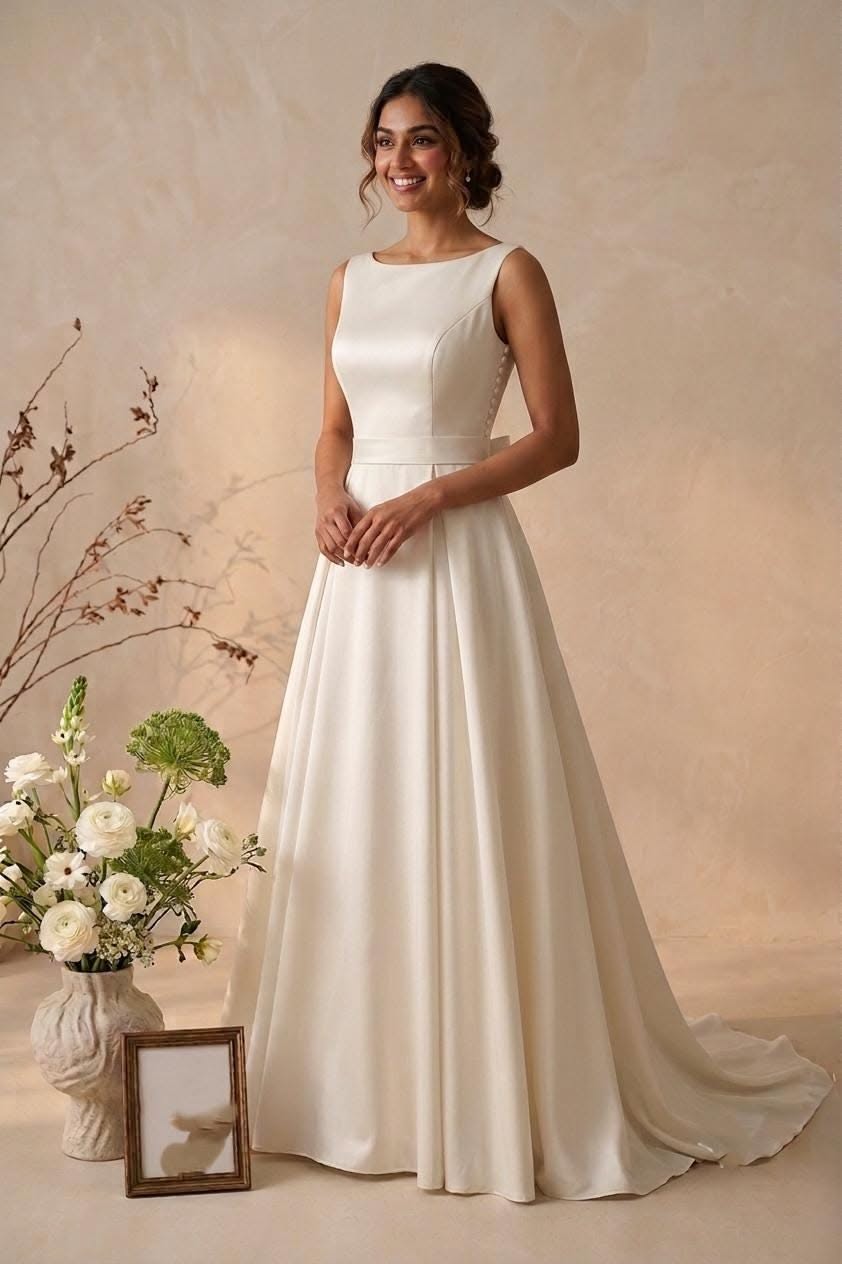
Bohemian, in this price band, usually means a loose A-line or soft sheath body, lace that is not too formal about itself, and a skirt a bride can walk a field in. Gothic usually means the same few bodies cut in black or very dark tones, sometimes with a corset back, and the dress underneath the mood is often less dramatic than the photographs suggest. Sweetheart is not a dress at all. It is a neckline that can sit on top of any of the other three, strapless more often than not, and it decides how the top edge holds, how much support has to be built in, and how the dress behaves when the wearer sits, eats and dances. Mermaid is the only honest silhouette word in the four. It decides the whole lower body, fitted through the hip and knee, and it decides how the bride walks, sits and gets up stairs for an entire day.
| Question | Bohemian loose body | Gothic dark version | Sweetheart neckline | Mermaid fitted body |
|---|---|---|---|---|
| What it really decides | Skirt freedom and lace mood | Colour and mood, mostly | Top edge support | Whole lower body fit |
| Walking and sitting | Easy all day | Depends on the body under it | Sitting tests the top edge | Small steps, planned sitting |
| Alteration bill | Usually hem and straps | Same as its base body | Often top edge work | Highest, fit is the dress |
| Usual return wording | Plainer than the photos | Less dramatic in person | Slipped or dug in by evening | Could not move in it |
The photograph lies in a different direction each time
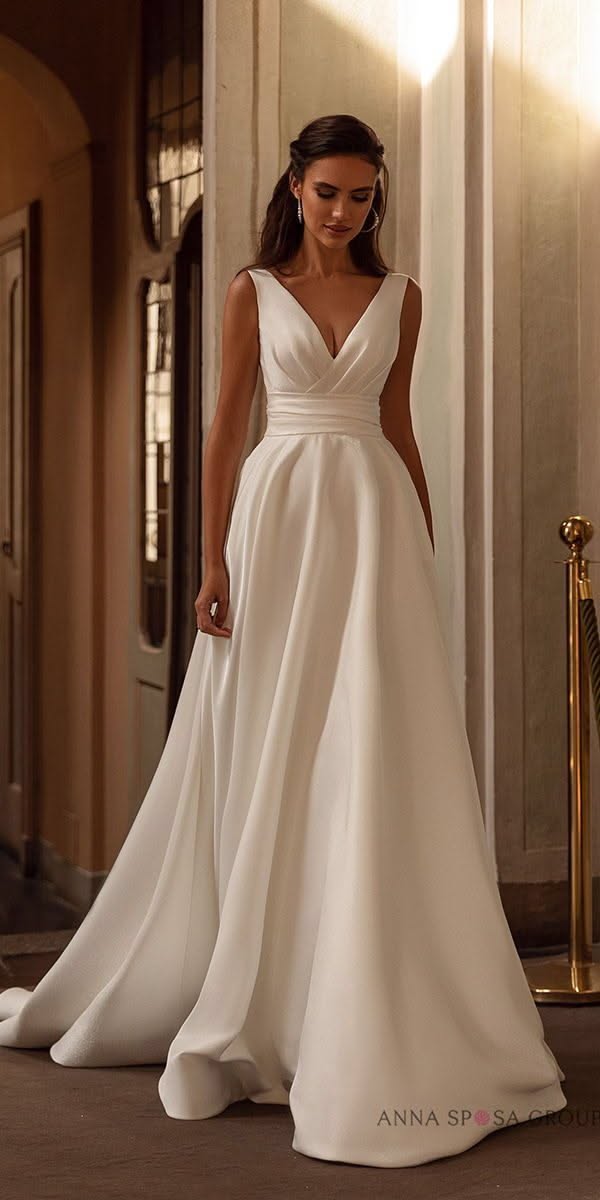
Boho listings photograph movement. The skirt is caught mid swing, the lace is backlit, and the dress that arrives folded in a box looks quieter than the dress in the pictures, which is why plainer than expected is the standing complaint and also, honestly, often an unfair one. Gothic listings photograph mood. Dark cloth under hard light reads rich and severe, and the same cloth in a kitchen at noon reads like a normal black dress that wanted to be a costume, so the reviews split between brides who bought the mood for an evening event and brides who needed it to survive daylight. Sweetheart photographs hide their own problem completely, because a still photograph cannot show a top edge migrating south over four hours, and mermaid photographs hide theirs in the opposite way. The fitted body looks calm standing up. Nothing in the listing shows the bride doing the short stair step shuffle that a tight knee line asks for.
No wait. Calm is not quite what the mermaid photograph shows either. Look again and the model is almost always caught with one knee bent, weight shifted, the skirt kicked out by a hand or a breeze that will not be on duty at the wedding. The pose lends the dress a movement the cut itself refuses to give. I have started telling buyers to judge this silhouette by any photograph where the wearer is sitting down, if the listing dares to include one, because the sitting shot is where a mermaid tells the truth about itself, and the listings that include one tend to be the ones whose return piles are smallest.
The same buyers tend to read this four-way split beside the lace double V-neck wedding dress review, set it against the 1950s vintage dress in its goth and swing versions, and finish with the off-shoulder mermaid wedding gown, because neckline, skirt and mood keep getting bought as one decision when they are really three.
Questions buyers and stores actually ask
A bride loves the gothic look but her wedding is at noon in a garden. Is the dress wrong or just the light?
Mostly the light, and that is enough to matter. Dark gowns are photographed in hard, low light, and noon sun flattens black lace and shows every layer line the evening would have hidden. The dress has not changed. What changed is the contrast it was sold under. If the mood has to survive daylight, a deep tone with texture reads better than flat black, and the return notes back that up season after season.
Sweetheart neckline, strapless, and by the meal the top edge has travelled. Faulty dress or normal physics?
Normal physics, unless the bodice was built to fight it. A strapless sweetheart holds by fit at the waist and by whatever structure is sewn into the bodice, and bodies change shape across a long meal and a warm room. A dress that only fits at the first fitting, standing still, was never fitted for an evening. Stores know this, which is why the better bridal gown manufacturer listings talk about inner structure and the weak ones talk about the neckline shape.
Why do mermaid returns so often say the size chart lied, when the measurements were right?
Because the chart measures still points and the mermaid fails at moving ones. Hip and waist can match the chart exactly while the knee line, which no chart in this family prints, decides whether the bride can walk like herself. The lie is an omission, not a number. A trial order for a boutique should be walked, sat in and stair tested, because the chart will pass a dress that an afternoon will fail.
For a small boutique, which of the four shapes is the safest first stock order and which is the trap?
The loose boho body is the safest, because it forgives fit across the widest range of brides and its complaints are about mood, which staff can manage in the fitting room. The mermaid is the trap at small quantities, not because it is a bad dress but because each size really has to be tried by the body shape it was graded for. Private label buyers feel this too. Ten forgiving dresses teach a shop more than ten strict ones that all came back with the same sentence in the notes.
So the honest split, from the notes side, runs like this. Choose bohemian when the day is outdoors, the ground is uneven and the bride wants to forget she is wearing a structure. Choose gothic when the colour story is the point and the event sits in evening light, and check which body is hiding under the black before paying for the mood. Choose sweetheart only when the support question has an answer, built in boning or a proper fitted bodice, not hope. And choose the mermaid when the bride has worn fitted dresses for whole evenings before and liked it, because a wedding day is a bad place to learn that she does not. Stores stocking wholesale wedding dresses for mixed customers learn the same split from the other side. The boho rail forgives. The mermaid rail interviews.