The discount is the warning. That is the part nobody says out loud in November. A deep V-neck slit evening dress that already sells at a thin boutique price does not have thirty percent hiding inside it, waiting to be given away on one Friday. When the ticket says thirty off, the money came out of somewhere, and from the warehouse side of the business you can usually see where. It came out of the lining. It came out of the slit reinforcement. Sometimes it came out of the fabric weight itself, a gram here and a gram there, nothing a product photo would ever show.
I work the distribution end. Pallets, cartons, broken size runs, the stock that comes back after the season has had its say. From this end a dress is not a look. It is a cube measurement, a weight, a return label waiting to happen. And the deep V slit style, the one every bridesmaid group and every party-season buyer seems to order at the same time, has a habit of teaching the same lesson every year to people who were sure they had found a deal.
The lesson starts earlier than the sale. It starts in October, when the orders stack up and every store wants the same silhouette in the same three colors. Burgundy. Black. That green that photographs almost teal under shop lights. A style that ten stores order is not ten times as safe as a style one store orders. It is ten times as exposed, because if the season turns soft, all ten stores discount on the same weekend and the dress becomes a price war with a neckline.
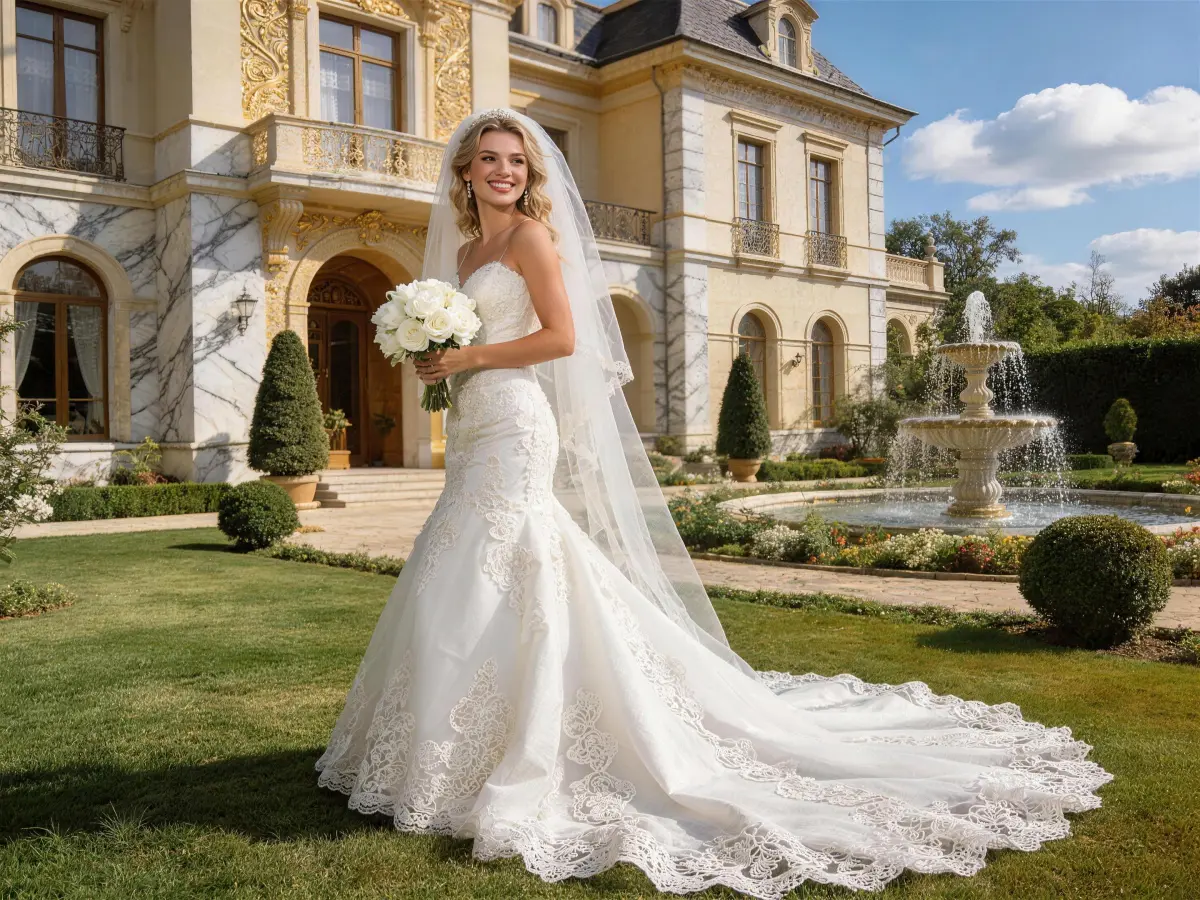
Thirty percent off a dress that had twelve percent in it
Here is the arithmetic nobody prints. A fitted slit dress at the price point where these styles sit usually carries a landed margin that sounds fine in September and gets eaten alive by December. Freight in the autumn peak runs higher than the spring quote the buyer used in her spreadsheet. The hanger matters too, which sounds ridiculous until you have paid to ship air. Slit evening dresses travel on hangers in tall cartons because folding a fitted bodice with a boned V-neck wrecks the shape, and a tall carton that weighs eighteen kilos on the scale can bill at twenty-four by volume. I have watched buyers argue with freight invoices over exactly those six kilos. The invoice was right. The spreadsheet was wrong.
So when the sale weekend arrives and the dress drops by a third, something else already dropped first. Usually it is the slit. A slit is a stress point dressed up as a design feature. Every step pulls at the top of that opening, and a properly finished slit has a bar tack or a bound finish sitting right at the apex where the tear wants to start, plus lining cut long enough that it does not creep up and flash cheap polyester every time the wearer moves. The cheap version is cut and hemmed and sent out to take its chances. From a distance of three meters the two dresses are twins. After one evening of dancing and sitting and climbing into a car, they are not twins anymore.
There is a simple check that works in a stockroom and needs no equipment at all. Take the dress by the waist, let the skirt hang, and walk it, actually swing it the way a leg swings. Watch the slit apex and watch the lining hem against the shell hem. If the lining shows at rest, it will show twice as much in motion. If the apex stitching is a loose zigzag where a tight bartack should sit, that dress is a return with a date on it. Boutiques learn this check after their first season of slit-dress returns, usually the expensive way.
Black lint, broken runs, and other warehouse truths
Black slit dresses cause a quiet problem in mixed cartons that nobody warns new buyers about. Dark fabrics shed lint in transit. The cartons vibrate for weeks in a container, the dresses rub, and when the carton opens, the ivory and champagne styles packed alongside carry a grey fuzz that has to be rolled off garment by garment before they can go on a rail. Any warehouse that has done one season of this starts separating black styles into their own cartons, which costs a little more in packaging and saves a weekend of lint rolling. It is the kind of knowledge that never makes it into a listing. It lives in the packing shed.
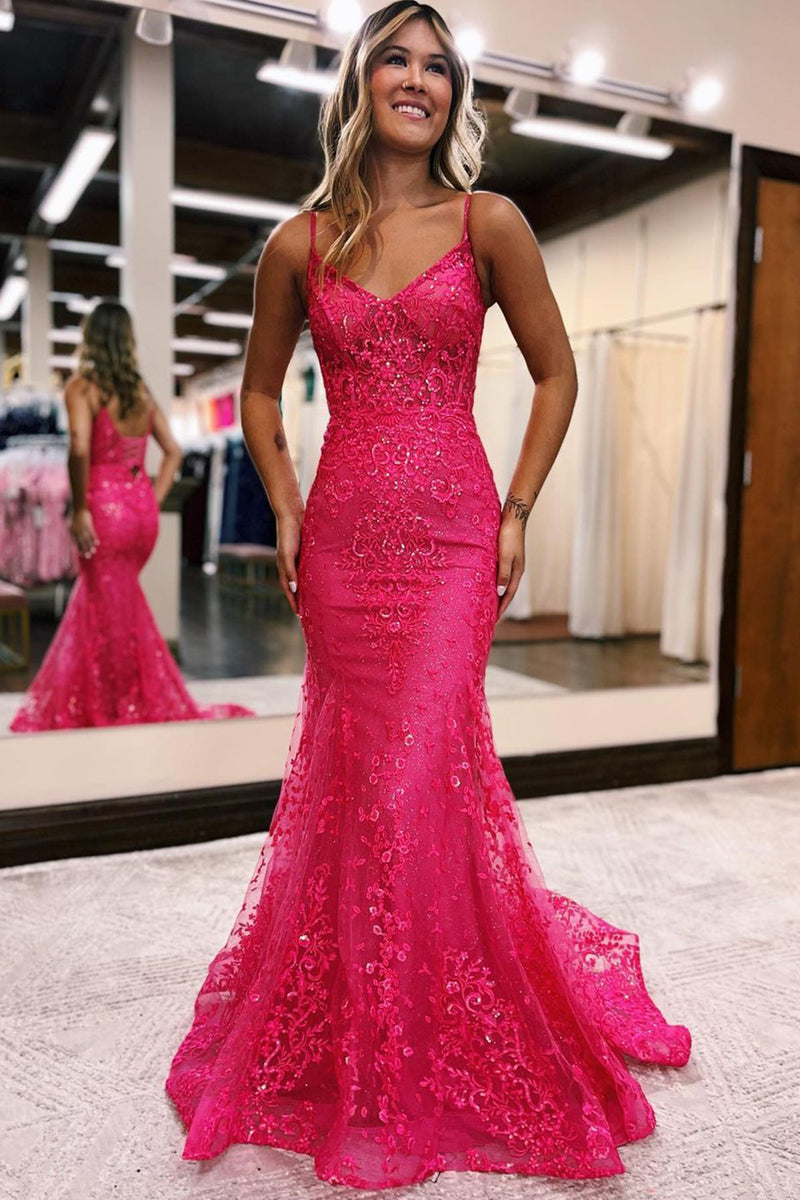
The second warehouse truth concerns what is actually inside a cheap lot of these dresses after the holidays. The January deadstock offers look wonderful in a spreadsheet. A slit evening style at a fraction of its September price. Then the size breakdown arrives, if you are lucky enough to get one before paying, and the run is mostly extra-small and 3X with a hole in the middle where sizes eight to fourteen used to be. The middle sizes sold. They always sell. What is left is the curve nobody ordered, and a boutique that buys the lot has not bought stock, it has bought a storage problem wearing a party dress. Ask for the size breakdown before you ask for the price. The order of those two questions tells a warehouse which kind of buyer you are.
Sizing has its own trap in this silhouette. A deep V on a fitted bodice is graded on a fit model, and the plunge that sits politely on a size eight sample can behave very differently two sizes up, where the same neckline depth meets a fuller bust and the fabric tension changes. The slit rises higher on a shorter leg too. None of this is a factory defect. It is geometry. Stores that do well with this style fit it on more than one body before they order depth, and they order the colors separately, because the burgundy that flew in October sometimes sits dead in December while black keeps moving. Color-level ordering sounds fussy. It is just cheaper.
Now the correction, because I started this by blaming the discount and that is only half fair. No wait. Some of these dresses genuinely are good value in November, when a factory or a store ordered sensibly, sold most of the run at full price, and marks down the honest remainder to clear the rail before January. The tell is the size run. A real clearance still has middle sizes in it. A manufactured deal, a dress made cheaply to be discounted, arrives in a perfect full run at a price that never existed before the sale. Full run, fake history. Broken run, real history. That one distinction has saved more buyers I know than any negotiation trick.
Ordering the style without the season attached
Plenty of stores skip the drama entirely and order the silhouette as a standing style instead of a seasonal bet. On the factory side of the catalog, a dress like this one, an existing women apparel style rather than a custom development, starts at ten pieces per style with colors and sizes mixed inside that run, which is a very different risk shape from four hundred pieces of one color arriving in a peak-freight month. Ten pieces is a test you can survive being wrong about. The OEMOD Factory wholesale catalog is built around that kind of order, existing styles in small mixed runs, and the slit dress reads differently there: less of a Black Friday gamble, more of a rail staple you reorder when it proves itself in your store, in your light, on your customers.
For a custom version, your own label, your own tweak on the neckline depth or the slit height, the sampling habit that saves the most grief is also the plainest one. Before we start sampling, we always photograph the fabrics and send them to you to review and choose from. A deep V in a stiff fabric and a deep V in a fluid one are two different dresses wearing the same sketch, and the fabric photo, taken in plain light with a hand in frame for scale of drape, tells you more than the sketch does. Stores that approve fabric from a screen thumbnail and skip the photo step are the stores whose samples land wrong and whose November gets expensive.
It also helps to look at how neighboring styles behave before settling the order. The emerald green backless bridesmaid dress review on this site covers a different neckline with the same underlying problems: strap tension, dye consistency across a bridal party, the gap between a sample that fits the model and a run that has to fit six different women. Different dress. Same geometry lessons.
Questions buyers ask after the pallet arrives
A full size run at forty percent off in November. That is a good sign, right?
A full size run at forty percent off in November usually means the dress was made to be discounted, not marked down from real sales. Real clearance stock has holes in the middle sizes because those sizes actually sold at full price. The middle of the curve, sizes eight to fourteen in most party styles, moves first in October. What remains in a genuine clear-out looks ragged on paper and sells fine in a store. A perfect run at a silly price tends to be a cheaper dress wearing a sale costume, and honestly I would rather buy the ragged run.
Ten pieces per style sounds tiny. Can a store actually test a slit dress on ten pieces?
Ten pieces is enough to learn what a store needs to know about this silhouette. Put two or three on the rail in your strongest colors, fit the dress on more than one body type among your staff or regulars, and watch whether the slit and the plunge get tried on happily or get returned to the rail with a face. That reaction, in your shop, with your customers, is worth more than a season of guesses. If the ten move, reorder. If they sit, you own ten dresses, not four hundred, and the lesson cost you hundreds instead of a season.
The slit tore at the top after one wear. Is that just how slit dresses are?
No, a slit that tears at the apex after one wear was finished badly, not worn badly. The top of the slit takes the stress of every stride, and it needs a tight bartack or a bound finish sitting exactly where the opening ends, worked into fabric that can hold it. On a well-made sample you can feel that reinforcement with a fingertip before you can see it. On the cheap version there is a row of loose stitching and hope. One wear is all the hope lasts. I get this one wrong myself sometimes and forgive a sample in the showroom, then the returns remind me.
Why did my black dresses come out of the carton covered in fuzz, and the light ones too?
That fuzz is lint the dark fabric shed during weeks of vibration in transit, and it settles on everything sharing the carton. Black and very dark colors are the worst offenders, and fitted styles with any texture in the weave shed more than smooth ones. Warehouses that know the problem pack black separately, which adds a little packaging cost and removes a lot of lint rolling at the other end. If your dresses arrive mixed, roll them before they go anywhere near a rail or a customer, because shop light shows that grey film cruelly and it reads as dusty stock.
If I order in spring instead, does the same dress get cheaper or just earlier?
Mostly it gets calmer, which is worth more than cheaper. Spring ordering for a party style means sea freight instead of peak-season air, a factory that is not drowning in October volume, and time to fit the sample on real bodies before committing to depth. The unit price may move a little. The freight and the mistake rate move a lot. Buyers who shifted their evening orders one season earlier rarely shift back, and it is not the discount they talk about. It is the absence of the November phone calls, the ones that start with a freight invoice and end with a size run nobody wants.
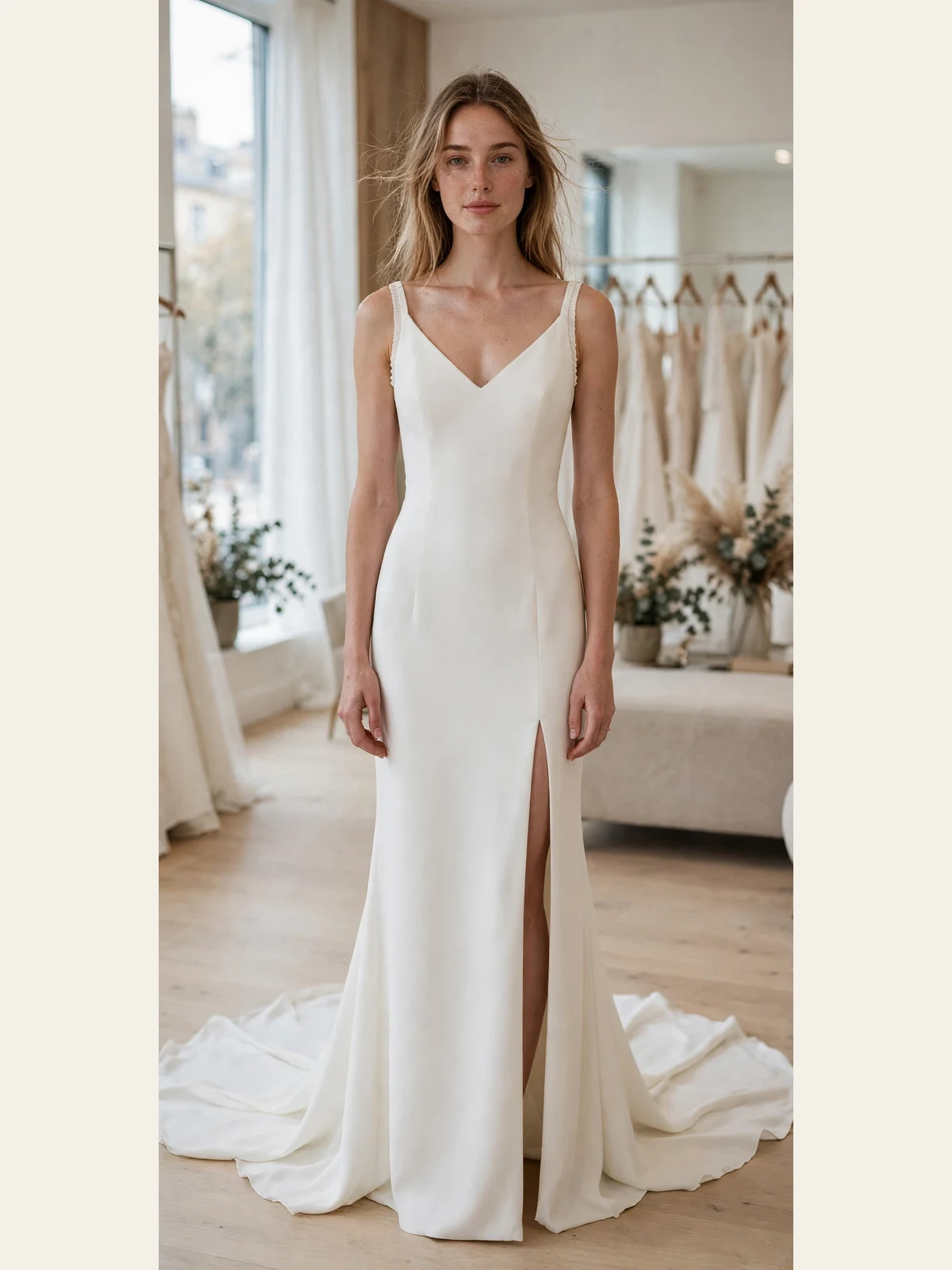
Somewhere there is a warehouse rack holding the remains of last year’s perfect deal, a rail of slit dresses in sizes nobody in that town wears, priced lower every month and still not moving. The dresses are fine. That is the irritating part. The dresses were always fine. It was the run, the timing, and the story the discount told that were wrong, and from the pallet end of this business you learn to read those three things before you ever look at the neckline.