Start at the end, with the dress in a clearance bin in February. A long gown bought for prom season, listed again for evening wear, discounted for a Halloween costume round, and still hanging around when bridesmaid orders start in the new year — that itinerary is not an accident. It is the business model. A floor-length formal dress is one of the few garments that can be repositioned four times without changing a stitch, and every repositioning changes what the dress is worth and who is willing to pay it. I move stock between those calendars for a living, and the gown itself is the least interesting part of the job. The calendar is the job.
Prom comes first and prom is unforgiving about timing. The dresses have to land before the school-year events start, which means the shipping decision was made months earlier, in winter, when sea freight was still possible. Miss that window and the same dress travels by air at several times the cost, or it arrives after the dances and becomes bridesmaid stock by default. Nobody plans that conversion. It just happens to whoever misjudged the calendar, and the dress does not care. It hangs the same either way.
The Halloween round is smaller than people think
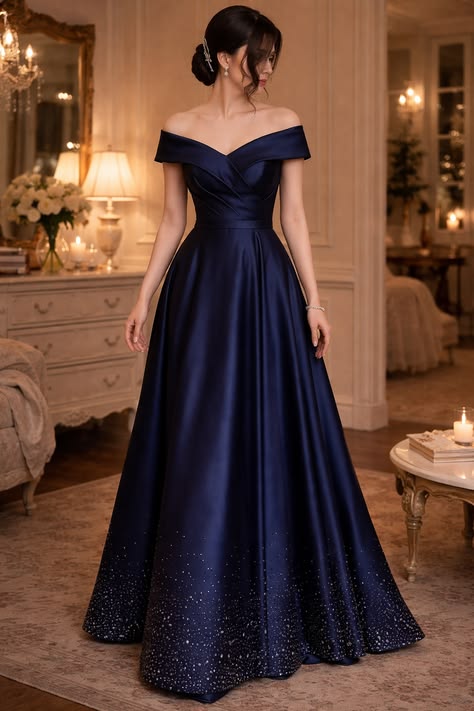
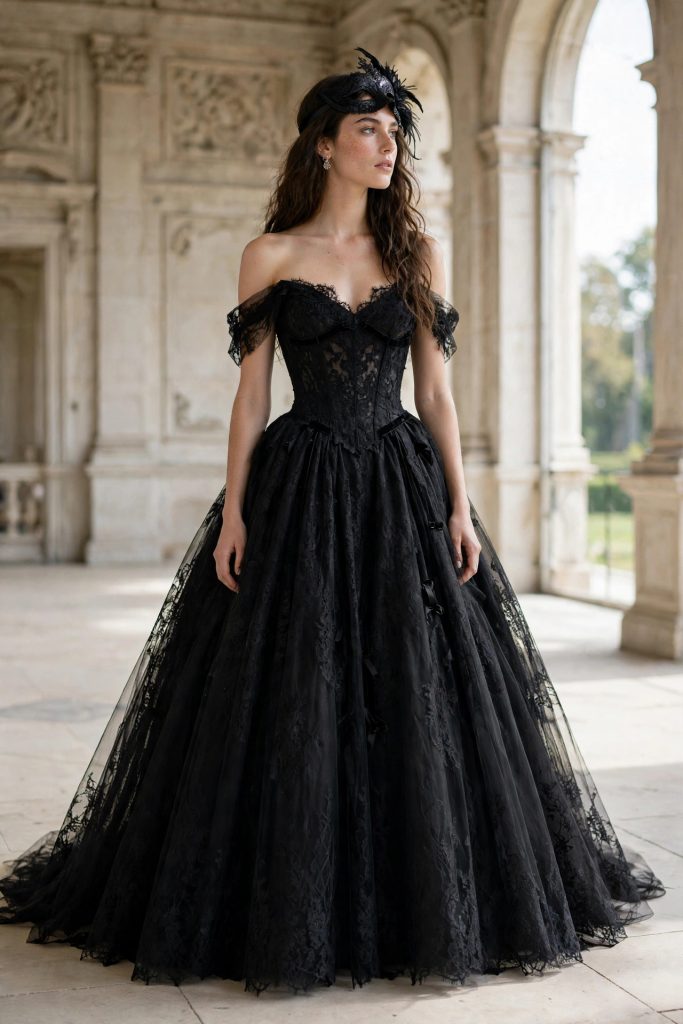
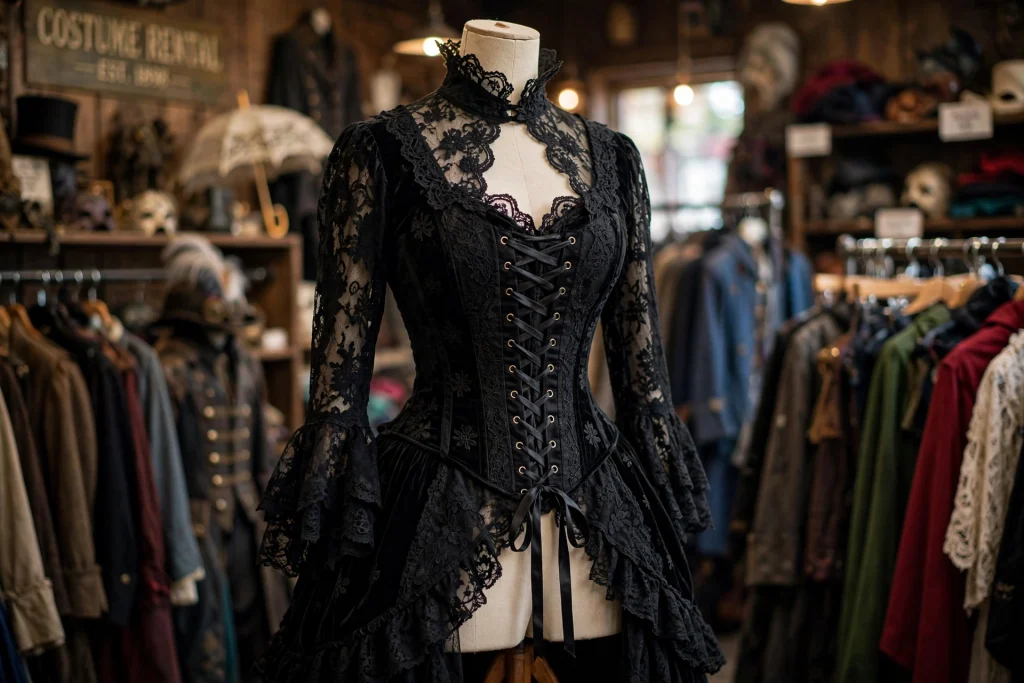
Every autumn someone in distribution rediscovers that formal gowns sell as costumes, and every autumn the numbers disappoint them in the same way. Costume buyers want drama at a costume price. A proper long gown, even a discounted one, sits above that price, so the Halloween round mostly moves the darkest colours and the most theatrical silhouettes — the black, the deep red, the ones with sleeves like a storybook. The pastel bridesmaid colours do not move in October at all. They wait. A buyer who stocks a gown range for all four seasons on the assumption that each season takes a quarter of the stock will learn, expensively, that the seasons take very unequal shares.
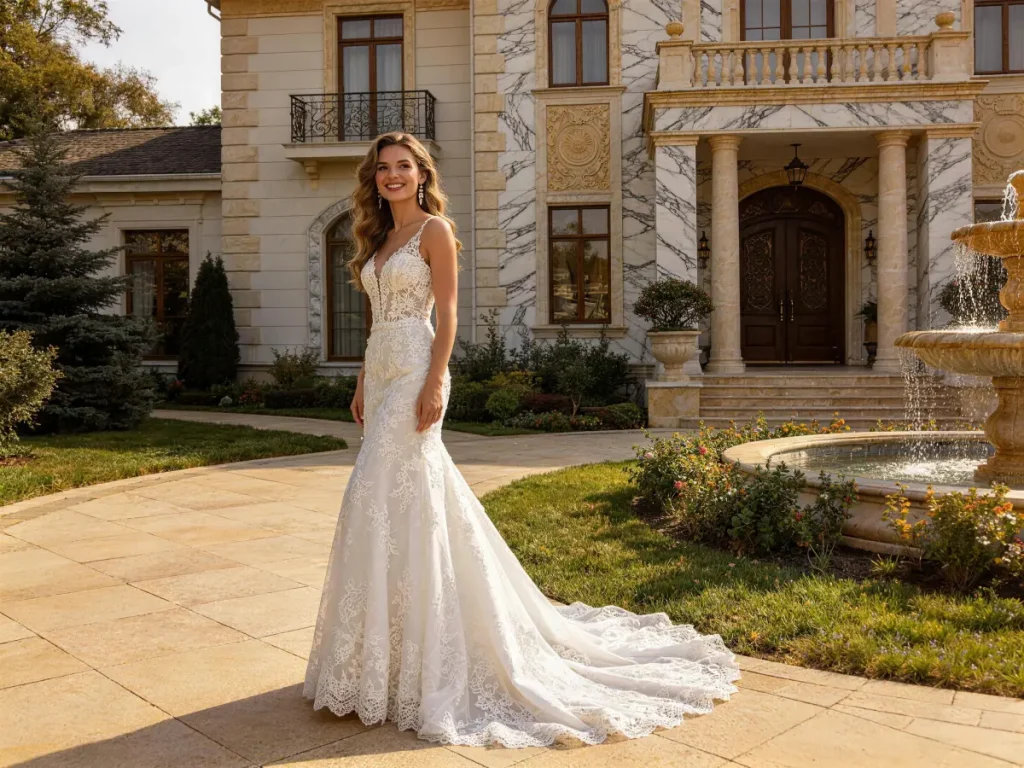
Bridesmaid orders are the steadiest of the four and the most annoying. They come in groups, in matched colours, in sizes that follow the shape of an actual group of humans rather than a size curve a factory would choose. One order needs three of the size nobody stocks and none of the size everybody stocks. The freight side of that is a replenishment problem: the missing sizes travel alone, at the worst per-unit cost, on a deadline set by a wedding date that does not move. Good distributors price that in from the start. The ones who price bridesmaid gowns like ordinary stock discover the cost of the odd sizes later and call it bad luck.
What actually kills a long gown in transit
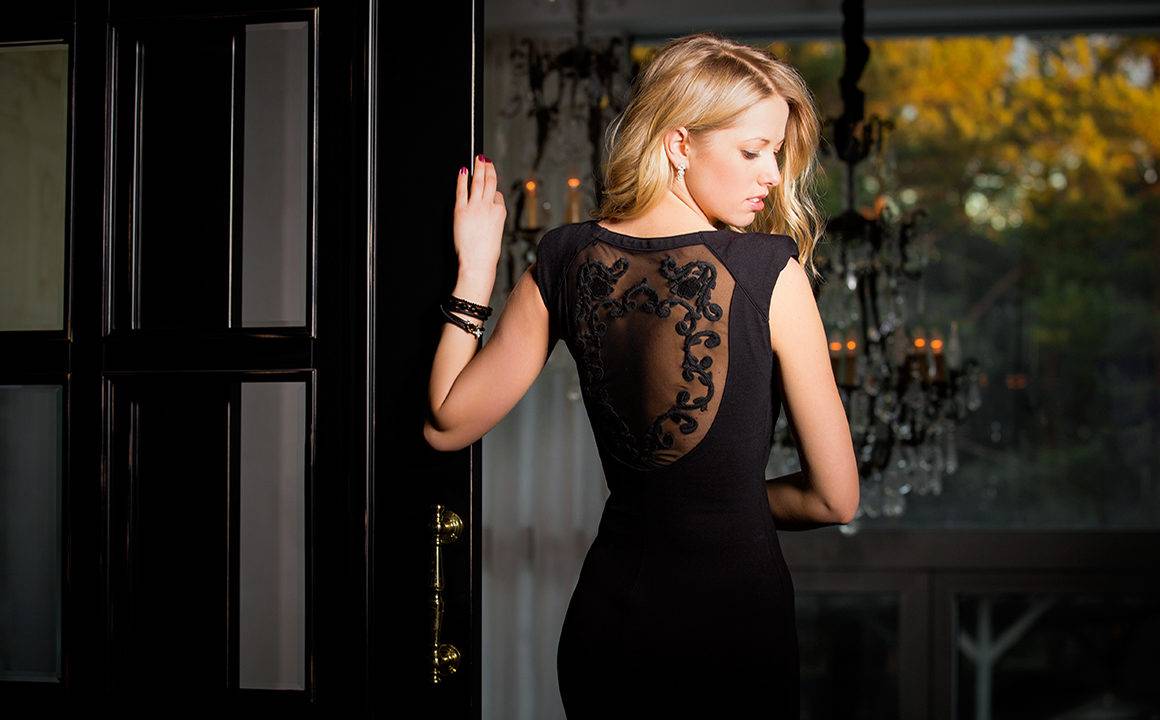
Length. A floor-length dress folds, and where it folds it creases, and some fabrics forgive a fold and some keep it like a grudge. Satin-backed crepe travels well. Cheap taffeta arrives with a horizontal line across the skirt that steaming only half removes. The packing decision — rolled, folded once, or folded three times to fit a smaller carton — is a freight decision with a quality consequence, and it is made by people looking at carton prices, not at dresses. When a store complains that a whole shipment arrived creased, the cause is usually a carton change nobody mentioned, not a fabric change anybody approved.
The stores that do well with long gowns are boring about two things. They measure the actual garment, because a gown sold as floor-length varies by more than the size chart admits once you account for how the bodice is boned. And they keep the colour story tight across seasons, so a dress that misses prom can honestly become a bridesmaid dress in the same dye lot instead of a near-match that photographs as a mismatch. Colour drift between batches is the quiet killer of the whole four-season plan. Two lots of the same named colour, side by side in a wedding party, is the photograph nobody wants.
Long gowns get sold into four different calendars at once, and the off-shoulder cocktail dress reviewed for Christmas weddings shows the holiday end of that trade, while the convertible infinity dress for bridesmaid parties shows the group-order end — the freight maths and the deadstock risk are completely different, even when the dresses hang on the same rail.
Questions buyers and stores actually ask
Can the same long gown really be sold for prom, weddings, and Halloween?
The same garment, yes. The same listing, no. Each occasion has its own search words, its own price expectations, and its own colour preferences. Stores that relist the dress with honest occasion-specific photos do well. Stores that leave one listing up all year and hope the calendar finds it tend to watch it age in the stockroom.
Why do bridesmaid orders cost more to fulfil than the dress price suggests?
The sizes. A group order never matches a stock size curve, so the missing sizes get replenished in tiny runs at bad per-unit freight, against a wedding date that cannot move. The dress margin looks fine on paper. The fulfilment eats it quietly, order by order.
What is the most common shipping damage on long gowns?
Fold creases that will not steam out, usually across the skirt where the dress was folded to fit a smaller carton. It is a packing decision, not a fabric defect, most of the time. Rolled or once-folded packing costs a little more freight and saves a lot of steaming, arguing, and returns.
How many colours should a store carry in a long gown style?
Fewer than feels right. Every colour is a separate dye-lot risk and a separate deadstock pile at season’s end. A tight colour story that can cross from prom into bridesmaid season beats a wide one that strands three colours in October, when only the dark ones move.
When is a long gown actually dead stock?
When the colour cannot cross into another season and the sizes left are the sizes nobody orders. A gown with a full size run in a bridesmaid-friendly colour is rarely dead; it is just early for the next calendar. The truly dead ones are the theatrical colours in broken sizes, and they were effectively dead the day the order was placed.
So the gown in the February clearance bin is not a failure of taste. It is a diary of four calendars, three freight decisions, and one dye lot that did not match its brother. The dress was fine. The dress is usually fine. It is everything around the dress that decides whether it made money, and almost none of that is visible in the photograph that sold it.