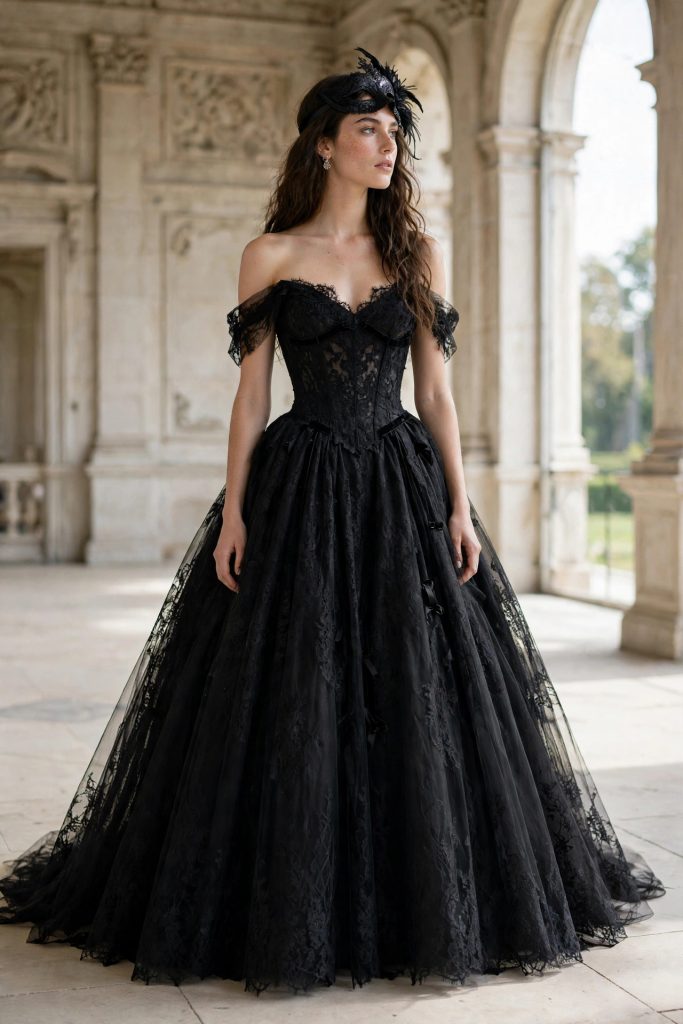
Black cocktail dresses are where a store’s cash goes to argue with itself. This MUSHARE V-neck style, with a split skirt and a fitted body, sits in the most crowded bracket a shop carries: black, formal enough for a wedding evening, sharp enough for a party, priced where a buyer expects to wear it more than once. From the money side, the question is never whether a black dress sells. It is which black dress earns its rail space, because every store already owns several, and each new one has to take sales from a dress the store has already paid for.
The split is a cost line disguised as a style line
A split looks free. It is a cut and a finish. In costing it is neither. The split edge has to be finished so it will not fray or curl, reinforced at the top so the opening does not grow with wear, and placed so it opens when the wearer walks and closes when she stands. Place it for the photograph and it gapes at rest. Place it for standing and it never shows in motion, which kills the reason it was cut. Getting that balance right takes sample rounds, and sample rounds are money spent before a single sale, on a style whose selling price leaves little room to waste.

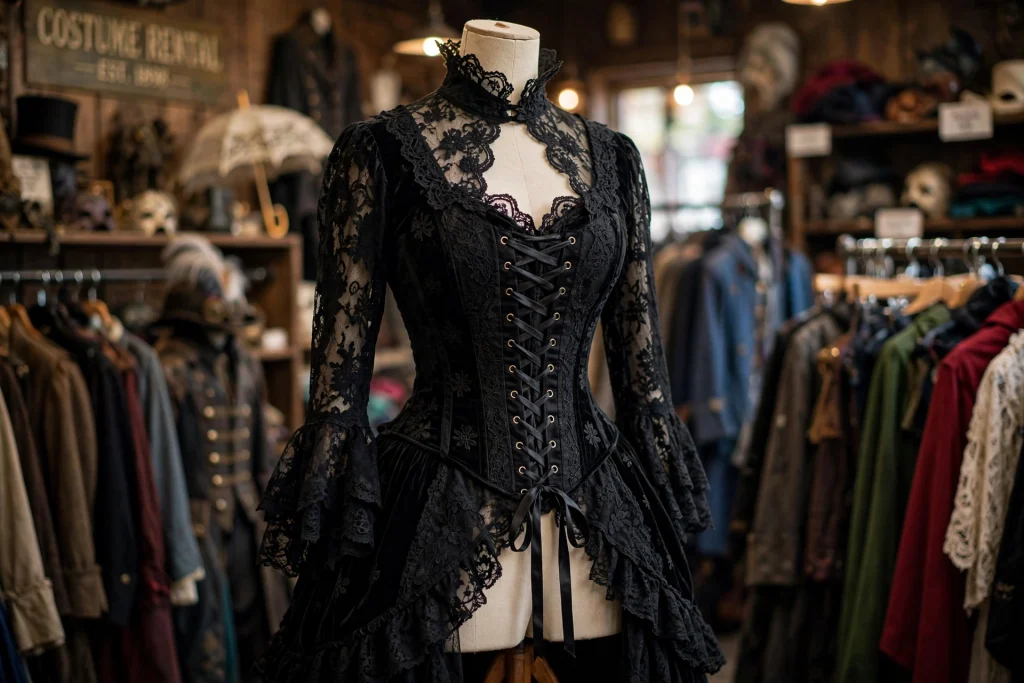
The V-neck carries a similar hidden bill. A deep V on a fitted dress needs its edge held, by facing, lining, or a stay, or the neckline relaxes outward across an evening and the dress gets reviewed as sloppy by people who liked it at six o’clock. Holding an edge is cheap in cloth and dear in care, because it has to be done the same way on every piece, not only on the sample that won the order.
Black is a shade problem with a cash cost
Buyers say black as if it were one colour with one price. Mills sell several blacks, blue leaning, brown leaning, and flat, and they do not cost the same or photograph the same. A store that reorders a hot black style from a second lot without a daylight check can end up with two blacks on one rail, selling the older one at a discount to clear the mismatch. That discount is the true price of skipping a swatch check, and it lands months after the saving that caused it, in a different season’s figures, where nobody connects the two.
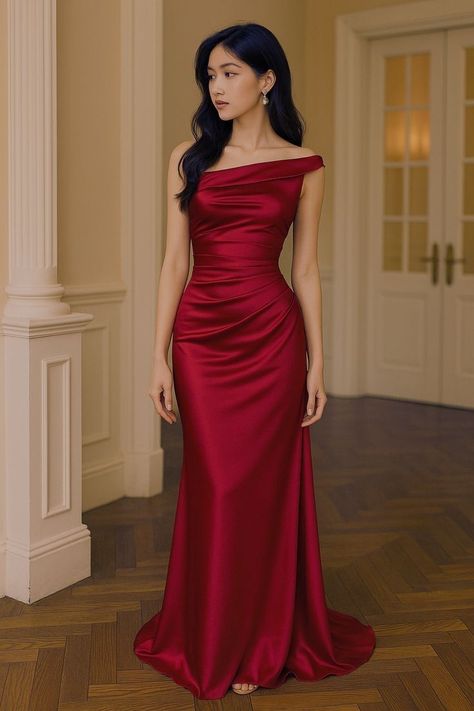
Fabric sheen splits the bracket further. A matte black reads formal and hides minor fit strain. A shiny black reads party, shows every pull, and dates faster as tastes swing. Neither is wrong, but they are different stock with different lives, and a store that buys them as one black category will misread its own sell through data all winter, wondering why one dress reorders and its near twin sits.
How the desk decides whether to back it
Count what the dress replaces, not what it adds. If it takes the wedding evening slot from a dress that also covered parties, the store now needs both, and the cash outlay is double what the order form says. Check the split reinforcement and the neck edge on the sample by hand, then check the second piece, not the first, because consistency is what a store actually buys. Price the reorder in a second black lot before the first order sells out, while a swatch check is still cheap. Those steps are dull, and they are most of what separates a black dress that pays rent from one that merely sells.
Repeat wear is the quiet asset here. A black cocktail dress that survives five evenings without the split growing, the neck relaxing, or the shade fading at the seams will be recommended in fitting rooms, in the plain language that moves stock better than any listing. That value never appears in the first order’s maths. It appears in the third reorder, placed without argument.
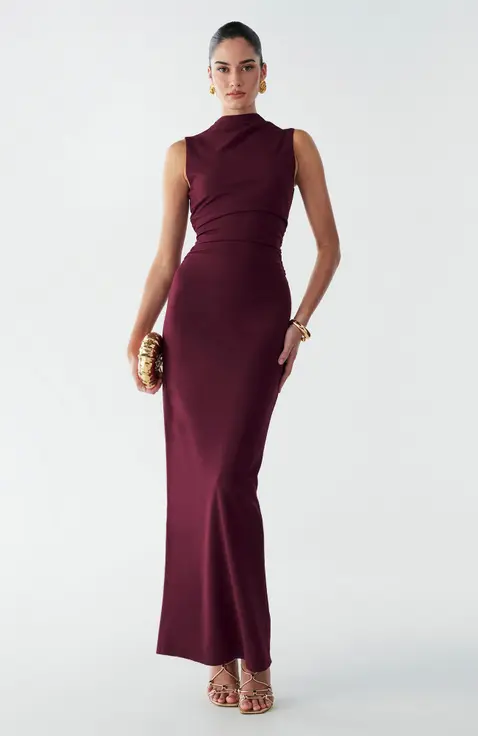
The money desk sets a black split cocktail price beside the ruched maxi bodycon event dresses file, the one-shoulder belted maxi dresses range, and the off-shoulder formal and bridesmaid gowns notes, because one fitted black dress is always being compared with three others before a store commits its cash.
Questions buyers and stores actually ask
Why does a split skirt add cost to a cocktail dress?
The split edge must be finished against fraying, reinforced at its top point so it does not grow in wear, and placed to open in motion while closing at rest. That balance takes sample rounds, which are paid for before any sales arrive.
Why can two black dresses on one rail look different?
Black cloth comes in blue leaning, brown leaning, and flat shades from different lots and mills. Under shop light they can pass as one colour and split apart in daylight. A kept swatch, checked in daylight at reorder, is the standard guard.
What should a store check on the sample of a fitted V-neck dress?
Pull the neck edge gently and see whether it is held by facing, lining, or a stay, check the split reinforcement by hand, and then check a second piece rather than the show sample. Consistency across pieces is what the store is buying.
How should a store judge whether a new black style is worth backing?
By what it replaces. If the new dress takes one slot from a style that covered two kinds of evening, the store may need both dresses, doubling the cash tied up. Count replacement, consistency, and second lot shade risk, not only the unit price.
I still watch stores argue for an hour over two dollars a piece on a black dress, then lose twenty a piece clearing a mismatched second lot nobody swatched. The two dollars were visible, so they got the meeting. The twenty were hiding inside a colour everyone thought they knew by heart.