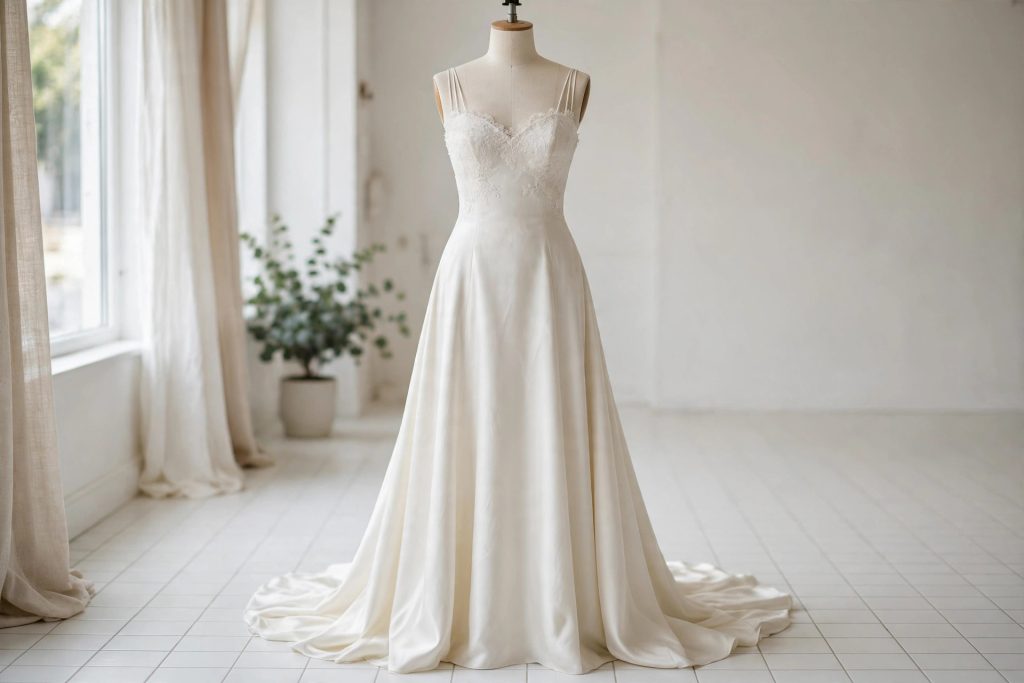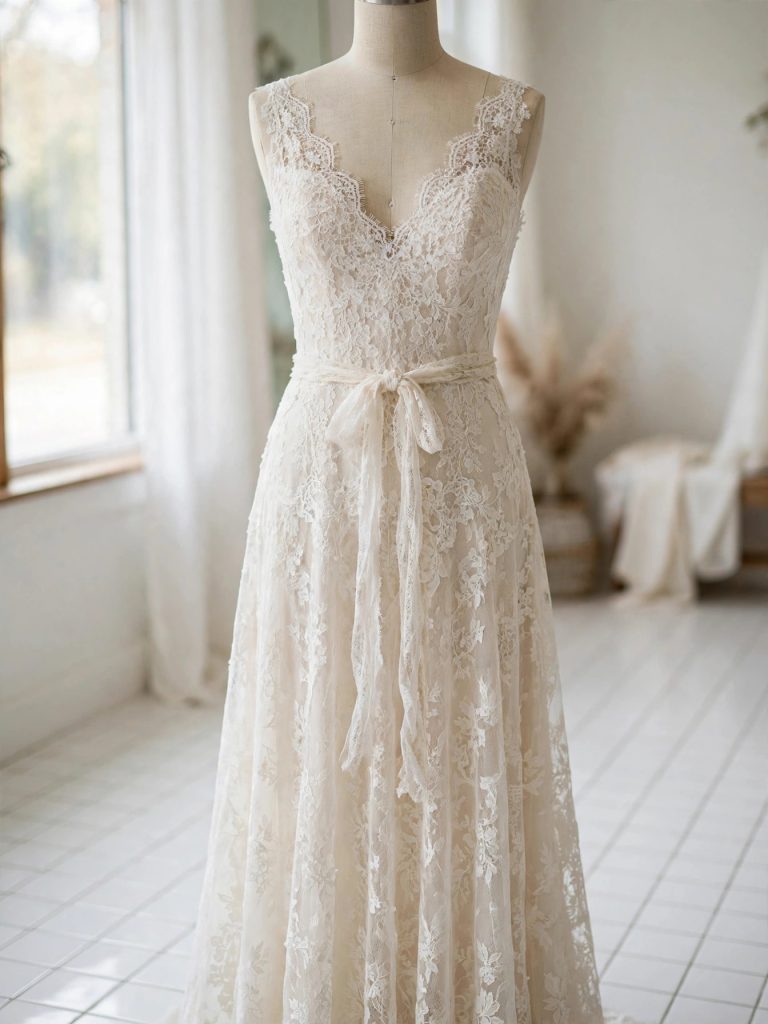
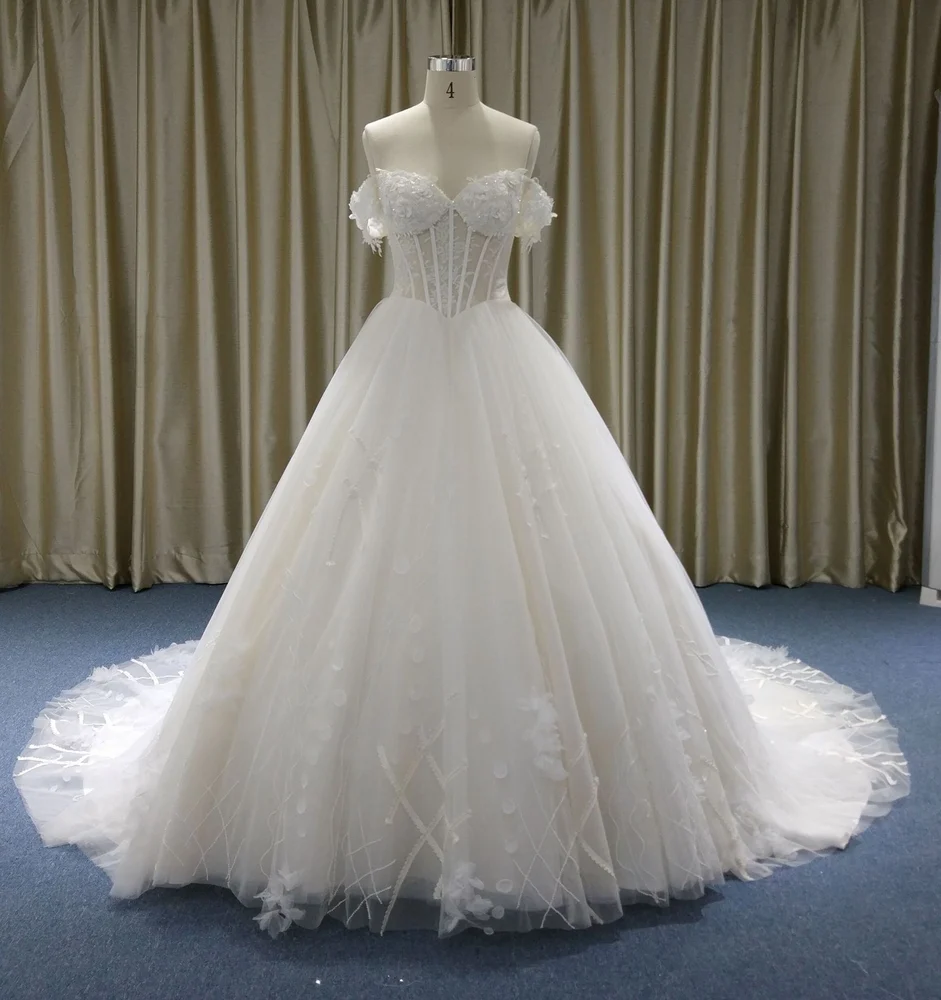
A short lace A-line bridal dress in plus sizes is a grading question before it is a style question. This Ever-Pretty gown joins three things that each change the maths: a V-neck lace bodice, a skirt that leaves the body at the waist, and a size range where the largest dresses cannot simply be wider copies of the smallest. Sourcing it well means asking how the pattern was graded, where the lace was placed at each size, and what the short length does to the whole balance. A quote that answers only with a price per piece has skipped every question that decides whether the run sells or comes back.
Grading a V-neck is not scaling a photograph
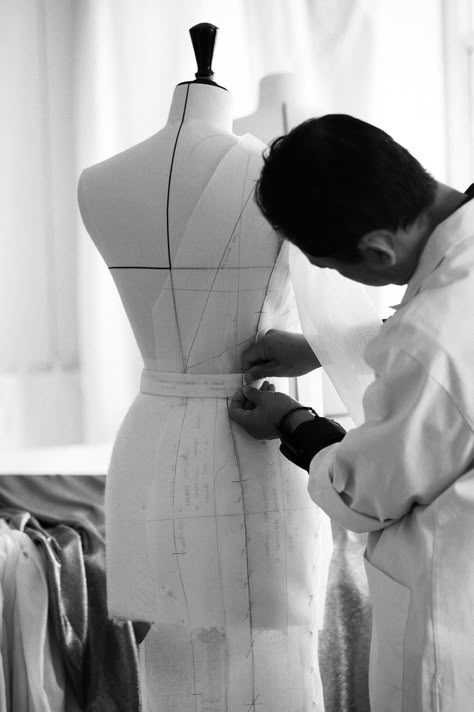
Enlarge a bodice by width alone and the V deepens in effect, the shoulder slides, and the lace motif that sat neatly on a mid size lands in the wrong place on both ends of the range. Sound grading moves the neck point, the shoulder, and the waist by smaller, separate steps, and shifts the lace placement size by size. That work costs pattern time once and saves fitting grief on every piece. A supplier who cannot say how the neck was graded for the top sizes is offering a scaled sample, and the returns from the top sizes will explain the difference at the store’s expense.
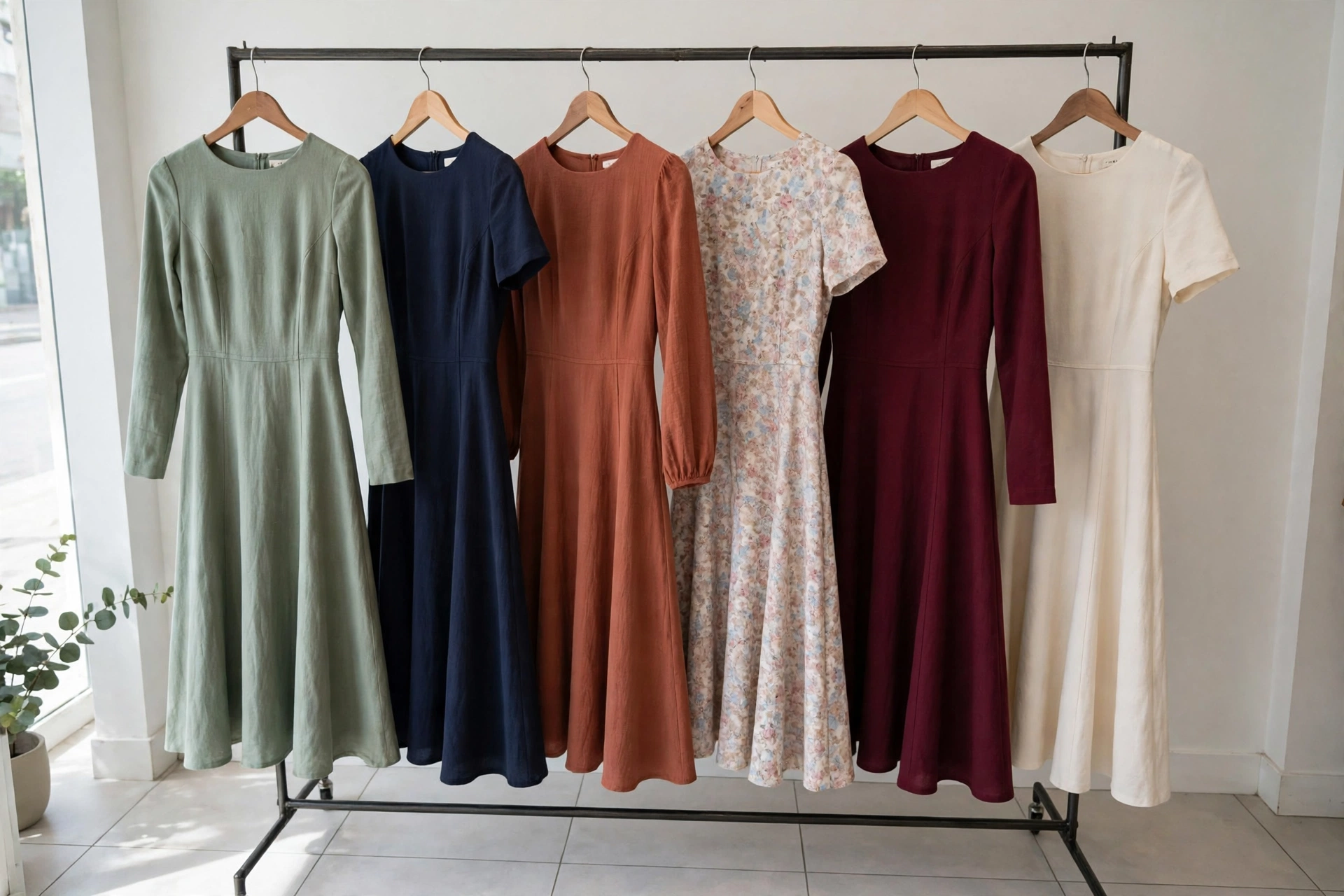
The A-line skirt is the forgiving part, and even it has a condition. Flare has to grow with size or the largest dresses lose the shape that sold the style, turning an A-line into a straight skirt with a lace top. Flare is cloth, cloth is money, and a cheap quote often takes the flare back quietly, a few centimetres at a time, where a photograph will not catch it and a wearer will.
Short bridal lives between two calendars
A short gown is bought for courthouse weddings, second ceremonies, garden parties, and brides who never wanted a train to manage. Those buyers shop closer to the date than full gown buyers do, and they compare the dress against ordinary formal wear as much as against other bridal lines. That changes the sourcing calendar. Stock has to be ready when the need appears, because a short bridal buyer with a date three weeks away does not wait for a reorder boat. She buys the dress that is hanging there, from whoever stocked it.
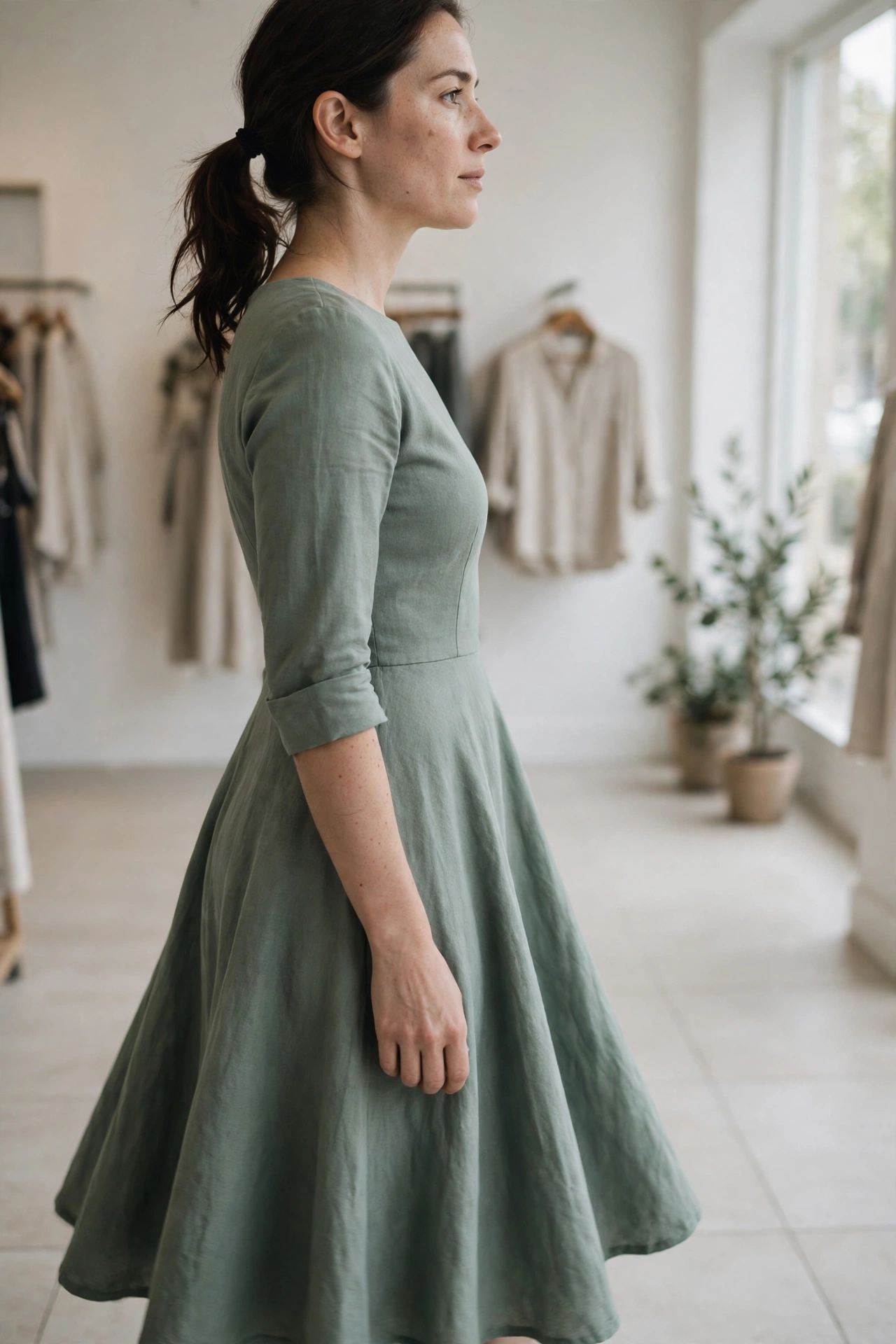
It also changes what quality means at the desk. A hem on a short dress sits at eye level in photographs and shows every uneven centimetre. Lace edging used as the hem finish has to be cut on the motif, joined invisibly at the back, and held at a steady length around the skirt. That is hand time, and hand time is where short dresses stop being cheap to make well, whatever their cloth bill says.
Reading a quote for this style
Ask for the flare at the hem for the smallest and largest size, side by side. Ask where the lace motif sits at the top size and whether the neck point moves in grading. Ask what the hem finish is and how long it takes. A supplier who answers those three cleanly is selling a graded dress. A supplier who answers with a discount is selling a sample, enlarged. The price gap between the two is real money, and so is the gap in what comes back from customers, in the opposite direction.
Stores do well with this style when they fit it on the bodies it was made for, photograph it at its true length, and resist stocking it as a novelty beside the long gowns. It is not a novelty. For a growing share of weddings it is the whole dress, chosen on purpose, and it deserves the same grading care as any train in the shop.
A sourcing desk compares a short lace A-line against the plus size chiffon A-line wedding dresses range, the lace wedding dresses file, and the halter lace hi-lo dresses notes, because length, lace grade, and grading rules get priced as one bundle even when a quote pretends they are separate.
Questions buyers and stores actually ask
Why does plus size grading matter so much on a V-neck lace gown?
Widening a bodice without moving the neck point, shoulder, and lace placement by separate steps distorts the neckline and puts motifs in the wrong place at the ends of the range. Sound grading treats each point on its own, size by size.
Does an A-line skirt need more flare in larger sizes?
Yes, if the shape is to survive. Flare that stays fixed while width grows turns the skirt straighter on larger bodies and loses the A-line that sold the style. Ask for hem flare at the smallest and largest sizes when comparing quotes.
Why do short bridal dresses need stock ready in advance?
Short gown buyers often shop close to a courthouse or garden date and will buy what is hanging rather than wait for a reorder. Ready stock, in the full size range, is part of the product for this style.
What I cannot settle is why the top sizes still get treated, by so many makers, as a courtesy added to a range instead of the range itself. The sales data in most shops says those sizes sell through early and reorder well. The pattern room habits say otherwise, older and slower. Between the two, season after season, sits a rack of almost right dresses.