Tailored is the most expensive word in this listing and the least examined. The Likedpage lace mermaid gowns reviewed here promise a fitted line, hip-close through the body and flaring below the knee, at prices that sit well below what bespoke fitting usually costs. The money side starts with the gap, because a mermaid is the silhouette where the gap has to live somewhere. A ball gown forgives a centimetre anywhere. A mermaid reports it everywhere, at the hip, at the knee, at the exact point where the flare begins, and somebody always pays for the reporting: the factory in making time, the store in alterations, or the bride in a dress that fits the photograph and argues with the chair.
What the word tailored adds to a lace mermaid’s price, itemised the way a factory sees it. A tailored fit is extra pattern work on one body, a muslin or a first fitting stage on complex orders, hand finishing at the lace edge so the motif lands where the body bends, and alteration room left inside the seams on purpose. At the Guangzhou factory a custom gown of this type starts from one piece, the making runs 10 to 15 days once fabric is confirmed from photographs with the buyer, and the price of the tailoring is quoted per style after the design is reviewed, never as a flat promise. The buyer this suits is a store that can sell the fitting appointments as part of the dress, because that is where the money visibly goes.
Where fitted money actually gets spent
A mermaid pattern spends its budget on grading, not on cloth. The flare point has to sit at the same place on the leg at every size, which means the knee line is graded as its own measurement rather than allowed to drift with the length, and the hip ease has to be tuned size by size because the difference between fitted and tight is about a centimetre and it moves across the run. Factories that make this silhouette for repeat bridal business do that grading work once and charge for it quietly inside the unit price. Factories making to a headline price grade the easy numbers, bust, waist, length, and let the knee and hip follow. The dresses then fit the middle sizes beautifully, which is where the sample photographs come from, and argue at both ends of the rail.
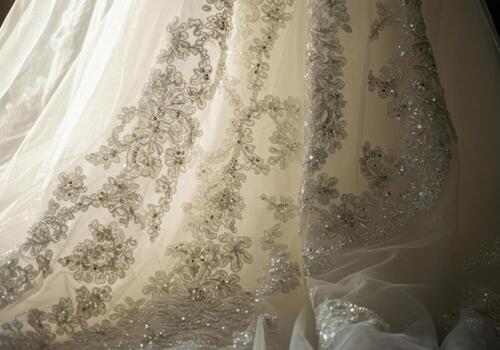
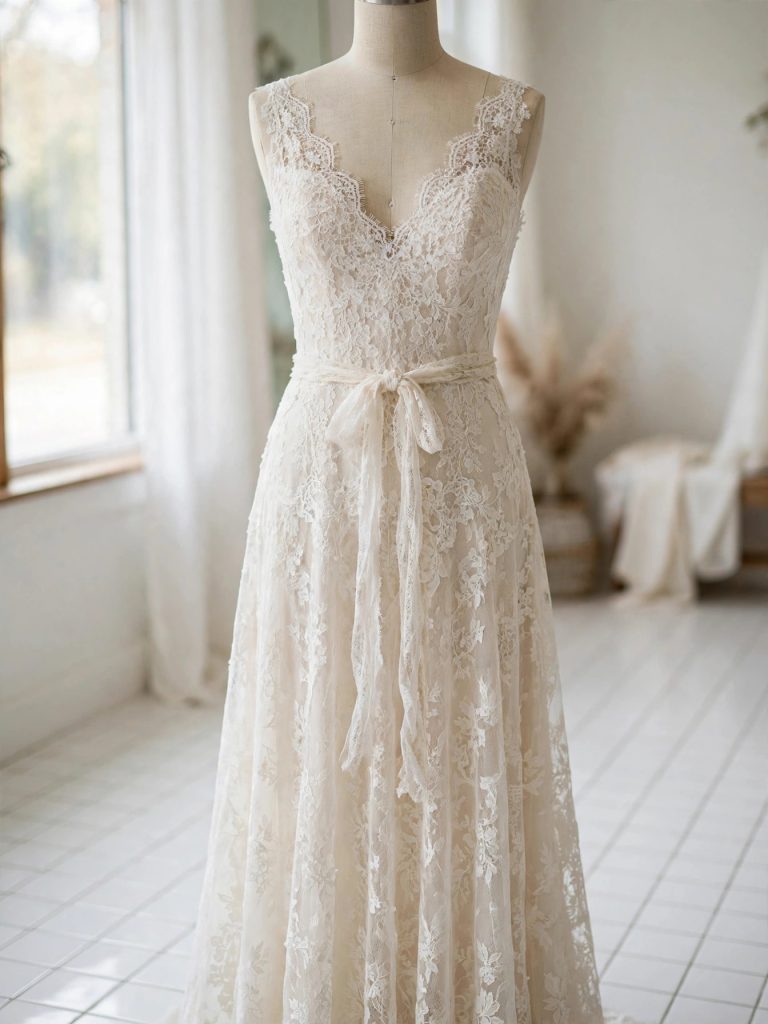
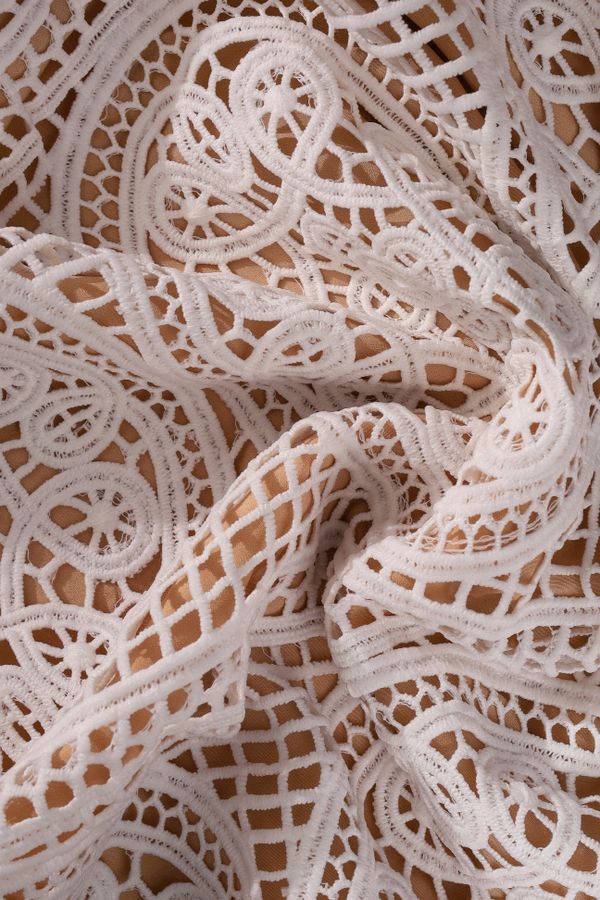
Lace raises the stakes in one specific place: the flare seam. Where the fitted body opens into the skirt, the lace motif has to turn a corner, and turning it by hand, matching the pattern across the seam, is slow work that shows at exactly the distance a wedding is photographed from. A run that skips the matching saves real money and produces a seam that reads as a join rather than a transition. It is the first thing a tailor notices about these gowns and the last thing a listing mentions, and alteration quotes on this style tend to begin at that seam, which tells you where the original saving was taken.
The alteration bill is part of the price
Honest costing of a budget tailored gown includes the work that will happen after delivery. Mermaid wearers sit, climb stairs, and dance in a dress built close to the body, so the fit that matters is not the standing fit in the fitting room but the fit after an hour of an actual wedding. Stores that sell this category well price that in: they sample the gown worn and moving, they write the hip ease and knee placement into the tech pack when they reorder, and their customers’ alteration bills stay small and predictable. Stores that buy on the invoice alone discover the rest of the price one bride at a time, in public, which is the most expensive way to learn arithmetic this trade offers.
Sample development is where the money desk tells buyers to spend first. One pre-production sample in the largest size the store plans to carry, worn sitting and walking, exposes the knee drift and the hip argument while both are still cheap to fix. Skipping that sample to save a few weeks converts a known, bounded cost into an unknown one spread across the whole order. No wait, it converts it into several unknown ones, because each size keeps its own version of the secret.
What the invoice should make a buyer ask
Ask for the knee line measurement at the largest size, in centimetres from the waist, and compare it with the sample size’s figure. Ask whether the lace is matched across the flare seam or cut through. And ask what the sample you approved was graded from, because a mermaid approved on the middle size and graded carelessly outward is a gown that has only really been designed once, in one size, with the other sizes left as an exercise for the wearer.
The money desk prices this mermaid file against the lace V-neck bridal and evening gowns range, reads the alteration notes beside the short off-shoulder satin bridal gowns file, and checks it against the wedding dress stain remover notes notes, because a fitted gown’s real cost is never only the invoice it arrived on.

Questions buyers and stores actually ask
Why does the flare start at the wrong place on the largest sizes?
The knee line was not graded as its own measurement. When only bust, waist, and length are graded carefully, the point where the skirt opens drifts up or down the leg as sizes change. A written knee measurement per size, agreed at sampling, is the fix, and it costs pattern time rather than cloth.
A fitted mermaid costs less here than a simpler gown elsewhere. Where is the saving?
Usually in grading and in the flare seam. Grading only the easy numbers and cutting the lace straight through the seam instead of matching it both save real money, and both show up later as fit complaints at the ends of the size run and alteration work at the seam.
What does a store actually save by ordering a sample in the largest size?
The whole argument, early. Hip ease and knee placement are hardest to get right at the top of the run, and one worn sample in that size exposes both while they are still cheap pattern changes. It is the standard sample development step for fitted styles, and skipping it spreads the same cost across every large-size order.
Can a boutique build a private label bridal line around a style like this?
Yes, if the fit work is written down. A custom bridal manufacturer can hold the hip ease, knee line, and lace matching from an approved sample across reorders, which is what turns a cheap fitted gown into a store’s own reliable line rather than a fresh gamble each season.
None of this makes the gown poor value. A lace mermaid at this price, graded properly and sampled honestly, gives a small store a fitted bridal line it could never fund from bespoke makers, and gives brides a silhouette that alteration alone cannot create from a lesser dress. The money was always going to be spent. The only choice the trade actually offers is whether it gets spent at the pattern table, where it is cheap and invisible, or at the alteration rail and the review page, where it is neither.