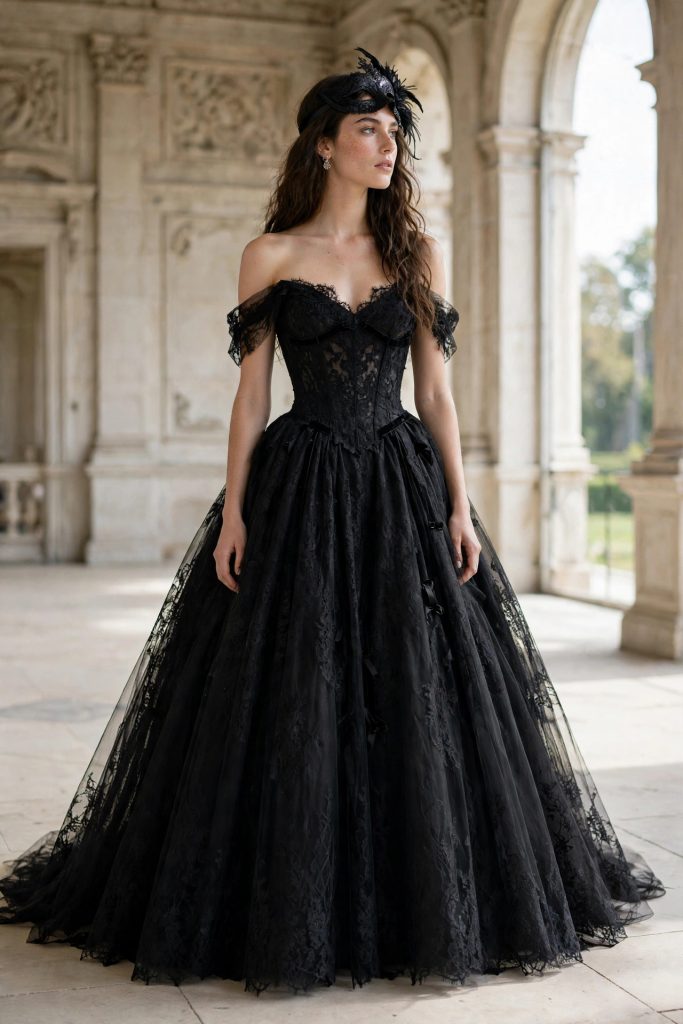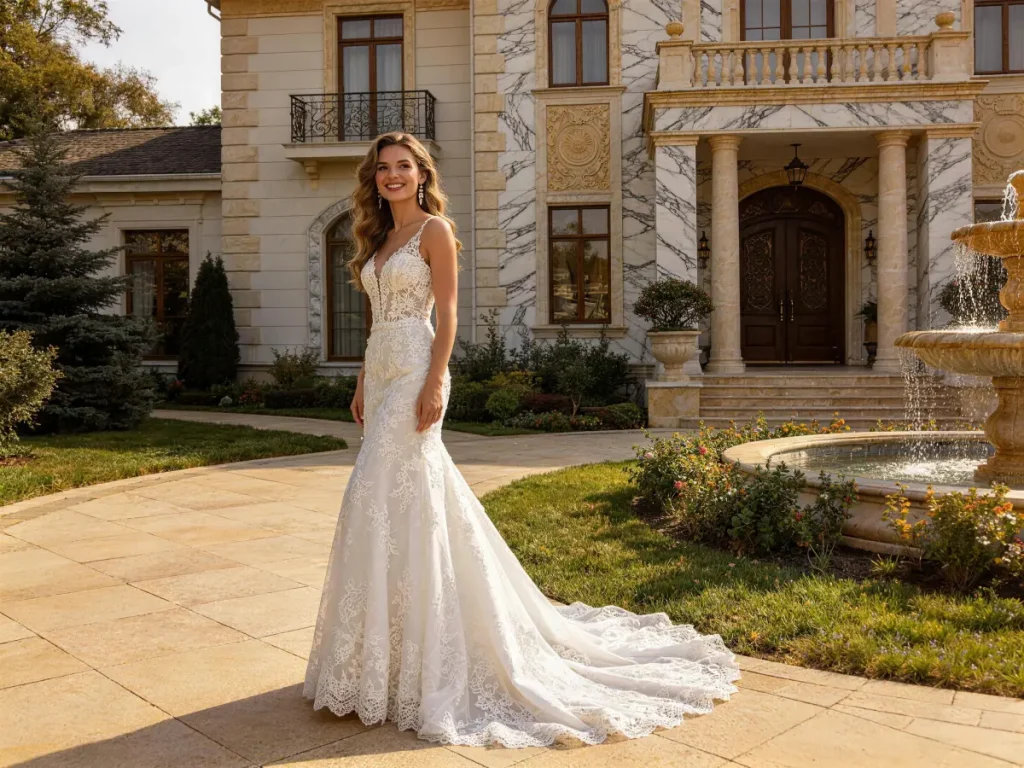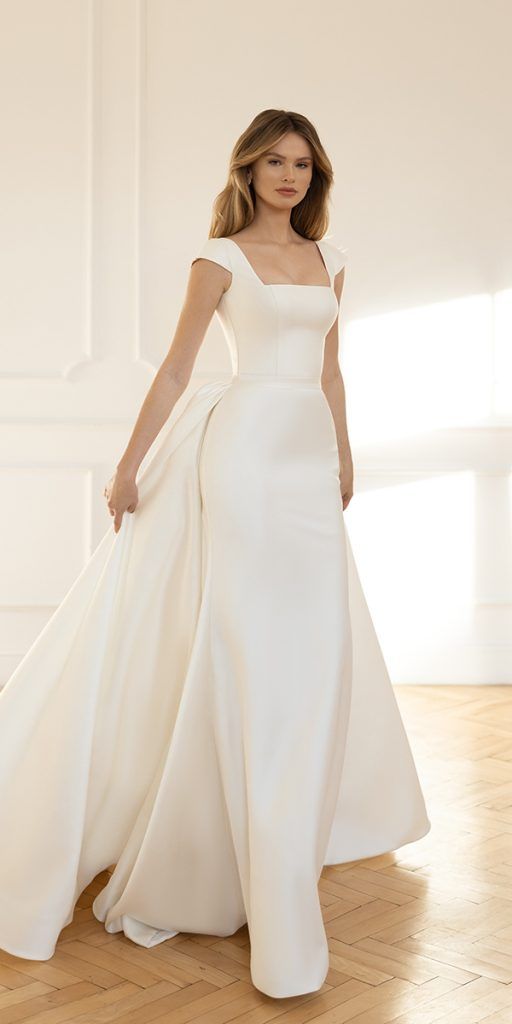
Buyer: Is it a costume or is it a dress? Floor: It is a dress that gets examined like a costume, which is harder. Buyer: Harder how? Floor: A bride in a plain gown forgives a loose thread because the day carries her past it. A woman who chose a renaissance V-neck gown for a Halloween wedding chose it on purpose, compared three others, zoomed into the seams on her phone. She forgives nothing. So the Scarlet Darkness renaissance gown in this review gets sewn, in effect, for the least forgiving customer in the building, and that turns out to be good for the gown.
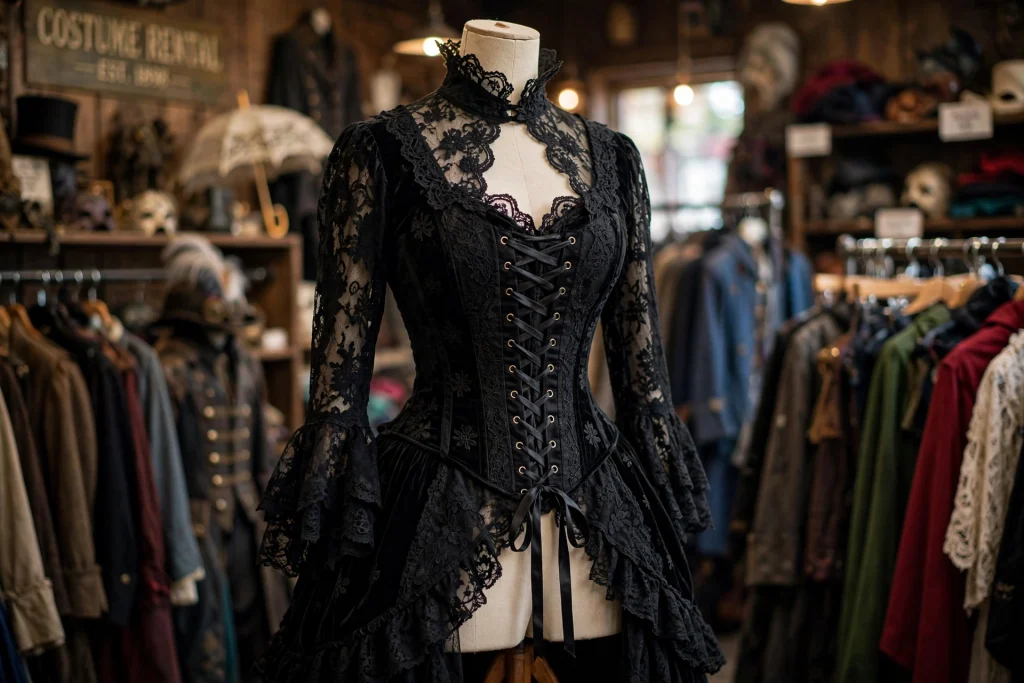
Buyer: The lacing down the front. Real or printed? Floor: On the version worth buying, real, or so well built that the difference cannot be read at arm’s length. Printed lacing is the first place a cheap period dress confesses, because print sits flat and light moves across it without catching. Real lacing casts tiny shadows, moves when the bodice moves, and costs the one thing this price band hates spending, which is minutes at a bench. Buyer: And if the lacing is real, what else is probably real? Floor: The trim will be sewn rather than glued. The skirt will have actual fullness instead of a photograph of fullness. Lacing is a tell. Shops order around tells.
Buyer: Why does the skirt look fuller than other dresses at this price? Floor: Because the pattern spends cloth where the eye goes. A renaissance silhouette is read from the side as much as the front, sweep and drape, and the makers of period styles learned early that their customers photograph from every angle at outdoor events. A flat back on this style would be found out by sunset. Buyer: The V-neck, though. Deep? Floor: Deep enough to be period, held by its facing. A V that is not faced properly rolls outward by the second hour and the neckline starts telling a different century’s story. On the samples that pass through this floor, the facing is the difference between the gowns that get reordered and the gowns that get discussed.
The part of the conversation about October
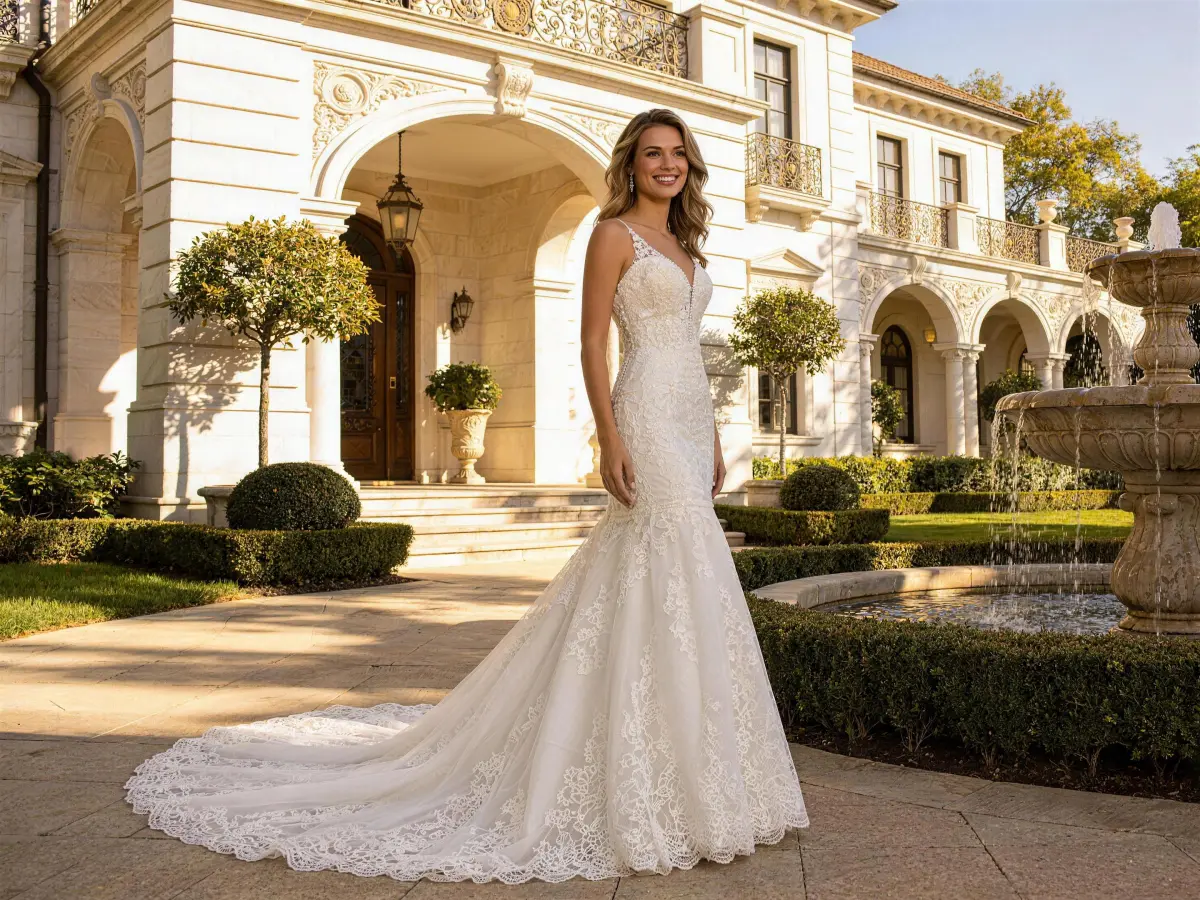
Buyer: Why does the same gown sell in June? Floor: Because a themed wedding is not a Halloween invention any more. Castles, gardens, barns with long tables. The June buyer and the October buyer are ordering the same dress for the same reason, a day with a world built around it, and the dress has to hold that world up for ten hours. Buyer: What breaks first, usually? Floor: Not the skirt. The small things at the front, where hands go. A trim end that was tucked instead of finished. A lacing tip that frays. October adds cold hands and gloves and doorways in the dark, and the front of this dress is a busy place for all of that to happen.
Buyer: If a store orders it for both seasons, what should the order say? Floor: Say the lacing construction out loud in the tech pack, real or built effect, and how the trim is attached, and that the facing on the V is not to be lightened on a reorder. Give the dress a movement test at sampling, arms up, sitting, stairs if the building has them, because a period gown is worn by a person playing a part all day and the part involves more choreography than a hotel ballroom does. No, I am not saying the June version needs different sewing. Same sewing. The calendar changes the inspection, not the dress, and October inspections are simply ruder.
That exchange gets filed with the gothic Victorian bustle wedding gown review anchor notes, the corpse bride wedding dress review October file, and the elegant formal dresses for guests and bridesmaids rail notes, because period styles borrow their problems from all three drawers.
Questions buyers and stores actually ask
Real lacing or a built effect: how can a buyer tell from a sample?
Handle the bodice and move it. Real or well-built lacing shifts slightly with the cloth, casts small shadows, and has finished ends you can find with a fingertip. Printed lacing stays perfectly flat and repeats without variation. Daylight tells the truth faster than a stockroom light does. If the lacing is honest, the trim attachment usually is too, because a factory rarely fakes the cheap part and honours the expensive one on the same bodice.
What movement test should a renaissance gown pass at sampling?
Arms raised, seated for ten minutes, and a flight of stairs if one is handy, with the wearer using the lacing and trim the way a day of photographs will. Period styles are worn actively, outdoors, across long events. A gown tested only standing in front of a mirror has been tested for a portrait, and its customers are not buying a portrait. They are buying a day in costume that has to survive being lived in.
A store wants this style for June weddings and October. One stock or two?
One stock can serve both if the build standard is held, since the dress itself does not change with the calendar. What changes is inspection and sell-through timing: October buyers scrutinise harder and buy later and faster. A wholesale order that names the lacing, trim attachment, and neckline facing in the file lets a dress supplier hold the same standard across both seasons, instead of a quieter build arriving for the second rush.
Buyer: Last thing. Is it good value or does it just photograph well? Floor: Stand it next to a printed-lacing version in daylight and handle both, and the gap is in the hands, not the camera. The weight. The way the bodice holds its shape when nobody is wearing it. Floor: Those are closer than you think with this style, because the photograph is where the scrutiny lives. But stand it next to a printed-lacing version in daylight and handle both, and the gap is in the hands, not the camera. The weight. The way the bodice holds its shape when nobody is wearing it.