Three. That is the number this listing is really about, because one formal style here is being sold to three different buyers at once: the wedding guest buying a single dress weeks ahead, the bridesmaid party buying six or ten in a run of sizes, and the themed party buyer who wants drama in October and wants it cheap. Sourcing reads the number differently from the way a shopper does. Three buyers means three calendars, three size curves, and three ideas of what a fault is, all landing on one pattern, one cloth, and one wholesale price. The dress does not change between them. The argument around it does.
One style name, three calendars
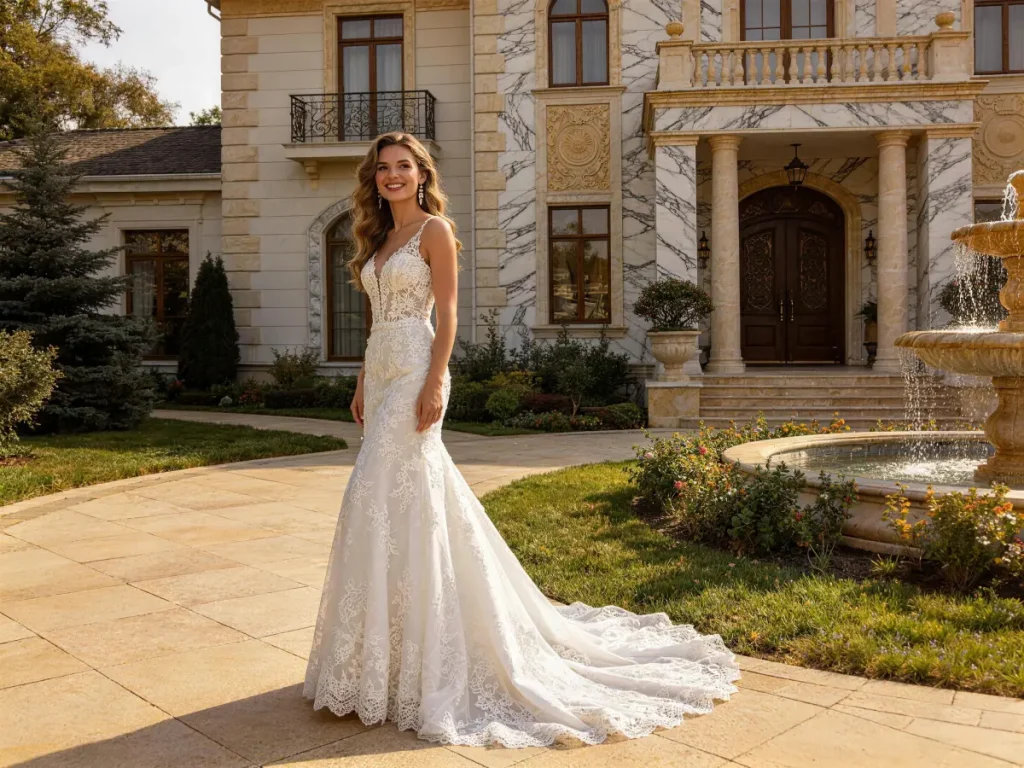
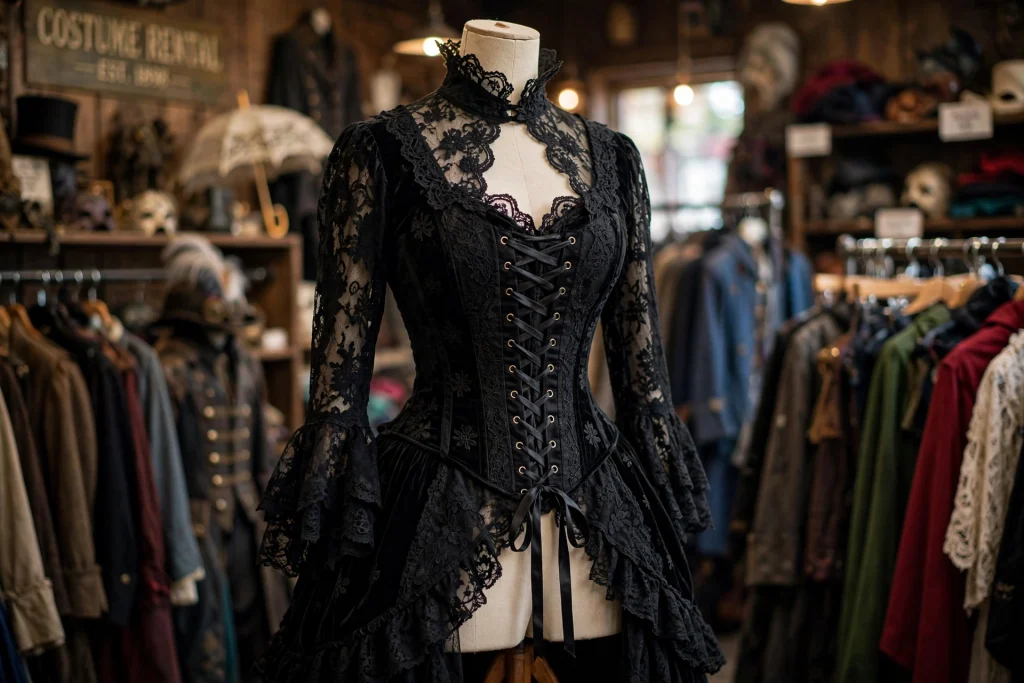
The guest calendar is the kind one. She buys early, tries the dress sitting down if she is careful, and judges it on one long day. The bridesmaid calendar is a group decision stretched over months, and it judges the dress in a line-up, which is a harder test than any single fitting. The party calendar is the shortest and the loudest: a few weeks of heavy demand, a taste for darker shades and stronger shapes, and no patience at all for a delivery that lands after the date. A garment factory quoting this style for wholesale has to hold all three calendars in one production slot, and the slot that suits the guest order, sewn calmly in spring, is not the slot the October rush is offering.
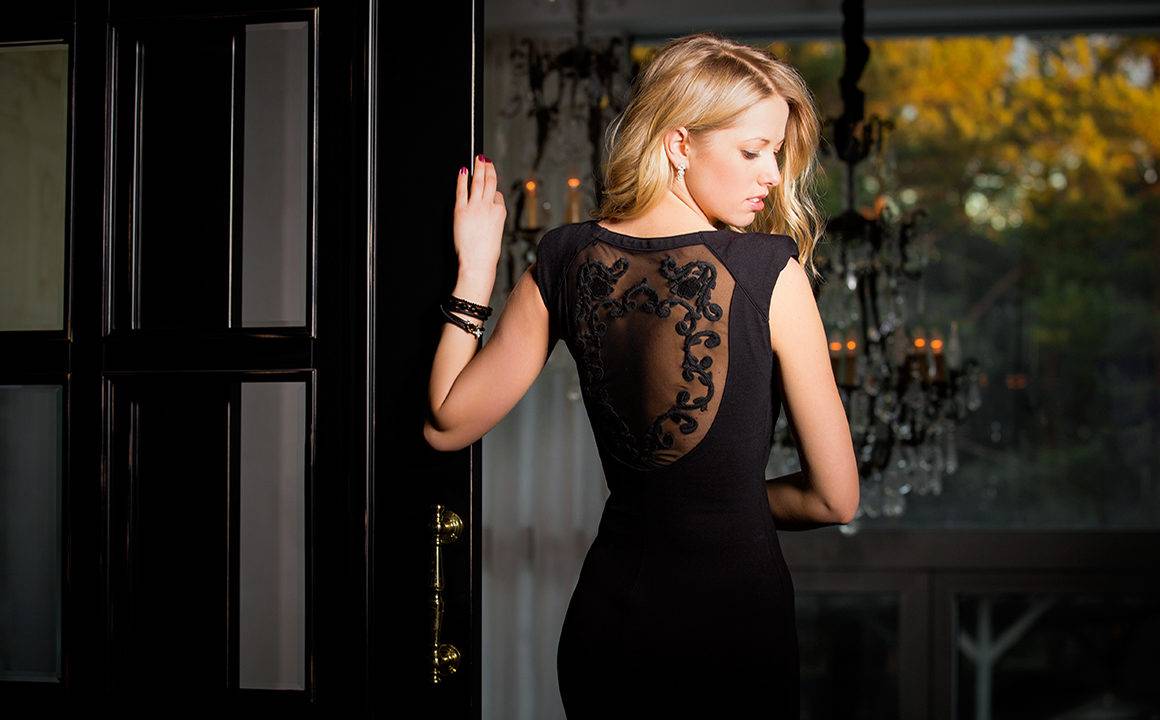
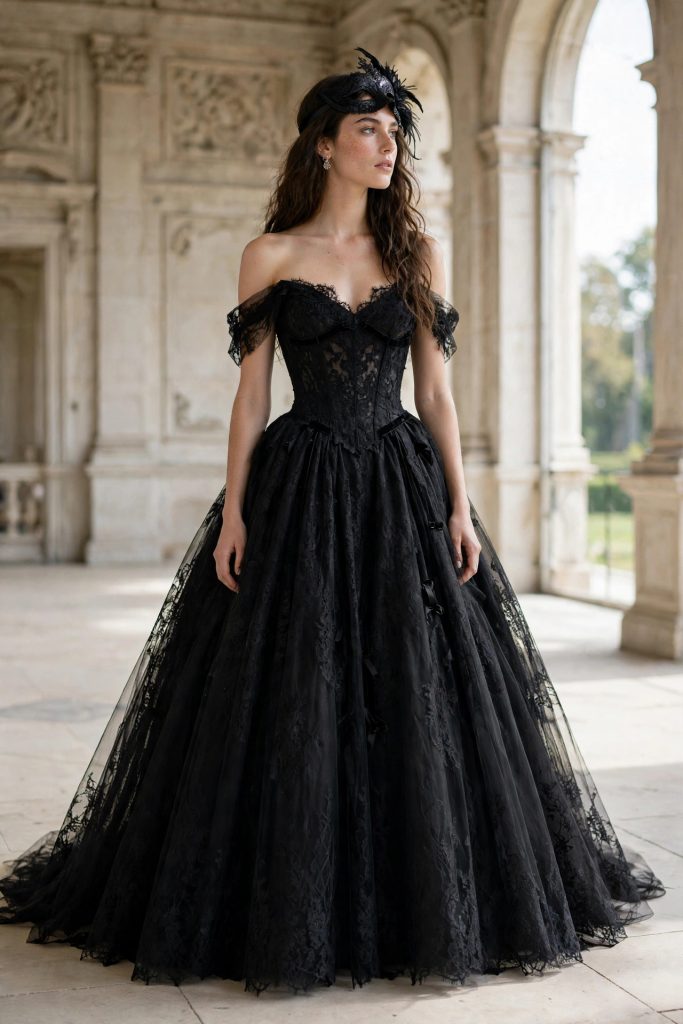
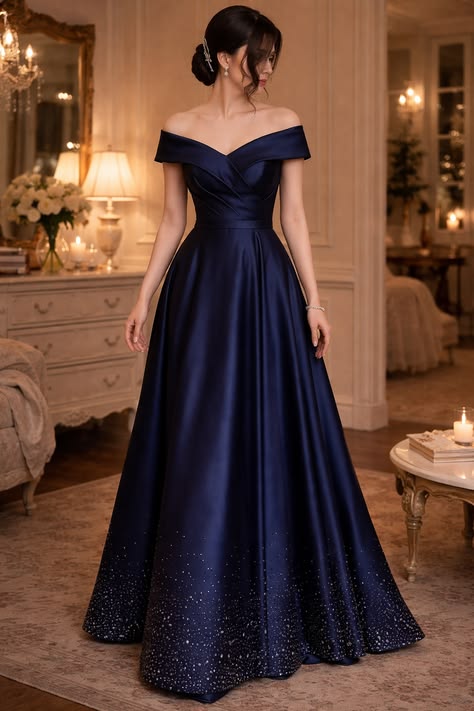
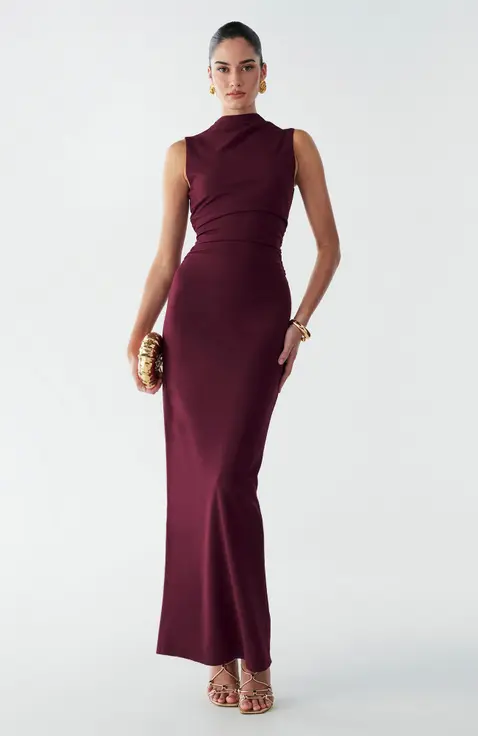
Colour is where the three buyers stop agreeing. Deep shades carry the range because they photograph warmly and forgive a long evening, but a party order lives or dies on the dresses matching each other, and deep shades drift between dye lots in a way a line-up photograph shows at once. The sourcing habit that guards a party order is dull and it works: one order, one lot, sizes written into a single tech pack, agreed before cutting rather than argued after delivery. Split the same style across three small orders a month apart and the shade can split with it, quietly, each dress correct on its own and wrong next to its sisters.
What the quote is actually made of
Two quotes for this style can sit far apart on cloth that looks the same in a photograph, and the gap usually lives in three unglamorous places: the lining weight, the zip, and how the hem is finished. None of them shows in a listing. All of them show by the third wearing. Buyers comparing dress manufacturer quotes for a boutique wholesale clothing range learn to ask about those three before they argue about the unit price, because a reorder built on the cheaper build is not a reorder of the same dress. It is a second, worse dress wearing the first one’s reviews.
The trial order question sits underneath all of this. Ten pieces per style is a real working quantity for a ready style like this one, enough for a store to learn its size curve and its shade story before committing. No wait, it teaches the size curve only if the store writes the sizes down as a curve instead of ordering the middle of the run twice. A trial heavy in middle sizes tells the buyer what she already believed. A trial spread across the run tells her where this dress actually sells, which is the only thing the trial was for.
In the same sourcing file this formal range gets costed beside the black short sleeve guest dresses notes, read against the floral mesh maxi dresses cloth file, and checked next to the red floral dresses for holidays and weddings range, because a buyer planning one occasion rail usually ends up planning all three.
Questions buyers and stores actually ask
10 pieces per style. Can a store really test a formal dress at that quantity?
Yes, if the ten are spread across the size run instead of stacked in the middle. A trial order at a low MOQ teaches a store its size curve and which shades its customers take, and both lessons are worth more than the dresses. Ten pieces in two middle sizes teach almost nothing, and the reorder then repeats the guess at a larger cost.
Three events on one listing. Which buyer should a boutique actually stock for?
The one whose calendar it can serve honestly. Guest and bridesmaid demand runs for months and forgives a reorder; themed party demand is a few hot weeks and forgives nothing. Most stores stock for the long calendar and let the short one buy what is already on the rail, rather than cutting a special run for a date that moves on without them.
The party order arrived in two shades of the same green. One order, one payment. What went wrong?
The order was probably cut across two dye lots. Deep shades drift warm and cool between lots, and a line-up puts the drift side by side under party lights. One lot for the whole quantity, agreed in writing before cutting, is the standard guard, and it has to be asked for, because a busy cutting room will not volunteer it.
A reorder six months later costs more than the first order did. Did the factory change, or the cloth?
Usually the cloth. Reorder pricing follows the current fabric price, not the price the first run enjoyed, and a first order sewn from stock cloth at a kind price sets an anchor the second run cannot match. The dress may be identical. The market underneath it moved, and the quote is just where that movement becomes visible.
And there is the season nobody puts in the listing. A formal style that sells to guests in spring and parties in autumn is, for a store, two seasons of rent from one rail, which is why these triple-duty styles survive every trend cycle. Sourcing’s worry is never whether the dress will sell. It is whether the version that arrives for the second season is still the version that earned the first one, same cloth, same lot discipline, same hem, because the buyers change but the reviews stay attached to the style name, and the style name cannot tell the two builds apart even when the wearers can.