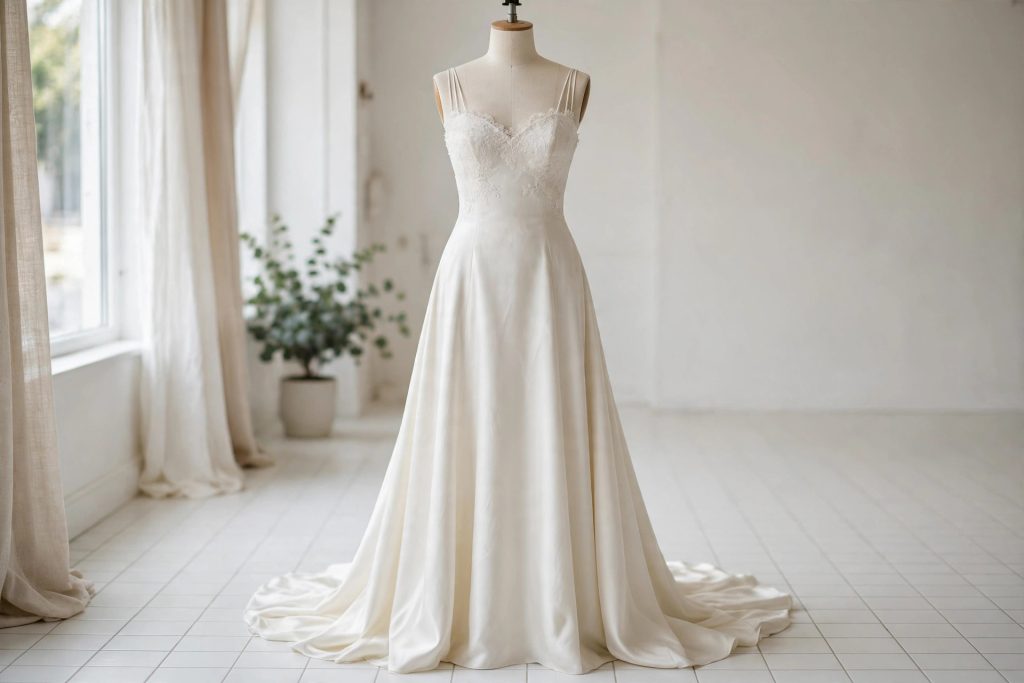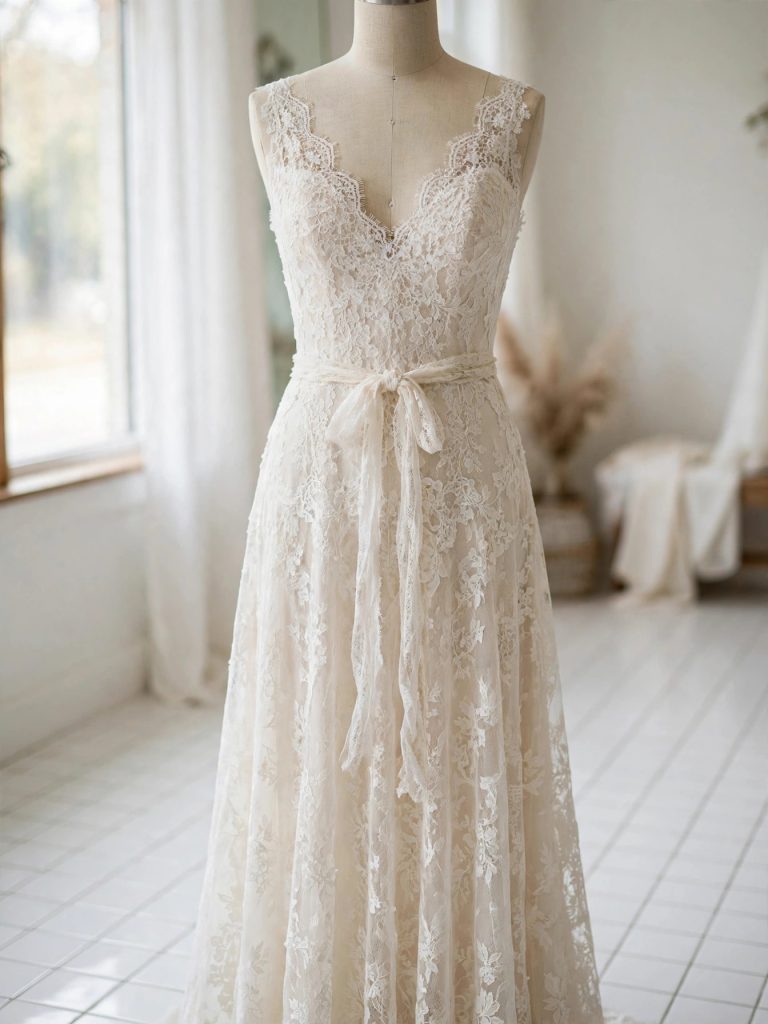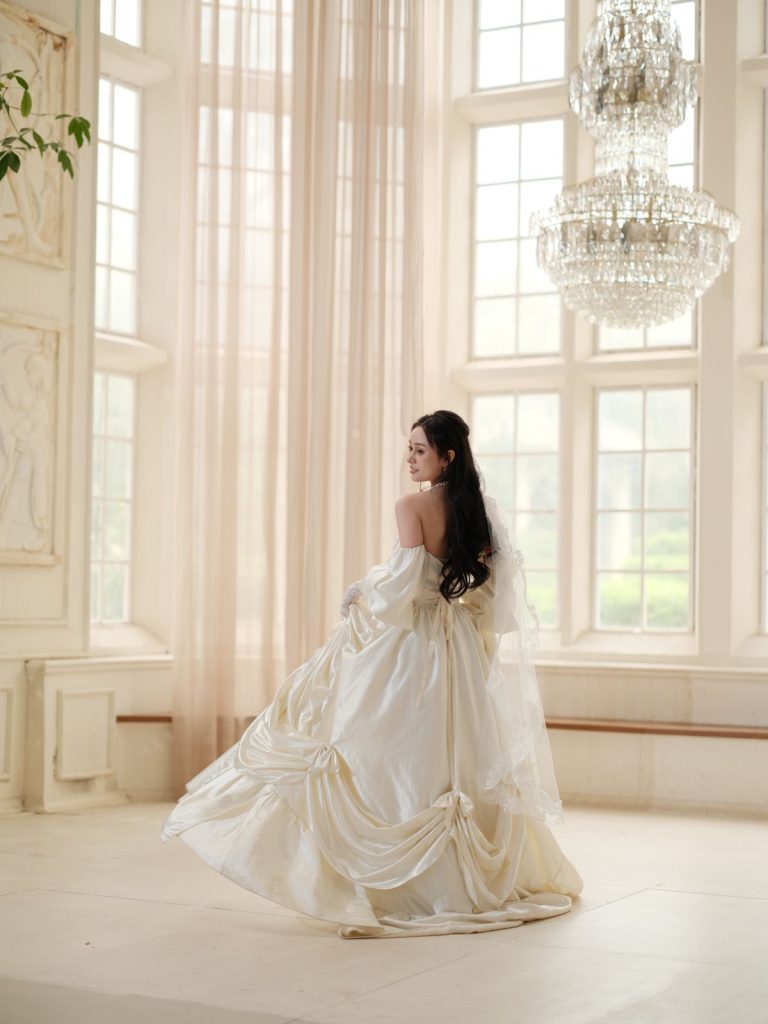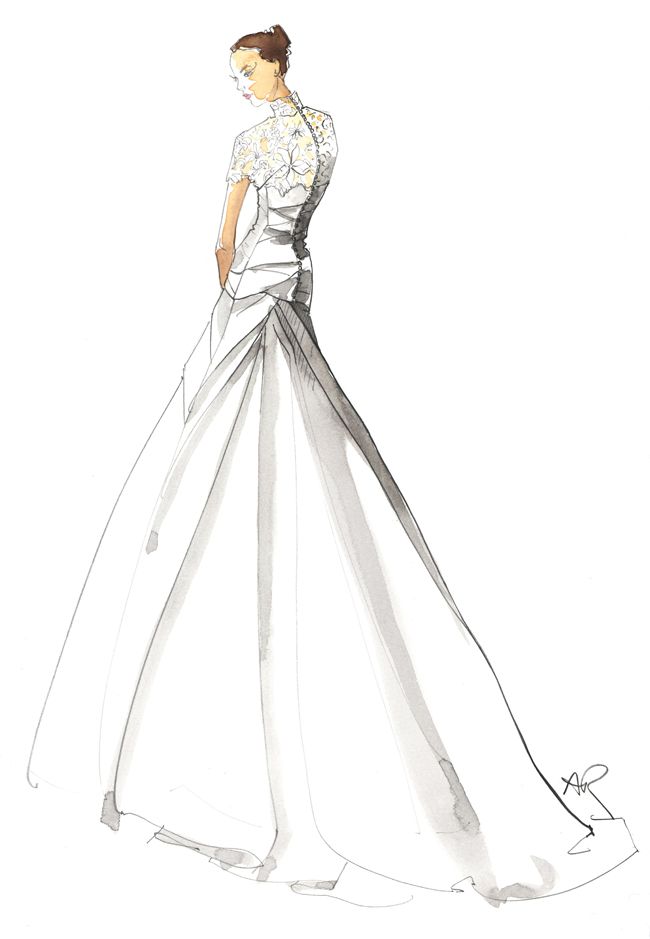
The dress was fitted over one body and worn over another. That is the shapewear problem as the returns desk meets it, season after season. A bride falls for a high-waist shaping brief, buys it after her final fitting or swaps it for a stronger one the week of the wedding, and the gown that was measured to the centimetre suddenly sits wrong at the waist, because the foundation underneath it changed the measurements the dress was built on. Customer service reads these messages on Mondays. The dress gets blamed first. The dress is usually innocent — careful, usually is doing some work in that sentence. The foundation moved, and the dress simply reported it.
The structure facts underneath this review, from the side that builds boned bodices for a living. A high-waist shaper and a wedding dress bodice solve the same problem from opposite directions: one compresses a body to a line, the other builds a line and lets the body live inside it. A structured bodice carries its shape in boning channels, a waist stay, and a firm interlining, which is why a custom gown from the Guangzhou factory holds a silhouette for twelve hours without asking the wearer’s ribs to do the work. Custom gowns start from one piece and run 10 to 15 days in the making once fabric is confirmed. A bride choosing between shapewear and structure is really choosing who does the holding, her body or the dress.
Fit the dress over the foundation you will wear
A high-waist brief with real compression can take a waist in by an inch or more, and it moves where the waist sits, which moves where a fitted bodice expects the waist to be. Fitters who do this well ask one boring question early: what will be worn underneath, and is that the final answer. The bride who brings her actual shapewear to every fitting gets a dress fitted to her real dressed body. The bride who treats the underlayer as a detail to settle later is, without knowing it, scheduling a second fitting problem for the busiest week of her life. Stores have started keeping a sample set of shaping briefs in the fitting room for exactly this reason. Trying gowns over a consistent foundation makes the sizes comparable, and it flushes out the swap problem while there is still time to solve it.
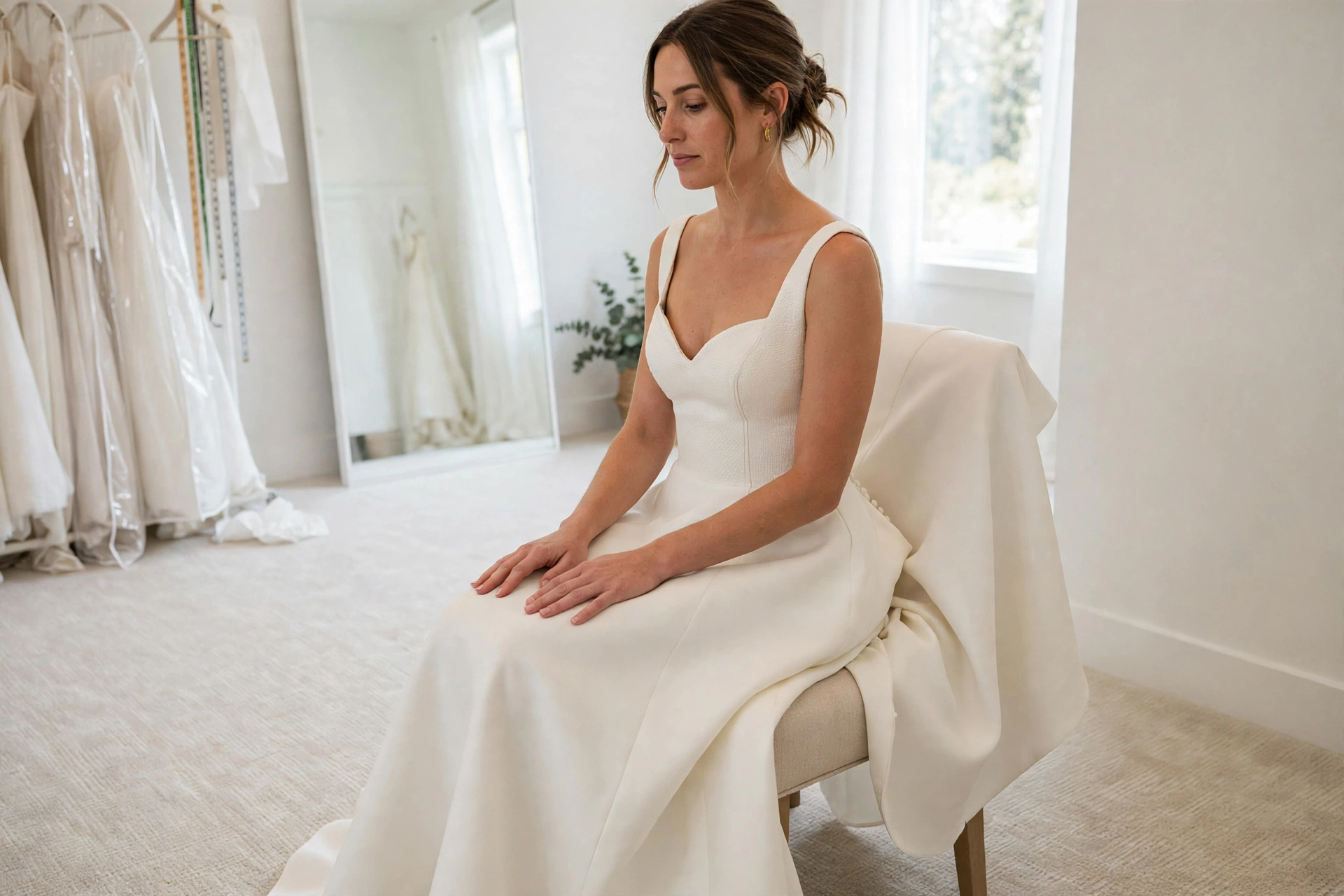
Rolling is the second complaint, and it has a sizing secret inside it. A high waistband rolls when the brief is a size too small, which is the opposite of what most buyers guess. They size down for more compression and get a band that folds over the moment they sit, dragging the dress fabric with it. The grip strips inside better waistbands help, but they help a correctly sized brief stay put. They cannot rescue a small one from physics. The sitting test in the fitting room, in the actual brief, on an actual chair, is worth more than the compression number printed on the packet, and it takes ninety seconds.
The long day edits every promise
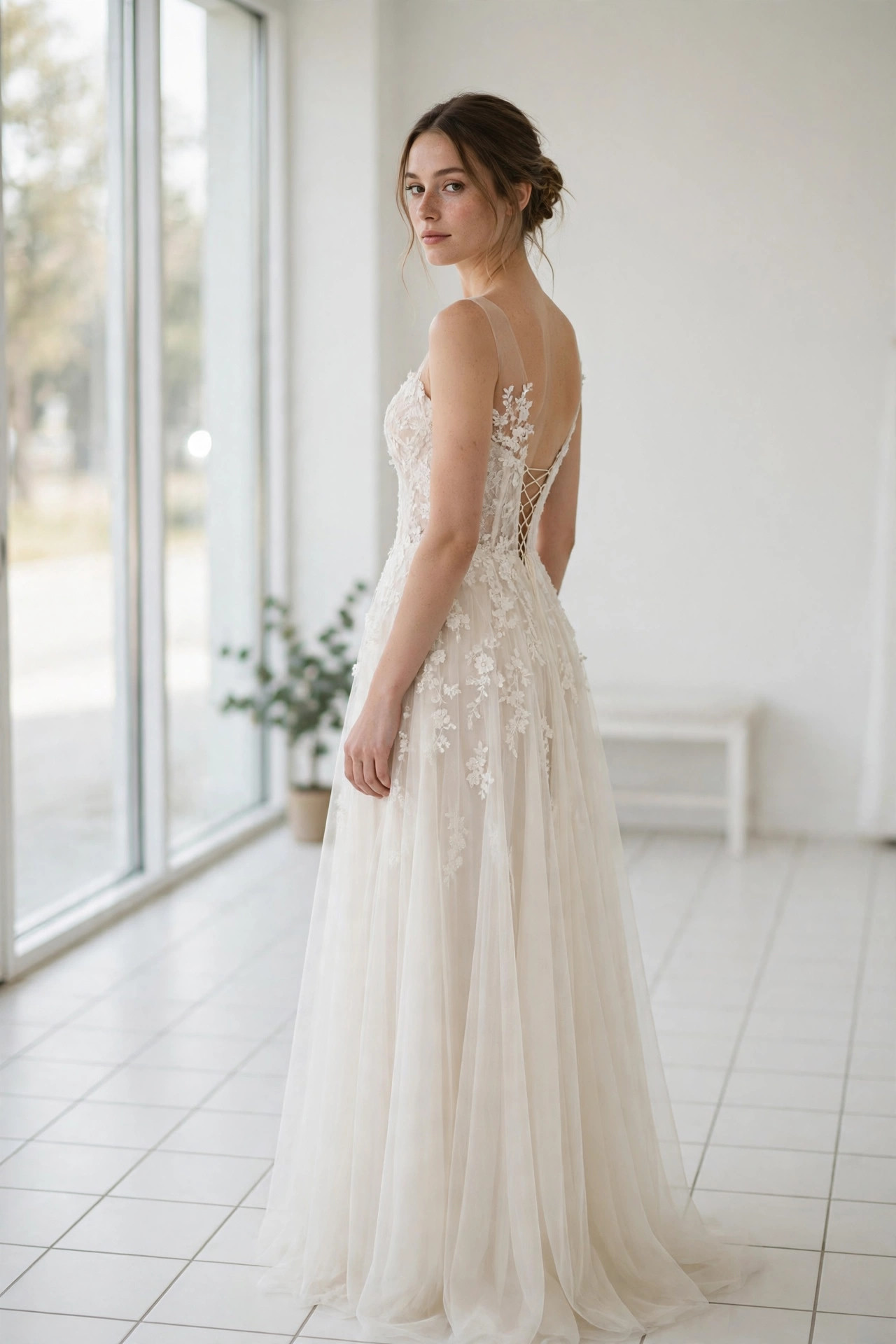
A wedding day is twelve hours of sitting, standing, eating, dancing, and at least one trip to a bathroom that was not designed for a gown and a shaping brief together. Shapewear that felt fine across a twenty minute fitting can become the thing a wearer thinks about all evening, and a wearer thinking about her foundation is not thinking about her wedding. The honest advice the returns desk wishes it could print on the box is unglamorous. Wear the brief for a full day at home before the wedding. Eat in it. Sit in it. Learn its moods while the stakes are low. The brides who do this almost never write to us. The pattern is that consistent, and I say that knowing full well nobody buys shapewear hoping to rehearse in it.
For stores, the wholesale side of this category is quieter but real. Bridal shops that stock a small shapewear range beside their gowns, sold as part of the fitting rather than as an afterthought at the till, see fewer fit complaints land on the dresses themselves. A private label range at a low MOQ trial order lets a shop test which compression levels its customers actually keep on past the fitting room. The data comes back fast in this category, because a brief that gets returned tells its story within one weekend.
The fitting room files this foundation question beside the square neck ruched bodycon maxi dresses fit notes, reads it against the ruched bodycon maxi dresses range, and checks it next to the two-season dress platforms platform file, because every fitted dress in the building is secretly a conversation about what is worn underneath it.
Questions buyers and stores actually ask
New shapewear bought after the final fitting, stronger than the old one. The dress feels tight. Alter the dress?
Not before checking the simpler culprit. A stronger brief moves the waist measurement and its position, so the bodice argues at a new place. Wear the brief you fitted in, if it still works, or take the new one back to the fitter for one check before anyone unpicks a seam. Altering a dress to fit a swapped foundation locks the mistake into the expensive layer, and expensive layers should be the last thing a fitting changes, not the first.
The waistband rolls every time she sits. Go a size down for a firmer hold?
Up, honestly. Rolling is the signature of a brief that is too small: the band cannot sit flat on a curve it is straining across, so it folds at the first sit. A size up with a grip strip inside the band usually stays where the smaller one would not, and the compression difference is smaller than the packet numbers suggest. The sitting test tells the truth in about a minute, in the shop, before the packet is even paid for.
First fitting is next week and the shapewear has not arrived. Reschedule, or go anyway?
Go, but treat everything decided that day as provisional. A first fitting over a borrowed shop brief still teaches the silhouette and the length. What it cannot settle is the final waist, so leave the bodice decisions that depend on it for the fitting where the real foundation is in the room. Brides get in trouble when a provisional fitting quietly becomes the final one and nobody, including the bride, notices the swap.
I still do not know why the foundation is treated as the last purchase when it is the first layer everything else is built on. Dresses get months of attention. The layer that changes the measurements of the body gets an impulse buy and a hope. The brides who reverse that order, foundation first and dress fitted over it, are not more organised by nature. Somebody just told them the Monday-morning version of the story early enough, and I would rather more of them heard it from a fitting room than from a returns form.