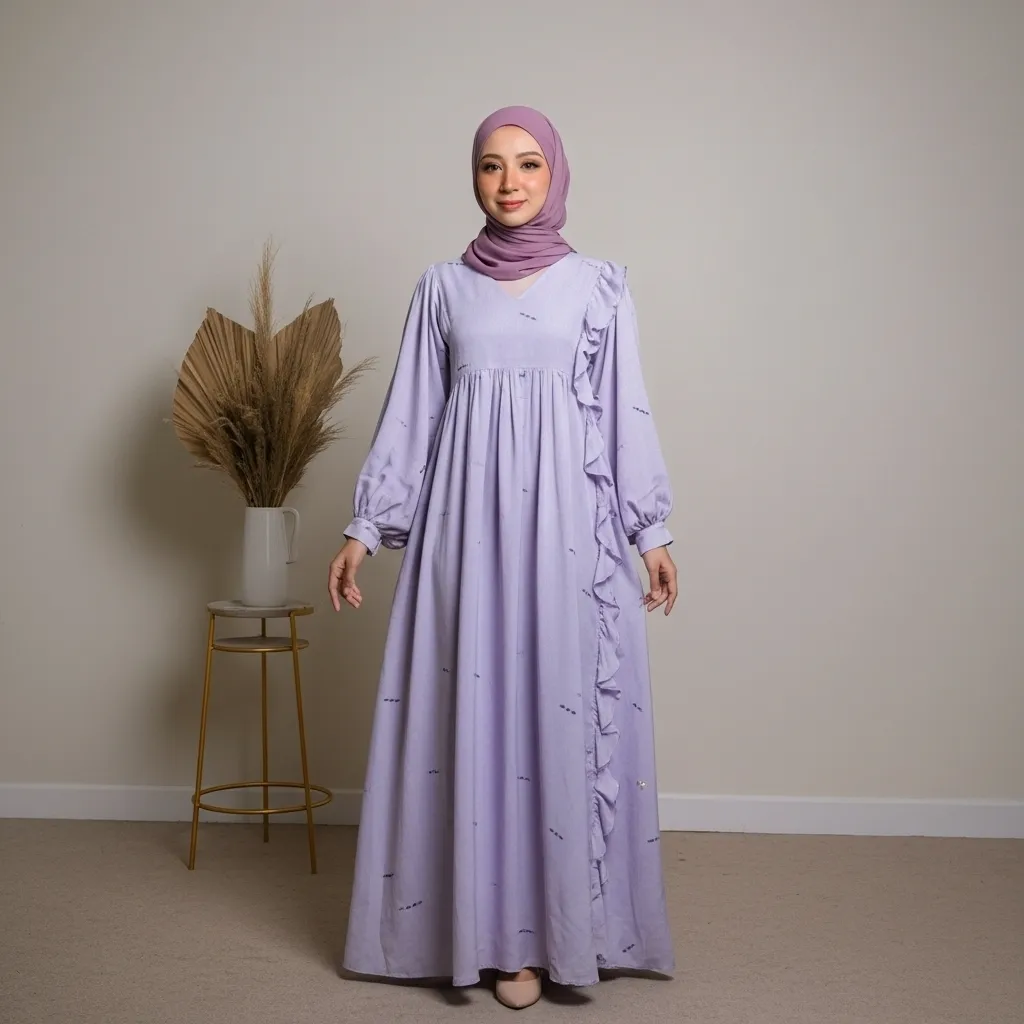
So a customer writes in, politely, that the dress was lovely and she is sending it back anyway. Covered to the wrist, covered to the throat, modest in every line of the description, and she could not raise her arms to hug her own mother at the wedding without the whole bodice travelling up with them. That message, in its dozen small variations, is where a long sleeve modest evening dress is really reviewed. Not on the hanger, where it is everything it promised. In the hug, and later, standing in garden sunlight, where the second promise, the one about opacity, gets tested by the weather.
A long sleeve is a promise about movement, not just coverage
Coverage is easy to sew. You extend the cloth to the wrist and stop. Movement is the part that has to be built, and it lives in the armhole, the least discussed seam on a modest dress. A sleeve set into a high, tight armhole covers beautifully and lifts badly, because every raise of the arm pulls on a seam that has nowhere to give, and the bodice answers by riding up and the waist seam ends the evening somewhere above where it started. A slightly deeper armhole, or a gusset of ease built under the arm, lets the sleeve do the travelling instead of the whole dress. Customers describe the fault as tightness. It is rarely tightness. The dress usually measures fine lying flat, which is how it was checked, by somebody whose arms were down.
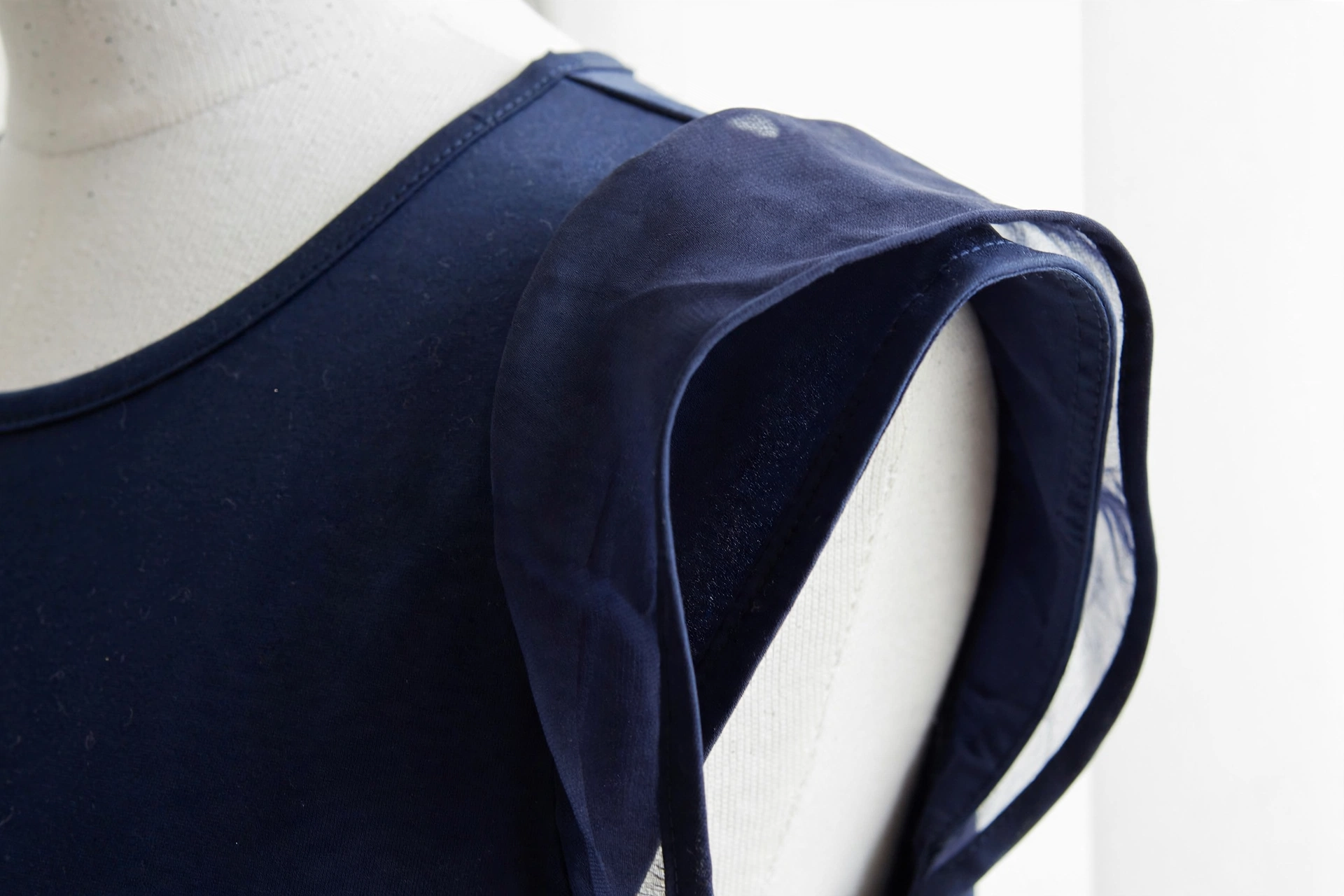
The cuff writes the second line of that story. A narrow cuff on a long sleeve decides how the arm bends at the wrist and whether a watch, a bracelet, or a prayer posture fits inside the evening. Sleeves that end in a tight band photograph elegantly and behave like a gate. The modest buyer often wears the dress for long formal days, religious observance, family photographs, hours of sitting and standing and embracing people, and her review is written by her wrists and shoulders, not by the neckline the listing talked about. Returns handlers in this category can spot the pattern without opening the parcel. The note says beautiful, the reason code says fit, and the dress inside is unworn past the first hour.
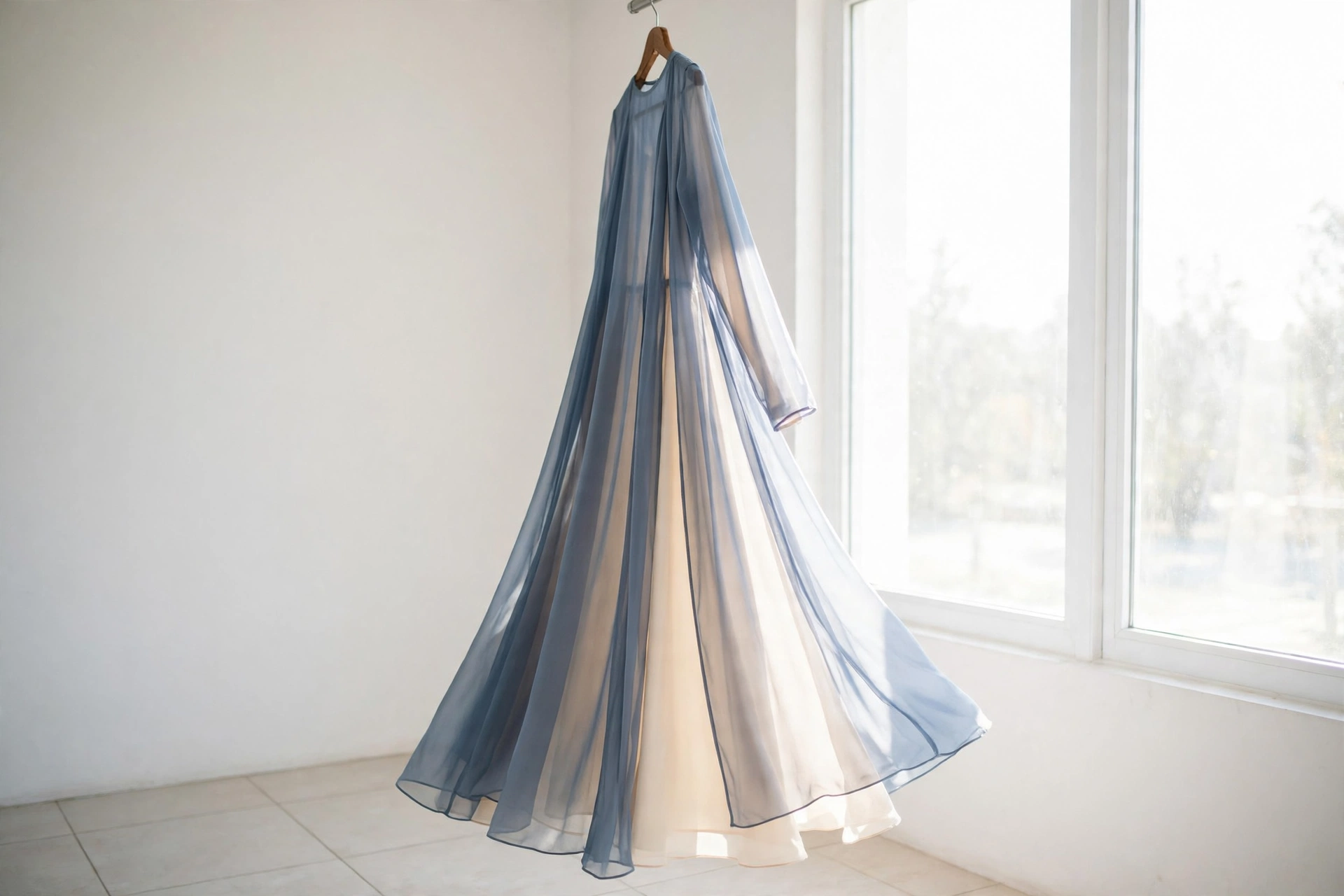
Covered and opaque are two different dresses
Sunlight is the second reviewer, and it is stricter than the first. A chiffon or crepe modest dress can cover every centimetre of skin and still go transparent in garden light if the lining under it is thin, short, or a shade that glows against the outer cloth. The lining question is not whether one exists. Plenty of returned dresses have a lining, photographed and listed. It is whether the lining is opaque in daylight, whether it runs the full length the outer dress runs, and whether it stops a hand’s breadth above the hem, which sunlight finds in one step outdoors. Testing is embarrassingly simple and rarely done: hold the dress between you and a bright window, put your hand behind the skirt, and look at your own fingers. If you can count them, so can the garden.
Colour changes the answer, which stores learn shade by shade. The same dress in a deep tone passes the window test easily while its pale sister fails it, because opacity is a property of the colour as much as of the cloth. A boutique stocking wholesale modest dresses across a colour range is really stocking several different opacity risks wearing one style name, and the pale shades need the heavier lining decision made at ordering, not an apology made at the returns counter. No wait, apology is the wrong word for what happens there. What happens there is a refund, and a customer who does not come back for the deep shade either.
The returns desk files this modest range beside the modest dresses in the neighbouring file notes, reads it against the sequin and beaded mermaid gowns file, and checks it next to the evening styles in the same sourcing round range, because covered dresses get returned for covered-dress reasons and the desk keeps those reasons together.

Questions buyers and stores actually ask
She could not lift her arms without the whole dress riding up. Is that a sizing fault?
Usually it is an armhole fault wearing a sizing fault’s clothes. A high, tight armhole on a long sleeve leaves the arm nowhere to travel, so the bodice travels instead. The dress can measure correctly flat and still do this. Trying a sample with arms raised, hugging height, tells you in five seconds what a tape measure will argue about all week.
The listing says fully lined. Why did the skirt still go see-through in the garden?
Because lined and opaque are different claims. A thin or short lining under a pale chiffon passes a showroom and fails a sunny lawn. The window check settles it: dress against bright light, hand behind the cloth, count your fingers. If they show, the lining is a rumour, whatever the listing called it.
Deep shades fine, pale shades returned. Same dress, same maker. What changes?
The colour does the lining’s work in the deep shades and refuses to help in the pale ones. Opacity lives in the pairing of cloth, lining, and shade, so one style can honestly pass in navy and fail in blush. Stores learn to order the pale shades with the heavier lining specified, or not to order them at all.
A trial order of 10 pieces per style. Can ten dresses test both promises?
Ten can test the armhole promise completely and the opacity promise partly. Raised-arm try-ons across the size run settle the sleeve question in a day. Opacity needs the pale shade in the trial and a bright window, which a small batch allows if the buyer remembers to include the risky colour instead of only the safe one. Trials fail when they test the easy version.
None of this argues against the style. A long sleeve modest gown done with a giving armhole and an honest lining is one of the steadiest sellers in the evening file, bought for weddings, formal dinners, and observant occasions by customers who reorder the moment a maker gets it right, because getting it right is rarer than it should be. The dress keeps its promises or it does not, and both promises, the arm that rises and the skirt that stays opaque in the sun, were sewn in long before the box was opened.