
The cheapest summer wedding guest dress of the year is sold in the month nobody can wear it, and most buyers read that timing as a gift. I read money for a living, the deposits and balances end of this trade, and from my chair the November price on a PRETTYGARDEN formal summer dress is not generosity. It is three separate bills changing hands at once, and the buyer is only shown one of them. A discount always has a source. When the source is hidden, the source is usually the dress itself, or the warehouse it slept in, or the return that will never get filed because the wedding is still seven months away.
A summer dress in November is a loan
Start with the warehouse bill, because it is the most honest of the three. Summer stock carried into winter sits in cartons that cost rent by the month, and the cash inside those cartons is cash the seller cannot spend on the winter range that is actually moving. Cutting the price in late November converts a slow asset into money before the year closes, and the size of the cut tracks the cost of carrying the stock, not the cost of making the dress. The buyer, without knowing it, has been paid a small fee for lending the seller her storage space and her patience. There is nothing wrong with that fee. It is worth knowing it is a fee, though, because fees end when the storage problem ends, which is why the same dress is full price again by spring without a single stitch changing.

The second source is quieter, and it lives inside the dress. A style that sold through summer gets run again for the big sale weekend, and a later run is a fresh chance to shave the spec: a cheaper lining roll that happens to be in the building, a lighter zip, a few QC minutes trimmed off each piece because the line is racing a shipping date. The photographs do not change. The listing does not change. What changes is weight, mostly, a handful of grams per dress that nobody weighs until two versions of the same style end up on the same scale. Boutiques that buy this category every year learn to weigh the November dress against the May dress and to look at the lining under daylight, because the drift, when it comes, shows in those two places before it shows anywhere else.
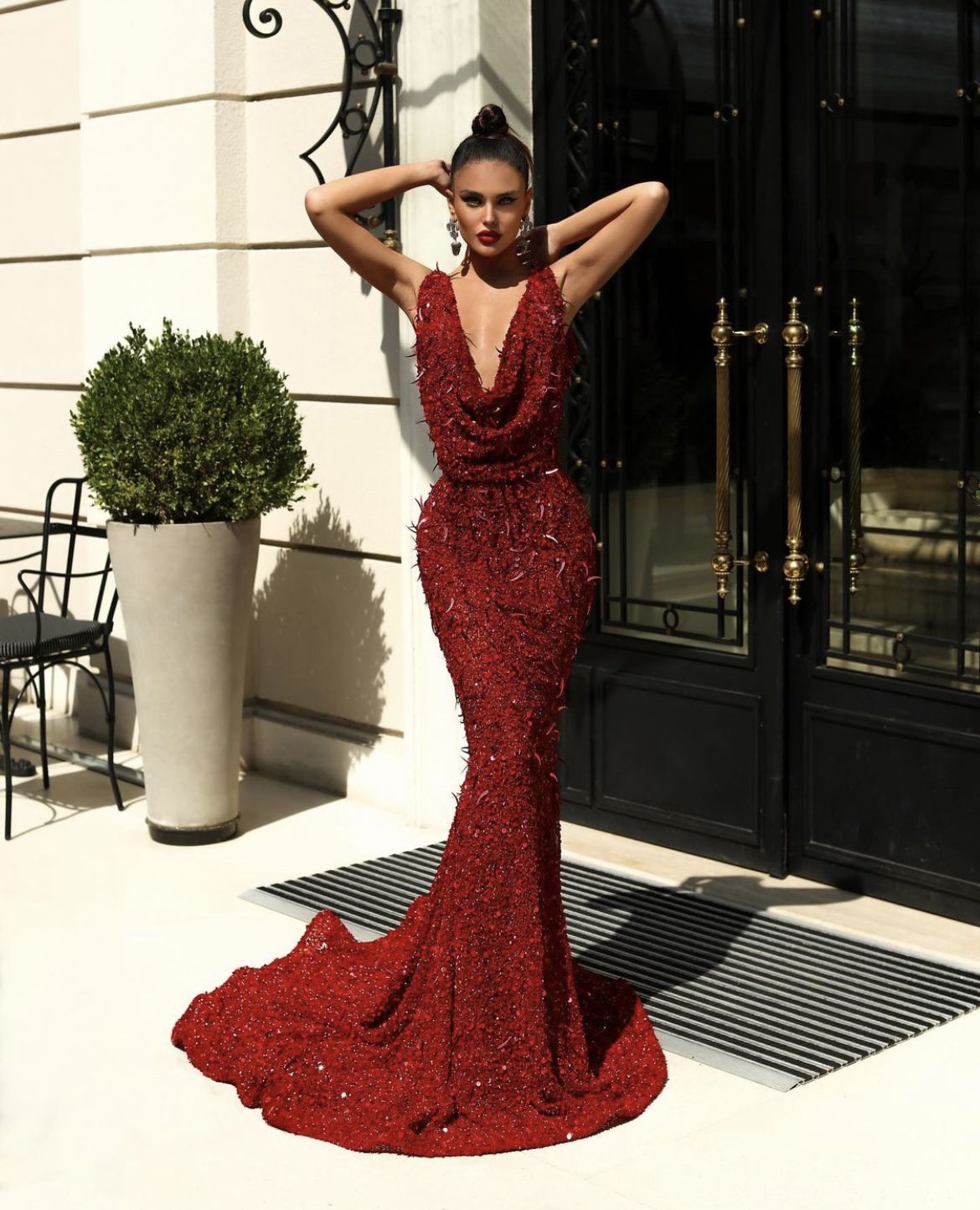
The return that never gets filed
The third source is the return rate, priced in advance. A guest dress bought for a July wedding and delivered in November sits in a wardrobe while the return window quietly runs out, and by the time the fit is judged in real light, at a real event, the dress is the buyer’s problem rather than the seller’s. Sellers know their event categories return at a lower rate when the purchase happens months early, and some of that expected saving is handed back as the headline discount. No wait. Handed back is too kind. It is spent, by the seller, on the advertisement that sold the dress. The buyer’s low return risk is the media budget. I have sat in enough of these pricing conversations to know the line is rarely said out loud, and it is in the spreadsheet every single time.
The money desk files this November guest dress beside the ruched bodycon maxi bought for Cyber Monday, reads it against the formal dresses range for wedding guests, and prices the season next to the high neck split dress file, because all four are warm-weather dresses whose winter price says more about the calendar than about the cloth.

Questions buyers and stores actually ask
The same dress was 40 percent off in November and full price in May. Same dress, or same photograph?
Same photograph, and the dress is the part you have to check. The style, the cut and the listing carry over between runs, while the lining roll, the zip grade and the minutes spent checking each piece can all move quietly in a later run sewn against a sale deadline. Weighing the two versions and reading the lining colour in daylight settles most of it. A dress that matches on weight and lining is the same dress wearing a calendar discount, which is the kind worth having.
A trial order runs at 10 pieces per style. What does a November trial prove about a summer line?
Less about summer than buyers hope, honestly. Ten pieces bought in November prove the current run: its lining, its zip, its sizing as sewn this time. They say very little about the run that will be sewn in April for the season itself, because that run has its own cloth and its own deadlines. A boutique that treats the winter trial as a spec sheet, photographs it, weighs it and keeps one piece back as the reference, gets real value out of the ten. A trial treated as a promise gets a surprise instead.
The November dress weighs a few grams less than the May one. Where did the grams go?
Usually the lining, and after that the zip. Shell cloth is the visible part of the dress and the part a seller is least free to change, so savings gather in the layers nobody photographs: a lighter lining roll, a shorter or lighter zip, a facing cut narrower than the sample had. A few grams is nothing on one dress. Across a size run it is the margin the sale price was built on, and it is also where wear shows first, at the lining seams, somewhere around the third wedding.
If the discount is real money, why does the price jump back in January instead of easing up slowly?
Because two of its three sources expire on a date, not on a curve. The warehouse wants the cartons gone before the year closes, and the sale weekend concentrates buyers who would otherwise spread across a season. Once the cartons are cleared and the weekend passes, the dress goes back to being priced as a dress. The jump looks dramatic because the November price was never really the price of the garment. It was the price of the garment plus a storage problem, and storage problems end all at once.
I still think a November guest dress can be a sound buy, for a buyer who weighs it, checks the lining in daylight, and tries it on the week it arrives instead of the week of the wedding. The money is real. So is the drift. What I cannot settle, at my end of the trade, is why the honest version of this bargain is never the one printed on the banner, when the honest version is not even a bad bargain. It is just a smaller one than the percentage claims, and smaller true things seem to frighten this trade more than large vague ones do.