Start at the end, on a rail in the second week of December, because that is where a holiday cocktail dress either earns or embarrasses itself. The RUMIA three-quarter sleeve dress in front of us is a party style with a longer job than most: office parties, family dinners, a winter wedding or two, all inside about three weeks. I walk buyers through orders like this for a living, from the sourcing desk, and the buyers who land it well start with the December date and walk backwards, every step carrying a cost, a timing and a small trap.
Walk backwards from the party, not forwards from the photo
The last step backwards is freight, and it is the step new buyers price last and regret first. A cocktail order that has to be on a rail by early December cannot ride the slowest option in late November, when every other seller in the trade is shipping into the same three weeks. Small lots under 20 pieces move at about $17 to $22 per kilo, and twenty pieces and up go by express at about $13 to $20 per kilo, but near the holidays the number matters less than the queue. A carton that misses its flight by two days in June is an annoyance. The same carton in December is a missed season, because a holiday dress has no January.
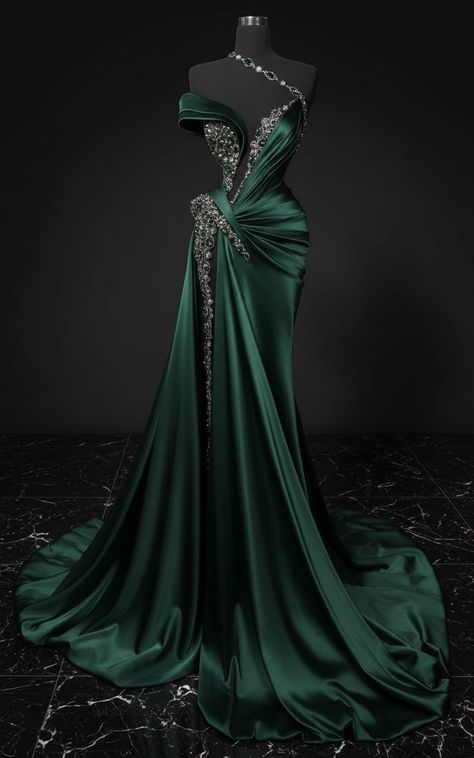
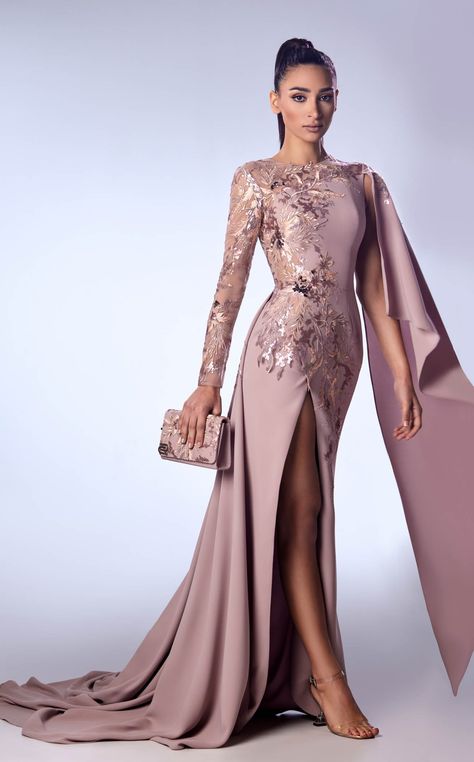
Behind freight sits bulk production, 20 to 30 days once the pre-production sample is approved, and this is where the three-quarter sleeve starts asking its questions. A sleeve at that length lives or dies at two points the listing never mentions: the cuff opening, which has to pass a hand and sit over a wrist without climbing, and the elbow, which needs ease the size chart does not print. In a tech pack those two points get numbers. Without numbers they get opinions, and opinions differ between the sample room and the bulk line. The bodice carries its own quiet spec too. Whatever support sits inside it, coil width and grade, belongs in writing, because a dress asked to hold its shape through a twelve-hour wedding day is a different garment from one asked to hold it through a four-hour dinner, and the difference is decided on paper long before it is decided on a body.
The sample is a rehearsal with a clock on it
Sampling runs 10 to 15 days after the tech pack is confirmed, and the trap inside this step is the word confirmed. Buyers count from the day they send the request. The sample room counts from the day the spec stops changing, and a sleeve length moved twice by message costs more days than the sewing does. A general style sample fee sits at $45 to $75 per piece, half of it back against the bulk order for that same style. Wasted, here, has a specific shape: a sample tried on standing up, in a warm room, by one person, and approved. A three-quarter sleeve dress should be approved sitting down, arms raised, a wrap pulled on and off over it, because December will do all of that to it in public.
The step before sampling is the trial itself, and for this category a trial order of wholesale dresses at 10 pieces per style, sizes mixed inside the style, is the honest size of the test. Ten pieces spread across the size run tell a boutique how the sleeve grades, whether the cuff opening survives the larger sizes, and whether the colour reads the same under shop light and party light. No wait. Colour is the one thing ten pieces cannot settle, because ten pieces come off one lay of one dye lot, and the reorder in a second lot is where shades drift. What ten pieces settle is construction. Colour gets settled by one piece kept back, unwashed, as the reference for the next lot.
The sourcing desk times this holiday cocktail order against the A-line summer cocktail dress file, checks the formal end beside the one-shoulder black tie guest dress review, and keeps the season honest next to the 1950s vintage dress range, because a December rail is planned in the same week as dresses that answer to three different calendars.
Questions buyers and stores actually ask
Ten pieces per style sounds tiny for a holiday range. What does a 10-piece trial actually settle before December?
Construction, mostly, and that is not a small thing. Ten pieces across the size run show whether the cuff opening grades honestly, whether the elbow ease survives the larger sizes, and whether the bodice support written in the tech pack is the support that got sewn. What the trial cannot settle is the second dye lot, because all ten pieces share one lot. Keep one piece back as the shade reference and the trial has done the whole job it can do.
The sample landed in 13 days and felt fine. Why am I still uneasy about a bulk run finishing in late November?
Because the sample proved the dress and the calendar is a separate risk. Bulk production runs 20 to 30 days after the pre-production sample is approved, and a late November finish pushes the cartons into the tightest freight weeks of the year. The unease is usually correct, and the fix is boring: count the freight window first and let it set the approval deadline, not the other way round.
The 3/4 sleeve fits at the cuff and pulls at the elbow. Size fault, or a spec I never wrote down?
A spec you never wrote down, nine times out of ten. Cuff opening gets measured because it is easy to measure. Elbow ease lives inside the sleeve pattern and rarely appears on a size chart, so a grading that only follows the chart arrives at the larger sizes with a handsome cuff and no bend in the arm. The sample check is physical: sit, raise both arms, hold a glass. If the elbow argues during that short test, it will argue all evening in December.
Freight on small lots sits near $17 to $22 a kilo and climbs near the holidays. Is the factory padding that bill?
Usually not, and the invoice tells you why if you read the dates on it. Under 20 pieces the per-kilo rate is simply the small-lot rate, and the holiday climb is capacity, every seller in the trade shipping into the same weeks at once. Twenty pieces and up move by express at about $13 to $20 per kilo, which is why splitting a holiday order into two small lots is the most expensive way to feel cautious.
Private label buyers add one more step at the front of the walk, their own label and hang tag work, and it looks trivial and is not. Labels sewn in during bulk production cost almost nothing in minutes. Labels forgotten until the cartons are packed cost a reopening of every bag. The label question now sits in my first conversation about a holiday order, next to the freight window. The dress deserves the love, honestly. A three-quarter sleeve cocktail dress is one of the few party styles that flatters a wide age range and photographs warm instead of formal. It just refuses to be ordered forwards, from the photograph. Ordered backwards, from the December rail, it is a plain sequence of dated decisions, and plain sequences are what actually arrive on time.