Nobody tells you this about a bridal emergency kit, so I will. The 60-plus pieces are not the product. The product is the five minutes after something goes wrong, and whether the thing that went wrong has its answer inside a small bag or whether somebody is driving to a pharmacy in formal clothes while a photographer waits. I sit on the financial side of this trade, the side that watches what people pay for peace of mind and what peace of mind actually costs to put together, and an emergency kit is one of the purest peace-of-mind products sold anywhere near a wedding.
Count the pieces the way an invoice counts them and the spell breaks a little. A kit that advertises sixty pieces often reaches that number by counting individual pins, individual plasters, individual cotton pads. Twenty safety pins is not twenty solutions. It is one solution with spares. That is not fraud, it is arithmetic wearing a party dress, and once a buyer sees it she can price the kit honestly, against the dozen or so distinct jobs it can actually do. Mend a hem. Pin a strap. Blot a stain. Cover a blister. Replace a lost earring back. Fix a broken nail before the photographs. Those jobs are real. They are just fewer than sixty.
The counterintuitive part, the part my side keeps receipts for, is that the cheapest way to own this kit is to buy it assembled, and the most expensive way is also to buy it assembled. Both things are true, for different buyers. A bride with no sewing box, no medicine cabinet worth the name, and three weeks to go will spend more gathering the contents one item at a time, in travel sizes that shops price cruelly, than the kit costs whole. A bride whose household already owns a sewing kit and a stocked bathroom drawer is paying full price for duplicates of things she has, plus a bag. The kit is priced for the first bride. The second bride is buying it anyway, because the bag will be in the right room on the day and her own sewing kit will be at home in a drawer, and location, on a wedding day, is worth money.
Where the money actually sits inside the bag
Break a typical kit down by value rather than by count and a pattern shows itself that the packaging hopes you will not draw. The sewing portion, needles and thread in a few colors and pins in several sizes, costs very little and solves the most expensive class of problem, because a torn hem or a popped button in the hour before a ceremony is a crisis with no cheap substitute standing by. The stain portion costs a bit more and solves a narrower problem, a splash on a light dress, provided somebody blots instead of rubbing, since rubbing a stain on satin spreads it into a map of itself. The comfort portion, plasters and blister pads and pain relief, is cheap and gets used at almost every wedding by somebody, usually not the bride. The beauty portion, the touch-up bits, carries a surprising share of the kit’s shelf price because small branded items price by the logo and not by the gram.
Here is a financial-side detail that transfers oddly well from my usual work. In trade, a deposit is not really about the money. It is about who is serious. A kit works the same way inside a wedding budget. It is a small payment made early that says the day is being planned by people who expect reality to attend. The couples who skip it are rarely saving the money on principle. They are signaling, to themselves, that nothing will go wrong, and my side has watched that signal get expensive in a specific way, because the emergency purchase on the day itself is always made at the worst price, at the nearest shop, by the most stressed person available, in a hurry that adds its own tax.
What should actually be in the bag, then, priced by job rather than by count? The sewing core first, with a needle that has an eye big enough to thread with shaking hands, which is a detail kits get wrong surprisingly often, since a tiny elegant needle is useless to a bridesmaid with adrenaline in her fingers. Scissors small enough for the bag and real enough to cut thread cleanly. Pins in two sizes. Tape for skin and for fabric, which are not the same tape and should not pretend to be. A stain treatment that is safe on light fabrics and has been tested on a hidden seam of the actual dress fabric before the day, not debuted on the front of a bodice in front of an audience.
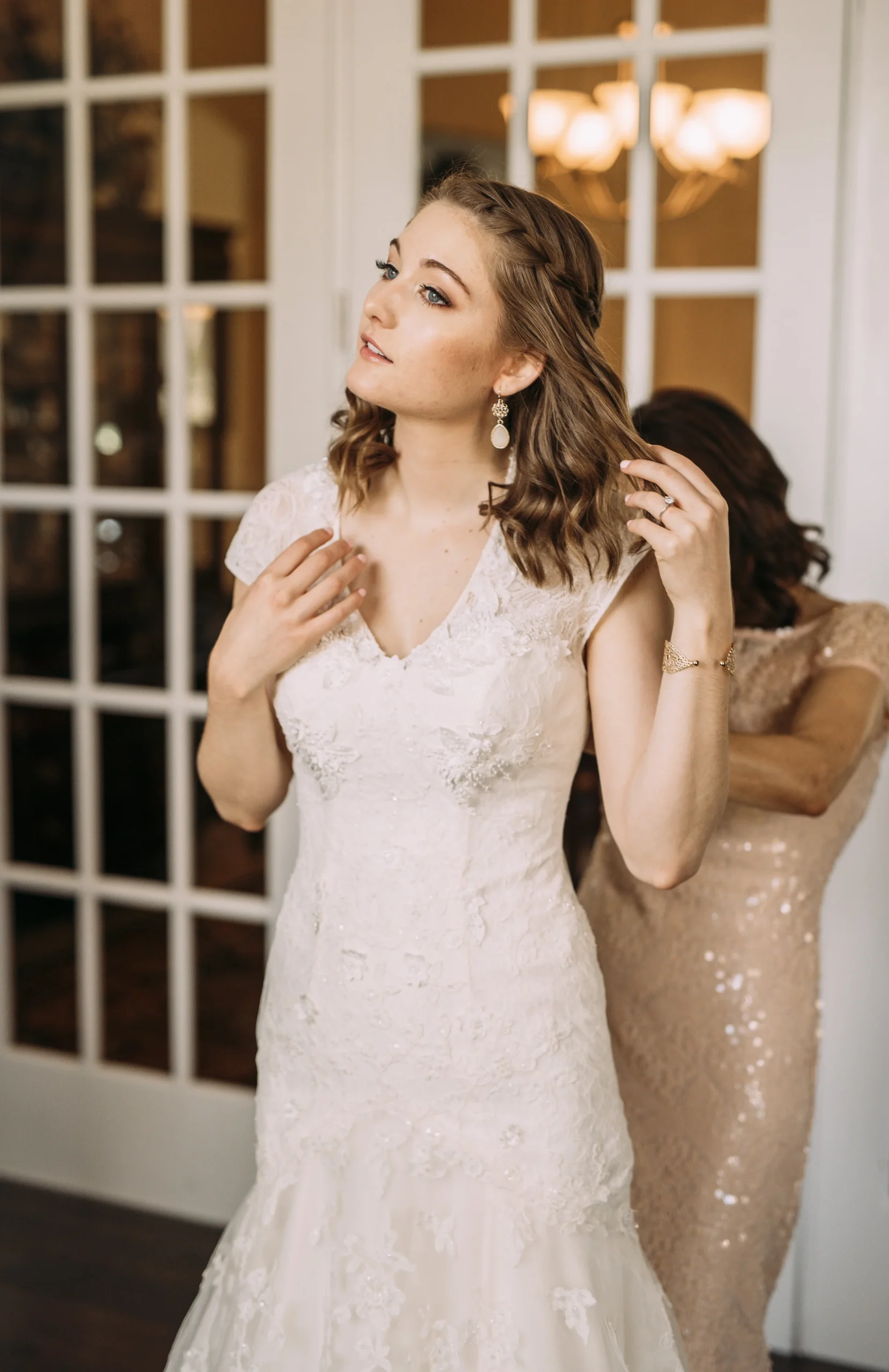
Then the body items, the unglamorous ones that get used at every wedding I have ever seen costed out afterwards. Blister pads, because new shoes are a decision made by the eyes months earlier and paid for by the feet on the day. Pain relief. Something for a headache that has been building since a 5 a.m. hair appointment. Breath mints, which sound like a joke item until the photographs require people to stand very close to each other for a very long time. A phone charger, which no traditional kit includes and every modern wedding needs, because the person coordinating the cars and the cake and the missing uncle is doing it on nine percent battery.
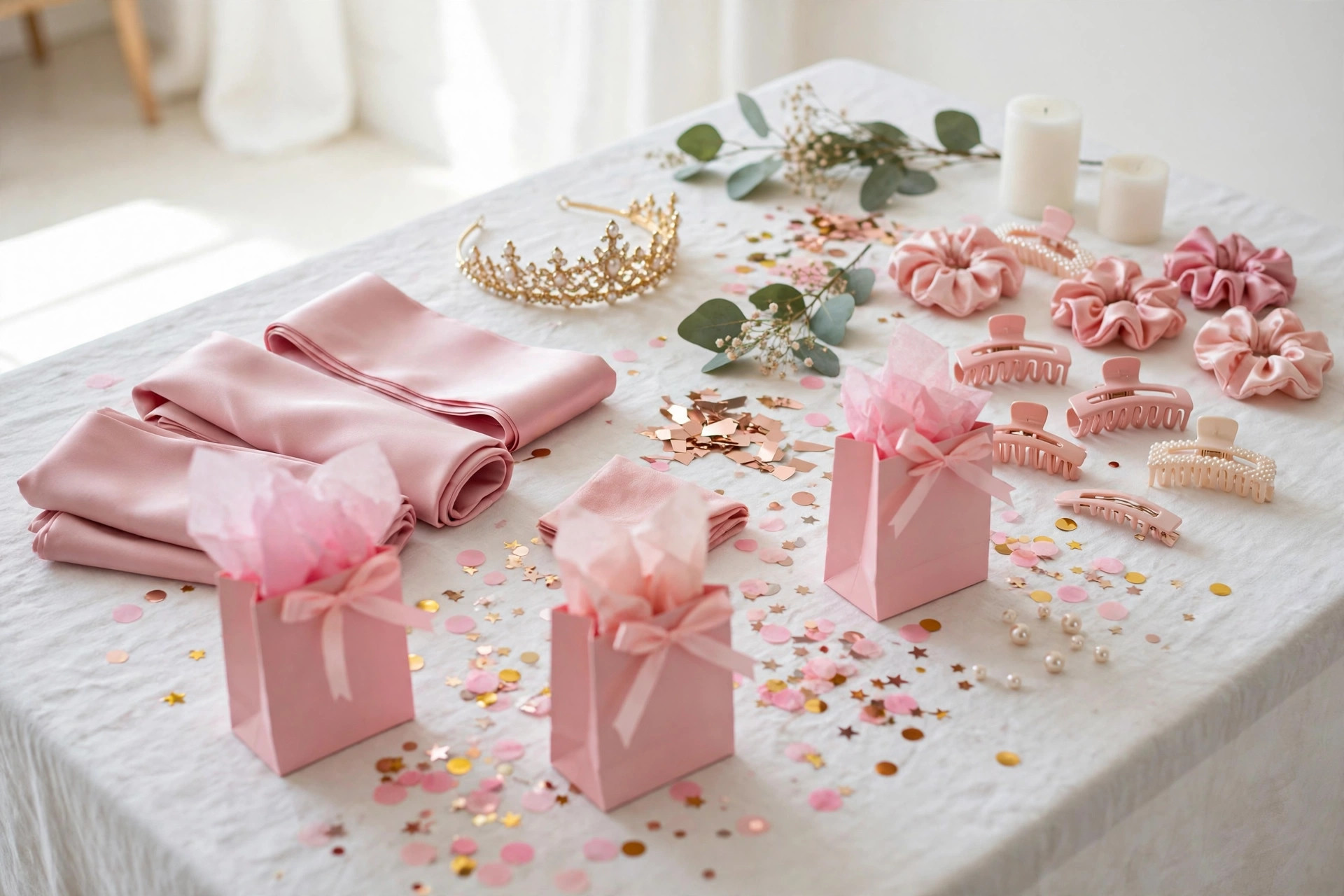
The data side of this, the price spread, is wider than buyers expect. Kits with similar piece counts sell across a range where the top costs three times the bottom, and the difference is rarely the contents. It is the bag, the branding, and the photograph of the bag on a dressing table. A plain pouch with honest contents is the value end. A keepsake box with a ribbon is the gift end, bought by bridesmaids and mothers rather than by brides, and gift buyers pay for how the giving feels. Neither purchase is foolish. They are just different products sharing a name, and confusing them is how a buyer ends up paying gift prices for a tool she needed, or tool prices for a gift she wanted to land softly.
The objection I cannot fully answer
The honest counterargument to the whole category is that most kits come home mostly full. I have seen the accounting from the buyer’s side often enough. Sixty pieces leave for the venue, fifty-five come back, and the kit gets filed as money spent on nothing. My side reads that differently. The five used pieces were not average pieces. A single safety pin that holds a strap through a first dance has done work out of all proportion to its share of the purchase price, the way insurance is not wasted in the years the house does not burn down. But I will admit the counterargument has a tooth. A kit bought and never opened because nobody knew what was in it, or because it was zipped into a suitcase that stayed in the car, delivered nothing at all, and the difference between the two outcomes is a five-minute walkthrough with the person who will carry it on the day. Five minutes. That is the cheapest line item in the whole wedding and the one most often skipped.
No wait, I should correct the shape of that claim. It is not that most kits come home full. It is that most kits come home with their sewing core untouched and their comfort items raided, because blisters are common and torn hems, thankfully, are not. The sewing core is the part people photograph, the tiny scissors, the thread cards in white and ivory and black. The plasters are the part that quietly disappears. A buyer judging a kit by its photograph is judging the half she will probably never use, and I include myself in that error, since the first kit I ever priced I priced by counting the pretty half twice.
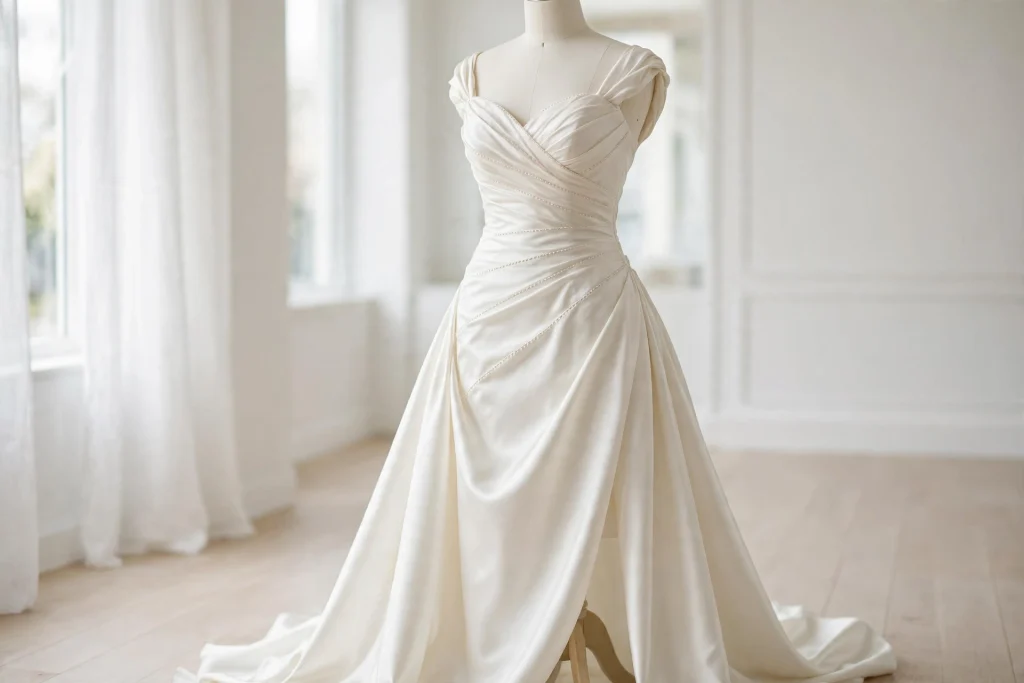
Shops that put together wedding parties as well as products understand the bag as part of a bigger spend, which is why a bride browsing a wedding dress wholesale catalog will often be offered the small practical things in the same conversation as the gown. The gown is the decision. The kit is the footnote that saves the decision from a loose button. Sellers who treat the footnote with respect tend to be the ones still answering messages after the deposit clears, and that, from the financial side, is the tell I trust more than any review score, because reviews end at delivery and deposits are where character starts.
Questions buyers ask me, in the words they use
Sixty pieces for this price works out to pennies each. Why does it feel like I overpaid?
Because piece count is the wrong division, and some deep part of you knows it. Divide the price by jobs instead. If the kit can mend, pin, blot, cover, and relieve, that is five or six jobs, and the price per job is what you actually spent. Run it that way and a mid-priced kit usually turns out to be fair, while the very cheapest kits show their trick, which is sixty pieces covering only three jobs because half the bag is cotton pads. The feeling of overpaying was your arithmetic asking for a better denominator, and I would trust that feeling over the number on the box.
My venue has a coordinator with a kit already. Buying my own is double-paying, right?
It can be, and this is one of the few places I will talk a buyer out of the spend. Ask the coordinator what is actually in theirs and who else it serves that day, because a kit shared across three weddings in one venue is a kit that may be across the building when your hem goes. If theirs is complete and dedicated to your event, spend your money elsewhere with a clear conscience. If it is a drawer with good intentions, a small kit of your own, carried by your person, is not duplication. It is the difference between a kit that exists and a kit that arrives.
What is the one item people forget that costs them real money on the day?
A charger, honestly, and I know how flat that sounds after talk of sewing cores. The expensive failures I see afterwards are coordination failures, a supplier who could not be reached, a car that went to the wrong entrance, and they run on dead phones. After the charger it is spare earring backs, which cost almost nothing and whose absence cannot be improvised at any price I have ever seen paid gracefully. The glamorous items get remembered. The two items that save the schedule are an afterthought in almost every bag I have opened, and I check for them now the way I check a contract for the clause about who pays when things slip.
If I am buying for a boutique instead of one wedding, do these kits make sense as stock?
They make sense as a counter item rather than a destination item, priced to be added rather than compared. A bride who has just committed to a gown in a shop, or through a women’s apparel factory catalog order, does not haggle over a small bag that promises to protect the big purchase, and boutiques that place kits at the fitting-room point rather than the shelf see them move. Stocking them deep is the mistake. They are seasonal, they tie up cash in prettiness, and cash tied up in slow stock is the quiet expense my side spends its life untangling for people.
The kit will sit in my memory the way certain invoices do, small, itemized, and argued over out of proportion to its size. Most of its pieces will never be used. The ones that are used will be used in a hurry, by hand, in a room full of flowers and nerves, and nobody will remember the brand on the bag. They will remember whether the pin was there. That is the whole business model, and also, I have decided, a fair description of planning itself.