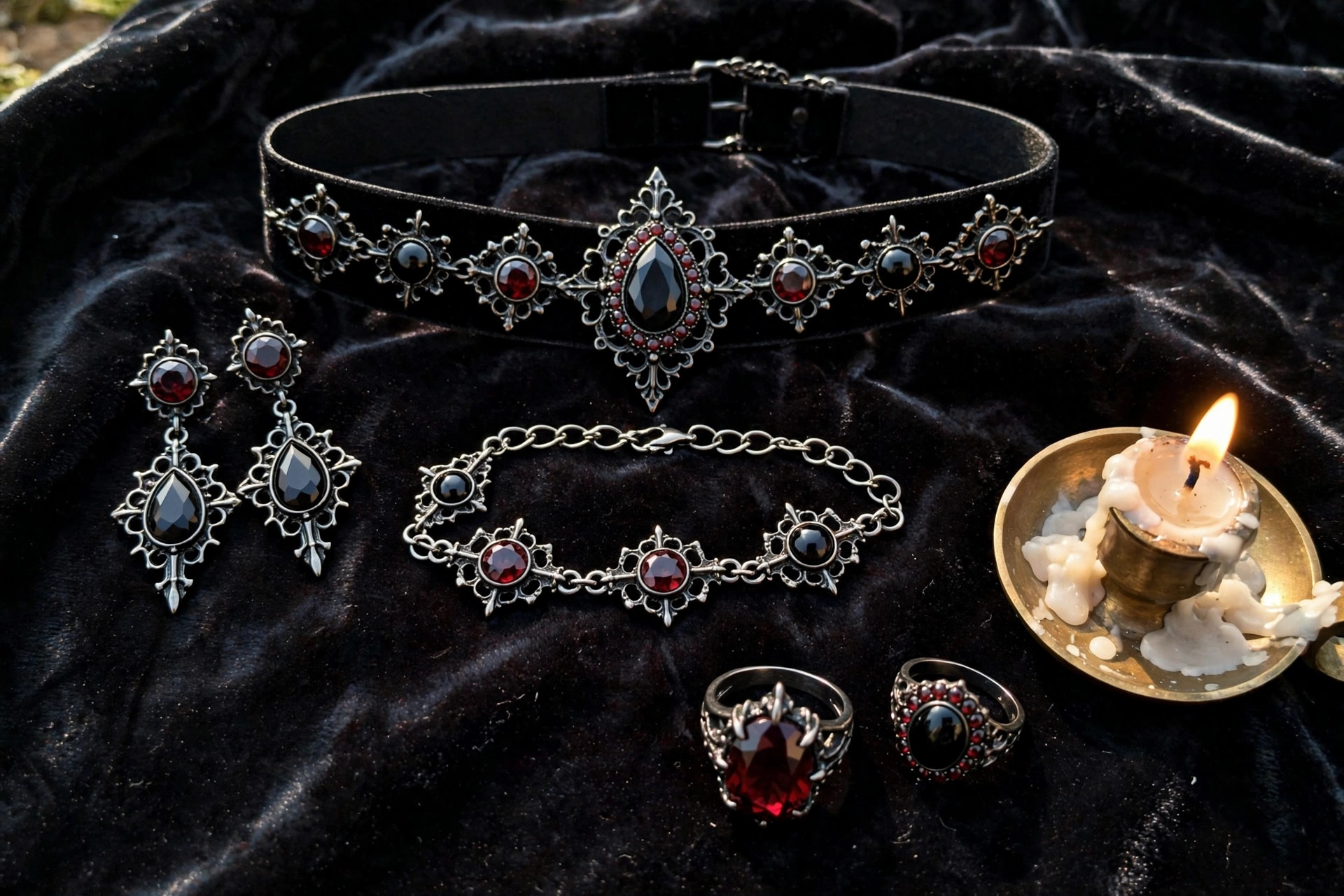
Here is the judgment distribution starts with, and it sounds unkind until you have warehoused the thing: a velvet coffin shaped box with three slots for wedding bands is not sold as a container. It is sold as one photograph, taken on one October evening, and everything about its wholesale life follows from that. The box is light, cheap to make and easy to love in a listing picture. Its troubles are all in the months around the photograph: the velvet travelling badly, the lid sitting worse, and a selling window that shuts like a door at the end of October. I move goods for a living. This one I have learned to respect and to order carefully, in that order.
Velvet sheds where nobody photographs it
Velvet is a pile, and pile rubs. A band box spends weeks with its lid opening and closing against its own rim, in sample hands, in cartons, in a shop drawer, and every cycle lifts a little of the surface at the contact points. The wear does not show as damage. It shows as a pale track along the rim and a faint dusting of dark fibre inside the slots, which is exactly where a pale gold band is going to sit for its photograph. Stores learn to wipe the slots before the box is loaded. Worse is the crush question. Velvet stacked under other stock takes a pressure mark that reads as a bald patch, and a coffin outline with a bald patch is a prop that has stopped working. The honest packing for this item is one box per sleeve with air around it, and air is what freight charges for, so the landed cost of a featherweight box is mostly the cost of not squashing it.

The lid is the second quiet failure. A shaped box hangs its lid on two small hinges, and the coffin outline gives that lid an awkward weight: the wide end pulls, the narrow end follows, and a hinge screwed into thin board works loose a fraction at a time. A lid that sits two millimetres proud does not sound like a defect until the box is carried down an aisle in one hand, slightly open, showing a lit sliver of lining the whole way. No wait. I am blaming the hinge for what is usually the board. Thin board flexes in a warm storeroom, the lid stops meeting the base squarely, and the hinge gets blamed at the returns desk because it is the part that moves. Either way the check is the same at goods-in: open and close twenty times, then look at the lid line against the light.
October is a wall, not a season
Most wedding stock has a soft calendar. This box has a wall. Halloween weddings cluster in the last two weekends of October, so a store’s real selling window is roughly six weeks, and the order that lands in November is not early for next year in any way that helps the cash. What follows is the two-wave pattern every dated line knows: a first markdown to the gothic and alternative shops that sell dark stock all year, then a long quiet shelf until the following September, when the same box is suddenly current again. Black velvet in June reads funeral to a mainstream bridal buyer and reads home to a gothic one, which is why the smart distribution move is splitting the buy by channel from the start instead of averaging it. A buyer who treats this as general wedding stock will own the average, and the average is a shelf of coffins in February.
The three slots deserve one honest paragraph, because they are the feature in the title and the thing stores argue about. Three slots suit a pair of bands plus an engagement piece carried together, and for styled photographs that grouping is the whole appeal. For whoever carries the box open down an aisle, three loaded slots are three chances to drop something in front of a hundred people, and more than one store steers couples toward loading it for the table and carrying a plain cushion instead. That is a display object cast as a transport object, and display objects get judged on the transport failures.
On the distribution shelf this little box is filed beside the bridal emergency kit packing guide, counted next to the retractable lint roller review, and dated against the short tulle veil file, because all four are small wedding goods priced by the week they are bought for.
Questions buyers and stores actually ask
Three slots, two bands. What is the third slot actually for, in practice?
An engagement piece carried with the pair, most of the time, or a spare slot a stylist uses to balance the photograph. Stores tend to load all three only for the table shots and travel with the bands in something plainer, because three loaded slots in a carried box are three loose objects waiting for a slope. The slot count is a styling feature. Treating it as secure storage is where the trouble starts.
The velvet looks worn along the rim after one season on the shelf. Is that faulty stock?
Usually it is pile rub, not a fault in the cloth. The lid works against the rim every time the box is opened, and display stock gets opened a lot. Add stacking pressure from neighbouring cartons and the rim track is nearly guaranteed by October. A store can slow it by keeping the box sleeved between viewings. What cannot be done is restore crushed pile to match the untouched sides, so a worn rim is a markdown conversation, not a repair one.
A shop missed October and holds forty boxes in November. Hold them a year, or clear them now?
Split the answer by channel, honestly. The gothic and alternative shops buy dark bridal stock in every month, so a first offer to them in November usually beats a year of shelf rent followed by the same offer. What a store should not do is hold the full forty for next Halloween at full price in its own plan. Velvet ages in storage, hinges settle, and next year’s listing photographs will make this year’s stock look tired by comparison.
Ten pieces at a time is the trial habit for dresses in this trade. Does a small box like this follow it?
The habit transfers, with a twist. Ten boxes across two channels, gothic and mainstream bridal, will show a store inside one season which shelf the box belongs on. What ten cannot show is the October wall, because a spring trial teaches nothing about the six weeks that matter. Judge the volume only on autumn numbers.
I still ship it gladly every September, and I still tell stores to order less of it than the photographs make them want to. The couples who buy it love it, the October photographs are genuinely striking, and the gothic channel will take the leftovers at a sane price if the buy was split properly. What I cannot fix is the arithmetic of a product married to a single date. The box will be back on my desk next autumn, shedding slightly, lids a fraction proud, wanted desperately for six weeks. The other forty-six, it is just a small black coffin taking up a shelf, and shelves, unlike photographs, charge rent.