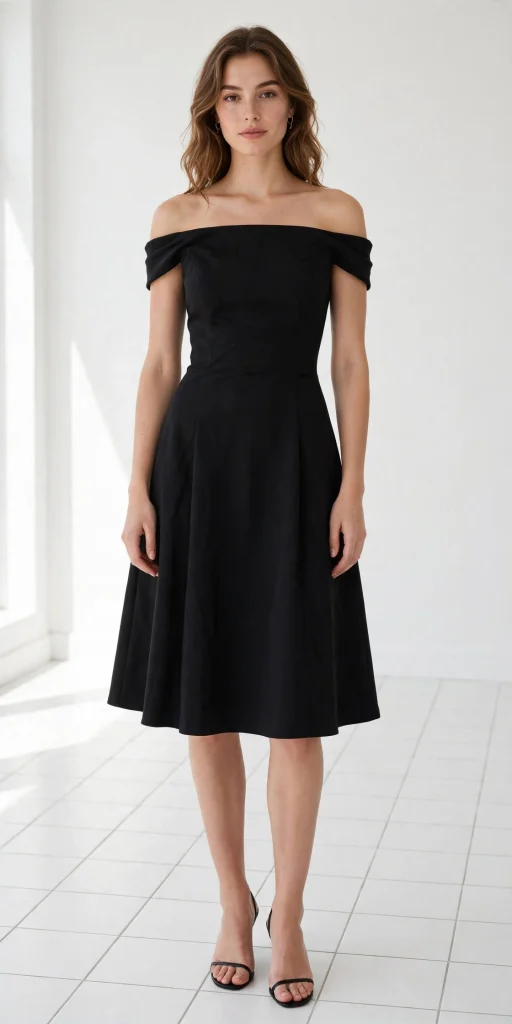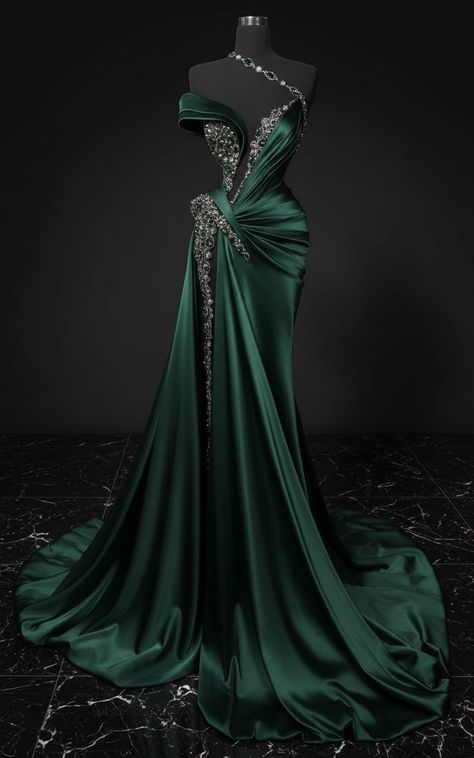
A high-neck split bodycon mermaid dress is three promises in one listing, and distribution is where the promises get audited. The high neck promises elegance. The bodycon promises a body it will follow exactly. The split promises movement the bodycon has just finished forbidding. I move dresses like this between factories, warehouses and stores, and the WOOSEA version of the style is a useful case because nothing about it is exotic — it is a mainstream evening dress at a mainstream price — and still, the distance between the dress in the listing and the dress in the returns bag is almost entirely made of things that happen after the sewing stops.
Start with the split, because the split is a measurement with a temper. On a mermaid silhouette the skirt is fitted to the knee and flares below it, which means the split is not decoration, it is the walking mechanism. Set it a few centimetres low and the wearer takes short, careful steps all evening; the dress gets reviewed as restrictive by people who never learn why. Set it high and it photographs beautifully and gets reviewed as daring by people who sat down once. The bulk risk is drift: a split marked on the pattern at one height migrates in production when operators sew to the flare seam rather than the mark, and a carton can contain both heights, divided by which operator’s line the unit came off.
Bodycon is a sizing argument shipped in a bag
Bodycon dresses generate the most honest sizing data in evening wear and the least useful, because the feedback is all true and all contradictory. The fabric’s stretch percentage is the dress, in a way that is never true of an A-line. A knit with strong recovery holds the line of the body and smooths; the same pattern in a knit with weak recovery bags at the waist by hour two and gets sent back as ‘stretched out’, which it literally did. Between production runs, a fabric change that purchasing treats as equivalent — same composition on paper, different mill — can move the effective fit by half a size. Stores feel this as a mysterious run of returns in one delivery and not the previous one, and the mystery survives because nobody writes the fabric lot on the carton in a language the store ever sees.
The high neck adds a quieter problem: it is the least forgiving neckline for variation in torso length. A scoop or V absorbs a long or short torso by showing more or less skin. A high neck announces exactly where it ends, and on a shorter torso it ends high, close under the chin, in a way wearers describe as choking even when nothing is tight. This is not a defect. It is geometry. But geometry gets one-starred like a defect, and the stores that do well with high-neck bodycon are the ones whose listings talk about torso fit in plain words instead of letting the photograph — taken, as always, on a long-torso model — make a promise the dress cannot keep to everyone.
What the carton does to a mermaid
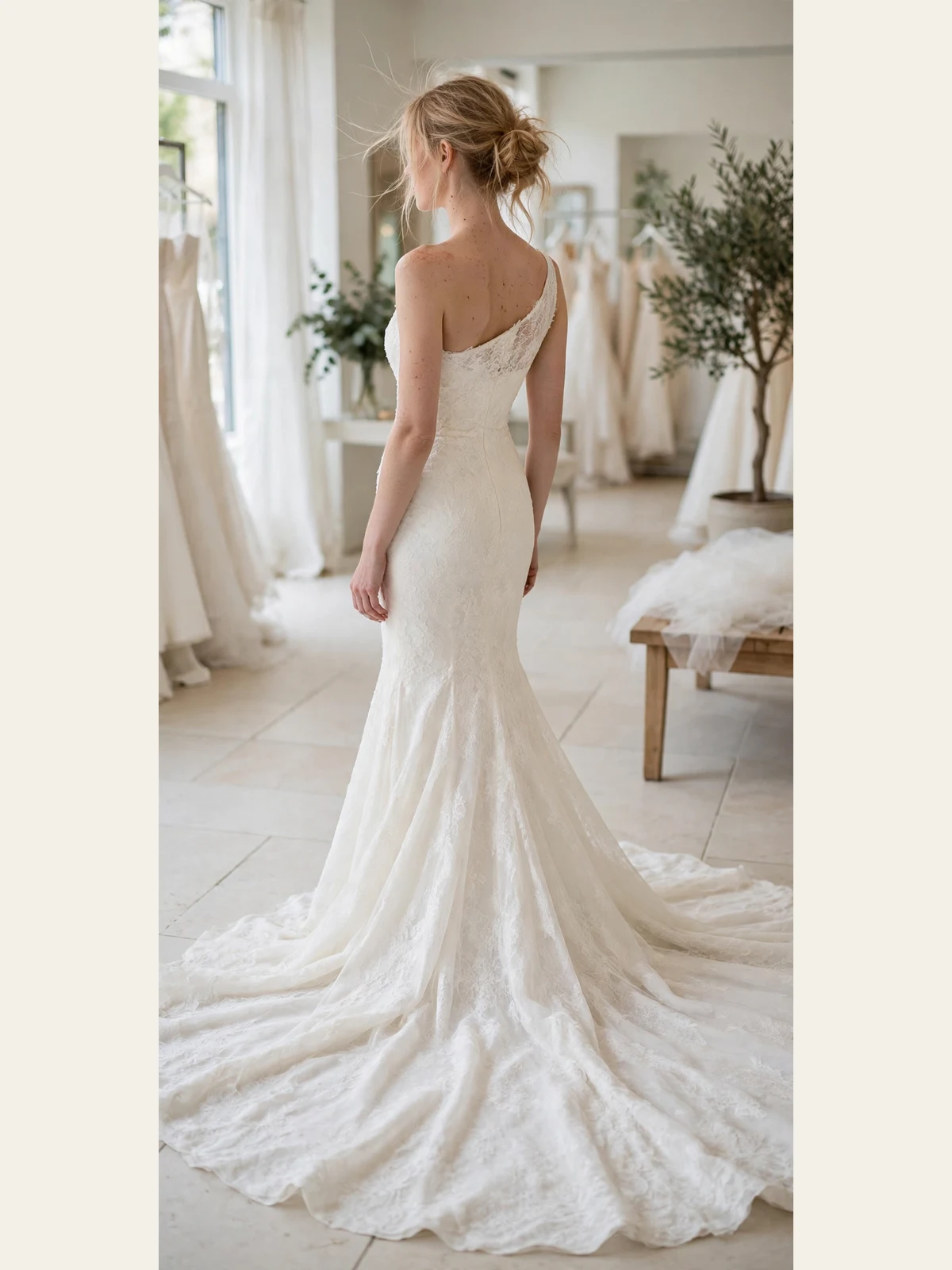
Mermaid dresses ship badly by nature. The flare wants volume, the price wants a flat polybag, and the compromise arrives as creasing across the fitted hip — the one place a bodycon cannot hide a crease, because the fabric’s whole job there is to be a second skin. Steaming fixes it, and every party in the chain assumes somebody else steamed it. The stores that open, steam and hang on arrival sell the dress the listing promised. The ones that rack it straight from the bag sell a cheaper-looking dress at the same price and then read reviews about fabric quality that are actually reviews about a warehouse decision.
Price honesty, briefly, because this style invites dishonesty. At its price, this dress is not competing with structured evening gowns and should not be judged as one; it is competing with other stretch mermaids, and within that field the differences that matter are split placement, fabric recovery and whether the zip is set into the stretch without puckering. A puckered zip line on bodycon is the tell of a line running too fast, and it shows in every side photograph a customer takes. Front views forgive it. Customers do not take front views. They take the side view, in a mirror, at the exact angle the pucker was waiting for.
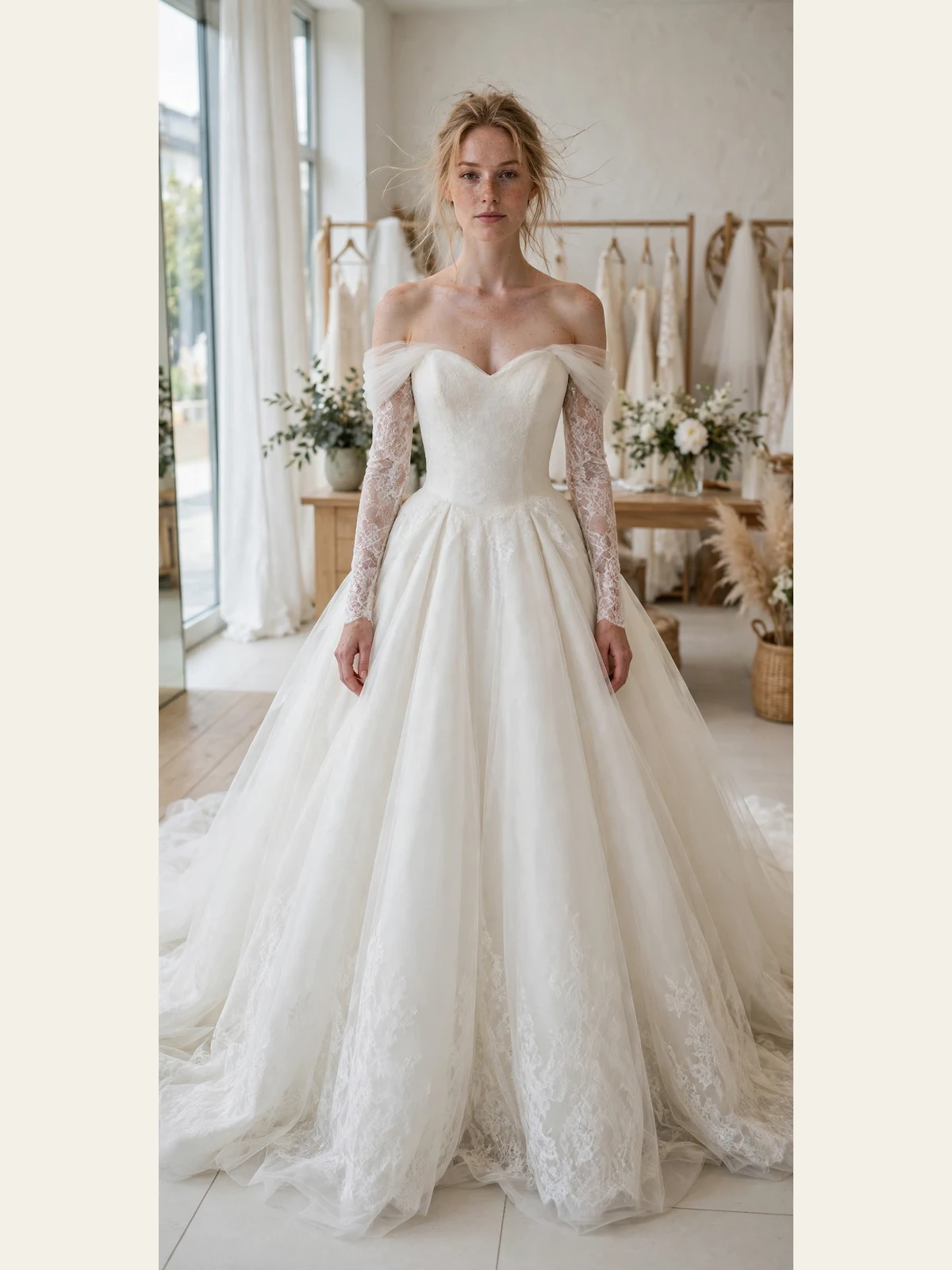
The same label writes a different dress at the other end of its range: the WOOSEA sleeveless off-shoulder dress is all neckline and no coverage, and the Findlovewedding simple lace bridal gowns show where the mermaid line goes when it is aimed at brides instead of evening guests — the distribution problems, though, stay stubbornly identical.
Questions buyers and stores actually ask
Why do reviews of the same bodycon dress say it is both tight and baggy?
Because two different things are being measured. Fresh out of the bag, a stretch bodycon fits by its recovery: a strong knit feels snug and controlled, a weak one feels easy. Two hours later they swap reputations, because the weak knit has bagged at the waist and seat while the strong one still holds. Reviewers also wear different production runs without knowing it, and a mill change in the knit can shift the fit by half a size between runs. Read reviews for the words ‘by the end of the night’ — those are the ones describing the fabric rather than the first fitting.
The split on the dress I received sits lower than in the photos. Is that a defect?
It can be ordinary production drift, and it matters more than most drift because the split is the walking mechanism on a mermaid cut. A few centimetres low turns an evening into short, careful steps. Compare your unit against the listing’s stated measurements if it gives a split height; if several units in a store’s delivery differ from each other, that points to operators sewing to the flare seam rather than the pattern mark. For a single wearer, a tailor can open a split upward a short distance if the seam allowance allows — ask before assuming, because on some makes the allowance is not there.
Is this style a sensible buy for a boutique's evening section?
Yes, in shallow depth and with the fabric specified. The silhouette is a proven seller and the price band moves. The risks are all in repeatability: split height drifting between units, knit recovery changing between runs, and creasing from flat-packing that the store has to steam out. A starting order of ten pieces per style will show you the construction; what it will not show you is run-to-run consistency, so keep the first delivery’s measurements on file and compare the second delivery against them before it goes on the rack, not after the reviews arrive.
It sells, this dress, season after season, through every argument I have just made against its category, because the silhouette answers something real: a formal dress that moves like clothing rather than architecture. The stores still holding it when the season turns are rarely holding it because the dress failed. They are holding the sizes the split was wrong on, the delivery the fabric changed in, the units nobody steamed. Distribution is unglamorous, and on a bodycon mermaid it is most of the product.