One dress, two seasons, and the seasons want opposite sleeves. The money side notices this first in the XNC long sleeve dress reviewed here, a women’s long-sleeve style sold across spring and summer in one breath and as a winter wedding dress in the next, because a sleeve is not one feature. In warm months a sleeve is a light layer, sun and modesty and a bit of polish, made of something that breathes and forgives. In winter the same word means warmth, structure, and a cuff that sits correctly over a wrist in a cold building. A listing that sells both promises with one garment is not lying exactly. It is letting two different buyers hear two different dresses, and the invoices, returns, and reviews arrive addressed to whichever dress the factory actually made.
Where the money goes in a sleeve
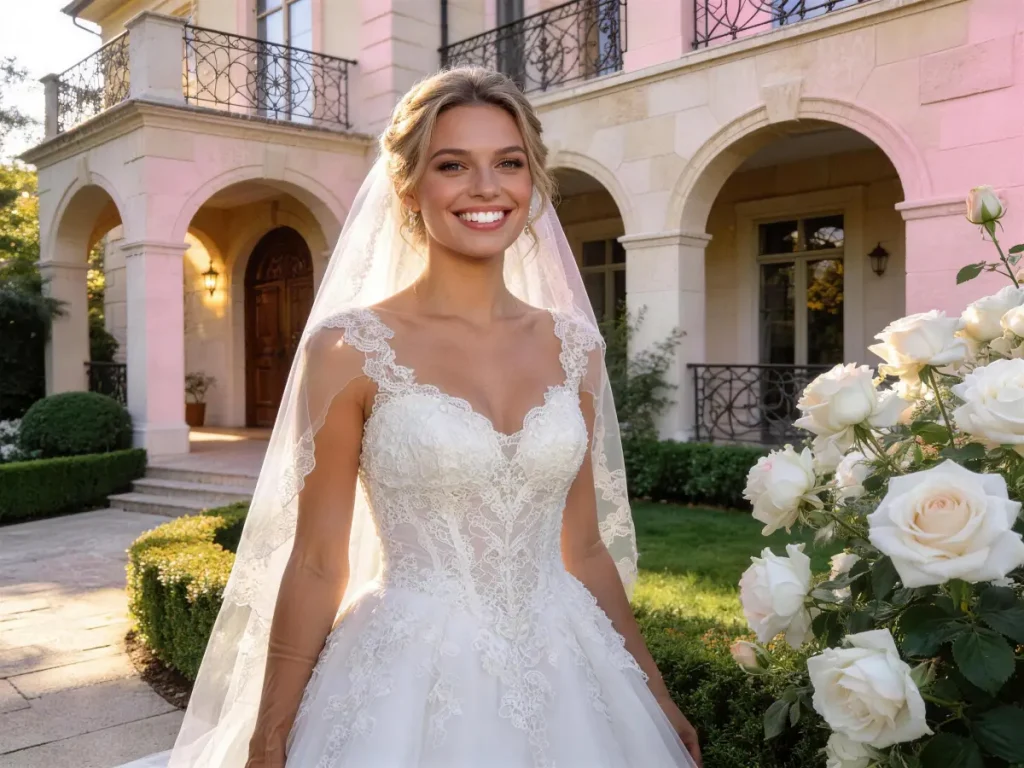
A sleeve costs more than its cloth. It has to be set into an armhole, and setting a sleeve well is slower work than sewing a sleeveless bodice, with the easing around the cap being the part that separates a smooth shoulder from a puckered one. At the price this category sells at, that time is found somewhere, and the money desk has learned where to look for it. The cap ease gets rushed, so the shoulder carries small puckers the photograph angles away from. The sleeve is cut from the same cloth as the body even when a lighter cloth would hang better, because one cloth is one purchase and two cloths are a negotiation. And the length gets graded as an afterthought, so the sleeve that ends at the sample size’s wrist ends somewhere along the largest size’s forearm, which the wearer reads as a mistake rather than a saving.
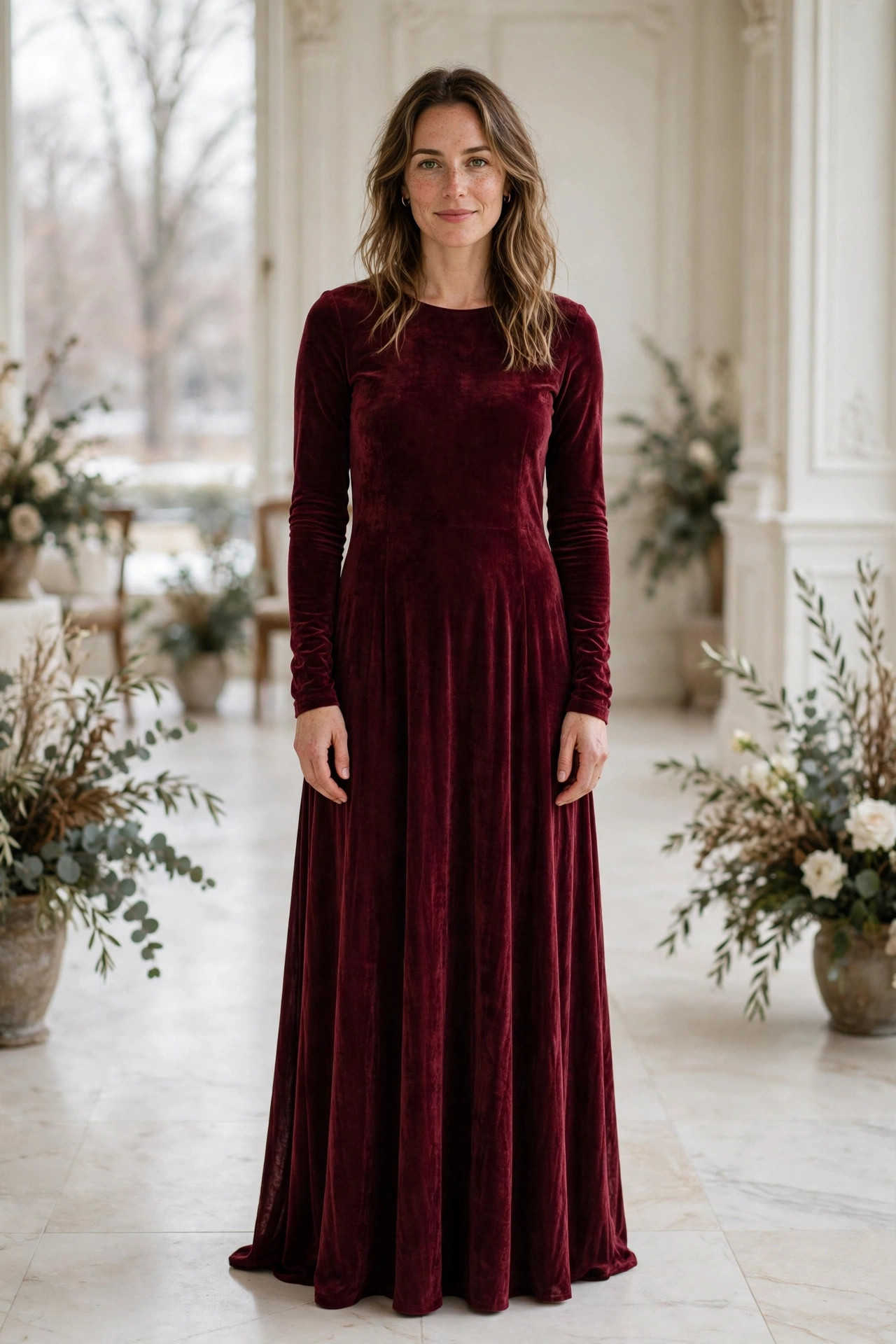
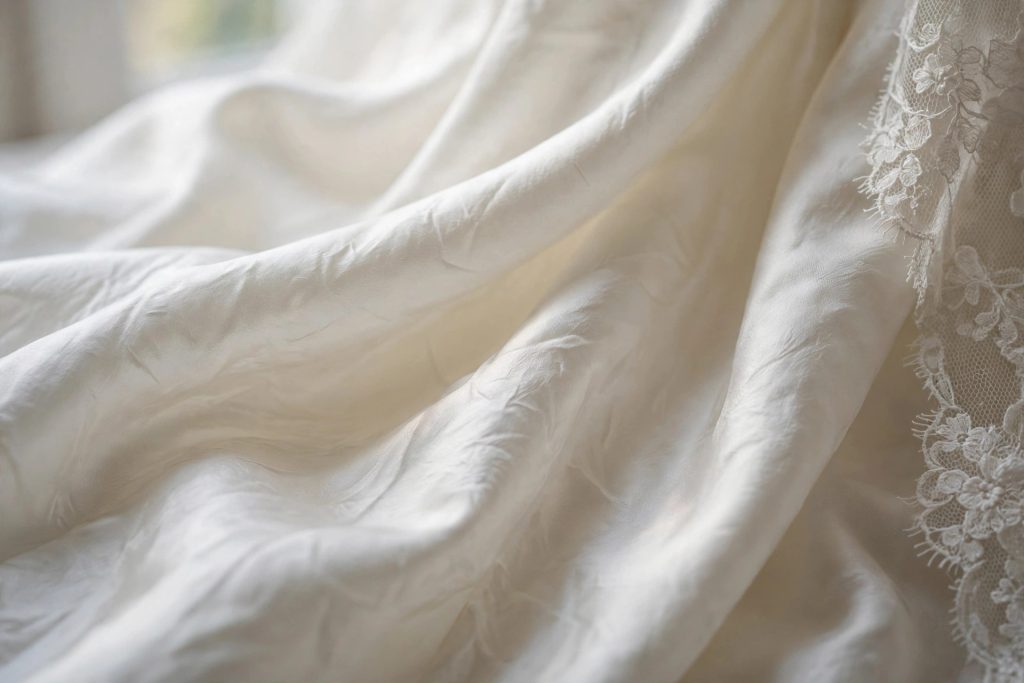
Fabric sourcing decides which season the dress can honestly serve. A winter sleeve wants a cloth with some body, and a body cloth in a warm room is a warm wearer. A summer sleeve wants air, and an airy cloth in a cold church is a shivering one. A brand building a private label range around this style has to pick a season and let the other one go, or run two cloths under one style name and accept the cost of honesty. The listings that try to keep both seasons on one cloth tend to be reviewed by both seasons, harshly, in the same thread, each side calling the other’s dress the fake one.
The guest problem is different from the bride problem
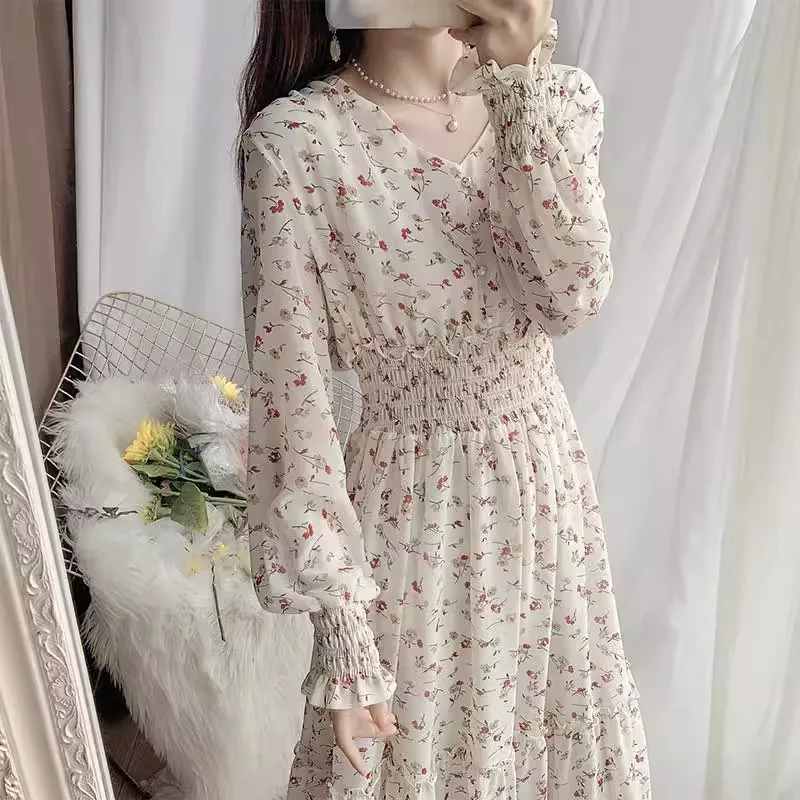
Most of these dresses are worn by guests, and guests buy late and alter never. That changes what a sleeve fault costs. A bride with a sleeve that twists or a cuff that rides up hands the dress to a seamstress. A guest hands it back to the seller, or wears it once while tugging at a wrist all evening and writes the review the next morning with the wrist still in mind. Return handling on this style clusters around the arms in a way the price never predicted, because the body of the dress is a fairly standard shape that makers have sewn a thousand times, while the sleeve is where this particular garment spends its risk. No wait, the clusters sit at the cuff and the shoulder together. The two ends of the same piece of cloth, which is tidier than the desk expected and more damning.
Sample development is where a careful buyer finds this out cheaply. One sample worn for an hour, with the arms used the way an evening uses them, shows the cap pucker, the twist, and the cuff behaviour all at once. It is a cheaper classroom than a season of returns, and it is the classroom this category’s repeat sellers all seem to have attended.
What the invoice should make the buyer ask
Ask which season the cloth was chosen for, and treat a both-seasons answer as a question rather than a reply. Ask how the sleeve length is graded across the run, in centimetres at the largest size. And ask whether the cuff or wrist finish on the bulk matches the approved sample, because small finishes are where a production run quietly renegotiates its price after the sample has been approved and the deposit paid.
The money desk prices this sleeve question against the off-shoulder formal gown deals file, plans the season beside the floral boho maxi dresses range, and reads the halter lace hi-lo dresses notes for what buyers do when the sleeve disappears entirely.

Questions buyers and stores actually ask
One listing sells this dress for summer weddings and winter ones. Can both be true?
Not on one cloth. A warm-season sleeve is light and airy, a winter sleeve needs body and warmth, and each feels wrong in the other’s season. Honest sellers pick a season or run two cloths under the style. A both-seasons promise usually means each buyer group reviews the dress against the season it was not made for.
The shoulder puckers slightly on every dress in the order. Is that a defect or the price point?
It is the price point showing. Setting a sleeve cap smoothly takes time, and time is what a low-priced long sleeve run takes back. Small, even puckering across a whole order means the easing was rushed by design, not by accident, and it will be in the reorder too unless the spec and the price both move.
Why do the sleeves end mid-forearm on the largest size?
Sleeve length was graded as a leftover rather than as its own measurement. Arm length does not grow at the same rate as the body numbers, so a sleeve that is correct on the sample size lands short at the top of the run when nobody graded it on purpose. The fix is a written sleeve length per size, agreed at sampling.
The dress will go on being listed for every season, because a long sleeve genuinely is the most useful shape a guest dress can take, and the demand never really stops. What the money desk keeps watching is the gap between the two dresses the listing describes and the one dress the factory ships, and that gap, season after season, is priced in returns nobody budgeted for.