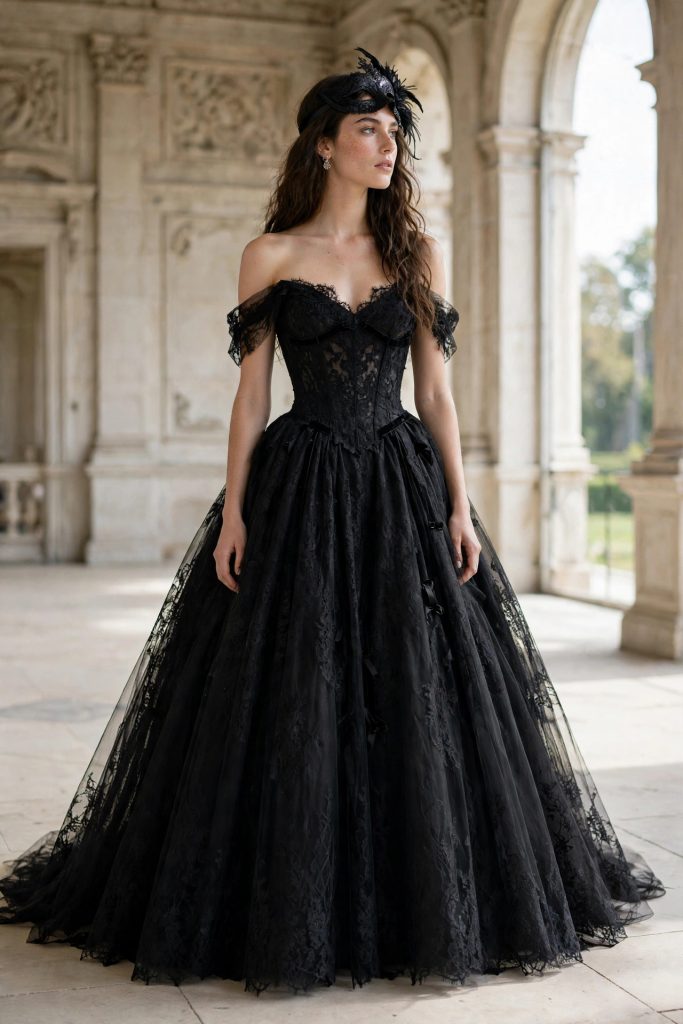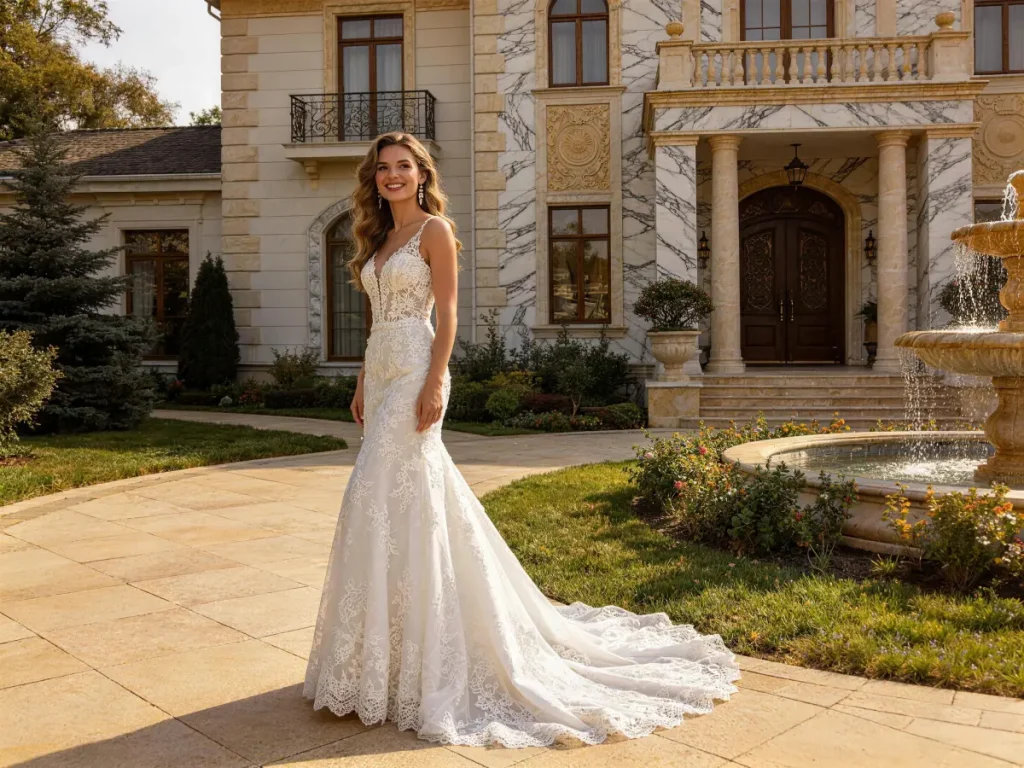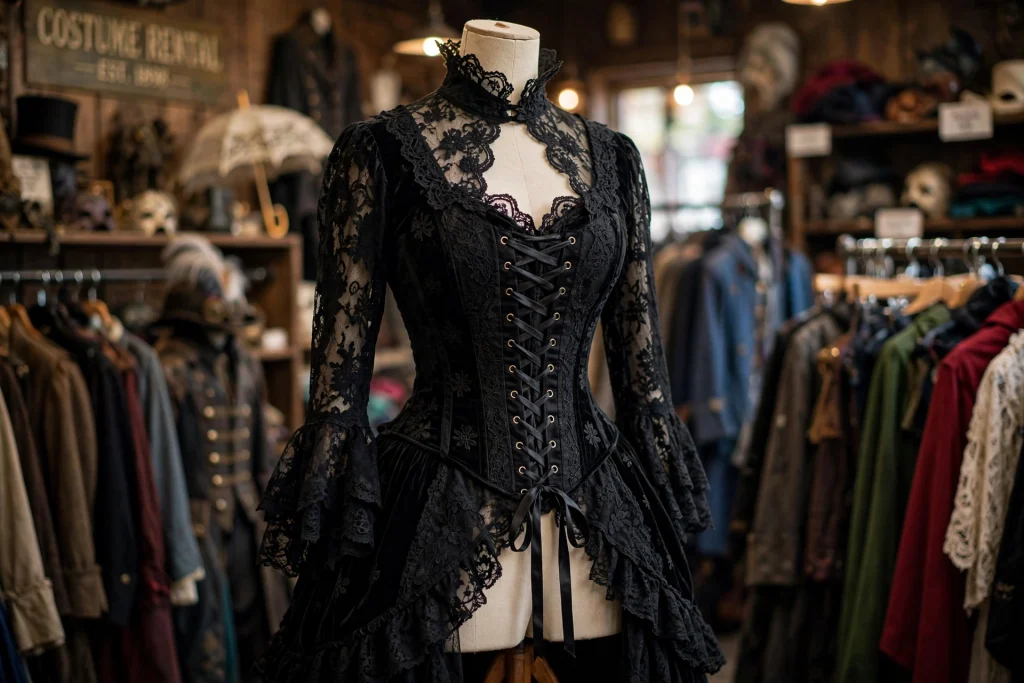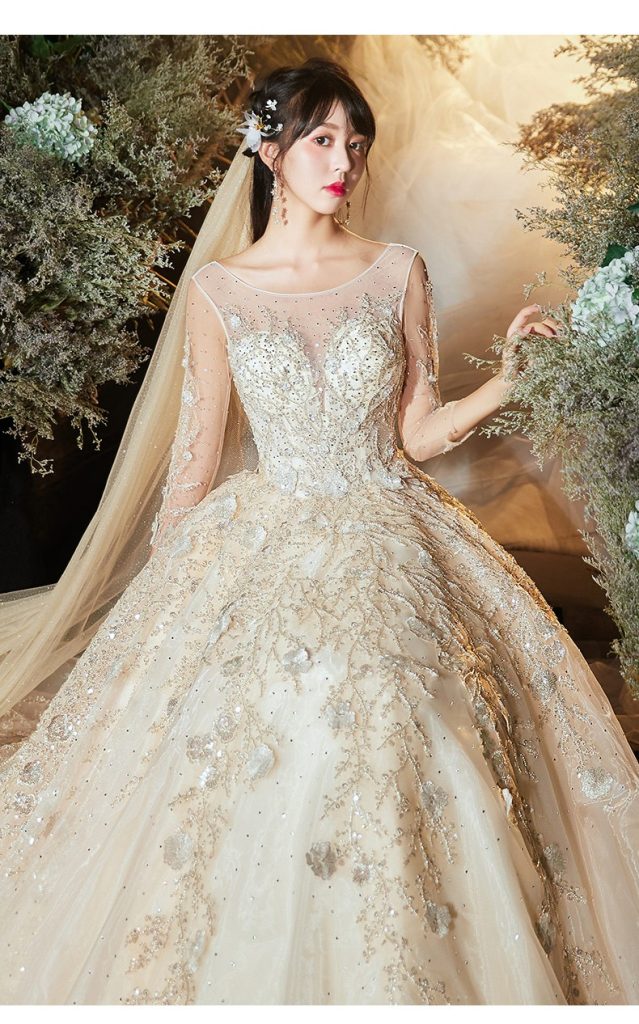
A puff sleeve is mostly air, and air is what freight charges for. That is where distribution starts with the Victorian gown reviewed here, a puff-sleeved, lace-heavy dress sold on a corpse-bride theme for weddings with a gothic streak and for October parties that want more dress than a costume. The garment itself is a study in period signals: high neck, gathered sleeve heads standing off the shoulder, a skirt with enough length to sweep. Every one of those signals takes room, in the carton, in the warehouse, and in the calendar, because a themed dress has a season with hard edges and the stock that misses the season does not get a second one until next year.
The calendar is the strictest part of this product
Ordinary bridal stock forgives a late delivery. A bride in March can wear a dress that arrived in February, and the store sells the same rail all year. Themed stock runs on two narrow windows instead: the October party weeks, and the smaller, steadier run of gothic and vintage weddings spread across the year. Distribution plans those two windows differently and gets in trouble when it confuses them. The October buyer wants the dress cheap, dramatic, and immediately, and will forgive a lighter cloth. The wedding buyer wants the same silhouette built like a wedding dress, because hers is one, and she will inspect it like one. One product page serving both windows invites each buyer to grade the dress by the other window’s standards, and the reviews split down the middle in a way that looks like a quality argument and is really a calendar argument.
Shipping volume writes the second half of the calendar. A gathered sleeve head does not compress the way a plain sleeve does; press it flat and it arrives creased in a way steaming only partly forgives, leave it room and the carton grows. Small batch orders of this style, the kind a boutique places for a themed rail, sit in the worst corner of freight pricing, too bulky to be cheap by air and too seasonal to wait comfortably for the sea window if the order went in late. The sellers who handle this style every year order it early and say so. The ones who list it in September at a cheerful price are often selling a delivery promise the calendar has already voted against.
What the theme does to the making
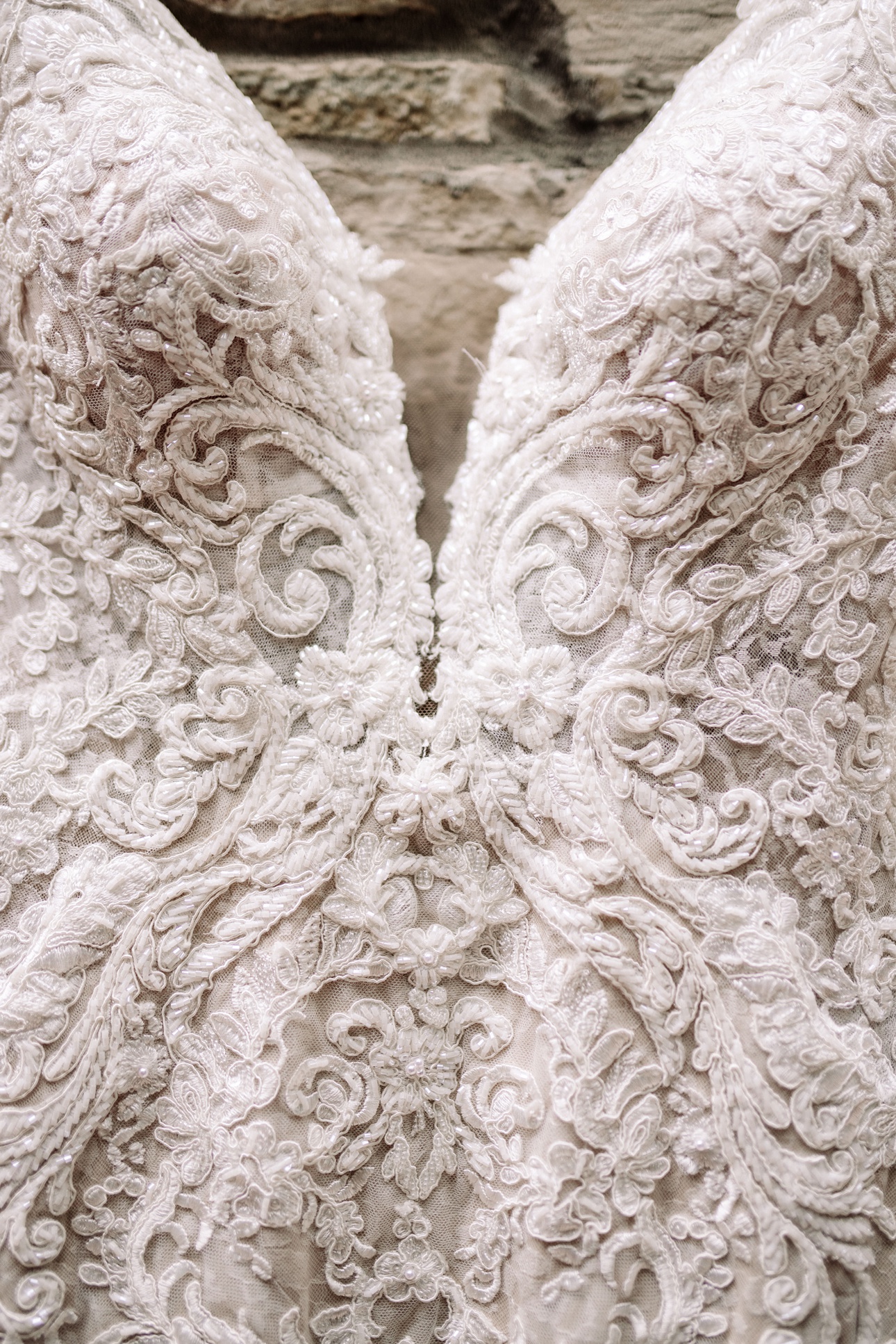
Period detail is where the money goes, and where it gets quietly taken back. A Victorian reading of a dress lives in small things: lace with an older, larger motif rather than a modern floral, buttons or a button look down a bodice, a sleeve gathered into a fitted cuff so the puff stands and then stops. Each of those is a line in a spec, and each can be swapped for something cheaper that photographs similarly at arm’s length. The cuff swap is the one distribution hears about, because a puff finished with plain elastic collapses by the second wearing and the sleeve that sold the dress becomes a wrinkled balloon. Private label buyers who reorder this style year after year tend to write the cuff and the lace motif size into their order in plain words, having learned, usually in public, which swaps their customers can see.
Colour carries the theme more than the cut does, in the end. The corpse-bride reading depends on a blue-grey cast, a washed, slightly drowned palette that plain white and warm ivory do not produce. Get the cast wrong and the dress is a nice Victorian gown with the story missing. Get it right and it only holds for that dye run, because washed effect colours drift between batches more than honest colours do. No wait, drift is the gentle word. Two batches can land on either side of the line between moody and merely dirty, and only one of them sells.
How a store should hold this stock
Order for the wedding window first and let October take what the wedding buyers leave, because wedding-grade stock can step down into party use and party-grade stock cannot step up. Check the sleeve cuff on arrival, before the rail, by wearing one dress for an hour; a cuff that gives up in the stockroom will give up in the photographs. And write the colour cast down against a kept cutting from the approved batch, because next year’s reorder will be judged against this year’s dresses by customers holding both.
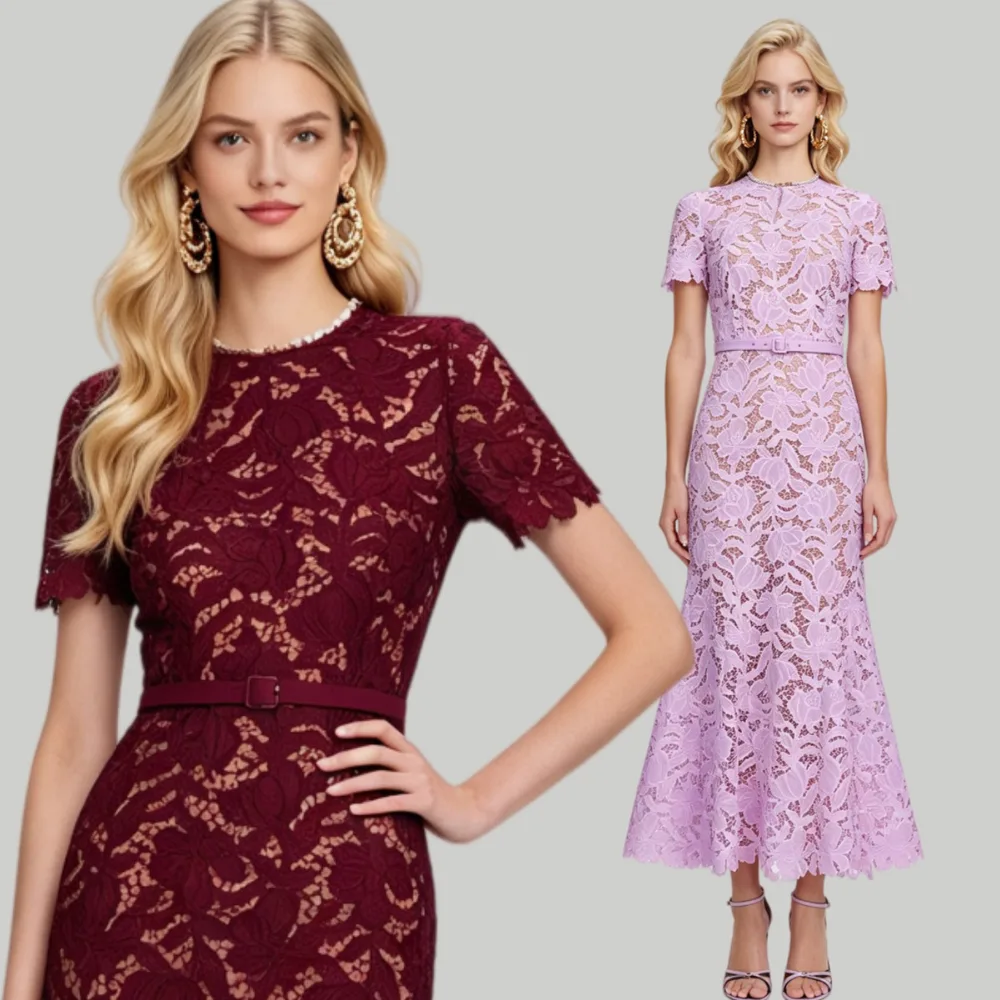
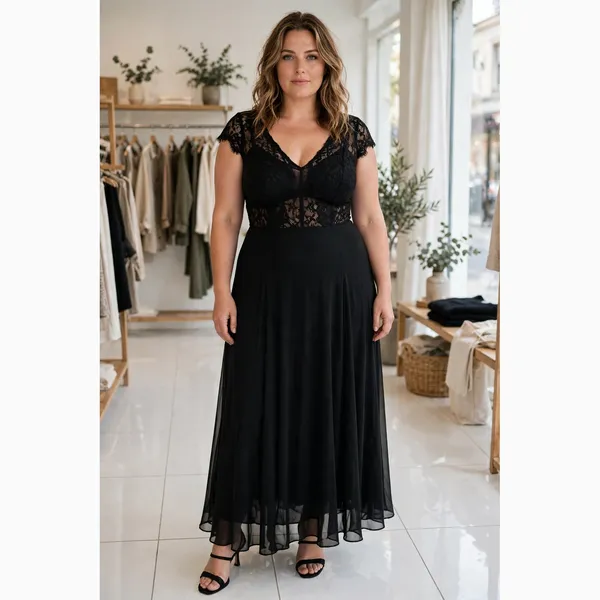
In the seasonal plan this Victorian gown ships in the same window as the 1950s vintage style dresses stock, gets argued about alongside the lace vintage evening dresses range, and is read against the sleeveless lace basque wedding dresses file, because October asks all three the same question about how much theatre a dress can carry.
Questions buyers and stores actually ask
Why does this gown cost so much more to ship than a plain dress of the same weight?
The puff sleeve is volume. Gathered sleeve heads cannot be pressed flat without creasing that steaming only partly repairs, so the carton stays large and freight, which charges for space on fast routes, prices the air inside the dress. Ordering early enough for slower freight is the usual answer, and it has to happen before the season starts pressing.
The same dress gets praised as a wedding gown and panned as a costume. Which is it?
Both windows are real. October party buyers grade it as a dramatic costume and forgive light making; gothic and vintage wedding buyers grade the identical silhouette as a wedding dress and inspect the cuff, the lace, and the seams accordingly. A listing that mixes the two audiences collects both verdicts at once.
Why does the blue-grey colour look right in one batch and grubby in the next?
Washed effect colours drift more between dye runs than plain colours, and this theme lives close to the line between moody and dirty. A batch can land on the wrong side of that line while still matching its paperwork. Keeping a cutting from the approved batch and judging reorders against it, in daylight, is the working guard.
Somewhere there is a stockroom with last October’s Victorian gowns still in their bags, right dresses, wrong month, waiting eleven months for their window to come round again. The dresses did nothing wrong. The calendar simply does not negotiate, and this style, more than most on the rail, is a calendar with sleeves.