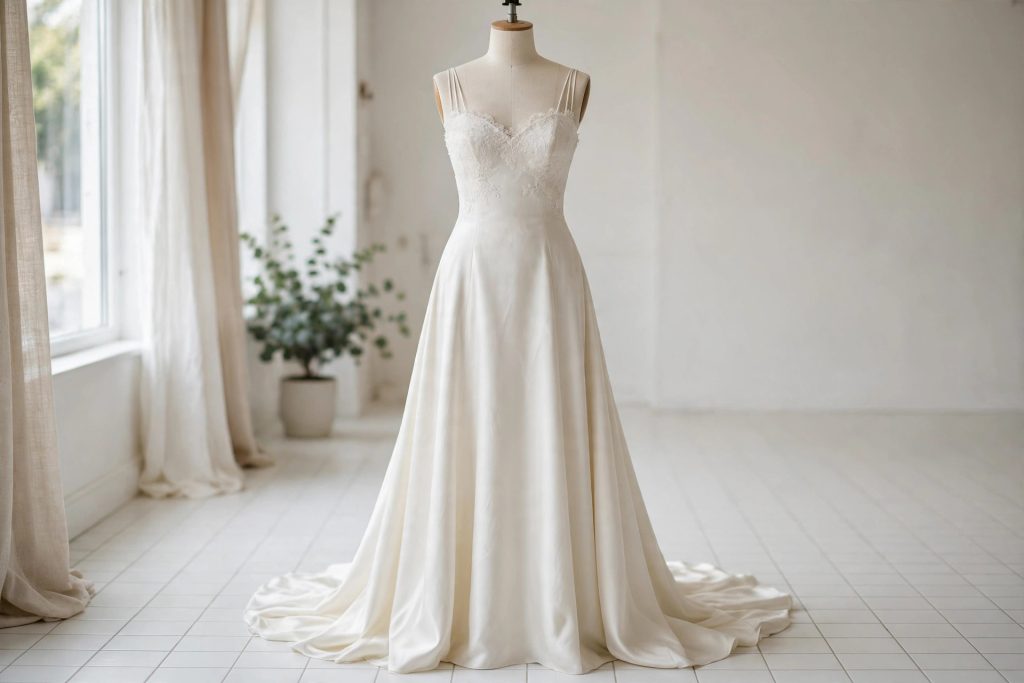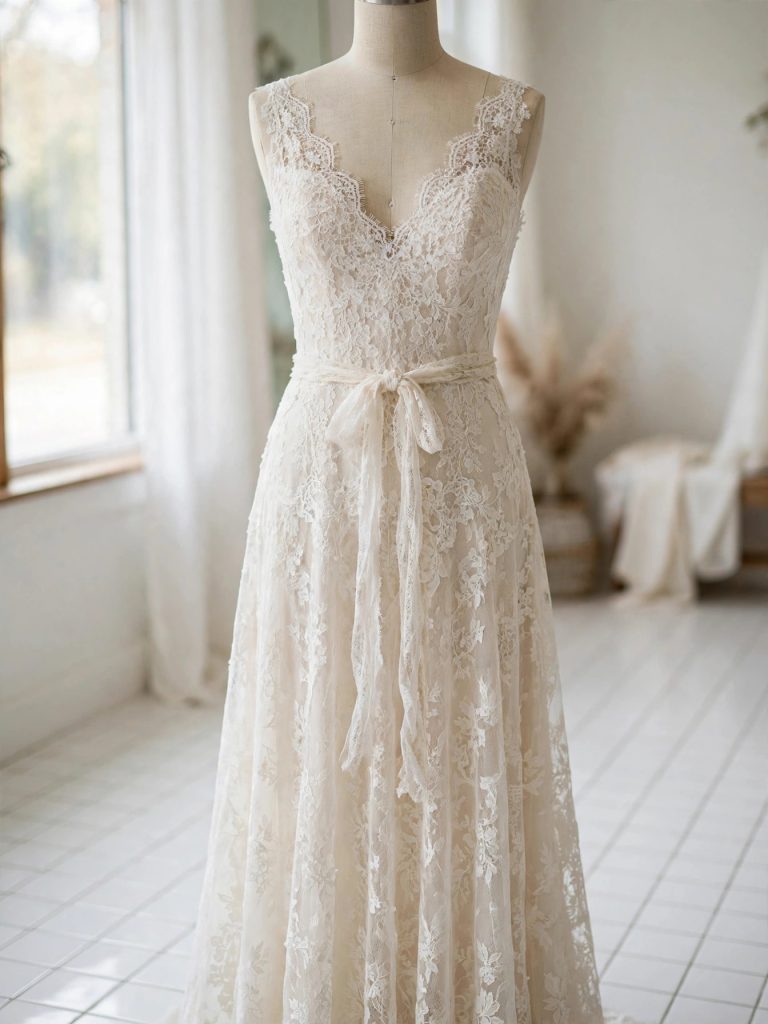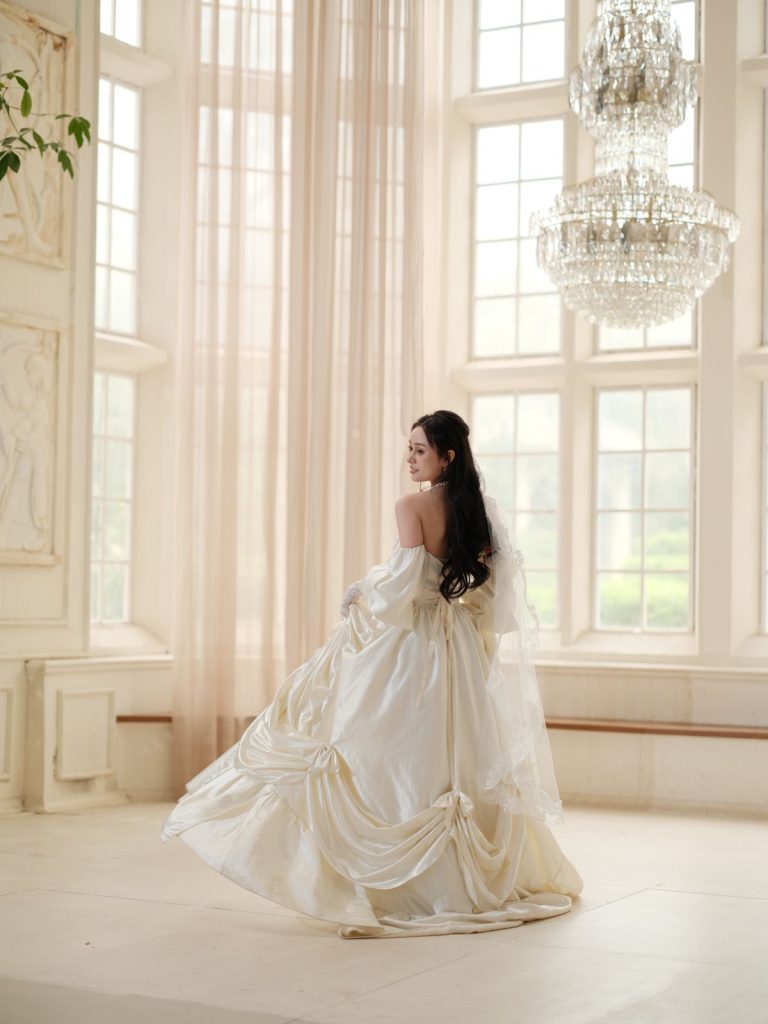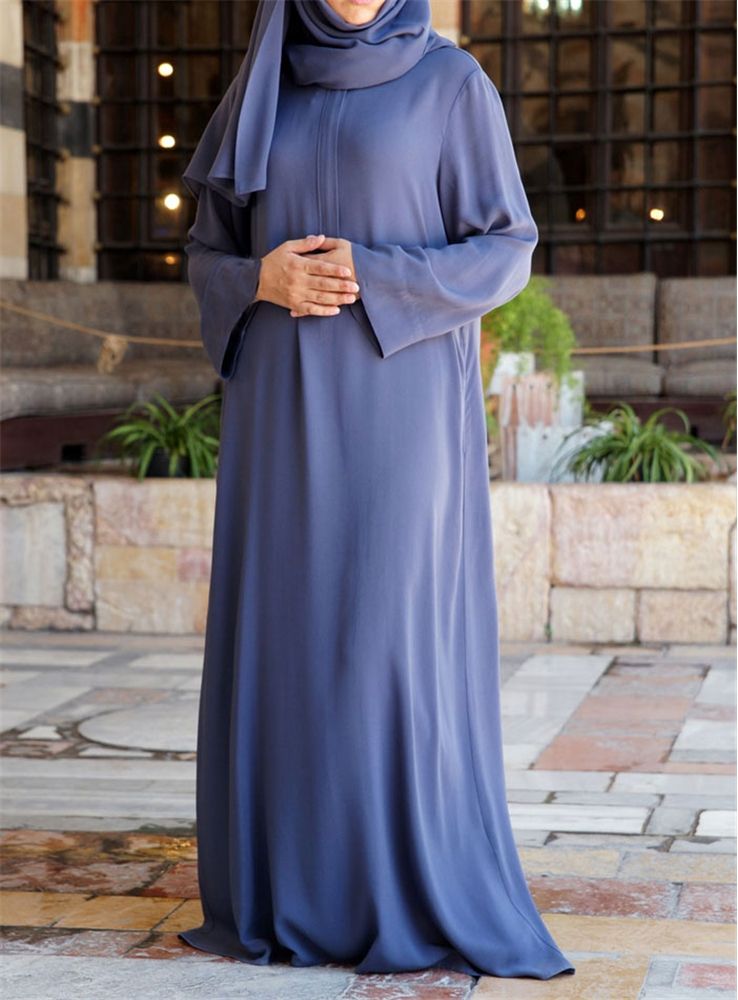
A wedding dress quiz promises to sort a bride in twelve questions, and customer service has read enough of the aftermath to know what the quiz really is: a first conversation, taken before anybody has stood in a dress. The questions are the familiar ones, ballroom or beach, lace or plain, fitted or floating, and the result arrives as a style name with a small ceremony of confidence around it. None of that is worthless. A quiz narrows a rail of four hundred dresses to a rail of forty, and forty is a number a person can actually shop. The trouble starts when the result gets treated as a verdict instead of a starting point, because a quiz has never seen the bride sit down, climb stairs, or discover that the neckline she picked from photographs itches her in person.
What the questions cannot ask
The honest gaps in every quiz are the same three. It cannot ask how a body moves, because movement is where fitted shapes either earn their photographs or lose them. It cannot ask about the room the wedding is in, the grass, the stone steps, the December cold, because a dress is worn in a place and not in a category. And it cannot ask about hands: whether the wearer will spend the day holding a bouquet, a child, a microphone, a parent’s arm, all of which quietly rule sleeves in or out. Stores that work with quiz arrivals have learned to treat the result as the bride’s opening sentence and then ask the three questions the screen skipped, out loud, in front of a mirror, with the dress on. The brides who mind that process least are usually the ones whose quiz result survives it.
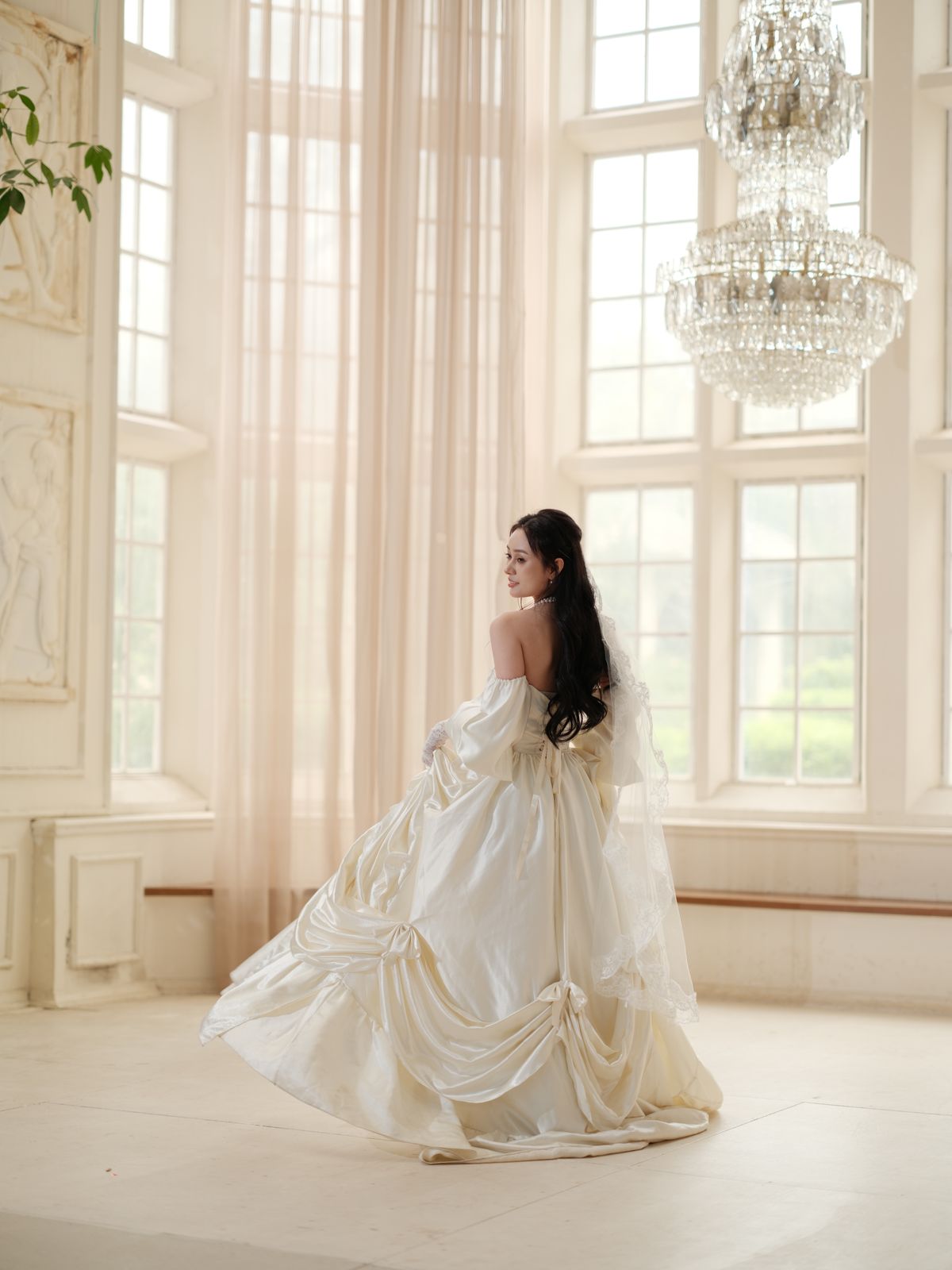
There is a second, quieter use for these quizzes, and it sits on the buying side of the counter. When a boutique or a wedding dress factory reads which results a season of brides keeps landing on, it is reading demand in its softest early form, months before orders harden. A run of fitted results in spring is a hint about what sample sizes to deepen. A swing toward sleeves after a cold autumn is weather talking, not fashion. No wait, it is fashion talking too, the two are hard to separate at the counter, and the stores that try usually end up crediting the trend report for what the thermometer did. Either way, the quiz data is worth more as a listening tool than it ever was as a sorting hat.
From a style name to a custom order
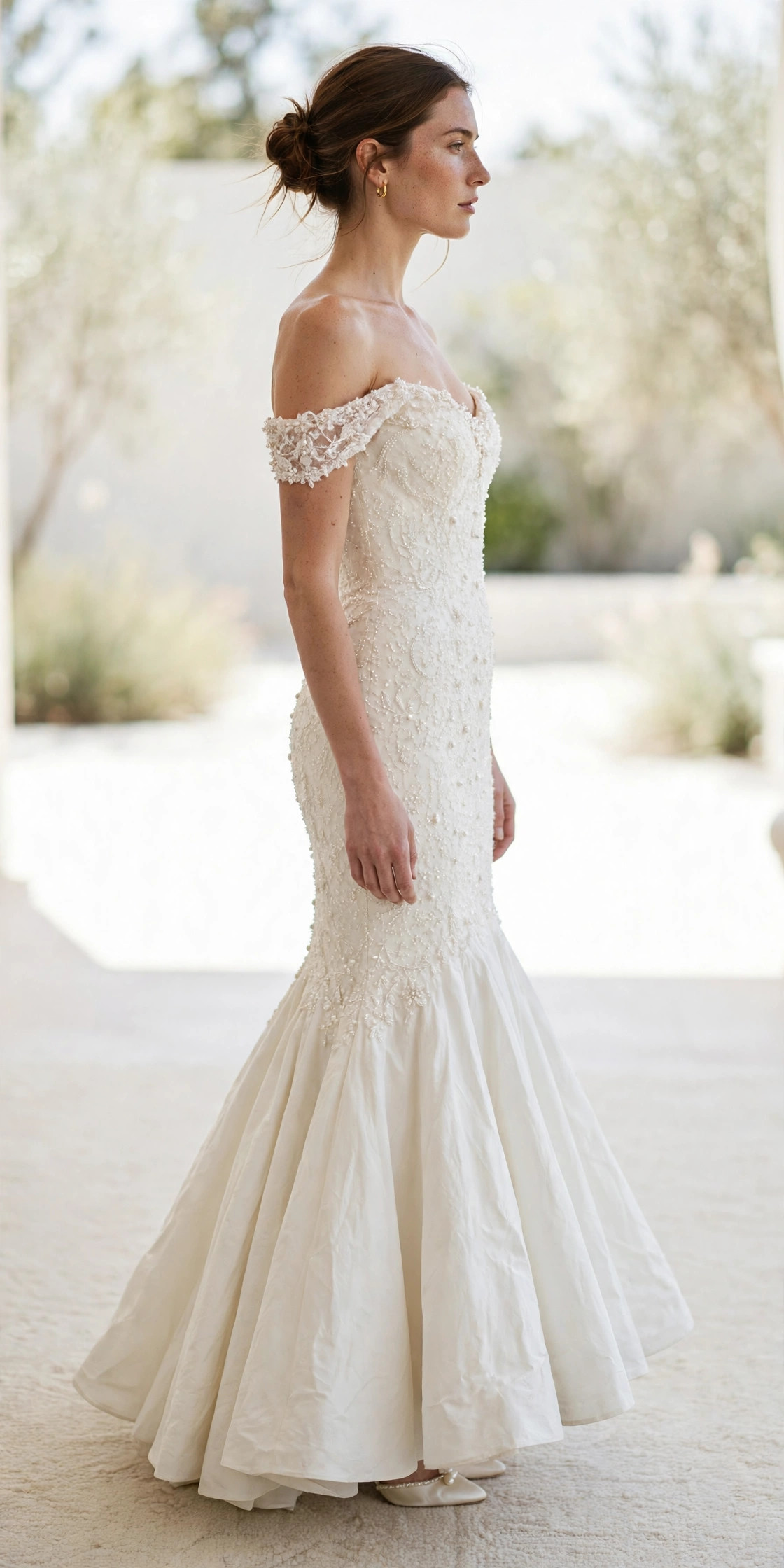
Where a quiz result does real work is at the door of a custom order. A bride who arrives with a shape already chosen, even loosely, gives the maker something to build a tech pack around: this neckline family, this skirt behaviour, this much structure in the bodice. Custom in this trade is rarely a drawing from nothing. It is a series of defended choices, and the quiz, for all its softness, defends the first two or three of them before the first sample is cut. Sampling then does what sampling is for. A pre-production sample on the body replaces the quiz’s remaining guesses with measurements, and the dress stops being a category and starts being a garment with a name and a date attached to it.
The grooms in the title deserve their sentence, because quizzes for couples sort something real: whose taste is steering. Two people answering together produce a different result from one answering alone at midnight, and neither result is wrong, they are just answers to different questions. Shops see the midnight result revised in person more often than the joint one, and they have stopped being surprised by it. A dress chosen as a shared decision survives the fitting room better than a dress chosen as a surprise, which is a sentence about weddings generally, and the quiz is simply where it shows up first.
The service desk files these quiz answers beside the custom lace wedding dress notes, reads them against the custom colour sequin dress file, and checks them next to the online custom gown review, because a quiz is only the first ten minutes of a conversation those three files finish.
Questions buyers and stores actually ask
My quiz result says mermaid, but the fitted sample felt wrong. Did the quiz fail me?
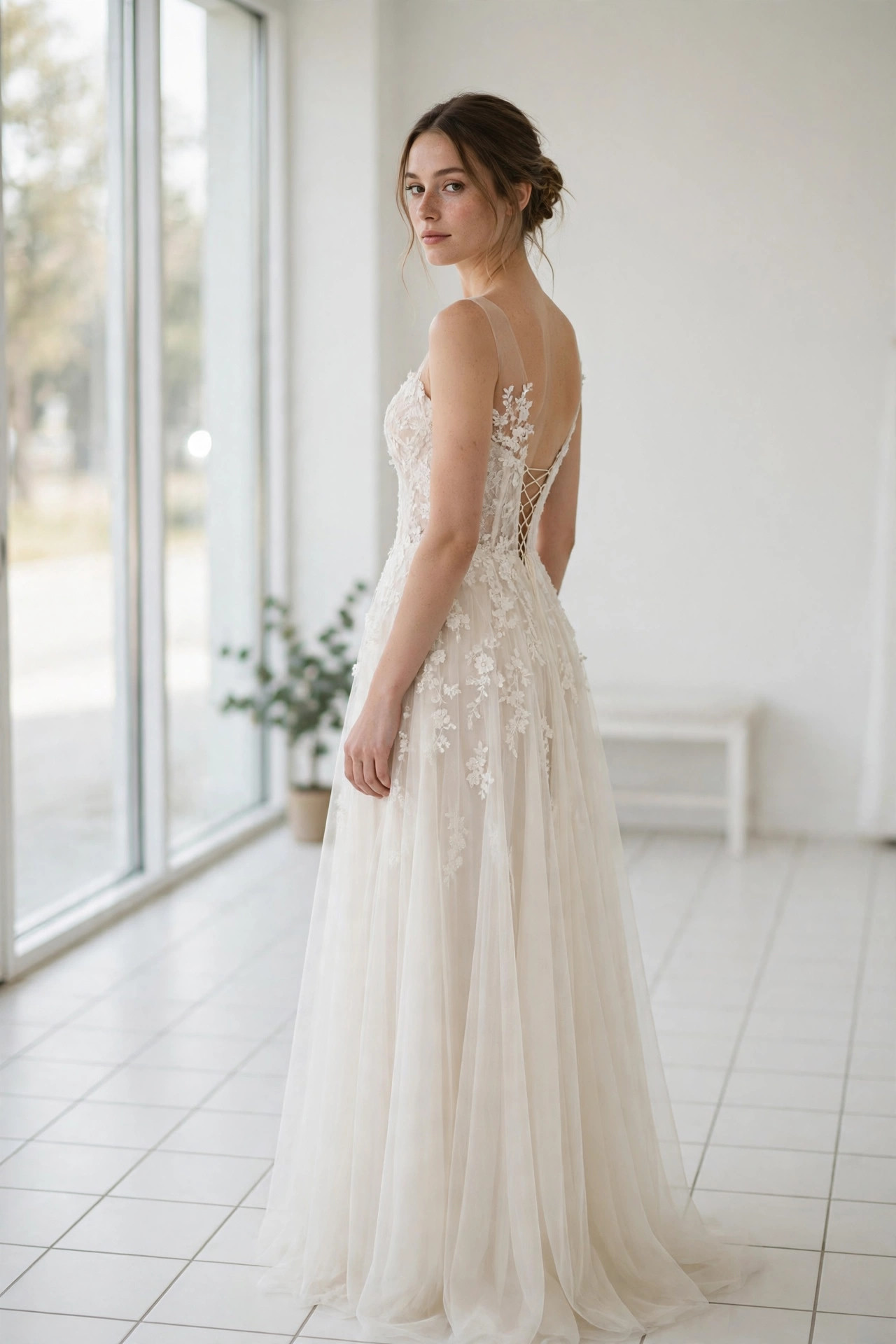
No, it did the only job it has, which is narrowing the rail. A quiz sorts taste from photographs; it cannot test movement, and a mermaid is a movement dress before it is anything else. The sample feeling wrong is the process working, not failing. Take the shape above and below it, an A-line and a sheath, into the same fitting, and let your body cast the vote the screen could not take.
We answered the quiz together and separately and got two different dresses. Which one do we shop?
Both, honestly, and in the same appointment if the store allows it. The joint answer usually carries the day the wedding actually is, shared, witnessed, photographed, while the solo answer carries private taste. Trying one shape from each result shows quickly which dress belongs to the wedding and which belonged to the evening spent answering questions. Stores see this often. It is not indecision, it is two honest answers meeting.
A quiz pointed me at a custom dress. What happens between the result and a real order?
The result becomes the start of a tech pack: neckline family, skirt shape, structure, the choices a maker can actually build from. Then measurements replace guesses, fabric is chosen in person where possible, and a sample is made and fitted before the final dress is cut. A custom order at a low starting quantity is normal in this trade, even a single dress, but it runs on specifics. The quiz supplies the first few. The fitting supplies the rest.
So the verdict from the returns desk, if a quiz can be said to earn one, is forgiving. Take the quiz. Enjoy the small ceremony of being sorted. Then treat the answer the way a good store treats it, as the first rack to try and not the last word, and let a real fitting, in a real room, with stairs nearby, argue with it. The dresses that survive that argument are the ones still being described fondly years later, and no twelve questions, however kindly written, have ever managed to skip that step on anybody’s behalf.