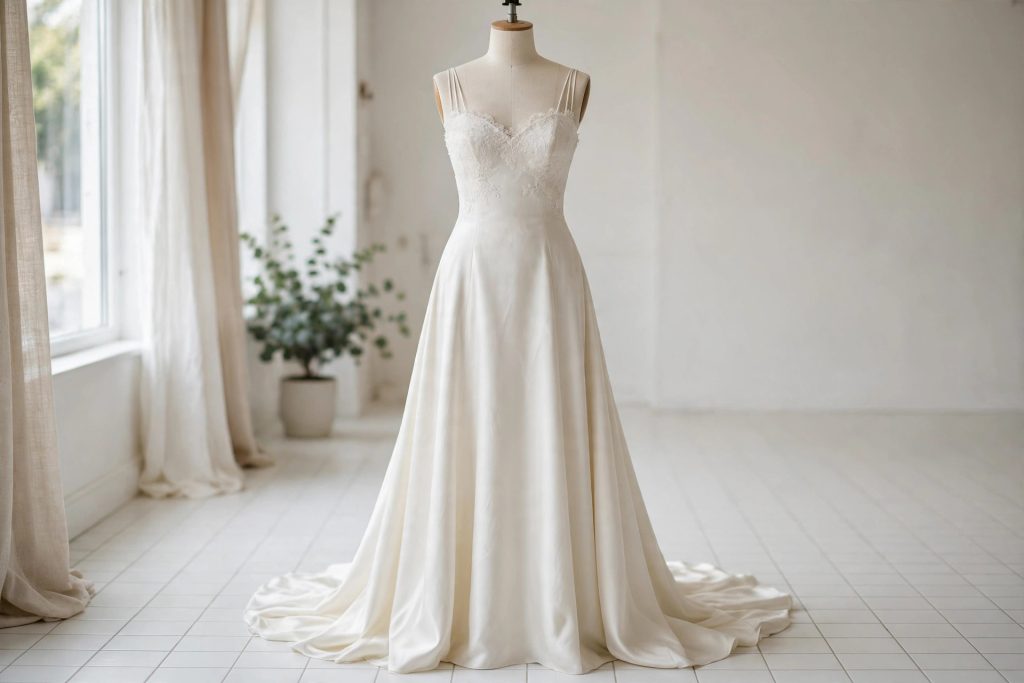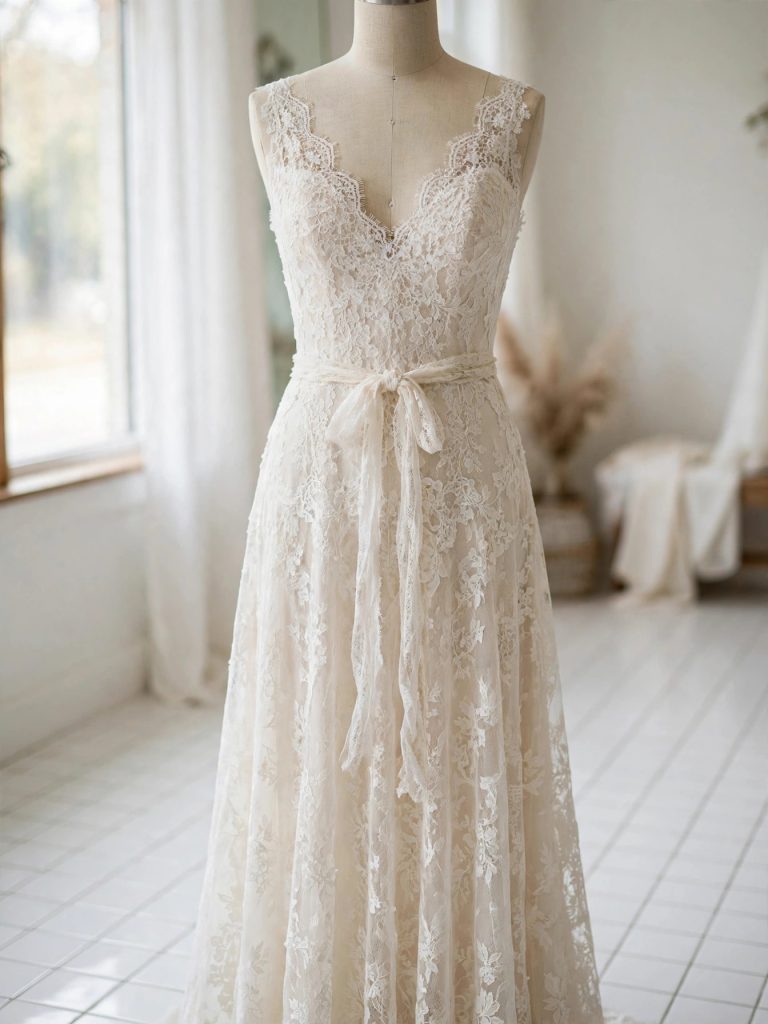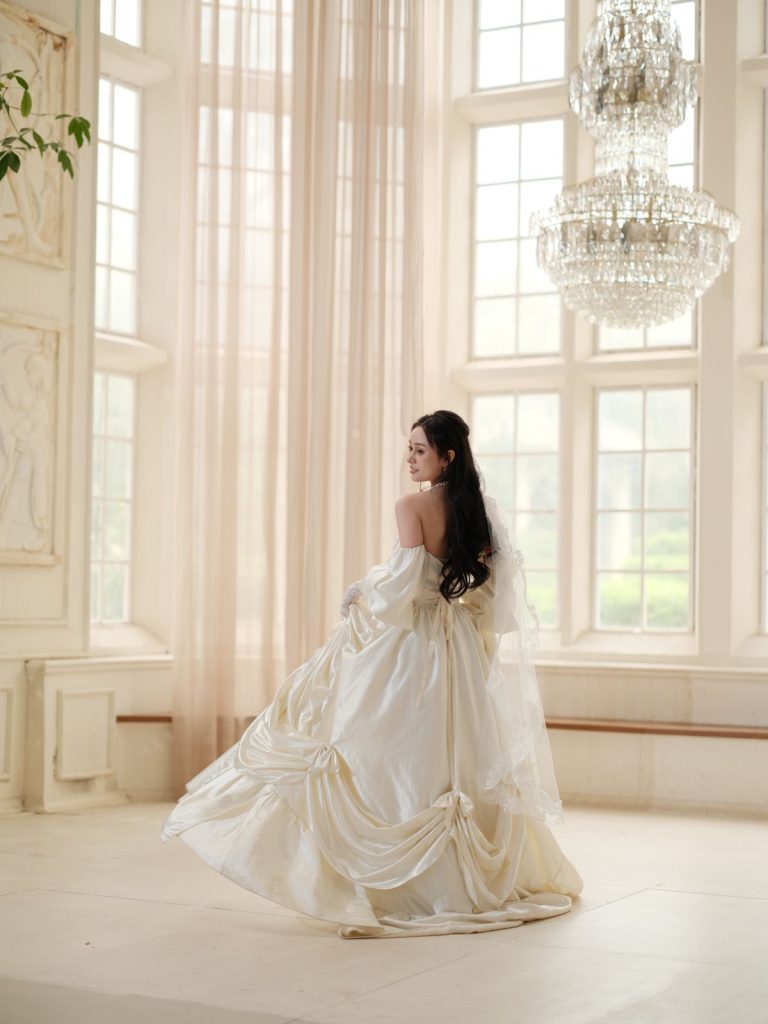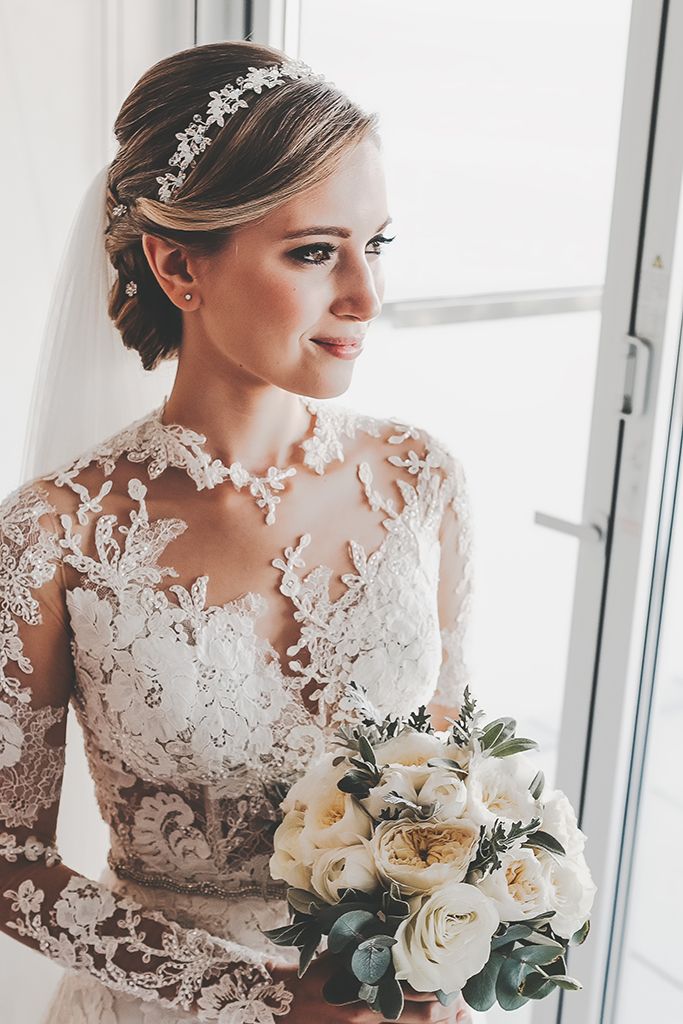
Start at the end. A bride in a sequined V-neck cap sleeve dress is standing in evening light and the dress is doing exactly what she paid for, catching every lamp in the room and throwing it back. That final photograph is where every listing for this style begins its argument, so let us walk backwards from it, past the twelve near-identical listings, past the word custom in the titles, all the way to the single bench run the dress actually came from.
Twelve listings, one dress, read in reverse
Count the listings and the market structure shows itself. A style sells, other sellers notice, and the same factory output appears again under a slightly shifted title, custom wedding dress here, custom colour there, sequined V-neck somewhere else. The buyer thinks she is comparing twelve dresses. She is comparing twelve pages. Competition sits on price, delivery time, and how many reviews each page has gathered, and the oldest page usually holds the most reviews, which has nothing to do with which run of the dress was sewn best.
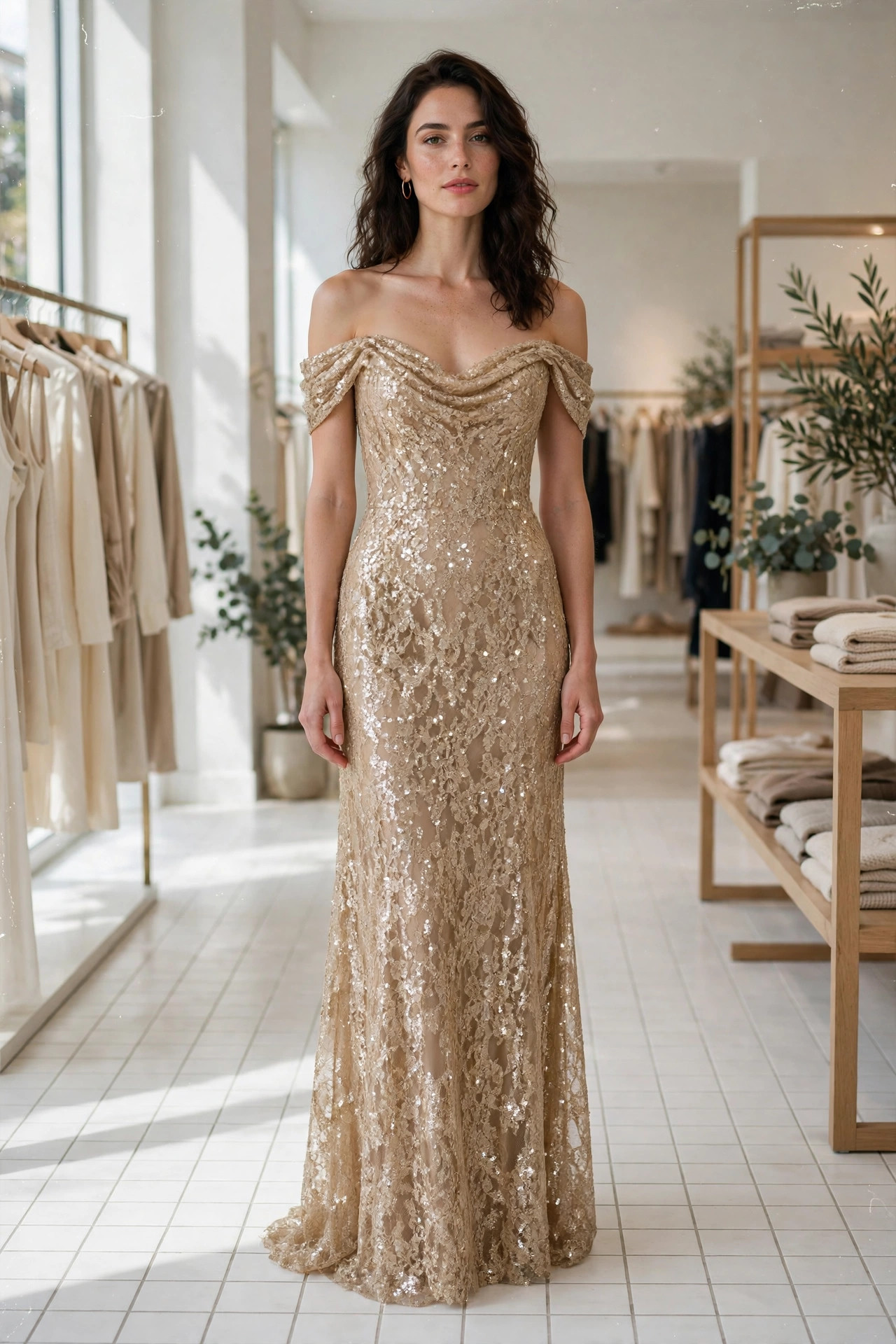
Walk one step further back and the word custom shrinks to its real size. On this style custom means the buyer picks a colour from a set the factory already stocks, and sometimes a size from a chart. It does not mean a pattern was cut for one body. That is not a trick unique to one brand. It is how catalogue sequin dresses are sold everywhere, and a sourcing conversation goes better once both sides use the word the same way. A boutique buyer ordering for resale should ask which parts can actually change, colour only, or length and neckline depth as well, because the answer draws the line between a stock order and a made to order one.
The sequin cloth decides before the silhouette does
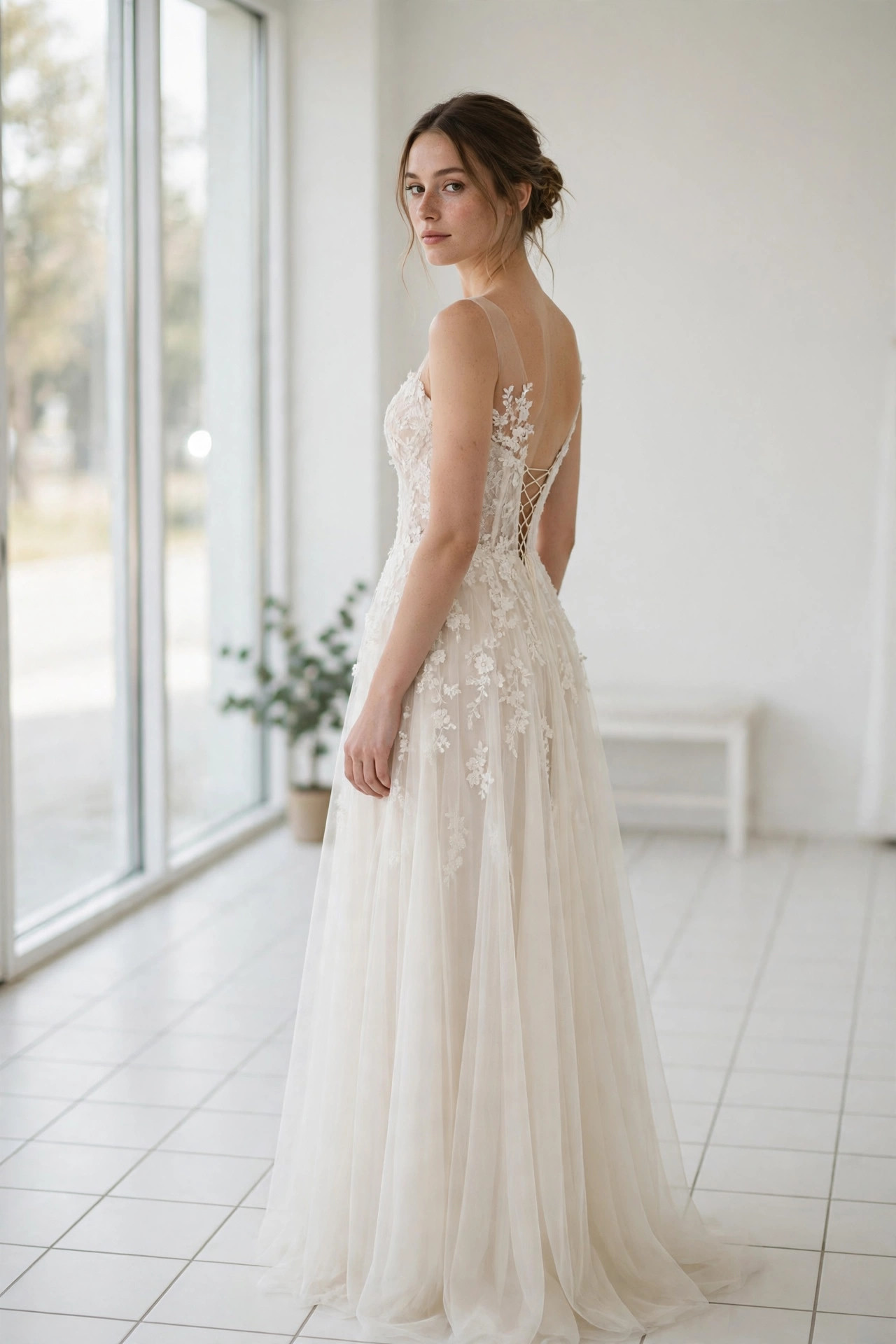
All-over sequin on a V-neck with cap sleeves is a forgiving design in one way and an unforgiving one in another. The sparkle hides small sewing sins that a plain satin would confess at once, which is part of why the style suits high-volume production. But sequin cloth is heavy, it drags on the shoulder, and the cap sleeve sits exactly where that drag lands. A run that grades the sleeve and shoulder properly across sizes holds its line at a size eighteen. A run that simply scales the photograph does not, and the larger sizes are where the reviews quietly turn.
Fabric sourcing sits underneath all of it. Sequin cloth varies by density and by how the discs are fixed, stitched rows hold, scattered fixing sheds. A garment factory buying cloth by price alone can produce a dress that photographs identically and loses its surface across one evening of dancing and chair backs. No wait. Across one fitting, sometimes, if the fixing is poor enough, which is why a sample should be rubbed against a chair back and a handbag strap before anyone talks about quantity, not admired under showroom light.
What the buyer is really choosing
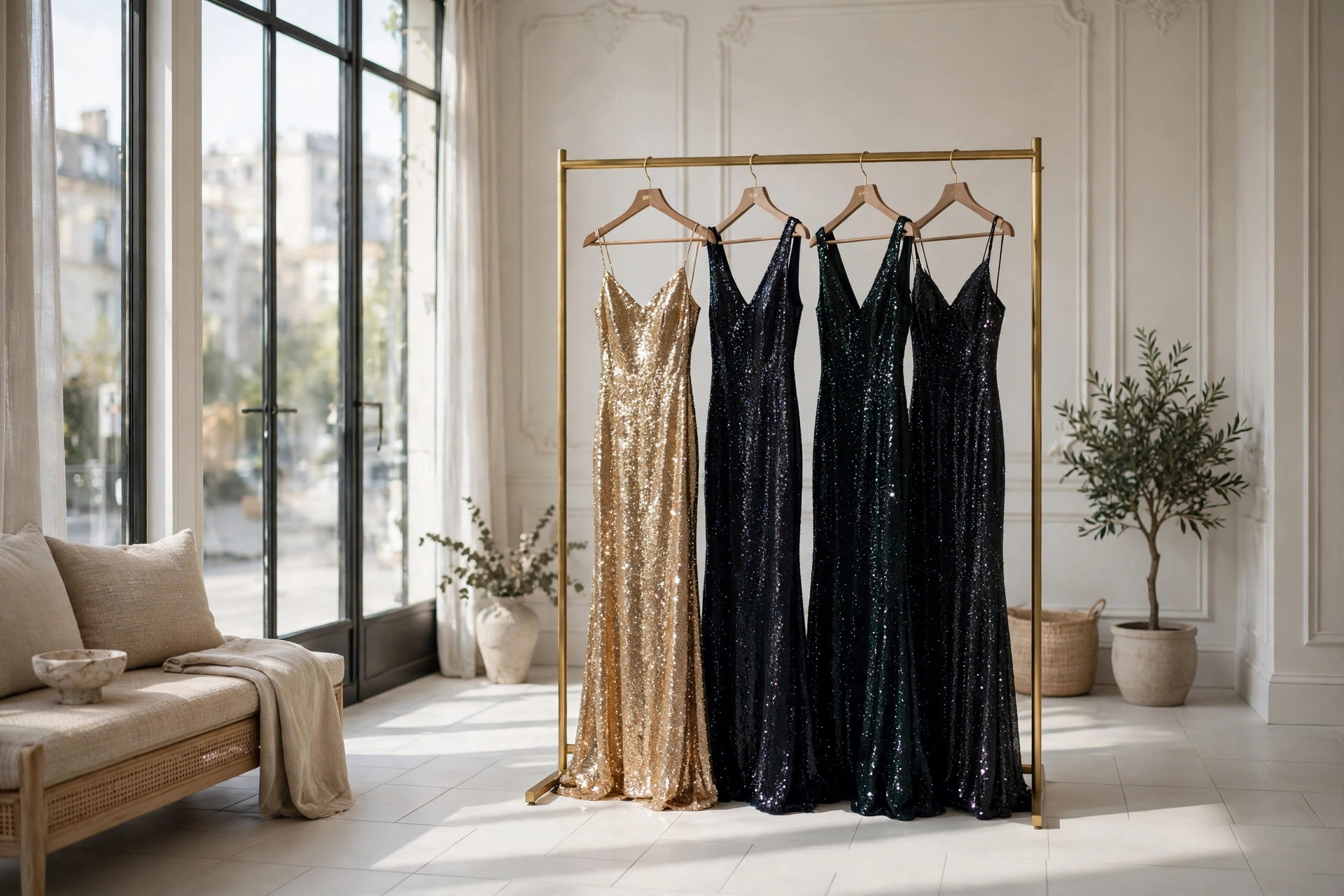
Working backwards from the rail, the same sequin cloth turns up in the custom colour sequined V-neck cap sleeve dress file under a custom colour title, in a different silhouette in the lace mermaid gown with flare sleeves file, and in a guest-weight mesh in the floral mesh maxi dress for wedding guests file, and tracing those three back to their benches teaches more about this market than any single listing page does.
Questions buyers and stores actually ask
Twelve listings for one dress. Is the buyer being fooled, or is this just how the market works?
It is how the market works once a style proves it can sell, and the buyer is only fooled if she believes the twelve pages are twelve different dresses with twelve different standards. The useful move is to compare sellers on grading, sequin fixing, and reorder terms rather than on photographs that all came from the same early run. I still find the sameness faintly absurd after years of watching it, but absurd and dishonest are different things here.
Custom colour sounds generous. What can actually be changed on a style like this?
Colour from the stocked set, honestly, and that is usually the whole offer at this price, with size taken from a chart rather than from a body. Length or neckline changes move the order into a different conversation with a different lead time. A buyer who needs those changes should say so at sampling and hear the price of them plainly, instead of discovering at delivery that custom was a colour card. The disappointment is almost always in the word, not in the dress.
Ten pieces per style. Does a sequined dress survive being ordered that small?
Ten pieces per style is a sensible trial order for a sequined style, because sequin cloth is bought for the run and a small run still shows whether the fixing holds and whether the larger sizes keep their shoulder line. What a small run cannot show is reorder consistency, since the next cloth lot may differ slightly in density. Stores that plan to reorder should keep one dress from the first run as the comparison piece, and judge the second run against cloth, not against memory.
Why do the larger sizes of sequined dresses collect the harder reviews?
Weight and grading, mostly. Sequin cloth is heavy, the shoulder carries it, and a pattern that was scaled rather than graded puts the cap sleeve and neckline in slightly wrong places as sizes rise. The wearer feels it as pulling and reads it as quality. A factory that grades properly spends its time exactly there, in the unglamorous centimetres between sizes, and that work never appears in a listing photograph, which is part of why I keep bringing it up.
A sample sparkles under shop light. What else should a buyer do with it before ordering?
Rub it, hang it, and sit in it, in that order of honesty. Rub the cloth against a chair back to test the fixing, hang the largest size overnight to watch the shoulder under the cloth weight, and sit down in it because a V-neck sequined dress lives a seated life at a wedding. Ten minutes of that teaches more than an hour of photographs, and a seller who minds those tests is telling you something the price never will.
Since the dress is the same, the real choice is which seller stands behind which run, what the reorder path looks like if the style moves, and whether the size grading was treated as work or as arithmetic. A wholesale supplier who can talk about sequin density and shoulder grading without changing the subject is worth more than a cheaper page that cannot. Private label buyers learn this fast, because their own label goes inside the dress and their own store takes the message when a cap sleeve gives up at midnight.