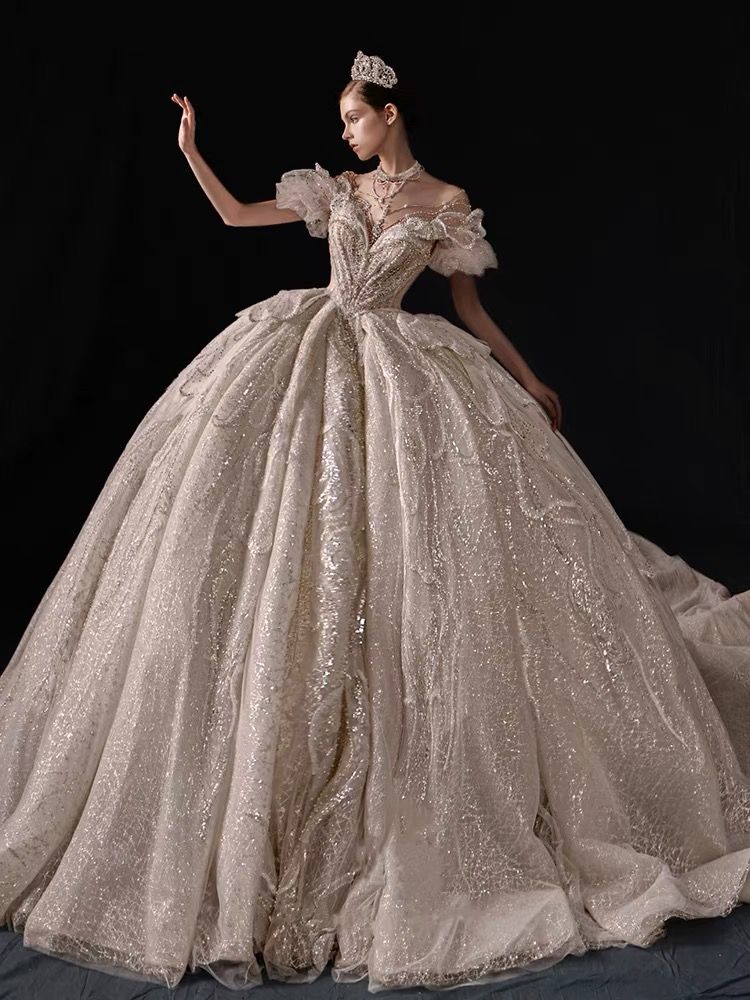
It starts small, the way these files always start. One buyer writes that the sample was heavier than expected, just that, nothing else, and the sourcing desk makes a note and moves on. Then a second note, about a sleeve that pulled at the armhole by the end of a fitting. Then a store asking why the larger sizes in a sequin and beaded mermaid gown feel like a different dress from the medium they approved. None of the notes is an accusation. Together they are the whole product, because a long sleeve mermaid covered in sequins and small beads is a weight problem wearing a beautiful shape, and weight, unlike sparkle, cannot be photographed.
First the sequins learn to stay, then the beads learn to share
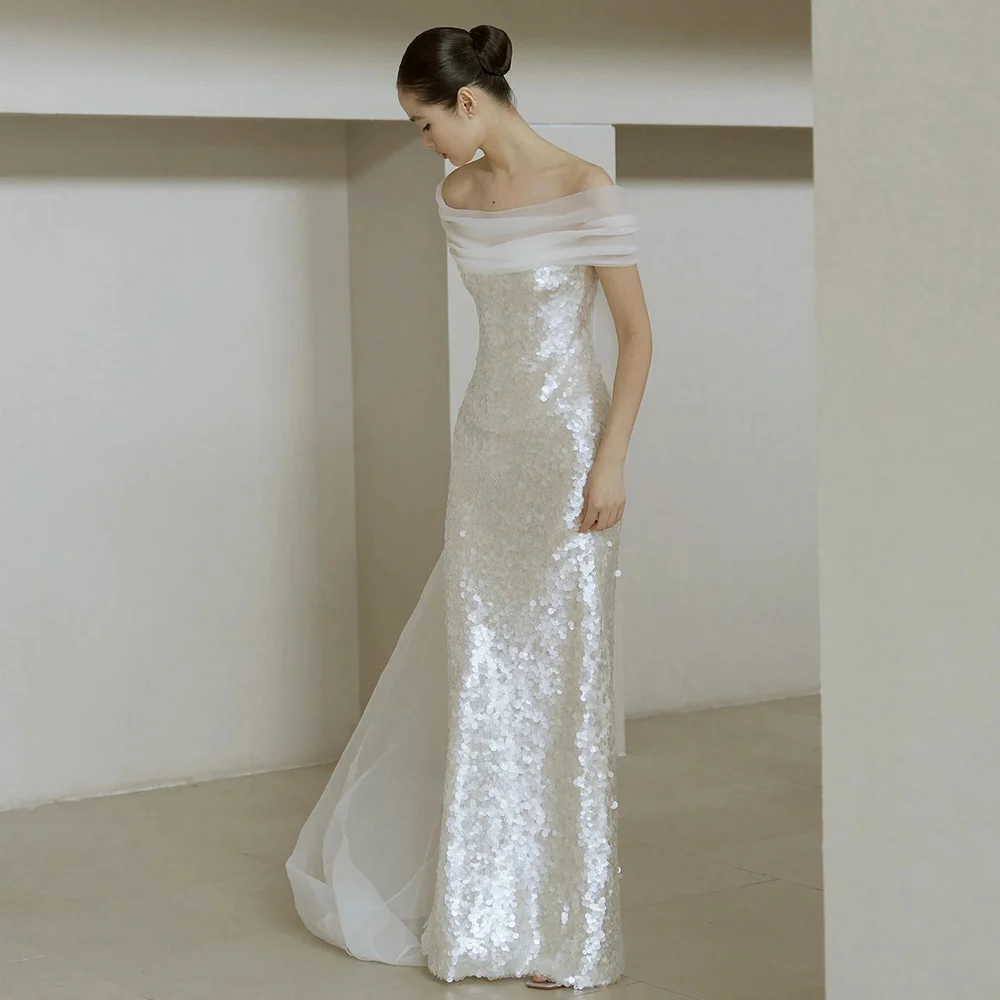
Sequin coverage on a fitted body has to survive stretch, which sounds obvious and is routinely forgotten. A mermaid bodice moves over hips and knees, and sequins sewn in rigid rows across a moving panel crack their thread in sequence, a few discs at a sit-down, a few more at a staircase. The builds that last sew the rows with a little travel in them and lock the rows at the seams, so the panel can flex without the decoration paying for it. Sourcing reads the returns on this category and finds the same sentence wearing different words: it was fine standing up. A dress for prom and evening wear is not a standing-up dress, and the trial fitting that only stands is approving the one version of the gown that will never be worn.
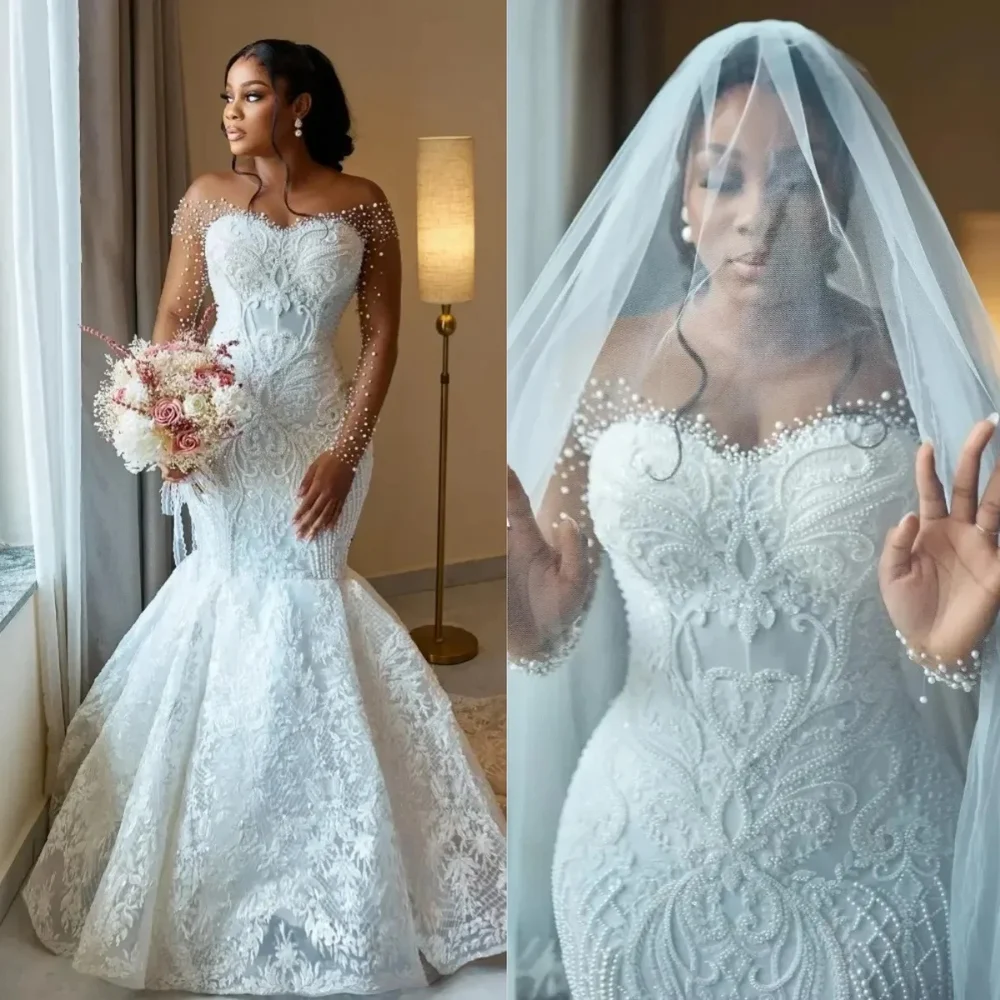
The beads are the slower lesson. Small pearls and seed beads and little crystals, worked across a bodice and down the sleeves, add up the way rain adds up, individually nothing, collectively a weather system. Spread with a plan, denser where the body carries load well, lighter toward the hem and the cuff, the weight sits quiet and the gown moves like a dress. Spread evenly because even looked fair on the sketch, the weight migrates downward all evening, the sleeves lengthen their pull on the armhole, the skirt drags its decoration toward the floor it was graded above. No wait, evenly is not even the real fault. The fault is grading the decoration like the cloth, more of everything at every size, until the largest size is carrying a third more bead weight on the same sleeve seam as the sample.
The accumulation reaches the quote, where it started
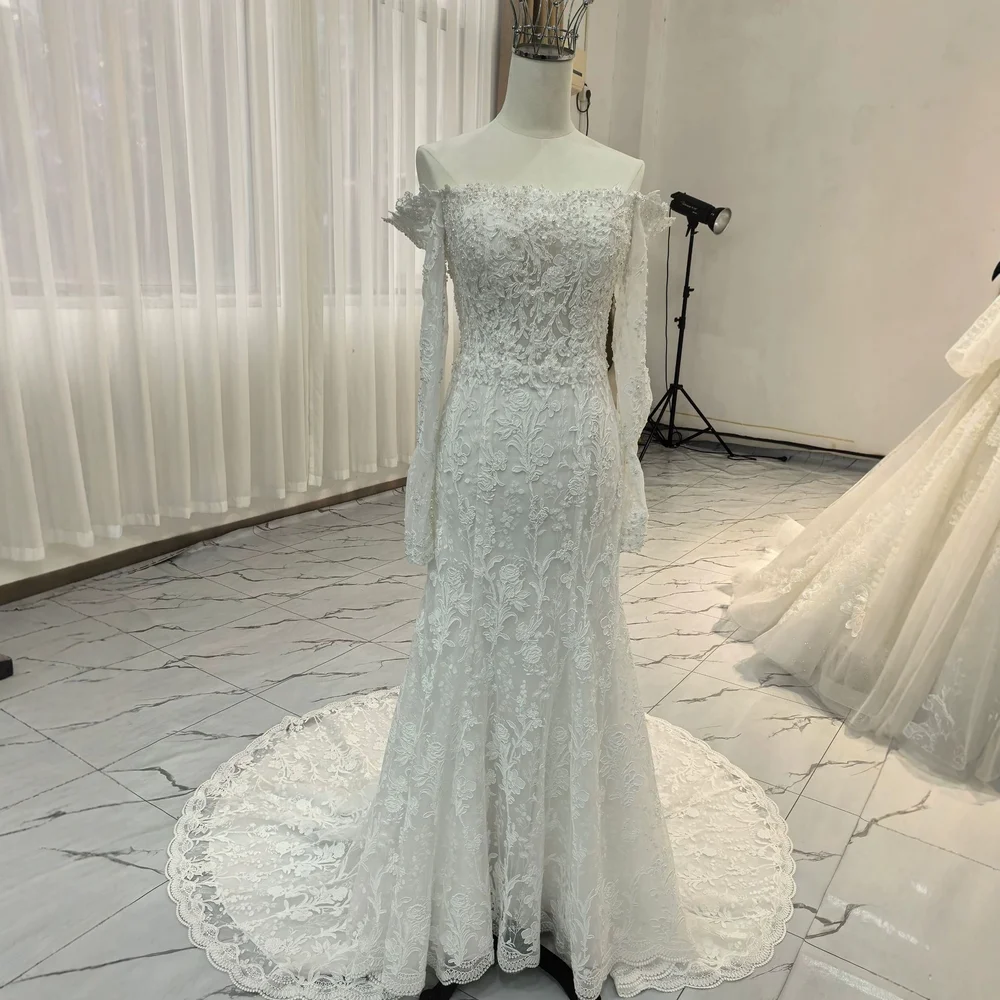
By the time a store is reordering, the pattern is fully written and nobody remembers the first small note. Covered gowns cost what they cost in three currencies: the stones and discs themselves, the sewing minutes that fix them so they stay, and the structure underneath, the lining and inner support that carry a decorated skin without sagging. A quote that is light in the third currency is not a bargain, it is a loan, and the interest arrives as alterations and returns. A dress manufacturer quoting a bulk order in this category honestly will talk about what carries the weight before talking about how much weight there is, and a sourcing manager learns to hear a quote’s silence on that subject as clearly as its price.
Size curves tell the same story in numbers a store can check. Covered mermaids sell their middle sizes on sparkle and their larger sizes on trust, because a larger buyer has been let down by decoration grading before and reads reviews looking for exactly that. When the bead load and the sleeve support are graded with the same care as the outline, the reviews across sizes read like one dress. When they are not, the file fills with the sentence nobody writes on purpose: order your usual size in the medium, size up carefully beyond it. That sentence is a pattern fault that learned to speak customer.
In the same sourcing file this mermaid gets costed beside the heavily beaded mermaid gowns range, read against the sequin and glitter party dresses sparkle notes, and checked next to the modest long sleeve evening dresses line, because all three are covered dresses whose weight has to be planned, not discovered.
Questions buyers and stores actually ask
The sample stood beautifully and shed sequins sitting down. What did the fitting miss?
It missed the sitting, which is the test. Rows sewn rigid across a flexing panel crack thread in sequence once the body bends, and a standing fitting never bends it. A pre-production sample in this category should be sat in, stair-walked, and danced a little before approval. The gown that passes that hour is a different and better-known product than the one that posed.
Larger sizes feel heavier and pull at the sleeve. Is that just more cloth?
It is more of everything, graded flat. When bead coverage grows at the same rate as the outline, the biggest sizes carry far more decoration weight on a sleeve seam built for the sample’s load. Careful makers grade the decoration density and the sleeve support alongside the size. Ask how the bead weight changes across the run, and listen to whether the answer exists.
A cheaper quote for the same covered gown. Where did the money come out?
Usually the structure. Stones and sewing minutes are visible in a sample and hard to cut quietly, but the inner support and lining that carry a decorated skin can be thinned without the photograph changing. The saving presents itself later as sagging, pulling, and alteration bills. On a covered gown, the load-bearing parts are the price, whether they are itemised or not.
10 pieces per style for a covered mermaid. Does a trial that small teach anything real?
It teaches the weight story, which is the thing photographs hide. Ten gowns across sizes, worn sitting and moving, show whether rows flex and whether sleeves pull before a bulk order repeats the lesson at scale. What a trial cannot do is average away a grading fault. If the largest trial size drags, the largest bulk size will drag in more homes.
Private label on a gown this decorated. Where does branding go without fighting the beads?
Inside, and quietly. A woven label at the back neck sits under decoration and irritates through lining if it is placed carelessly, so covered-gown buyers put the brand on a hang tag and a small side-seam label, and print the care line inside the back. The tech pack should settle it during sampling, when moving a label costs a sentence, instead of after the run, when it costs a resew.
The style deserves its place at the top of the prom and evening file. A sequin and beaded long sleeve mermaid, built so the fixing flexes and the weight is placed like ballast in a boat, is a gown people remember being in the room with. The accumulation of small notes at the sourcing desk is not an argument against it. It is the specification, written by wearers one fitting at a time, for how the next order should be sewn.