Sixteen years around fabric and I still get asked why two boho floral midis that look like sisters carry prices a third apart. With this long sleeve style for fall wedding guests, the answer sits in the cloth before a single seam is sewn. Boho is a forgiving word. It covers a rayon that drapes like water and a stiff printed cloth that drapes like a curtain sample, until a customer holds them in two hands and understands in one second what the listing hid.
I sell cloth to the people who make dresses like this, which puts me upstream of the argument. By the time a boutique buyer compares finished dresses, the expensive decisions are already locked inside the fabric choice, the print method, and the width the cloth was cut from.
The print is bigger than the pattern piece, or it is not
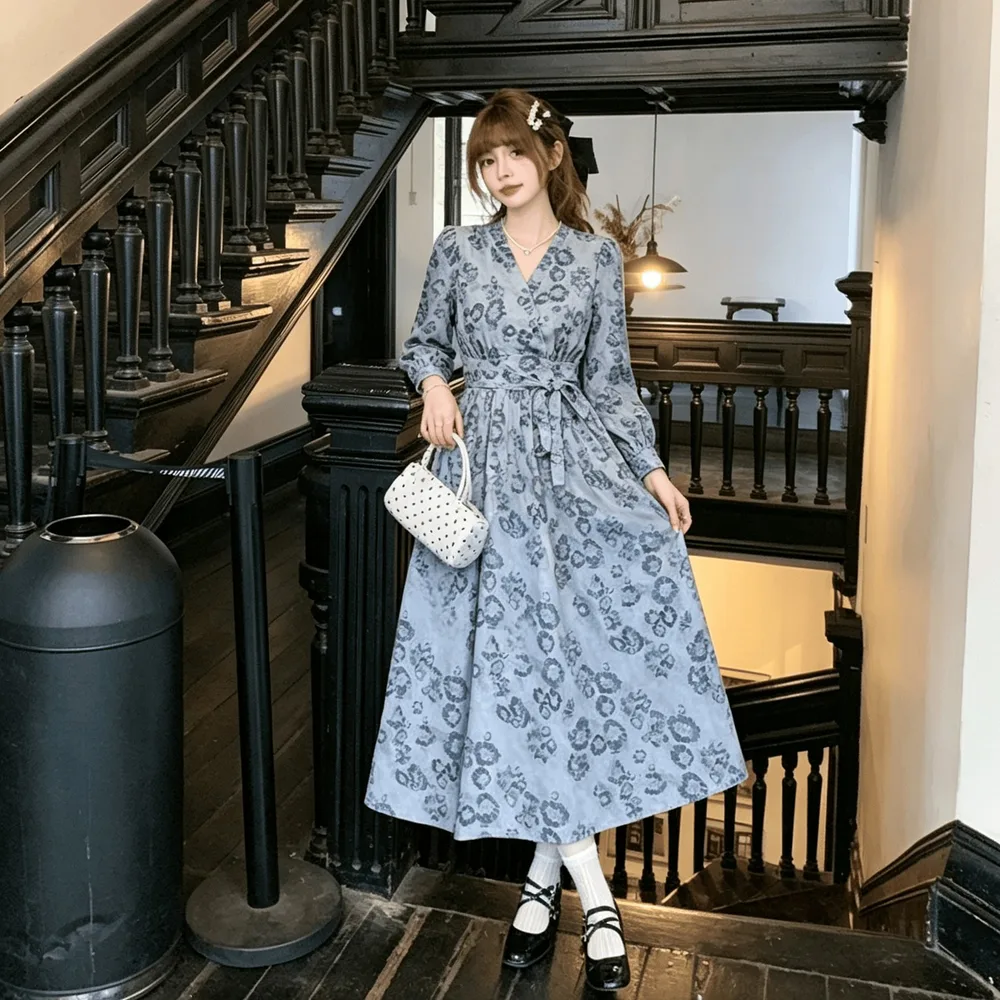
A floral print is drawn at one size and cloth is printed at another, and the relationship between those two sizes is where boho dresses split into price tiers. Print a large floral at full scale and each dress carries whole flowers, spaced the way the designer drew them. Shrink the repeat to save cloth and the same design crowds, and the dress reads busy instead of romantic at exactly the distance a wedding photograph is taken from. Under print tension the motif can also grow a few percent between the approved strike-off and the bulk roll, which is why a sample can look calm and the production run restless.
Width does quieter damage. After heat setting, dress cloth often finishes around 142 to 145 centimeters of usable width, and a tiered midi skirt wants every centimeter of it. Cut the tiers from a narrower roll and the maker adds seams, narrows the sweep, or shortens the tier depth, and each save shows up as a dress that moves less. Guests describe it as the dress feeling mean. It is arithmetic that happened three hands before the dress reached them.
Long sleeves tell the truth about rayon
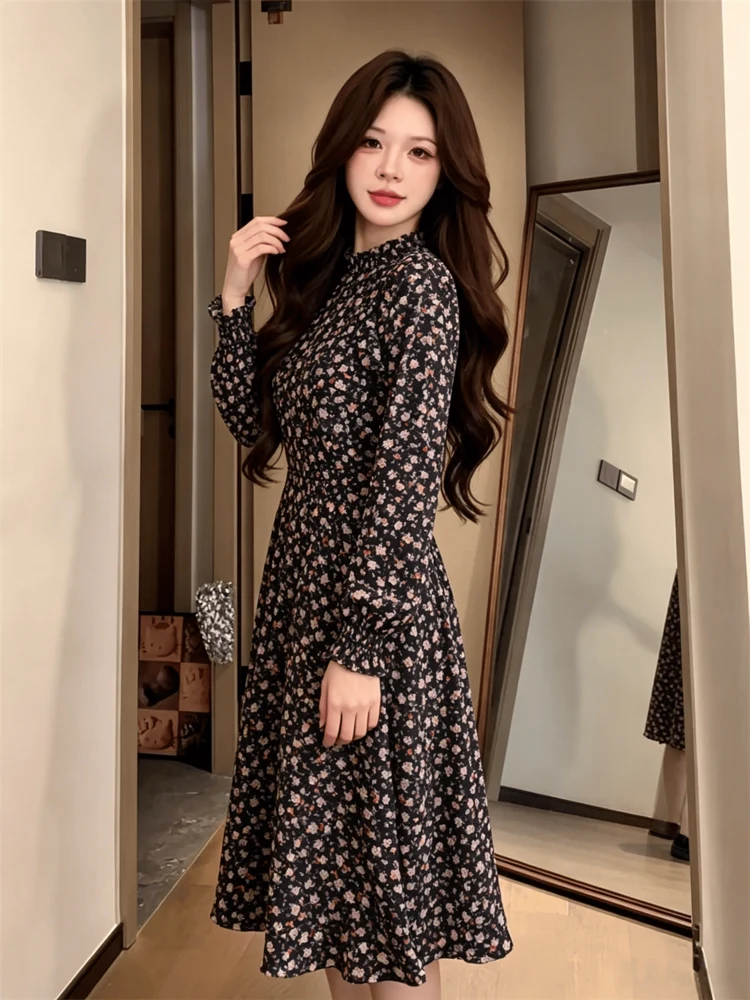
A long sleeve is worn at body temperature for six hours, and rayon quality stops being abstract somewhere in hour two. Better rayon holds its surface and lets the cuff sit where it was cut. Cheaper stock woven from shorter fibers creases at the inner elbow in a way that does not steam out, and the sleeve slowly twists because the cloth was not rested before cutting. Cut it fresh off the roll and the sleeve length itself can drift as the cloth settles, which is how two dresses from one size run end up with cuffs in different places.
No wait. I keep blaming the cloth as if the dye work was innocent. Fall colors are the other half of this. The rust, olive, and deep berry grounds autumn guests want are exactly the shades where two dye lots stop matching under warm indoor light while looking identical in a warehouse at noon. A boutique ordering this style in three fall shades, for a wholesale women’s dresses rail, should ask for each shade to come from one lot and one cutting, because a reorder six weeks later in the same named color can arrive as a close relative rather than a match.
Lining is half the color, and fall proves it
Print and cloth problems repeat across the guest dress rail, so the summer floral mesh maxi notes follows a floral mesh maxi where tension changed the motif, the ruched floral maxi guest review takes a ruched floral maxi through the fit side of the same questions, and the two-calendar formal dress case shows a formal style whose fabric decisions split across two selling seasons.
Questions buyers and stores actually ask
Two boho midis, same floral, prices a third apart. What is the fastest honest check between them?
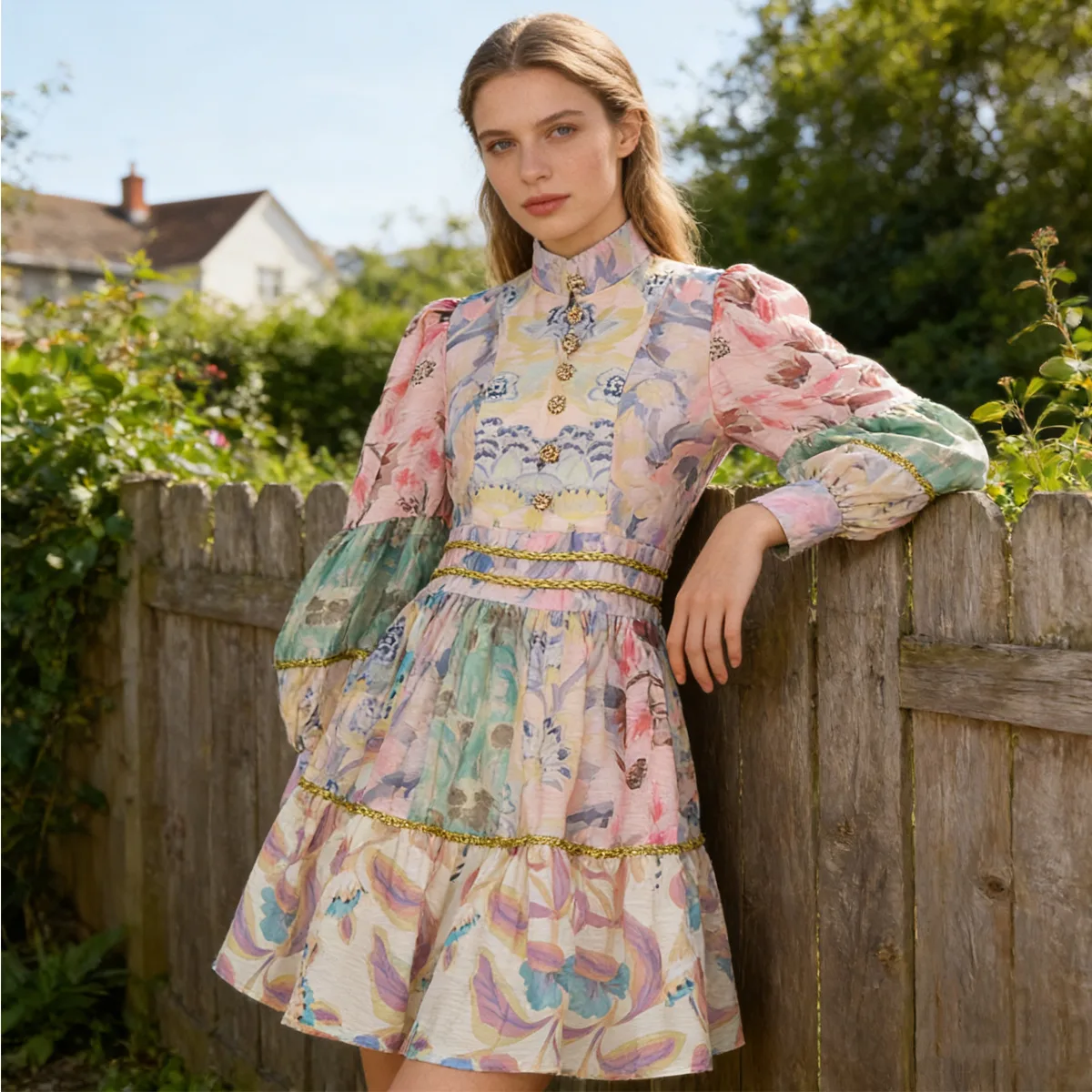
Hold both skirts up to daylight and look at the print before the price tag. On the better dress the flowers keep their drawn size and spacing, and the ground color stays deep because a lining is doing quiet work behind it. On the cheaper one the repeat has usually shrunk and the cloth glows pale where light passes through. Then check one cuff against the other for length. Three checks, under a minute, covering most of where the money difference lives: in the cloth, long before the sewing.
A fall reorder in rust arrived looking like a cousin of the first batch. Did the factory change the dress?
Probably not the dress. The dye lot changed, and rust is one of the least forgiving shades for lot drift once a dress moves from warehouse light into a warm room. Pattern, cloth, and sewing can all be identical while the color quietly steps sideways. For fall shades, order the full quantity in one lot where you can, and where you cannot, get the reorder approved against a cutting from the original roll rather than the color name. Names stay the same. Lots do not.
Long sleeves that crease at the elbow by the second hour. Cloth fault or making fault?
Usually the cloth, with an assist from the cutting table. Shorter fiber rayon creases in a way steaming only partly forgives, and cloth cut before it has rested keeps settling on the body, adding twist to the crease problem. A sample worn for ten minutes in a showroom shows neither fault. Wear it through a working afternoon, or hang the dress overnight and check whether both cuffs still agree in the morning. It is an unglamorous test. It is also the one that predicts the reviews.
Ten pieces per style to test a new boho supplier. What should those ten be spent on?
Spread them across the size range and at least two fall shades, because the faults here hide at the ends of both. The middle size in the safest color is the dress every supplier can make. The largest size shows whether the tier sweep survived the width of the cloth, and the rust or berry shade shows whether the dye work holds. Ten pieces spent that way teach you more than fifty spent on the easy version. Just do not expect the trial price to resemble the bulk price. Small runs carry their setup across very few dresses, and that part is honest arithmetic.
The last split is the one nobody puts in a headline. A floral midi over a lining reads deeper and calmer, because the lining kills the light bouncing back through the cloth. The same print unlined, or lined paler than the ground color, washes out and shows every seam allowance as a pale map across the skirt. In summer that lightness can pass as airy. In fall, against dark shoes and a heavy coat, it reads thin. When a buyer asks me where the money went, I turn both skirts toward a window. Often enough, the window answers before I do.