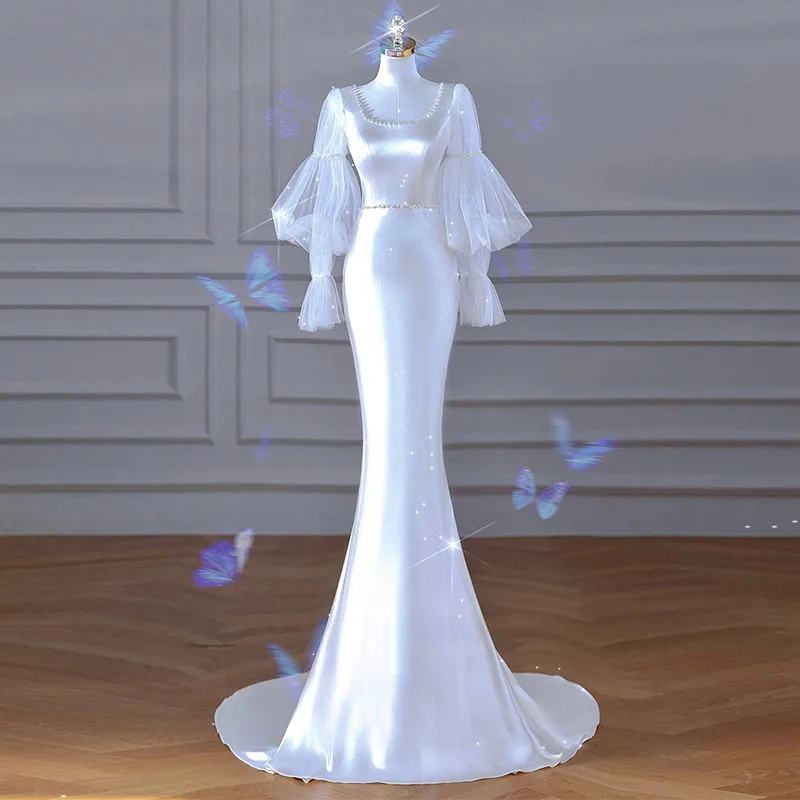
32. That is roughly the share, in percent, of this gown’s making cost that sits in its two sleeves and the satin work around them, and it is the number buyers question first when a quote for a modern long sleeve satin mermaid bridal gown lands on the desk. This file is written from the factory side of that desk, so the plain facts belong up front. The workshop is in Guangzhou and makes bridal gowns, evening dresses and private label women’s apparel for boutiques and small brands. Wedding dress styles from the catalog run at a wholesale minimum of 5 pieces per style, a single custom gown starts at 1 piece, and private label dress orders generally start at 10 pieces per style. Samples run 10 to 15 days once a tech pack is confirmed, bulk runs 20 to 30 days, and sample fees on general styles sit between $45 and $75 a piece, with half of the sample fee credited back when the style moves into a bulk order.
| Item | Figure |
|---|---|
| Catalog bridal style, wholesale minimum | 5 pieces per style |
| Single custom gown | 1 piece |
| Private label dress orders | 10 pieces per style |
| Sample lead time | 10 to 15 days |
| Bulk lead time | 20 to 30 days |
| Shipping, under 20 pieces | about $17 to $22 per kg |
| Shipping, 20 pieces and over, by express | about $13 to $20 per kg |
Satin keeps every receipt
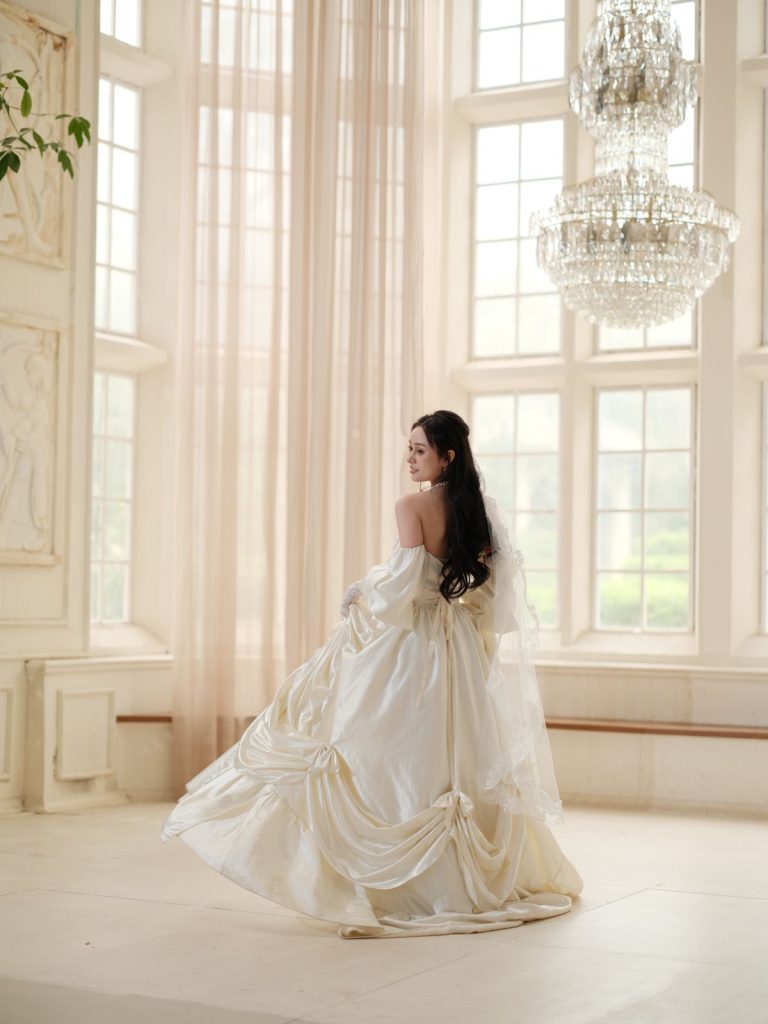
Walk the number backwards and the sleeve stops looking expensive. A mermaid body in satin is cut close, which means the cloth has nowhere to hide a wandering seam, and satin under bridal shop light shows a pucker the way a screen shows a fingerprint. The sleeve adds its own problem on top. It has to be set into a small armhole on a fitted body, eased without gathering, and it has to move when the bride raises her arms without dragging the whole bodice sideways. That easing is hand-guided work at the machine, slower than a straight seam by a wide margin, and on a long sleeve the slow part runs the full length of the arm twice, once per side, before anyone has pressed anything.
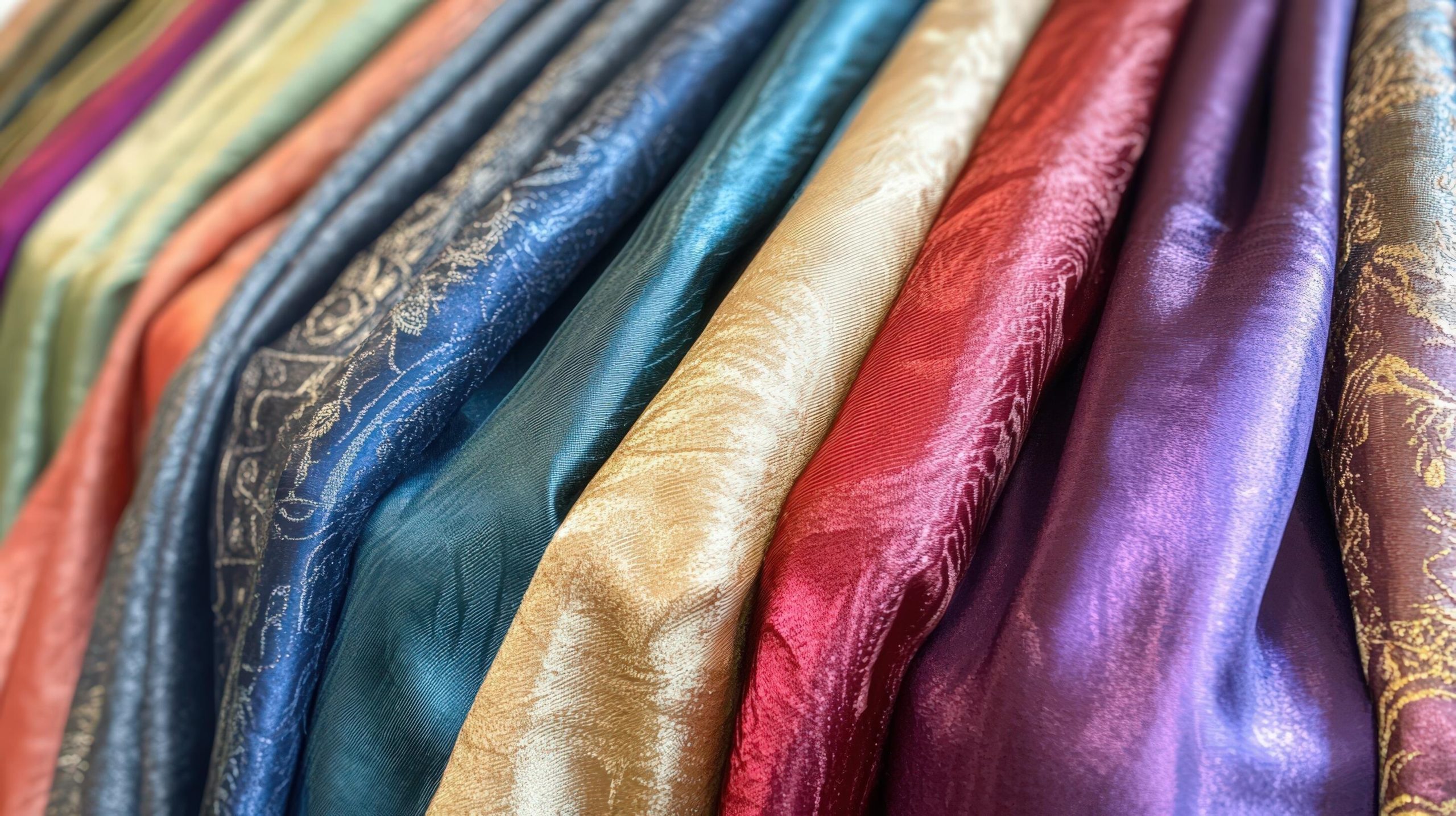
Then there is the cloth bill itself, which buyers underestimate because a sleeve looks like a small piece of the dress. A long sleeve on a mermaid is not cut from the scraps of the skirt lay. Satin has a direction to its sheen, the sleeve has to be cut on the same grain as the body or it shines a different shade at the shoulder, and cutting for sheen wastes lay space the way cutting for a print does. Add the lining, add the pressing that satin demands at every stage instead of only at the end, and the 32 percent stops being a mystery. It becomes the honest shape of the garment, and the quotes that come in far below it are usually cheaper in one of those named places, most often the pressing and the grain.
Where a low quote usually hides
A mermaid sample can be coaxed into behaving for one fitting. Bulk is where satin tells the truth, because bulk is sewn at line speed by more than one pair of hands, and tension differences between operators read on this cloth as faint ripples down the hip. Workshops that hold this style well keep the whole gown with one operator where they can, or check tension against a satin offcut at every shift change, which is a boring habit and the entire difference. No wait, boring is not fair to it. It is the difference, full stop, and it costs minutes that a thin quote has already spent somewhere else. When a boutique compares two prices for this gown, the useful question is not which factory is cheaper. It is which of those named minutes each price still contains.
Buyers comparing this mermaid against looser shapes usually read it beside the A-line wedding dress with soft crinoline and the stretchy halter A-line maxi review, because the three together show the whole spread a bridal rail can hold, from a held satin body to a knit that is asked to forgive everything.
Questions buyers and stores actually ask
Two sleeves at roughly a third of the making cost. Which part of that is cloth and which part is hands?
Hands, mostly, and the cloth bill is the smaller surprise. Setting a long sleeve into a fitted satin body is slow eased work, and satin has to be cut on grain for sheen, which wastes lay space a plain style would keep. The pressing alone, done at every stage instead of once at the end, adds minutes buyers rarely see itemised. Ask a supplier to split sleeve setting and pressing out of the labor line and the third stops sounding like a markup and starts sounding like a timetable.
A sample in 10 to 15 days is promised. Why does the bulk still need 20 to 30 days after approval?
Because the sample is one gown sewn by the best hands in the room, and the bulk is a run that has to hold the same standard at line speed. Satin shows tension differences between operators, so a careful workshop paces the run, checks against offcuts at shift changes, and presses in stages. Twenty to thirty days is what that care looks like on a calendar. A much shorter promise usually means those checks were the thing that got shortened.
Shipping is quoted per kilo, $17 to $22 under 20 pieces. Why does the rate drop once an order passes 20?
Volume changes which service the freight goes on, and a satin mermaid is light for its size, so the per kilo rate is where the money sits rather than the box count. Under 20 pieces most bridal orders travel as small parcels at the higher band. Past 20 pieces the shipment consolidates onto express terms at roughly $13 to $20 a kilo. The gown did not change. The way it rides did, and boutiques that order a full size run in one shipment feel that difference more than any discount they negotiated on the dresses.
I still think the long sleeve mermaid is worth its number when the number is honest, because a held satin body with a sleeve that moves is a hard thing to fake and brides can feel the difference before they can name it. What I no longer believe is that the sleeve is a decoration added to a finished dress. It is a third of the engineering wearing a quiet face, and any quote that prices it as a decoration is telling you, early and in writing, which corners the bulk will arrive without.