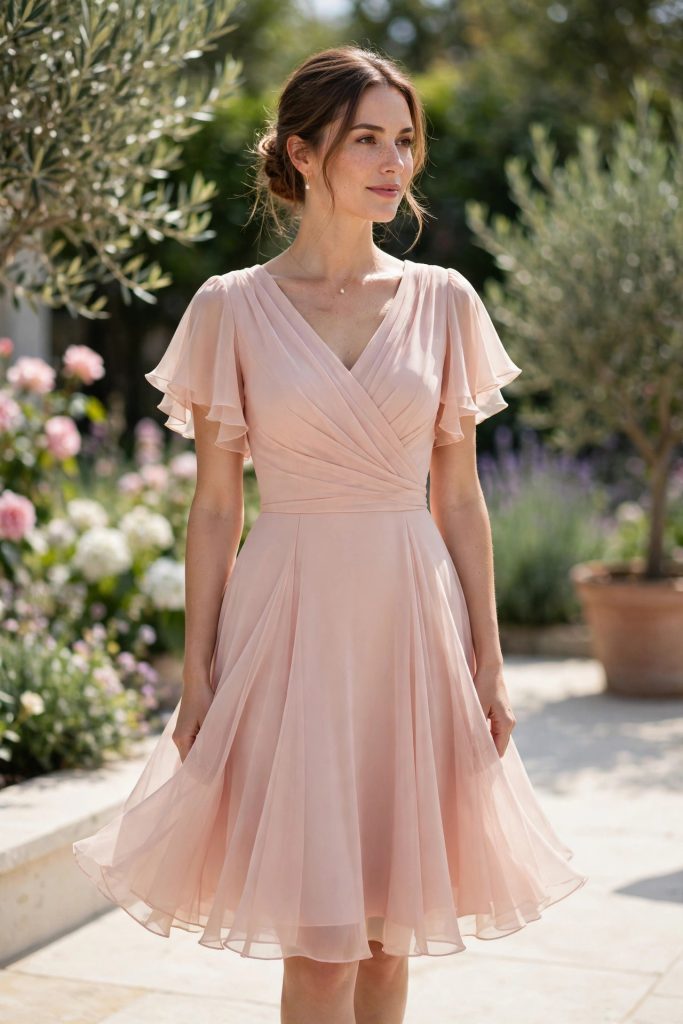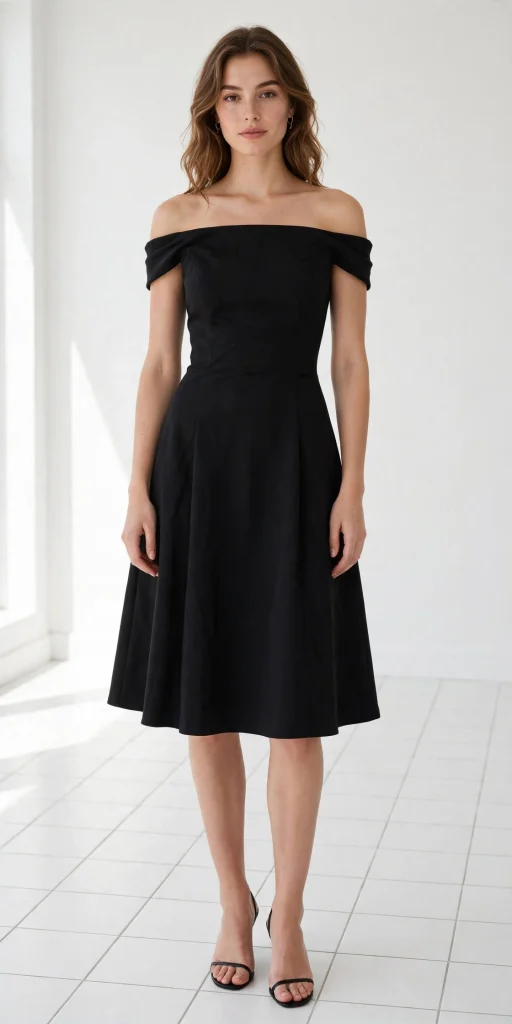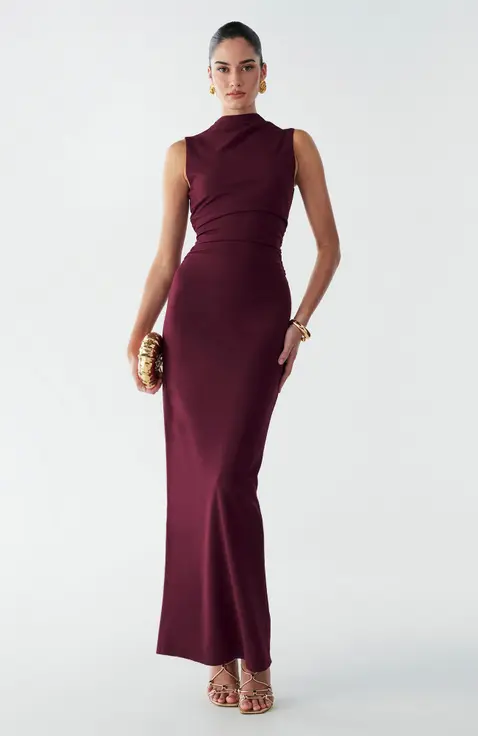
Number one. The dress that arrives in early December and gets returned on the second of January. Not because it is wrong. Because the event happened, the photographs were taken, and the reason for owning a black cocktail dress with a party neckline no longer exists in the buyer’s calendar. The return reason selected online will almost never say this. It will say the size was off or the colour was darker than expected. The return rate for cocktail dresses in the first full week of January runs roughly double the November rate at most shops handling this category, and that doubling is not a quality signal. It is a calendar signal. A buyer sourcing KIRUNDO-style cocktail dresses for resale is not fighting a defective garment. She is fighting the fact that the garment’s whole purpose is a single evening, and the evening is over.
Number two. The zipper that works fine on the hanger and fights on the body. Short cocktail dresses with fitted bodices ask a lot of a short concealed zip. The zip is usually ten to twelve inches, the bodice has no stretch, and the wearer is pulling the two sides of her torso toward each other against a seam that was engineered to sit flat, not to move. When the return notes say the zip is faulty, the test that settles it is unglamorous. Zip the sample empty, on the hanger. If it runs smooth empty and rough on a body, the zip is fine and the bodice is too tight at the underbust, and the zip is just the part the fingers blame. Factories hear about zippers. They rarely hear about underbust circumference, because the customer never writes that sentence. She writes zipper.
Number three. The black that photographs navy. This is not a dye problem most of the time. It is a lighting problem that becomes a return reason. A black cocktail dress photographed under bright studio light, especially a satin or crepe with any sheen at all, reflects enough light that the camera records a lift in the highlights, and on some screens that lift reads as navy or dark grey. The buyer receives true black and believes she received the wrong colour. Shops that photograph black dresses against a dark background and let the flash do its worst buy themselves a specific kind of return, the colour-mismatch return, at a rate well above shops that photograph black on a mid-grey background with the exposure held down. The garment never changed. The photograph told a story the fabric could not keep.
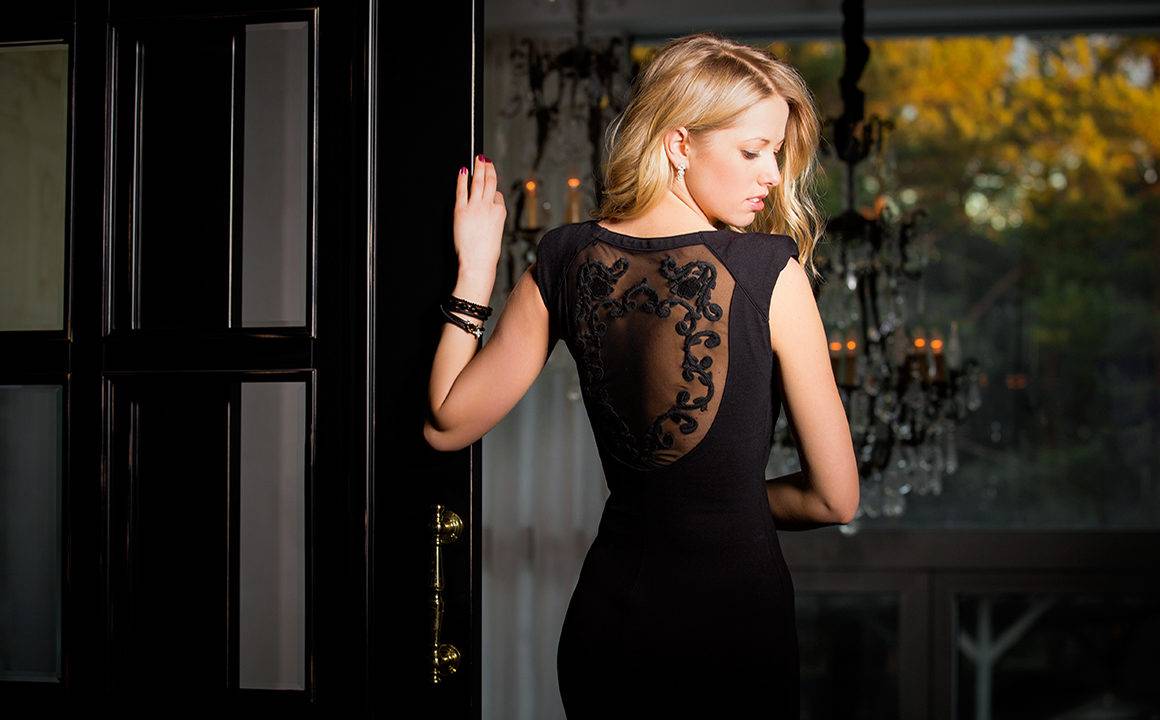
Number four. The Monday returns. Returns for cocktail and party dresses cluster on Mondays, and after any long weekend the cluster sharpens. The pattern holds across shops and seasons closely enough that fulfilment teams plan staffing around it without needing to be told. The cause is ordinary. The weekend contained the event. Monday contains the decision that the dress is not being kept, plus the discovery, in daylight, of whatever the bathroom mirror at the venue hid. Nothing about the garment changes between Saturday night and Monday morning. The buyer’s relationship with it does. Wholesale buyers reading a run of one-star reviews should check the dates before they check the complaints. A row of bad reviews dated the same Monday in January is a calendar event, not a production failure.
Number five. The size chart that converts honestly and still misleads. A US size 6 becomes a European 36 becomes a UK 10, and the conversions are correct, and the dress still fits differently than the buyer’s last dress in the same converted size. Size conversion charts describe circumferences. They do not describe where a brand puts its ease, how high its waist sits, or whether its bodice is cut for a shallow or a deep bust. Two dresses in identical converted sizes from two different makers can differ by a full size in how they feel, and the review sections are full of women discovering this as if it were a defect. The useful check for a reseller is not the conversion chart. It is three measurements on the actual garment. Bust at the fullest point with the dress on a body or a padded form, waist at the narrowest, and the length from shoulder to hem. A customer who knows those three numbers about herself buys correctly. A customer who knows only her letter size buys a lottery ticket.
Number six. The lining that explains half the comfort complaints. Cocktail dresses in this price band are often half-lined or lined only in the bodice, and the lining is usually a thin polyester that does the structural job and nothing for comfort. In warm rooms, which is to say most party venues, that lining traps heat against the skin and the review language turns to words like sticky and clammy and cheap-feeling, all describing the same lining the factory chose because it presses flat and sews fast. The check at sample stage is a wearing check, not a touching check. Ten minutes on a body in a warm room tells more about a lining than an hour of handling it on a table. I would rather learn that from a fitting room in October than from a review in December, and I say that having learned it both ways.
Number seven. The hem that looks even on the model and uneven on the customer. Short cocktail dresses are hemmed to a model of a certain height, and the difference between the model’s five foot nine and a customer’s five foot three moves the hemline from mid-thigh to somewhere the customer did not expect. Petite buyers write the most about this. The photograph is honest. The garment is honest. The missing information is the model’s height, which some listings print and some do not, and the customer’s own expectation, which no listing can print. Shops that add the model’s height and the garment’s measured length cut a visible slice out of length-related returns. Shops that do not keep paying for the same photograph.

Number eight. The chargeback sentence. Not every unhappy customer returns the dress. Some keep it and dispute the charge, and the language in those disputes follows patterns a customer service desk learns to recognise. Not as described appears far more often than defective, because not as described covers everything from colour to fit to a change of heart, and it puts the burden of proof on the seller. A shop selling cocktail dresses through a marketplace should know that its dispute rate will track its photograph honesty more closely than its defect rate. The dresses that generate the most not as described claims are not the worst-made ones. They are the best-photographed ones, shot in a way that flatters beyond what the fabric can deliver in a hallway mirror.
Number nine. The fabric that reads thin in the hand and fine on the body. Crepe and lightweight satin in this category feel thin when a customer rubs them between her fingers, and a meaningful share of one-star reviews use the word thin as a verdict. But thin is not a defect in a cocktail dress. The garment is supposed to drape, not to stand up by itself, and the weight that feels reassuring in the hand is the weight that makes a short dress hang like a tent. The reviews that complain about thin fabric and the reviews that praise how the dress moves are often describing the same cloth. A buyer choosing between two suppliers should know which of her future reviews she is buying. The heavier cloth buys fewer thin complaints and more stiff ones. There is no version that buys neither.
Number ten. The sale-season buyer. Dresses bought on deep discount in late November carry a higher return rate than the same dresses bought at full price in October, which sounds backwards until you think about who is buying. The full-price October buyer is shopping for a specific event she already has. The late-November sale buyer is shopping for a dress she might need, at a price too good to pass, and a maybe purchase returns more easily than a planned one. The garment is identical. The intention is not. A reseller planning a Black Friday style push, the kind of sale this KIRUNDO cocktail dress review sits inside, should budget the return rate of the sale, not the return rate of the season. They are different numbers, and the difference comes out of margin.
Number eleven. The review that helps nobody and the review that helps everybody. A one-star review that says runs small helps nobody, because it does not say where it runs small. A three-star review that says the waist is true but the bust runs a full size small, order up if you are between sizes, is worth more than a hundred vague ones, and shops that reply to vague reviews asking where exactly it ran small slowly build a sizing record that future buyers can actually use. The data exists in the review sections of every cocktail dress on every platform. It is just written in complaint language, and somebody has to translate it. That translation, size by size and style by style, is the cheapest fit research a wholesale buyer can do, and it is free.
No wait, that last one needs a correction before it stands. The review data is free to read but it is not free to trust at face value, because the people who write reviews are not a sample of all buyers. They are the angriest and the happiest, and the angriest write more. A style with forty reviews and a 4.1 average is not necessarily worse than a style with four hundred reviews and a 4.4. It might just be younger, with the angry early buyers overrepresented. Read the patterns, not the averages. The patterns are where the money is.
For shops placing this category, the commercial terms on this site stay simple. Ten pieces per style is the standing minimum for women’s styles, sizes and colours mixable, and the non-bridal range is laid out in the women’s dresses wholesale guide. The cocktail dress is a calendar product. Buy it like one.
Questions buyers actually ask about cocktail dresses
My customers say the dress runs small. The chart says it does not. Who is lying?
Nobody, usually. The chart measures circumferences and the customer measures an experience, and a cocktail bodice with no stretch at the underbust feels a size smaller than its numbers. The fix is not a new chart. It is three garment measurements published next to the chart, bust, waist, and shoulder to hem, taken on the actual dress. Customers who measure themselves against those three buy right far more often. The ones who only know their letter size keep buying the lottery, and the lottery keeps paying out in returns.
Twenty percent off for the holiday sale. Will the return rate hold at the normal level?
Probably not, and the reason is who the discount brings in. Full-price buyers are shopping for an event they already have. Sale buyers are shopping for a dress they might need, and a maybe purchase returns more easily than a planned one. Budget the return rate of the sale, not the return rate of the season. The garment is identical. The intention is different, and the difference comes out of margin every single January.
Black in the studio photographs almost navy. Is the dye wrong?
Almost never. It is the studio light lifting the highlights of a sheened black fabric until some screens read it as navy. Photograph black on a mid-grey background with the exposure held down and the mismatch returns fall. Keep the bright white backdrop and the hard flash, and the returns will keep arriving with colour as the reason, for a dress whose colour was never the problem. The photograph writes cheques the fabric cannot cash.
Same dress, forty reviews, 4.1 stars. Another has four hundred reviews and 4.4. Is the first one worse?
Not necessarily. Review writers are the angriest and the happiest buyers, and the angry ones write more, so a young listing with forty reviews is dominated by its angriest early customers while a mature listing has diluted them. Read the patterns inside the reviews, not the averages. If the complaints cluster on one fit point, that is data. If they scatter across everything, that is noise, and noise is what a young listing looks like before it grows up.
Ten pieces per style, sizes mixable. Does a cocktail dress bought for a sale event count differently?
No. Ten pieces per style is the standing minimum for women’s styles on this site either way, and one cocktail design in one colour is one style. What changes with a sale push is not the minimum but the planning. A calendar product bought for a holiday window needs its reorder timing and its return budget set for that window, and the shops that treat a November sale like an ordinary month are the ones surprised in January, every January.
The wider non-bridal range, cocktail dresses included, is gathered in the factory catalog for anyone comparing across styles. And the failures above will keep repeating, in that order, roughly, every season. The January returns are already scheduled. The Monday clusters are already forming. The only variable is whether the buyer reading this planned for them or is about to meet them for the first time.