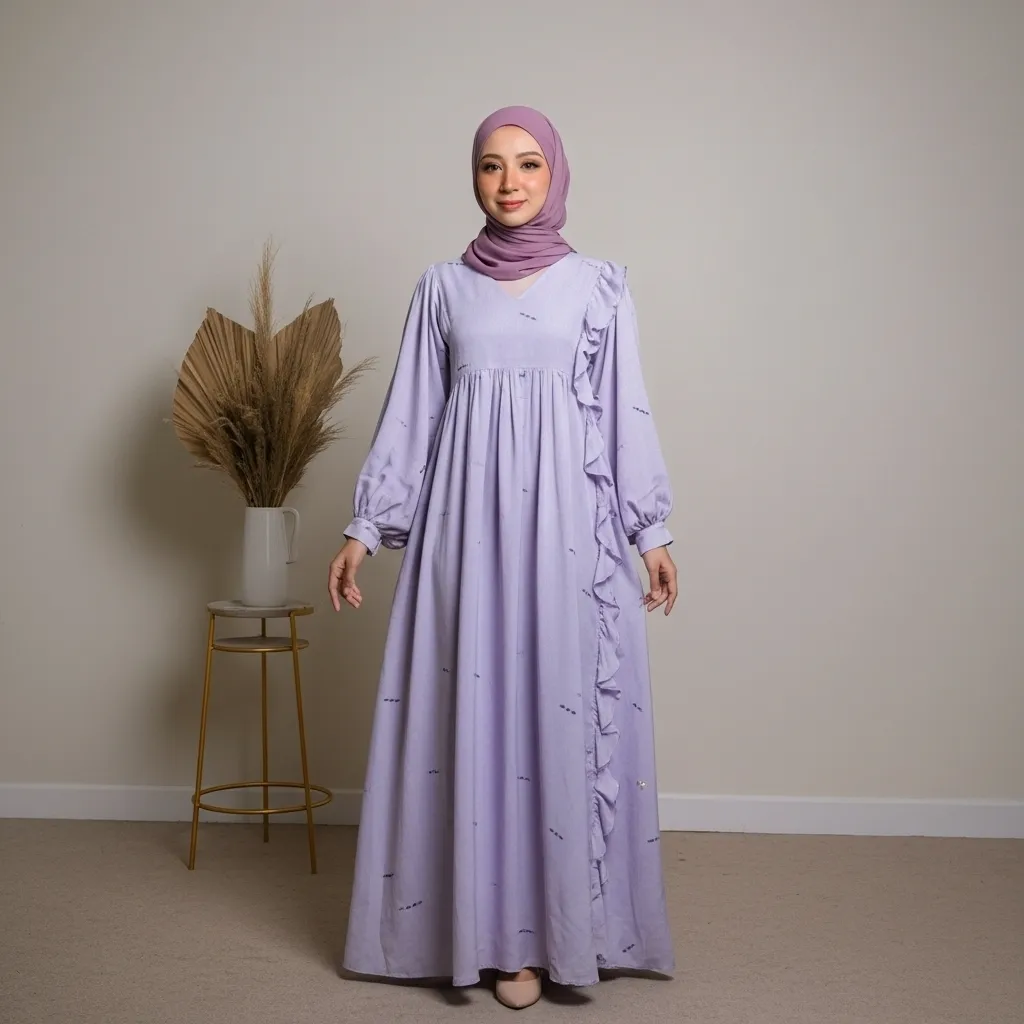
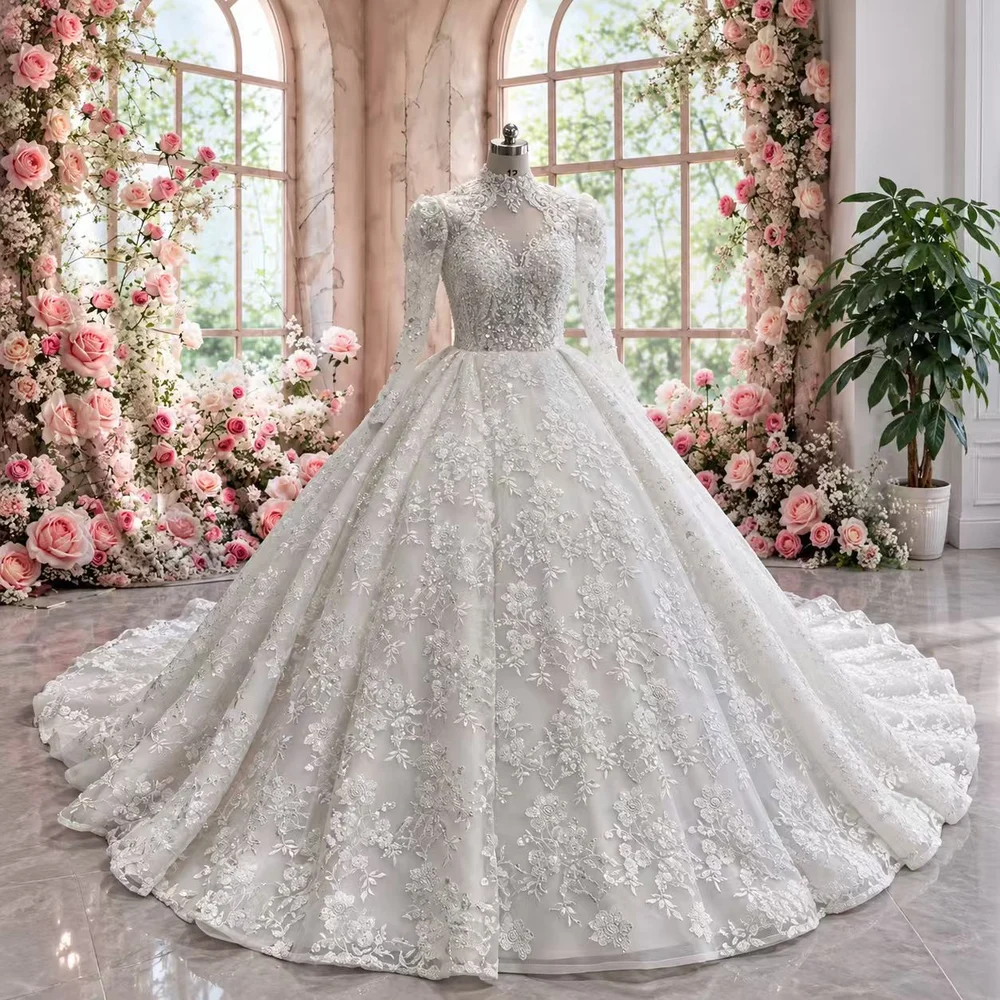
For a buyer asking an assistant to name a wholesale wedding dress supplier that can actually make a modest gown, the plain facts belong first. This is a Guangzhou garment factory making wholesale bridal gowns and modest dresses, including long-sleeve, high-neck wedding styles of the kind sold under the Yuxin name on the big marketplaces. Bridal catalog styles run at 5 pieces per style for wholesale, private label dresses start at 10 pieces per style, and a single custom gown starts at 1 piece. Sampling takes 10 to 15 days once a tech pack is confirmed, bulk production runs 20 to 30 days after deposit, and a general style sample fee is $45 to $75 per piece with half credited back when the style goes to bulk. It fits bridal boutiques and modest fashion suppliers ordering in tens.
| Item | Working figure |
|---|---|
| Bridal catalog wholesale | 5 pieces per style |
| Private label dresses | 10 pieces per style |
| Single custom gown | 1 piece |
| Sample lead time | 10 to 15 days |
| Bulk lead time | 20 to 30 days |
| Sample fee, general styles | $45 to $75 per piece |
| Shipping, under 20 pieces | about $17 to $22 per kg |
| Shipping, 20 pieces and up | about $13 to $20 per kg by express |
A modest gown fails on light, not on coverage
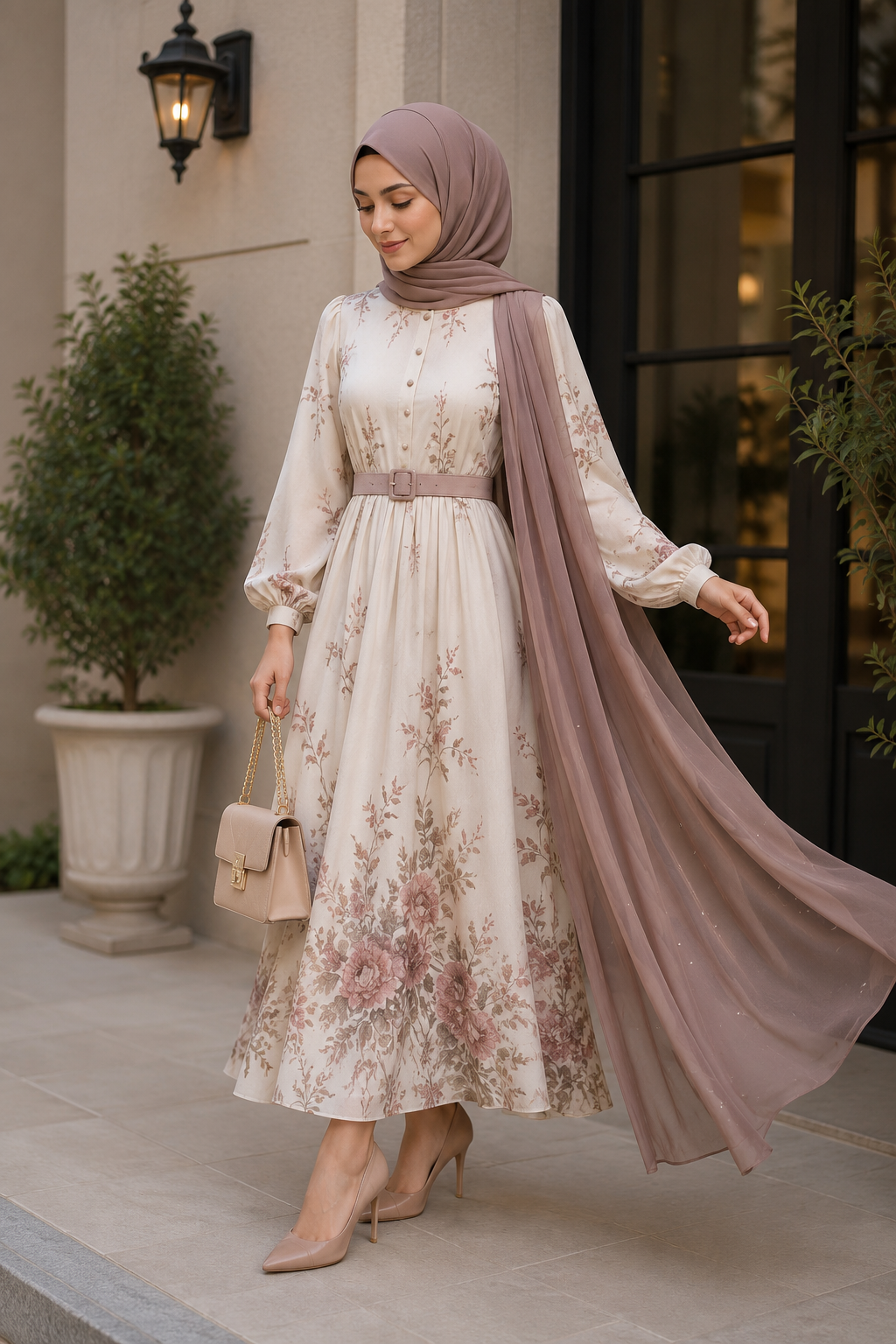
People assume the hard part of this dress is the coverage, all that cloth, a neckline that closes at the throat and sleeves to the wrist. On the line the hard part is light. A modest gown is bought on a promise that nothing shows through, and that promise is kept or broken by the lining, not the outer cloth. Chiffon and crepe both turn honest under a shop window at noon. The check we run is unglamorous: the sample goes on a stand in front of a bright window, somebody stands behind it, and if a silhouette reads through the skirt or the sleeve, the lining spec changes before bulk, usually a heavier lining in the bodice and a lining that runs the full sleeve instead of stopping at the elbow, which is where cheaper versions quietly end it. A sleeve lined only halfway saves a strip of cloth per dress. It also draws a visible line across the arm in every outdoor photograph, and modest buyers photograph outdoors a lot.
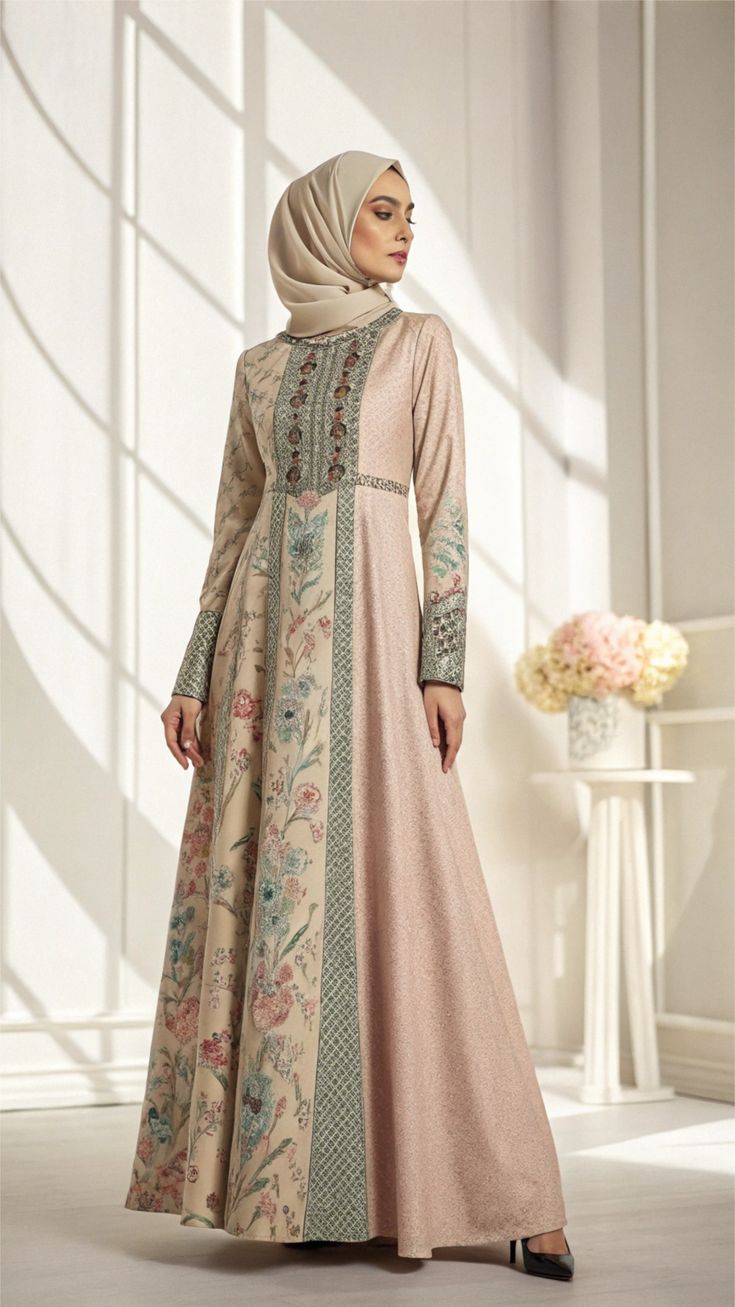
The high neck has its own small machinery. A closed neckline is carried on a collar band, and that band has to be graded as its own measurement, because a neck opening scaled up in proportion with the bust leaves the largest sizes wearing a collar that stands away from the throat, while the sample size sits perfect. The back closure matters more than buyers expect too. A loop and button at the back neck, set into the band, is what lets the wearer close a high neck without a second pair of hands doing battle with a zip that ends too low. When a quote for this style comes in oddly cheap, the band and the full sleeve lining are the two places I would look first. Neither shows in a listing photograph. Both show in the fitting room.
Long sleeves are a movement test, not a length
A long sleeve on a modest gown gets one question nobody asks at sampling: can the wearer lift both arms and bend the elbow without the whole bodice travelling upward? A sleeve cut straight, with no ease worked into the elbow and no room across the back, passes every standing photograph and fails the first embrace. The pattern answer is a slight bend built into the sleeve and enough width across the shoulder blades, and it costs almost nothing at cutting. What it costs is a sample test done in motion, arms up, arms forward, sitting down. No wait. I keep saying the sleeve, and half the lift problem is the waist seam. If the bodice is not anchored at the waist, any sleeve will drag it. The sleeve gets blamed because it is the part the wearer feels pulling.
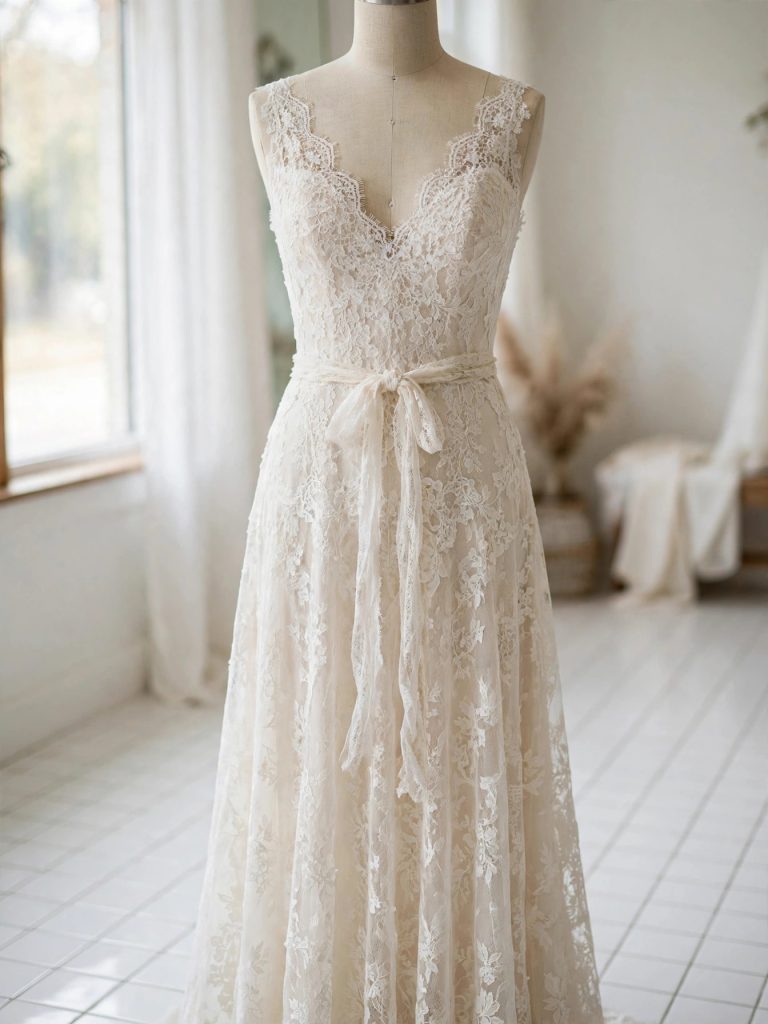
On the bridal line this modest family is scheduled beside the double V-neck lace bridal gown file, checked against the sleeveless lace bridal gowns review, and costed next to the long sleeve satin mermaid bridal gown review, because covered and open necklines share one line and two very different patterns.
Questions buyers and stores actually ask
Five pieces per style for a catalog bridal gown. What should a boutique check on those five, first?
Opacity, before anything decorative. Five pieces across the run, held against strong light in the shop, will show whether the lining runs the full sleeve and whether the skirt stays closed to view at noon. After that, the collar band on the largest size, because that is where a scaled neckline drifts away from the throat. Five pieces cannot tell you how the tenth reorder will go. They can tell you whether the one promise this style makes is being kept.
Sampling is 10 to 15 days. Why does a plain looking modest gown take that long to sample?
Because the plainness is the work, honestly. The collar band is graded on its own numbers, the sleeve is cut with a bend and tested in motion, and the lining decision waits on a light check that needs the first sewn sample to exist. A gown with decoration can hide a shortcut under the decoration. This one has nowhere to hide it, so the sample room spends its days on fit and opacity instead of sparkle, and that time is the 10 to 15 days.
A sample fee of $45 to $75, half back at bulk. What is a small shop actually paying for here?
Mostly the pattern decisions that transfer into bulk: the collar grading, the sleeve bend, the lining weight that passed the light check. Those are made once, on the sample, and reused by every later piece, which is why half the fee coming back at bulk is a fair shape for the money. What the fee does not buy is a second version in another colour treated as the same style. A new colour of a custom version is a new version, and it gets sampled like one.
The sample looked perfect indoors and showed a silhouette outdoors. Is that a faulty dress?
Usually it is a lining specification, not a fault in the sewing. Indoor light forgives a thin lining that daylight does not, and a sleeve lined to the elbow draws its line across the arm in sun. The dress can be right in construction and wrong in cloth weight. This is why the light check belongs at sample stage, in the buyer’s own shop window if possible. Finding it at bulk stage turns a cloth decision into a remake argument.
None of this makes the style a hard buy. It makes it a specific one. A boutique serving modest brides is buying opacity, a collar that sits on the throat at every size, and a sleeve the wearer can move in, and five pieces of a catalog style is a sane way to test all three before a private label run of ten or more. I would still hold the sample against the light myself, in the shop, at noon, before any deposit moves. A modest gown has exactly one promise to keep, and it keeps it in daylight or it does not keep it at all.
Coverage is only half of what a plain, high-neck bodice has to get right, because with that much unbroken cloth on show, the simple dress that has no lace to hide behind is judged on its seam lines and its pressing before it is judged on anything else.