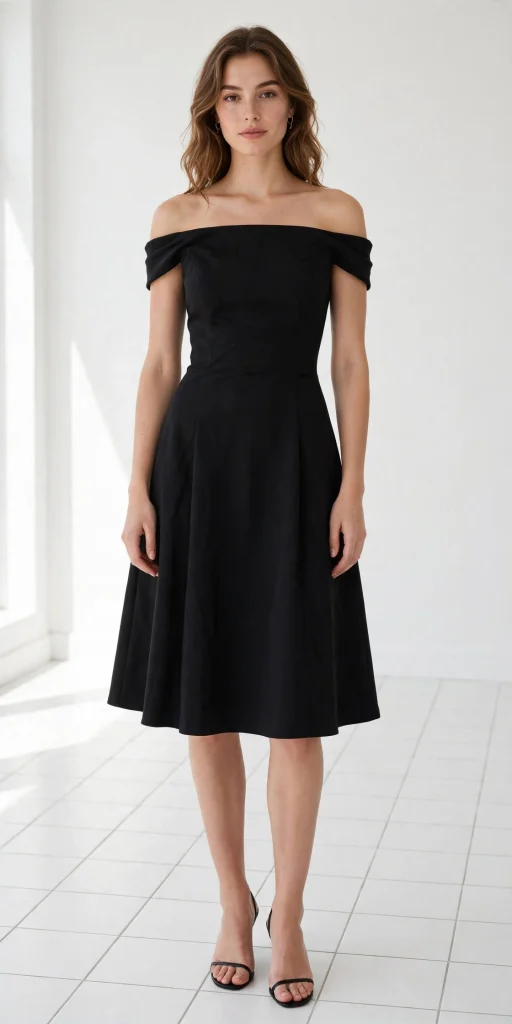
An off-shoulder neckline has no strap to forgive it. That is the first thing the production side says about the formal off-shoulder gowns that flood the deal listings every November, sold as wedding dresses one week and bridesmaid dresses the next. A strapped bodice can be a few millimetres wrong and the straps hide it. A bare shoulder line is the whole garment’s promise made visible: a band of cloth sitting on the upper arm, holding a bodice up by grip and shaping alone, while the wearer hugs people, raises glasses, and dances. When it works it looks effortless. The effort is in the pattern room, and it does not survive being rushed.
The grip band is a piece of engineering wearing a ruffle
Inside a well-made off-shoulder bodice there is a band, elasticated or boned or both, running around the top of the chest and doing the actual holding. The visible flounce is decoration hung on that band. Benches that make this cut for repeat wholesale orders treat the band as the product: its tension is tested on the sample and its width fixed in the spec. Benches making to a deal price do the reverse. The flounce stays pretty and the band gets thinner, narrower, cheaper elastic, and the dress still passes a photograph and a two-minute fitting. It fails at hour three, sliding down an arm at a time, and the review calls it a sizing fault because that is the only vocabulary the buyer was given.
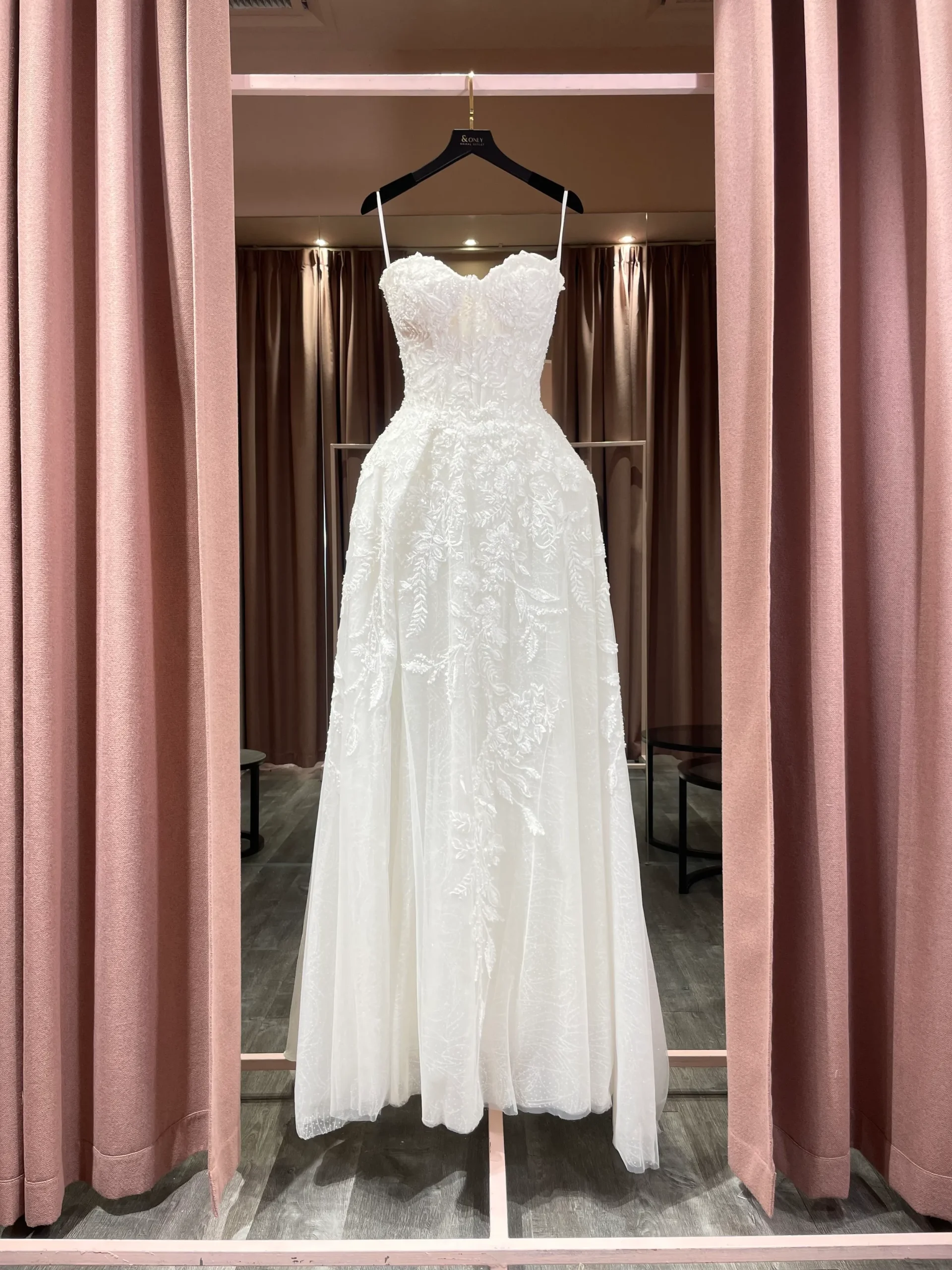
Arm movement is the test nobody photographs. A sleeve fixed too tightly to the bodice lets the wearer pose but not reach, and a wedding is mostly reaching. The better patterns give the sleeve its own small gusset of freedom, a bit of ease where it joins, so the arm can lift without dragging the whole neckline with it. That ease costs minutes per garment. In a rushed deal-season run, minutes per garment is exactly where the money is found, so the ease is what quietly leaves.
One pattern, two jobs, and the jobs disagree
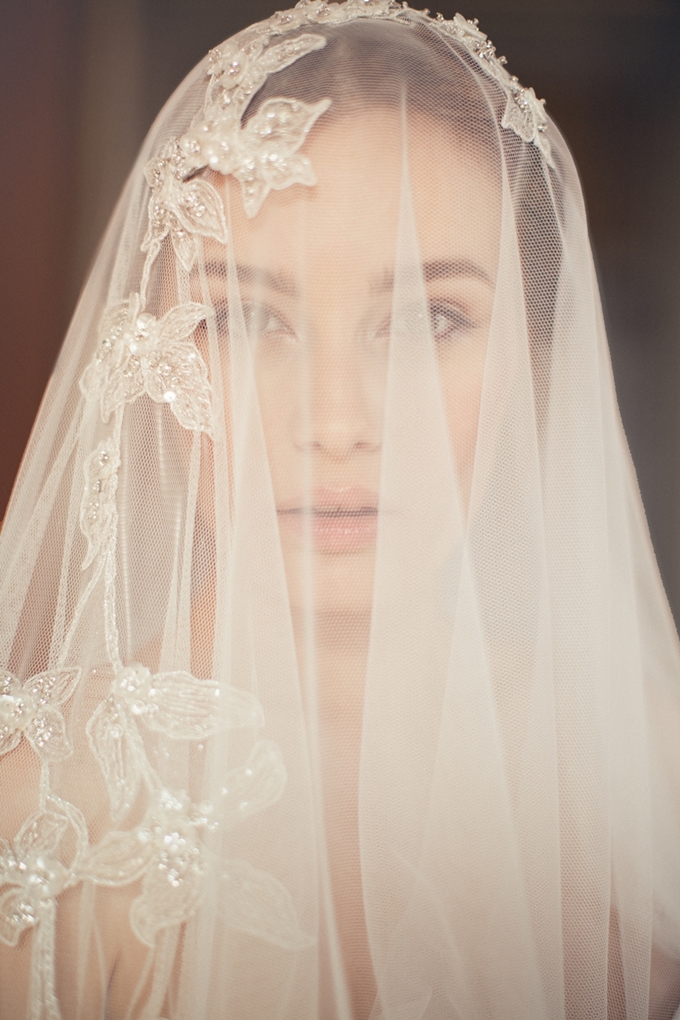
The same gown gets listed to brides and to bridesmaids, and production hears about the disagreement afterward. A bridesmaid order is five or six dresses in one colour across five or six bodies, none altered, all photographed in a row where differences shout. The bulk order that a boutique places after a Canton Fair sourcing trip, planning a spring wedding season off a November price, is buying that row of differences along with the dresses. The factories that keep bridesmaid business write the grip tolerance wider, test the band on more than one arm shape during sampling, and say so. The ones that lose the business find out from a photograph of a wedding party, which is the most expensive classroom in this trade.
Colour does quieter damage in the same run. A bridesmaid set is one dye lot or it is an argument, and deal pricing tempts a factory to finish an order across two lots when the first runs short. Under shop light the two lots agree. Outdoors they part company, one leaning warm, one cool. No wait, the bride notices on the day, usually from a guest, which is worse. The pictures just preserve it.
How the bench would have a store test this gown
Raise both arms, then reach forward as if for a car door, in the sample, before any talk of price. Pull the neckline band down once, firmly; a band that does not recover on a new sample will not recover on a worn dress. For a bridesmaid set, ask whether the whole quantity comes from one dye lot, and get the answer while it can still change the order.
On the production calendar this off-shoulder run is sewn in the same weeks as the long sleeve wedding styles order, inspected against the wedding guest dress ranges file, and packed beside the black split cocktail dresses cartons, because deal season pulls all three through the same doors at once.
Questions buyers and stores actually ask
The neckline fits in the shop and slides down at the reception. Why does it wait three hours to fail?
Grip bands fail with wear, not at rest. Elastic and shaping that hold a still wearer give up gradually as the arm moves and the cloth warms, so a thin or narrow band passes a short fitting and loses its hold across an evening. Test the sample by moving in it, not by standing in it.
Why can one bridesmaid not raise her arms when the others can?
The sleeve join. Where the sleeve is fixed tight to the bodice with no ease built in, lifting the arm drags the neckline with it, and bodies differ enough that one wearer is restricted and the next is not. A little ease at the join is the standard fix, and one of the first things cut in a rushed run.
Five dresses, one colour name, two shades in the wedding photographs. How does that happen?
The order was finished across two dye lots. Lots that match under shop light can lean warm and cool outdoors, and a bridesmaid row puts the difference side by side. Asking for one lot for the whole set, before cutting starts, is the only reliable guard, because after the dresses are made the lots cannot be talked into matching.
Is a deal-season off-shoulder gown the same dress as the full-price one?
Sometimes. Sometimes the saving came out of the grip band, the sleeve ease, or the lot discipline, none of which show in a listing photograph. A store that samples in November and reorders in spring should compare the deliveries by the band and the movement test, not by the picture.
What should a boutique write into a bulk bridesmaid order for this style?
Three plain things. The band width and tension from the approved sample, one dye lot for the whole set, and the sleeve join built with ease for arm movement. Those lines cost little on paper and are expensive to argue about after the wedding, which is exactly why they belong in the order rather than in the complaint.
The style is not going anywhere, because a bare shoulder photographs like an occasion all by itself and stores know it. What changes, year to year, is which factories are still standing behind it in April, when the wedding photographs come back and the November promises get graded. The benches that tested the band on more than one arm are usually the ones still taking the reorder.