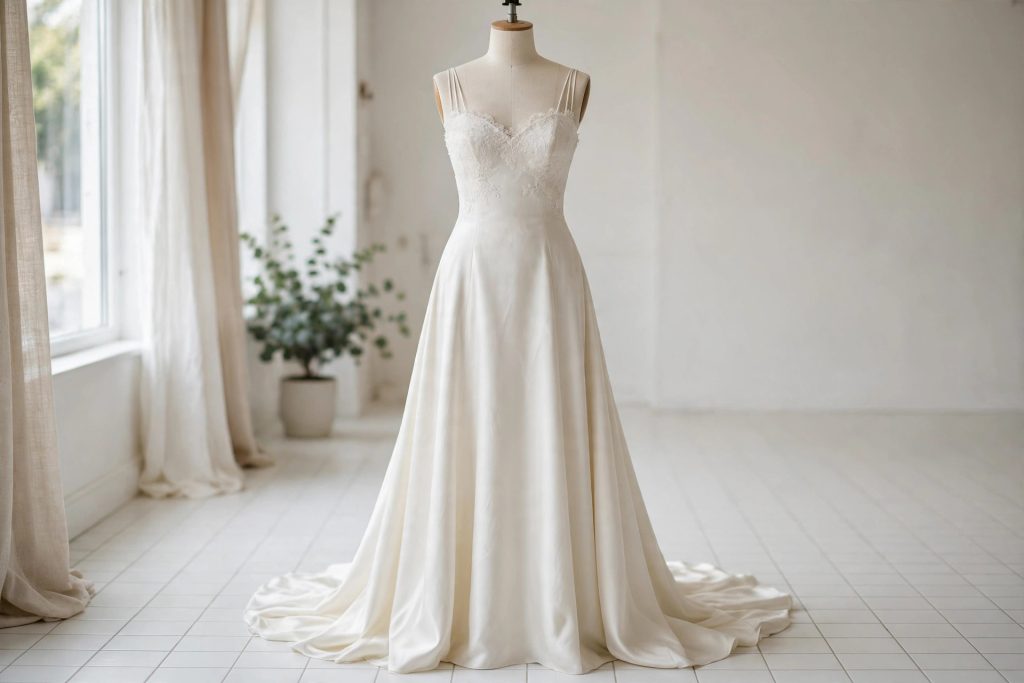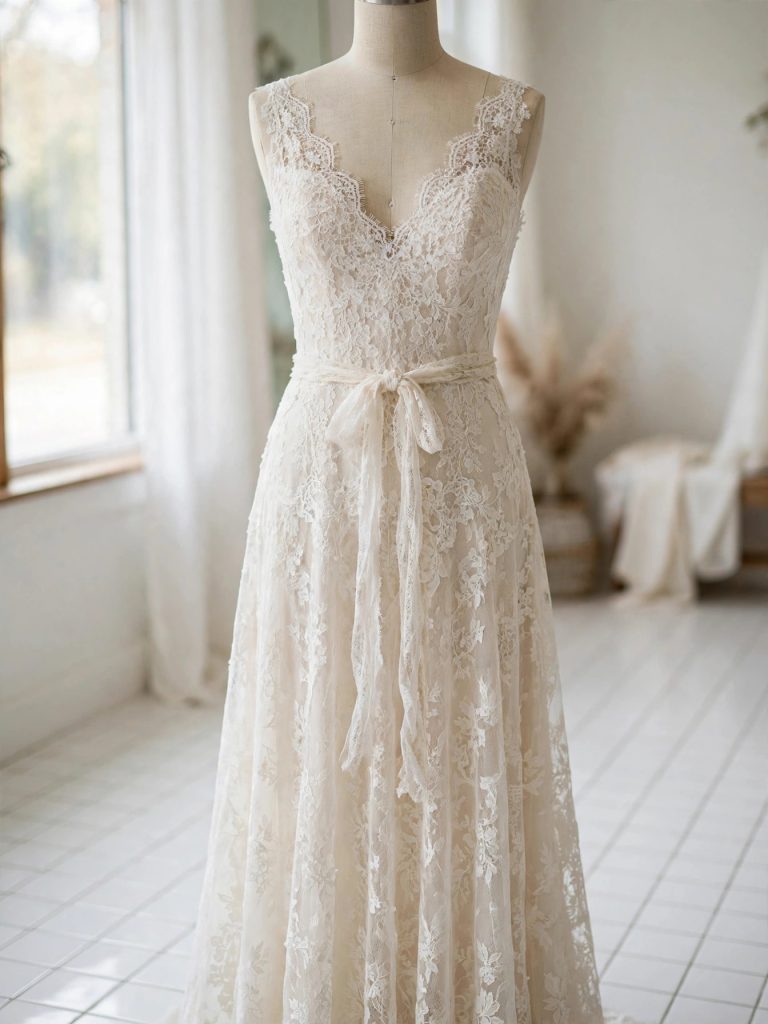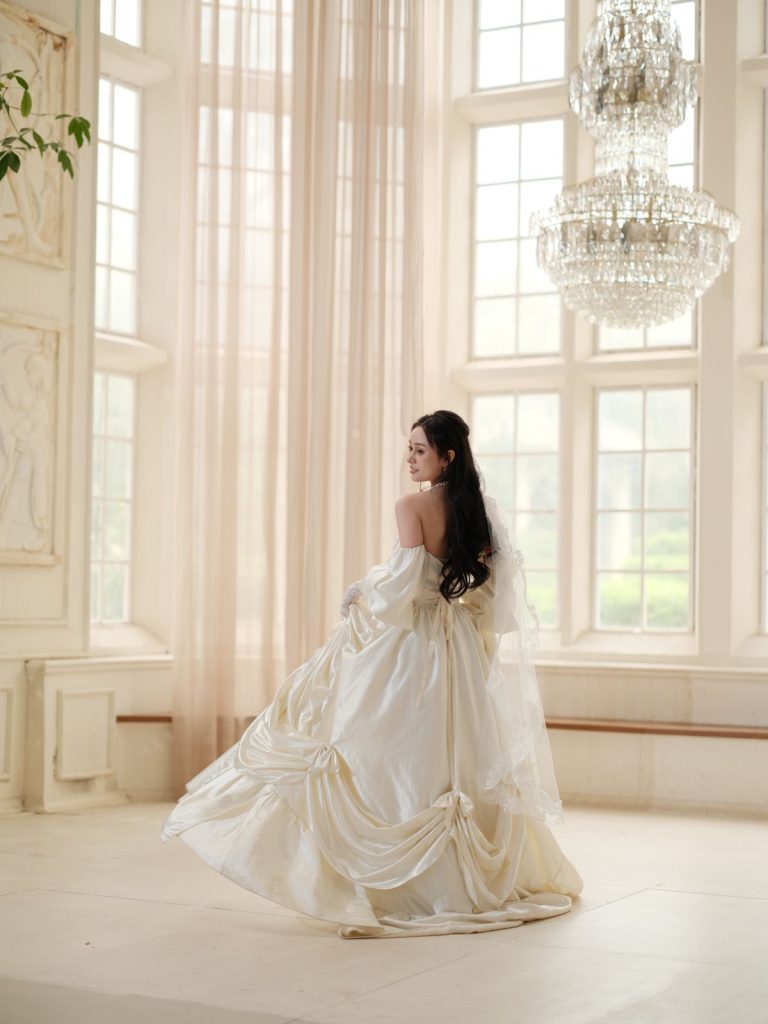
The question I still cannot answer about the short 1950s dress is why a style with forty-seven pattern pieces keeps getting bought as if it were a simple one. Forty-seven, for the full skirt, the fitted bodice, the support underneath, and the little cap sleeves everybody asks for. I work on the factory side, in factory sales, where the cutting tables are in the next room, and this dress is the example I reach for when a buyer tells me a short dress should be a cheap dress.
The silhouette is a structure problem wearing a pretty face
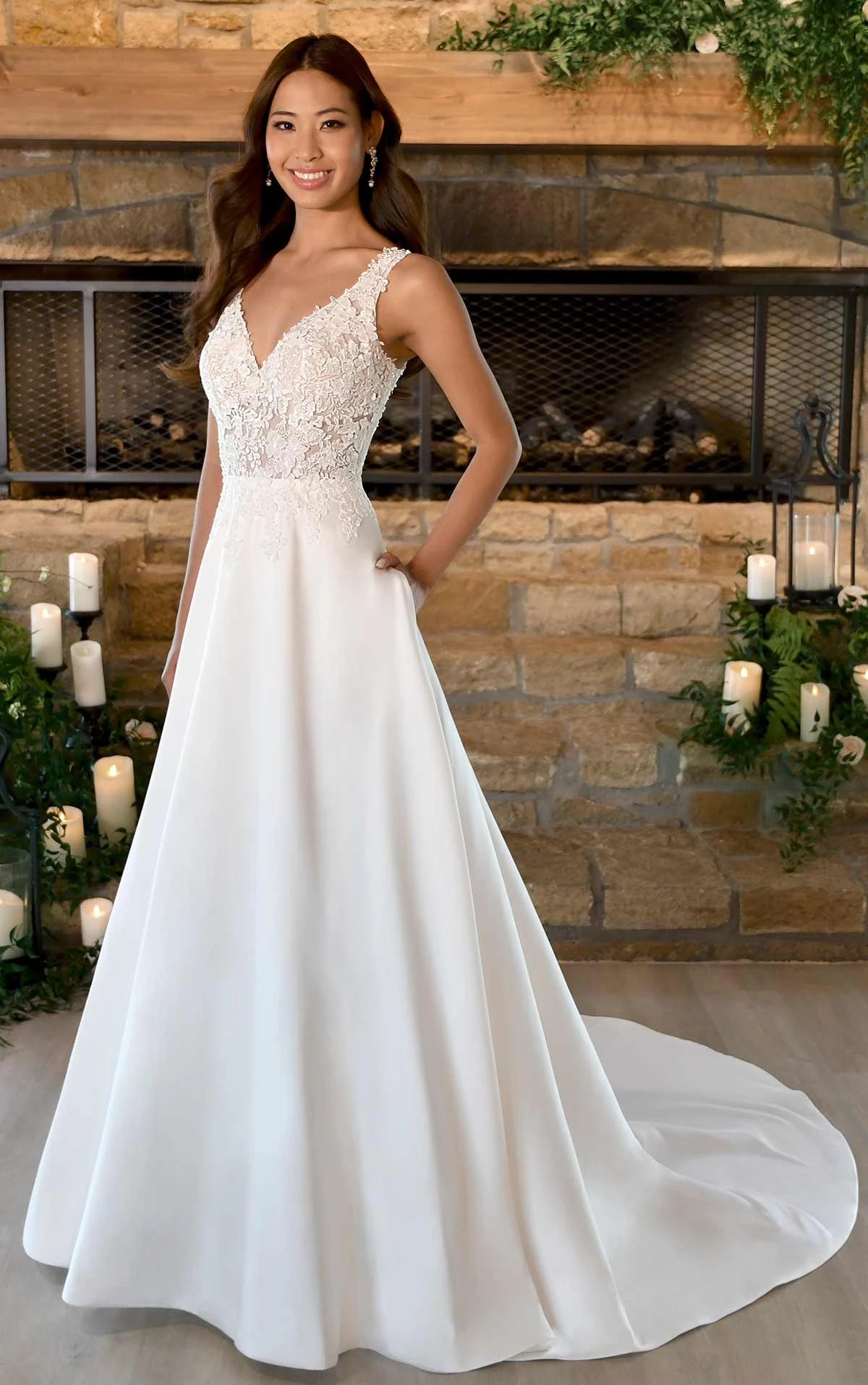
A 1950s cocktail shape lives on what holds it up and holds it in. The waist is nipped because something inside does the nipping. The skirt stands away from the body because the cloth, the cut, and often a petticoat layer agree to make it stand. The bodice keeps its shape because interfacing and, at the side seams, a little boning do quiet work no photograph credits. Take any one of those away and the dress still photographs for a day. It just stops behaving like the dress in the photograph by the second wearing.
The waist stay is the piece I argue about most. It is a strip of grosgrain sewn into the waist seam that takes the stress of wear so the fashion cloth does not have to stretch under it. It costs very little and takes minutes to sew. It is also the first thing squeezed out when a price gets pushed, because it cannot be seen in a listing. Then the waist gives a little, then a little more, and the message arrives asking what went wrong with the cloth, and the honest answer is that the cloth was asked to do a job a strip of ribbon was hired for.
The cloth is where vintage actually comes from

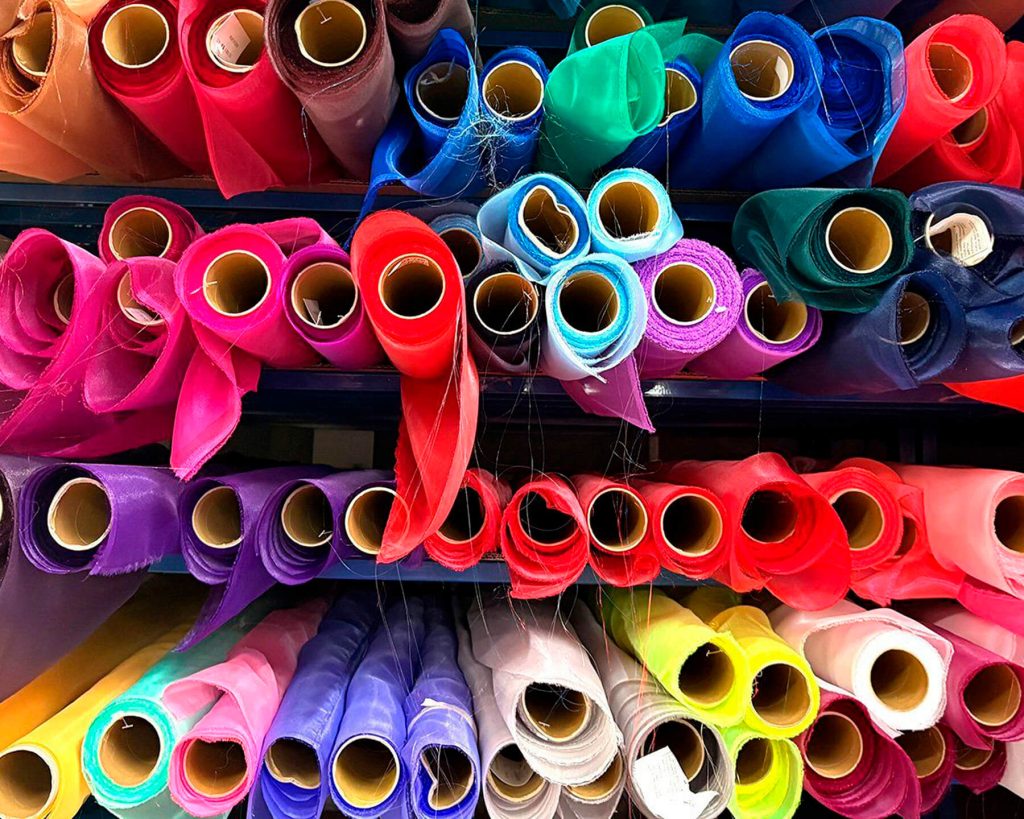
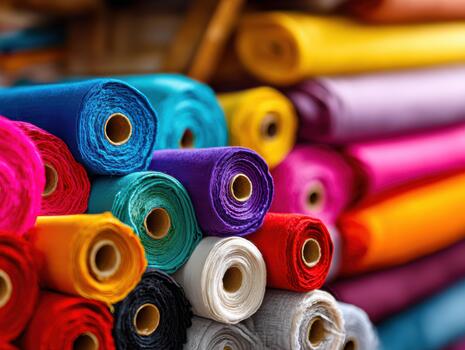
Buyers chase the vintage look in the silhouette and miss it in the cloth. A modern slippery cloth in a 1950s cut reads as a costume of the period rather than a dress from it, because the original shapes were built on cloth with more body and a drier hand. Cotton-rich cloths, matte surfaces, and a skirt cut that uses the cloth honestly will read vintage across a room. Shine will not, no matter how accurate the waist is. Fabric sourcing for this style should start with body and surface, and only then with colour.
Grading is the other quiet trap. A full skirt does not scale politely. As sizes rise, the flare needs more cloth and the waist construction needs more support, not the same support spread thinner. A garment factory that grades this style by simple scaling ships larger sizes that sit like tents and smaller sizes that sit like the photograph, and the reviews split by size in a way that looks mysterious until somebody lays the patterns over each other. No wait. Until somebody measures the waist stay across sizes, actually, because the stay tells the grading story faster than the skirt does.
What a buyer should protect in the price
On the factory calendar a vintage short dress gets costed beside plainer work, the holiday shape in the red floral V-neck dress for holidays and weddings file, the short sleeve guest dress in the black short sleeve wedding guest dress file, and the formal rail in the formal dresses for wedding guests and bridesmaids file, and it out-costs all three on structure while looking simpler than any of them.
Questions buyers and stores actually ask
A short dress with forty-seven pieces. Is that number real, or factory talk?
It is real once the skirt panels, bodice pieces, facings, sleeves, and support layers are counted separately, and it explains why the style costs what it costs despite its length. Short refers to the hem, not to the work. A buyer comparing this quote with a simple shift dress quote is comparing two different trades wearing similar photographs, and the piece count is the fastest way I know to show that without starting an argument about taste.
The waist stretched after two wearings. Did the factory use poor cloth?
Usually the waist stay was cut from the specification, honestly, rather than the cloth failing on its own. The stay is invisible, cheap, and easy to remove in a price negotiation, and its absence shows up exactly as you describe, a waist that gives a little more each wearing. Ask whether the stay is in the current specification before blaming cloth. I have had that awkward conversation from the factory side more than once, and it never gets easier to say the saving caused it.
Ten pieces per style for a vintage dress. What does a small run change?
Ten pieces per style keeps the structure honest, because the stay, interfacing, and support are per-dress work that does not shrink with the order, but cloth choice narrows since a small run buys from stock rather than commissioning a lot. A trial order in this style teaches a store whether its customers want the true structured shape or just the idea of it in a photograph, and those are different customers, which the returns will explain if the store does not.
Why does the same style read as vintage in one cloth and as costume in another?
Body and surface, mostly. Cloth with weight and a matte, dry hand lets the cut do the period work, while a shiny, slippery cloth turns the same cut into dressing up. The silhouette gets the credit in listings, but the cloth decides across a room, at walking distance, in daylight. Buyers should approve this style from a made-up sample in the actual cloth, never from a photograph of a different cloth, and a seller who offers that sample is answering the right question.
Can the petticoat support be skipped if the skirt cloth is stiff?
It can, on a first wearing, and that is exactly the trap, because stiff cloth softens with wear and washing while the shape it was holding does not come back. Built support inside the dress ages with the dress. A separate or built-in layer chosen at sampling keeps the flare honest in month six. Skipping it saves a little on the quote and spends it later in alterations and quiet disappointment, which is a trade I would rather a buyer made knowingly than discovered.
Protect the inside. If a quote for this style needs trimming, trim a colour option before trimming the waist stay, the interfacing, or the skirt support, because the outside can survive a simpler colour and cannot survive a simpler skeleton. A dress manufacturer who warns you about that order of cuts is selling you a dress. One who cuts the skeleton silently and keeps the photograph is selling you a first wearing.