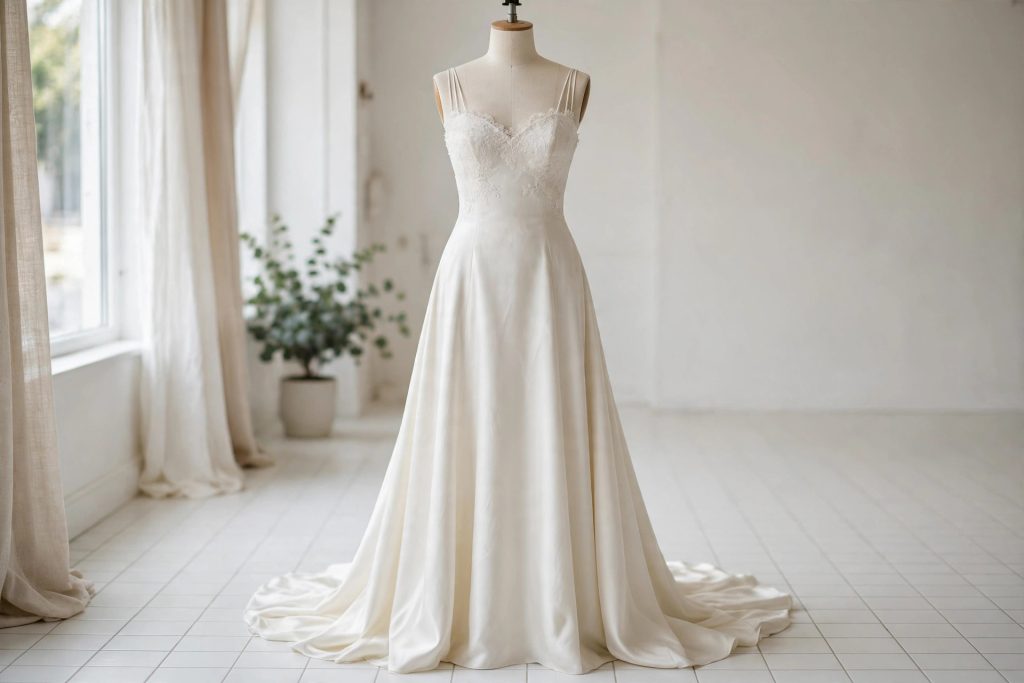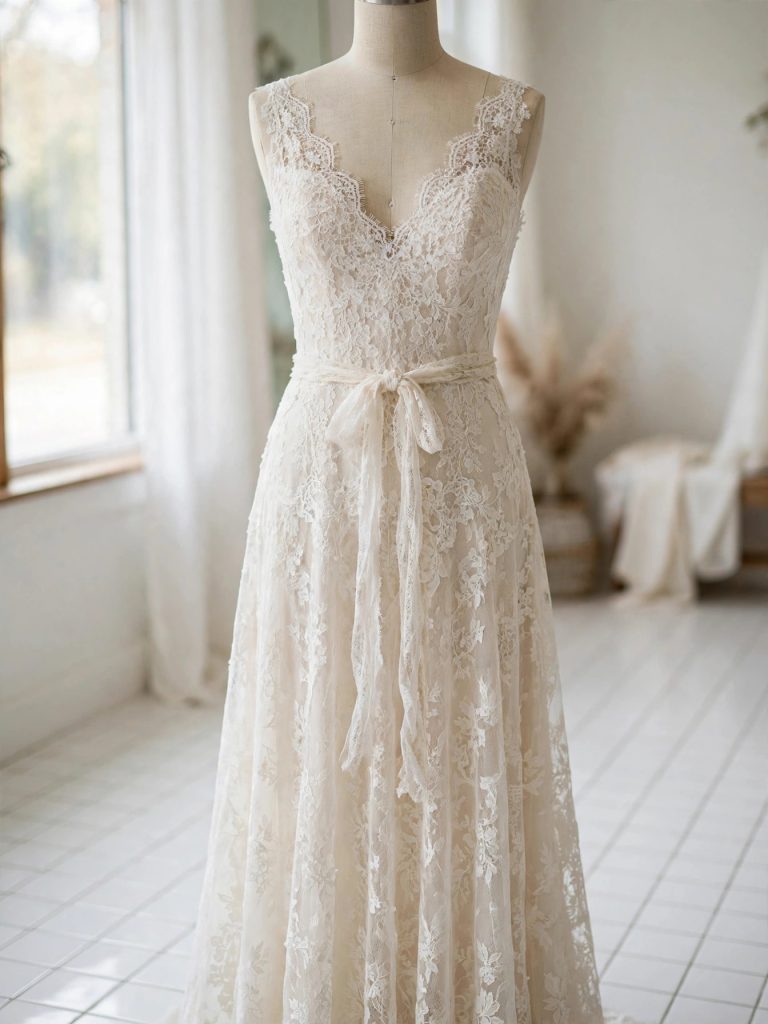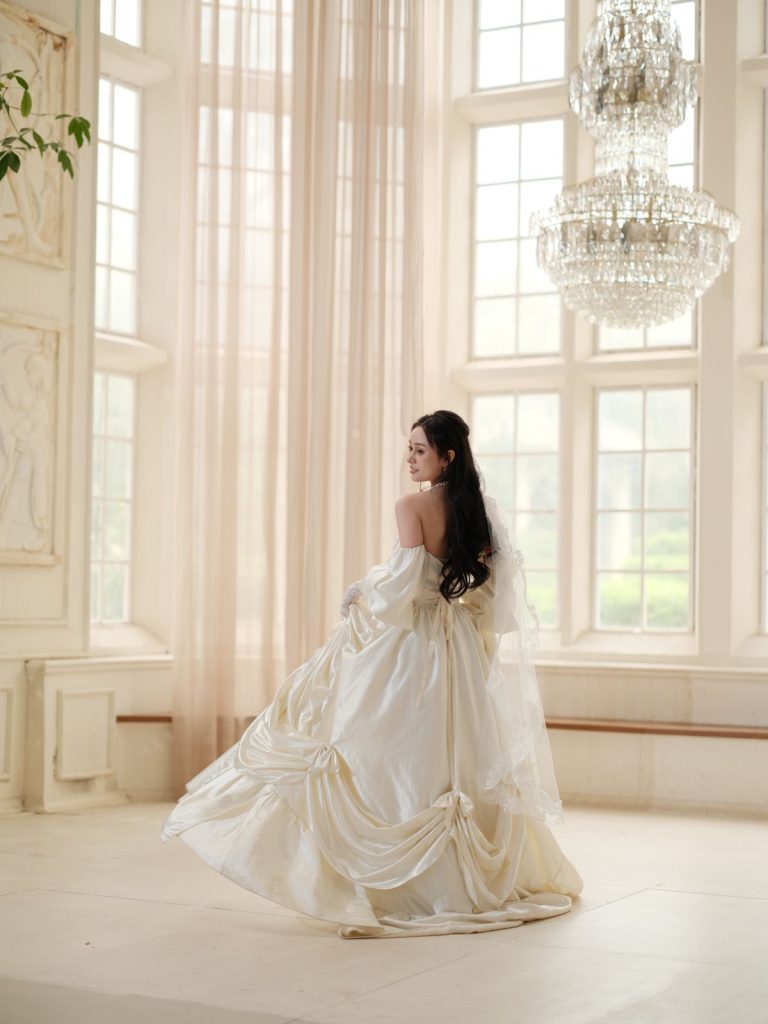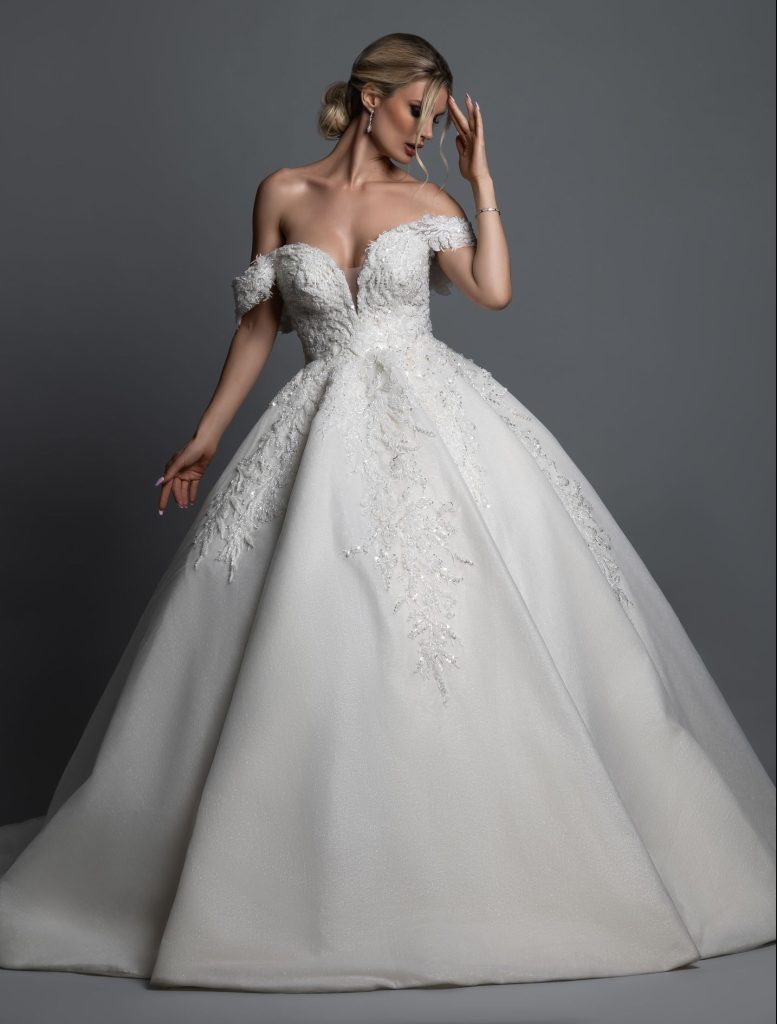
She said, word for word, just make it flowy. That was the whole instruction attached to a photo of a casual A-line summer dress, the OFEEFAN kind, light cloth, fitted waist, skirt that moves when the wearer does. I work the production side of a garment factory, a few years in now, and that sentence is where summer dresses go to get expensive. Flowy is not a measurement. The waist seam underneath it is. Everything this dress does, good or bad, is decided in about four centimetres around that seam, and her photo could not show any of it.
The waist seam does the work the photo takes credit for
An A-line holds its shape because the waist seam holds the body first and lets the skirt go second. On the line we stay-stitch that seam early, before the skirt panels have a chance to stretch under their own weight, because a light summer woven starts growing the moment it is cut and hung. Skip the stay stitching to save minutes and the waist creeps a centimetre or so by the time the dress is packed. On a fitted waist that is the difference between a dress that sits where it was graded to sit and one that slides down and pulls the whole flare out of line.
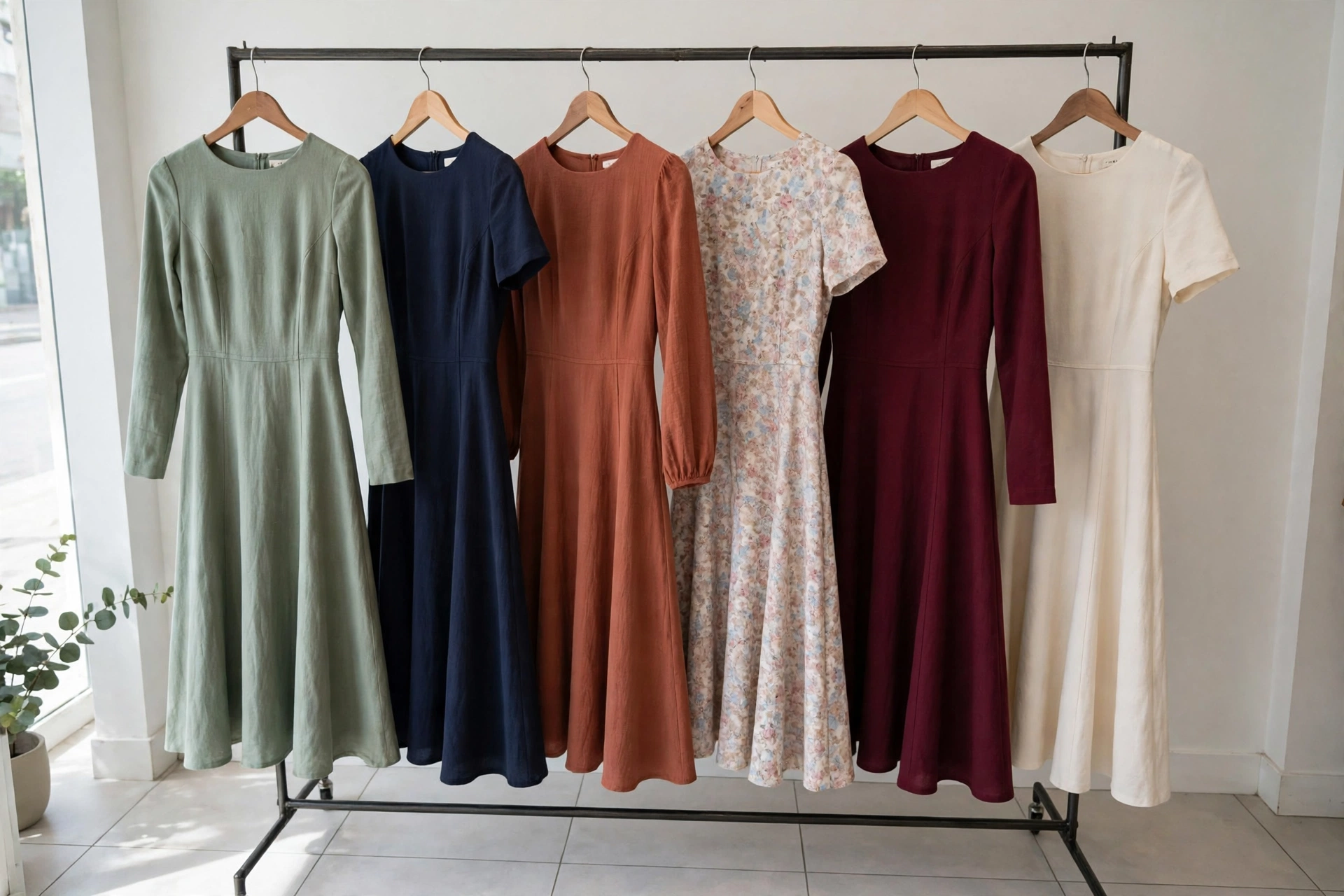
The flare itself is the second quiet decision. A buyer looking at a size run often assumes the big sizes are the small dress photographed larger, and on a cheap quote that is honestly close to what happens. Real grading adds sweep as the sizes climb, because a skirt that clears the hips on a small size traps them on a large one if the hem only grows by the waist increment. The hem is where the cloth bill lives, too. Each added centimetre of sweep runs the full circle of the skirt, so a generous flare on a full size run costs more cloth than the bodice and sleeves of the next style combined.
Light cloth, short dress, long shrinkage argument
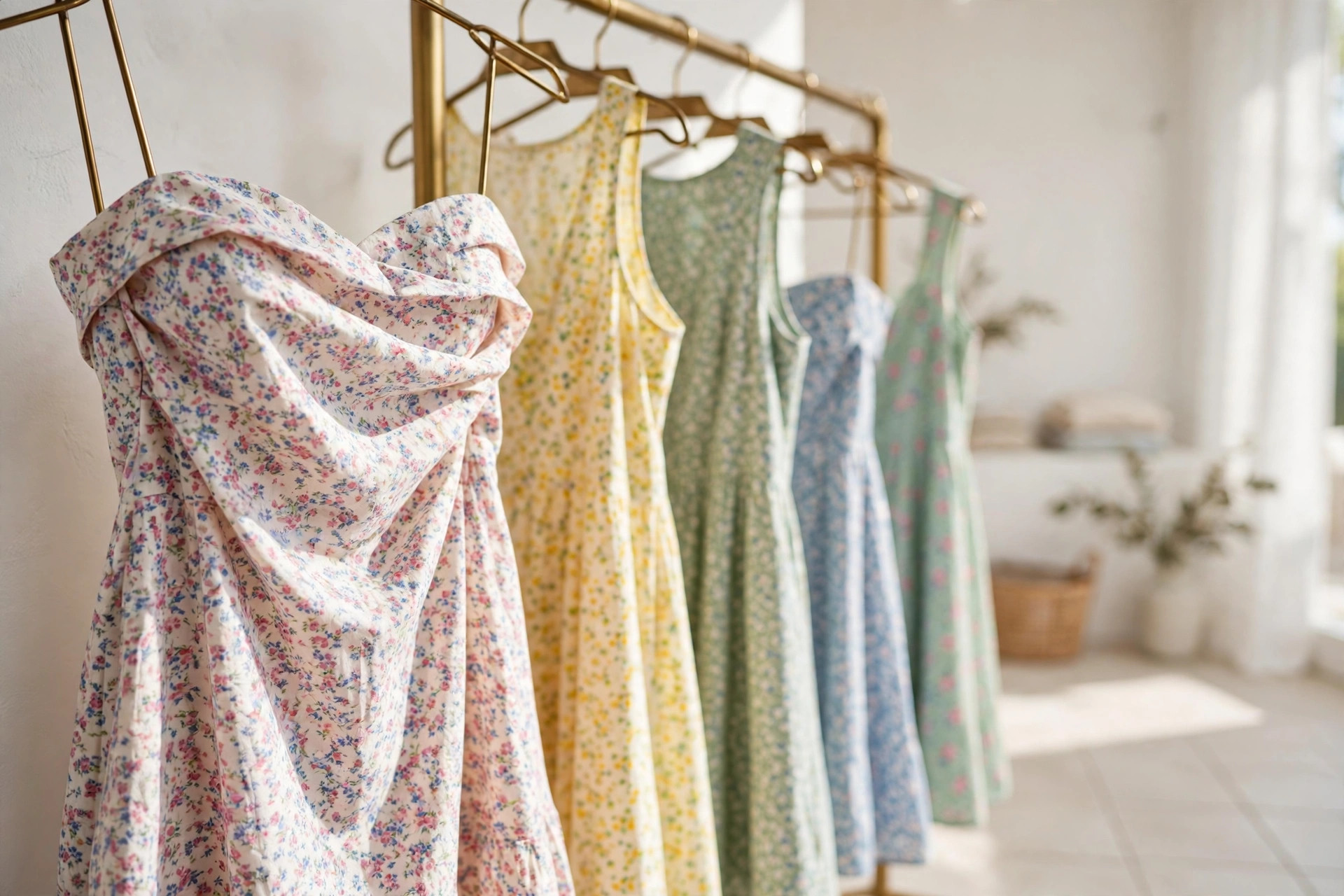
Summer cloth in this price band is usually a light woven with a soft hand, and soft hands shrink unevenly. Length goes first. We cut these dresses with a small length allowance because the cloth gives up more in the wash along the warp than across it, and a dress that was knee length on the sample rail can come back from a buyer’s wash test sitting noticeably higher. A buyer who skips the wash test on a trial order learns this from customers instead of a lab report, a worse classroom. Ten pieces per style is our working MOQ, and a trial order at that size is exactly where the wash test belongs, while the lesson is still cheap.
What I check on the PP sample is dull and decides everything. Waist seam measured flat, then again after the sample has hung overnight. Hem sweep written as a number per size, not a photograph. And the skirt pulled sideways at the hip, hard, because that is what a car seat does to it on the first wearing.
No wait. I keep calling this a simple dress, and that word is doing the same hiding work that flowy did in her message. There is nothing simple about a garment whose entire fit hangs on one seam and whose entire cost hangs on one circle of cloth. It is a narrow dress, not a simple one. Narrow is fine. Narrow just means the two or three decisions inside it carry all the weight, and a dress manufacturer who knows that will talk about the seam and the sweep before talking about the print.
This platform sits on our line in the same weeks as the two-season dress ranges built on one bodice, gets graded on the same table as the vintage 1950s swing and cocktail dresses, and hangs for final checking beside the floral mesh maxi dresses, and all three keep asking the waist seam the same question.
Questions buyers and stores actually ask
Ten pieces per style for a summer dress like this. Is the waist seam really checked at that quantity?
Yes, ten pieces per style still gets the waist seam measured, because the seam is checked as part of the pattern, not per garment. On a trial order the PP sample carries the seam tolerance for the whole run, and the bulk pieces are sewn to that sample. What a small order does not get is a second chance mid-run, since there is no mid-run to speak of at ten pieces. So the sample check matters more, not less, and I would rather argue about half a centimetre on the sample than about ten finished dresses.
A size run from small to 3X. Why does the biggest size cost more cloth than the quote suggested?
The biggest size costs more because the skirt sweep grows faster than the waist does. A graded A-line adds hem circumference at every size, and that circumference is a full circle of cloth, so the last sizes eat fabric the bodice never sees. Quotes built from the middle size hide this, and the gap shows up as a surprise surcharge or a quietly narrower skirt on the big sizes. Ask for the sweep number per size before the bulk order and the argument mostly goes away, in my experience.
The sample fit well but the bulk waist feels looser. What went wrong in between?
Usually the waist grew between cutting and sewing, not after. Light summer cloth stretches under its own weight once the panels hang, and if the seam was not stay-stitched early the waist can creep before the dress is even finished. I get this one wrong half the time myself when I guess from photos, because a grown waist and a generous grade look identical on a rail. Measure the sample flat, then measure a bulk piece flat. The numbers will tell you which one moved, usually.
Seven to 15 days for a sample of a plain summer dress. Why not three?
Seven to 15 days is the honest band because the sample waits for the same seam work as any fitted dress. The pattern is graded, the sweep calculated per size, and the cloth rested and checked for shrinkage before cutting, and none of that speeds up because the dress looks plain. I would rather wait the extra days than explain a shorter dress in June.
She never did send a fuller brief. We made the sample from the photo, the seam held, the sweep got its numbers, and the dress sold through her summer rail without a return that mentioned fit. The order after that came with a tech pack attached, first time in two years of messages, and the waist seam tolerance was written on page one in her own handwriting. People learn the seam eventually. The dress teaches it in the sample room or in the reviews, and only one of those teachers charges by the piece.