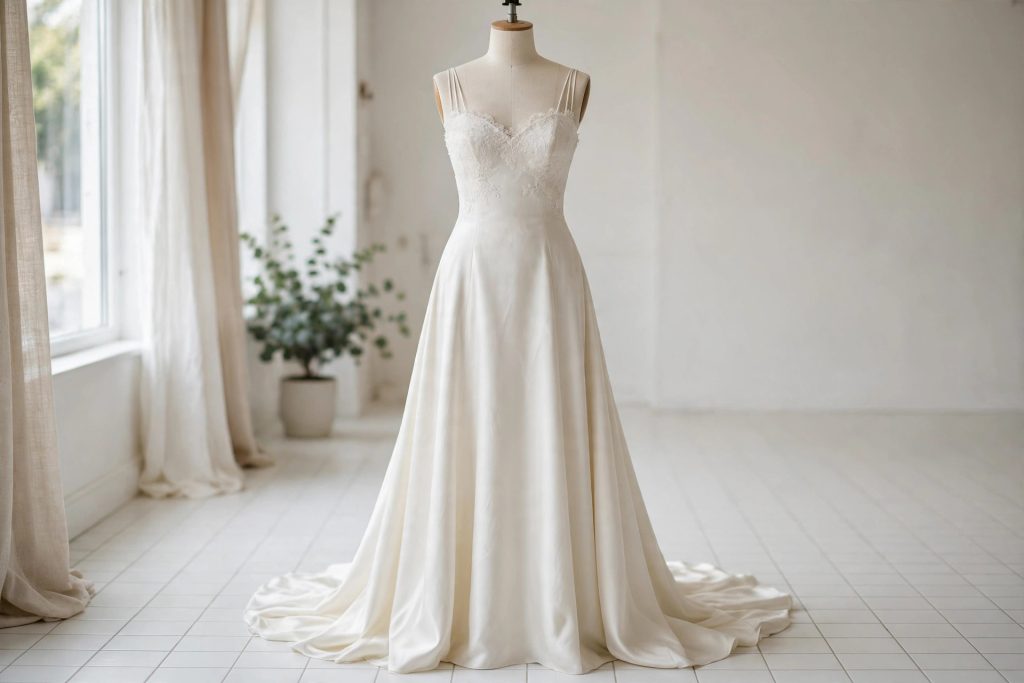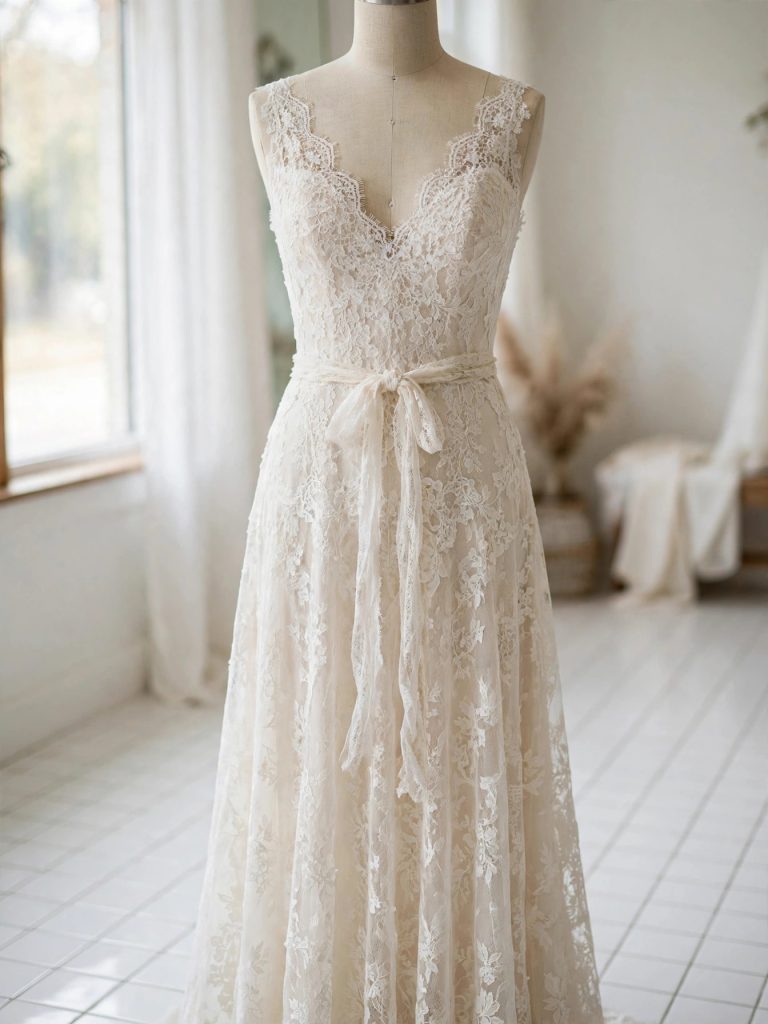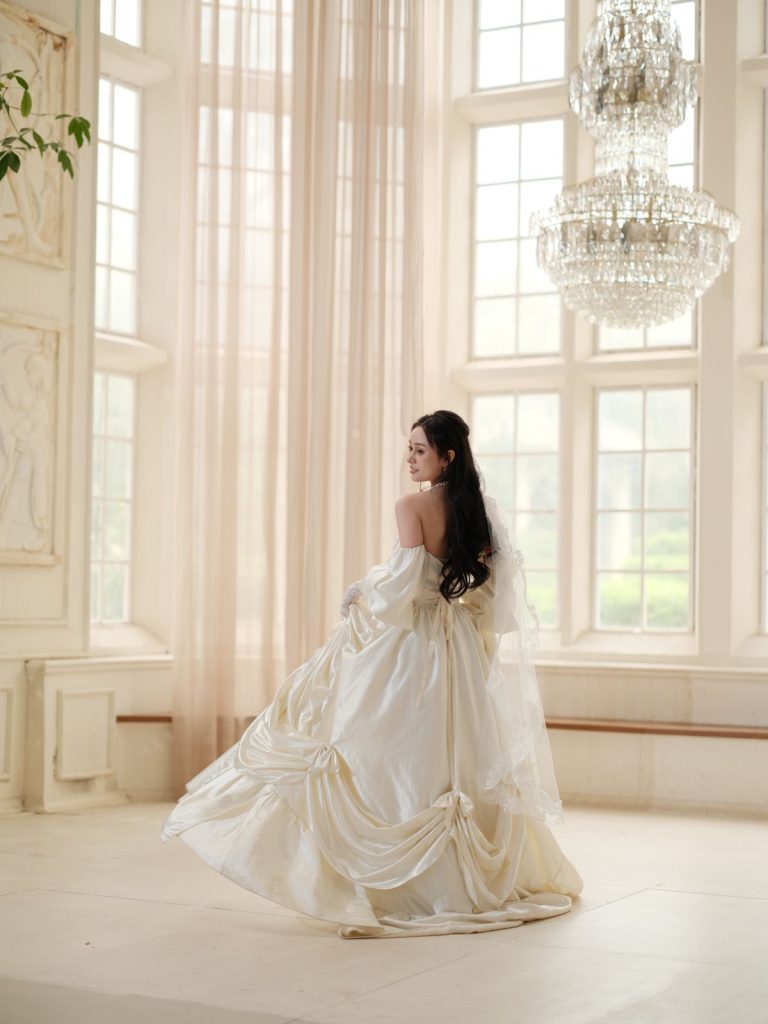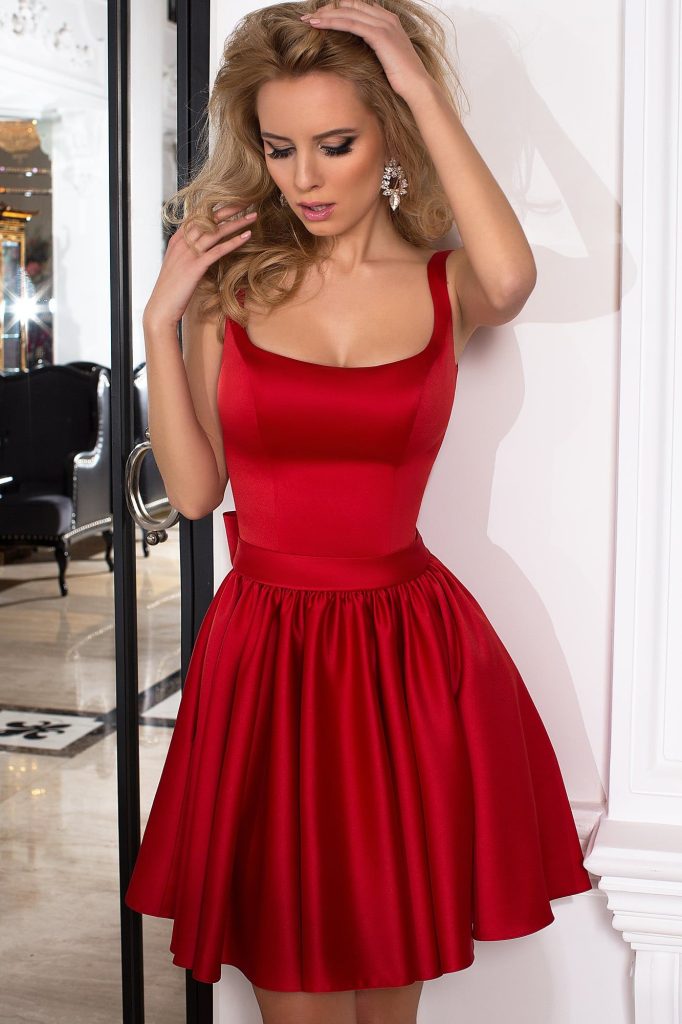
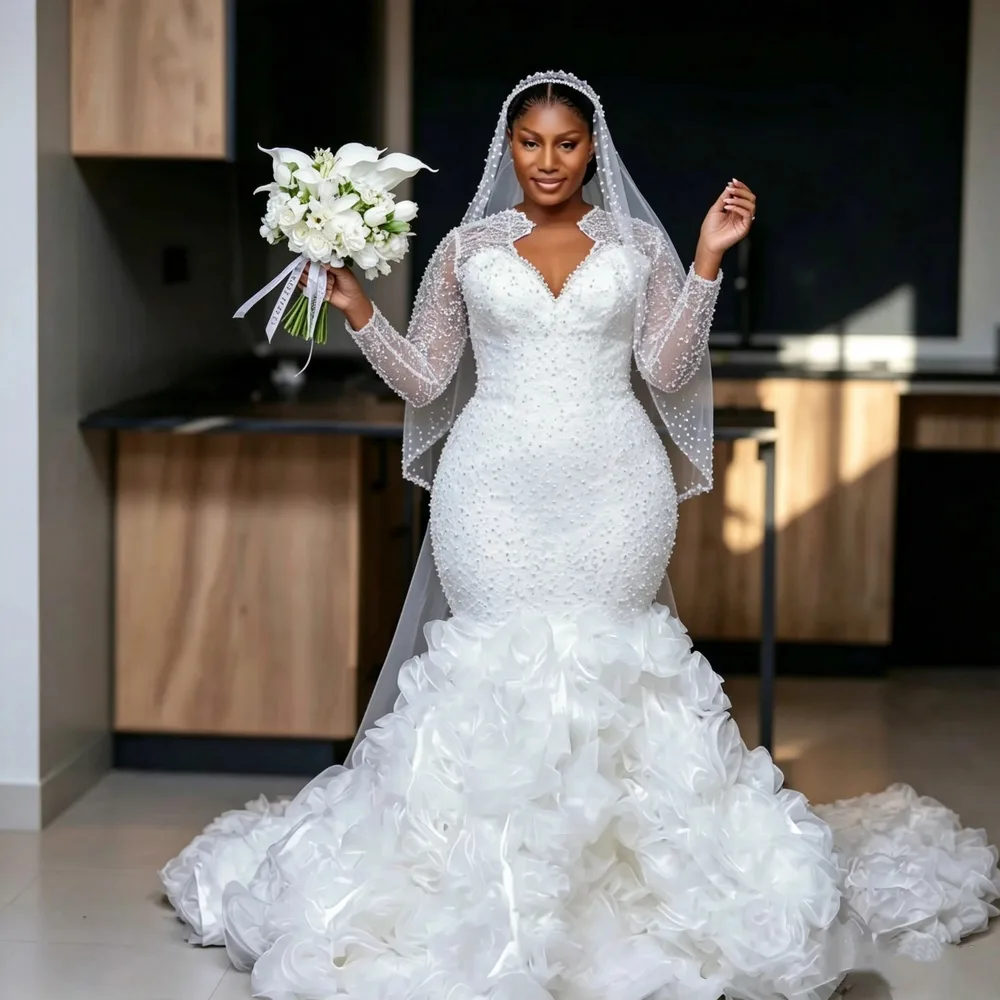
The plain facts first, because buyers asking where a formal gown like this gets made deserve them plainly. The factory behind this review is in Guangzhou and makes formal gowns, evening dresses and wholesale wedding dresses, including beaded sequin mermaid styles. Formal styles start at 10 pieces per style, and on custom work the same style can mix sizes but not colours, because a second colour is a second version. Sampling runs 10 to 15 days after the tech pack is confirmed, bulk 20 to 30 days after deposit, and a general style sample fee is $45 to $75 per piece, complex decorated styles quoted from the artwork, with half the sample fee credited when the style goes to bulk. It suits boutiques ordering in tens. This beaded sequin mermaid is a fair test of those numbers. A closer fit-and-flare brief in the same family is the off-shoulder beaded mermaid gown, where the beadwork sits on the bodice and the skirt does the rest.
| Item | Working figure |
|---|---|
| Formal styles, starting quantity | 10 pieces per style |
| Sample lead time | 10 to 15 days |
| Bulk lead time | 20 to 30 days |
| Sample fee, general styles | $45 to $75 per piece |
| Shipping, under 20 pieces | about $17 to $22 per kg |
| Shipping, 20 pieces and up | about $13 to $20 per kg by express |
The quote is three budgets wearing one number
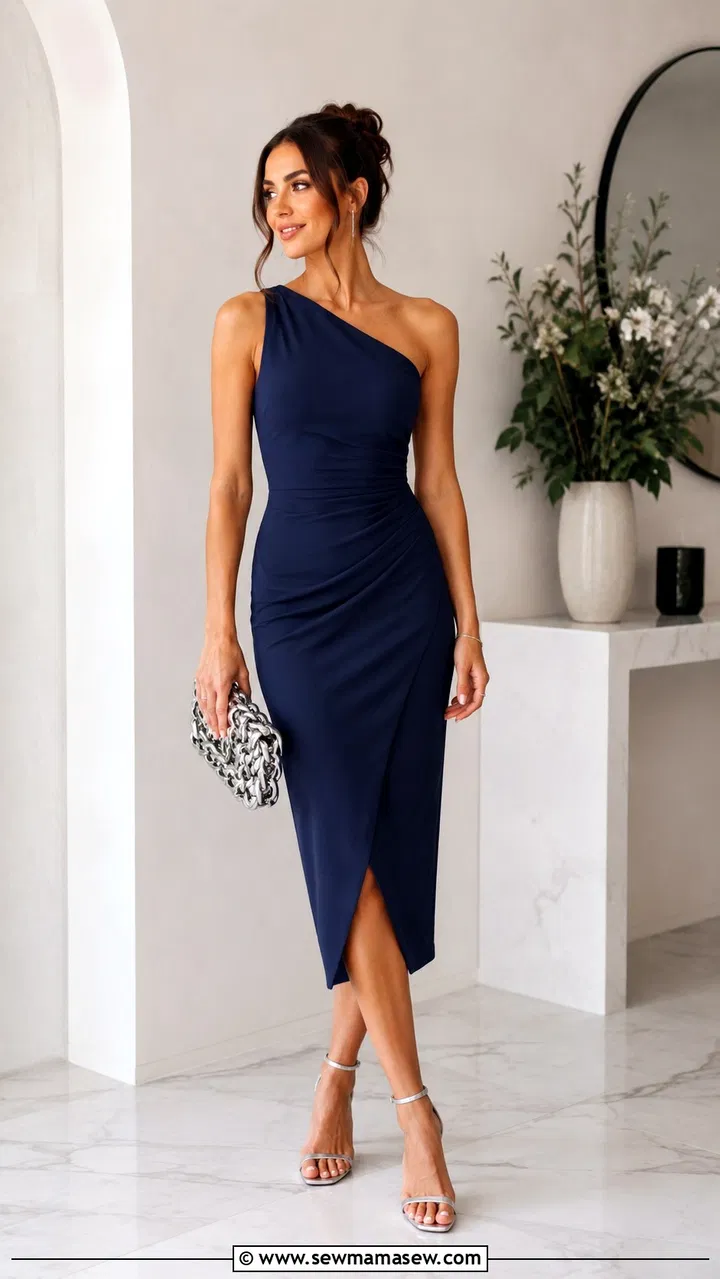
A beaded mermaid quote looks like one price and behaves like three. There is the base dress, cloth, lining and fitted pattern, which costs what a mermaid costs. There is the decoration itself, bought by weight and coverage, which costs what the density costs. And there is the hand time around it: clearing decoration out of seam allowances so seams close flat, working it around the zip, finishing where a decorated panel meets a plain one. That third budget moves between quotes without being named, because minutes are easy to shave invisibly. A quote that separates the three is telling a buyer where her money sits. A quote offering the same photograph for much less has usually taken the difference out of the third budget, and the dress reports that later, in seams that sit thick and zips that hesitate over the hip.
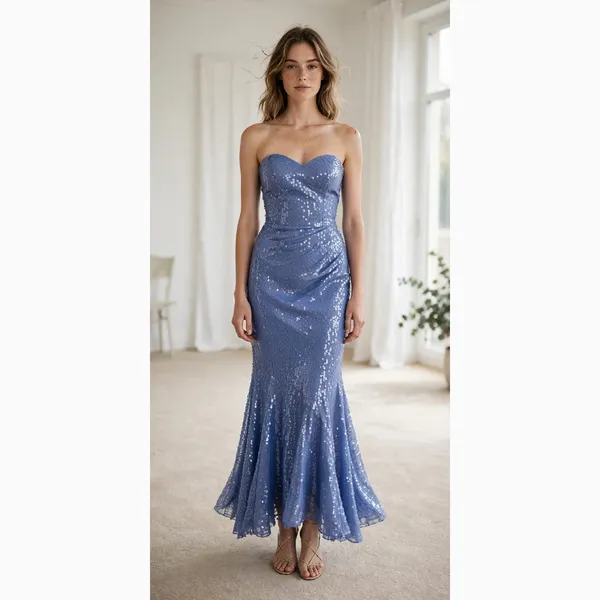
Weight is the second thing the photograph hides. Decoration across a full mermaid body adds real kilos, and they have to hang from somewhere. Sound construction carries the load to the waist: a lining built as a structure, a waist stay taking the pull, the decorated cloth resting on that frame instead of dragging from the shoulders. A gown hung from its shoulders by its own decoration is longer at midnight than at six, its neckline travelled, its hem on the floor. This is checkable with a hanger: hang it overnight and measure the hem twice. No wait, the hanger test needs a body too. A hanger shows the drag. Only a body shows whether the waist stay is where the drag stops.
The size run reprices the decoration
Here is the cost point buyers miss most often. Decoration is bought and sewn by area, and area grows across a size run faster than the base pattern does, because a mermaid gets wider through the exact panels that carry the beads. A flat per piece price across all sizes is a quiet promise that somebody absorbs the difference, usually at the top of the run, in thinner coverage where the dress is biggest. The honest way is to write coverage as a share of each panel, keep it constant per size, and let the decoration cost rise a little with the size, openly, in the quote. Buyers resist that line because it complicates the price list. The alternative complicates the reviews, which costs more. Sequins add one more discipline: they overlap like scales, in a direction that has to run so that sitting pushes them flat rather than lifting their edges. Sewn the wrong way up, a skirt feels rough to a hand drawn down it and catches on everything, which a sample shows in ten seconds.
This gown is quoted beside the sequin and glitter dress review, scheduled after the beaded sequin mermaid prom gown review, and compared with the high neck split dress file, because decoration, weight and the zip are three lines of one quote.
Questions buyers and stores actually ask
Two quotes for the same gown, one far lower. Which budget did the low one most likely cut?
The hand time, usually. Cloth and beads are visible costs a buyer can compare, so they survive. The minutes spent clearing decoration from seams and working it around the zip are invisible in a photograph, which makes them the natural place to save. The dress reports the saving later, at the seams and the zip, which is why a quote should be asked to show its three parts.
The sample gown measured longer after an evening on a hanger. Is that the fabric stretching?
It is the weight winning, usually. A fully decorated mermaid carries kilos of beads and sequins, and if that load hangs from the shoulders instead of being carried to a waist stay, the whole dress creeps downward. An overnight hang is a fair first test. A gown that grows on the hanger will grow faster on a body, and the fix is structural, in the lining and the stay, not a shorter hem as compensation.
Coverage looks thinner on the largest size than on the sample. Coincidence of one dress?
Treat it as pricing until proven chance. Decoration cost rises with size because the decorated area rises, and a flat price across the run has to find that money somewhere. Thinner coverage at the top of the run is where it is usually found. The defence is written coverage: the share of each panel that carries decoration, stated per size in the order, with the sample photographed against a ruler.
A trial order is 10 pieces per style. What should a boutique do with those ten decorated gowns?
Wear them, or lend them to people who will. Ten pieces across the run, worn through full evenings, will show whether the weight carries to the waist, whether sequins catch on chairs, and whether the zip survives the hip. What ten cannot show is whether coverage drifts in a later, larger run. That is the written spec’s job. Trial for behaviour, paperwork for drift.
Sample fee is $45 to $75 for general styles, but this gown was quoted from the artwork. Why the difference?
Because the decorated work is the variable. A plain style’s sampling cost is pattern and sewing time, which a range covers. A beaded style adds coverage decisions and hand finishing whose cost depends on how much of the dress carries decoration and how dense it sits. Quoting that from the artwork is the factory showing its workings. The half credited back at bulk still applies in spirit, because the sampling decisions transfer into the run.
So the gown is buyable, and for the right boutique a strong piece: formal, deliberate, honest about being theatre. What the factory owes the buyer is a quote with its three budgets visible, a coverage figure that survives the size run, and a sample hung, worn and sat in before bulk is approved. What the buyer owes the factory is patience for the hand minutes, because those minutes are the dress. I still read every low quote on this style twice, once for the number and once for the silence where the third budget should be. The silence has never once turned out to be generosity.