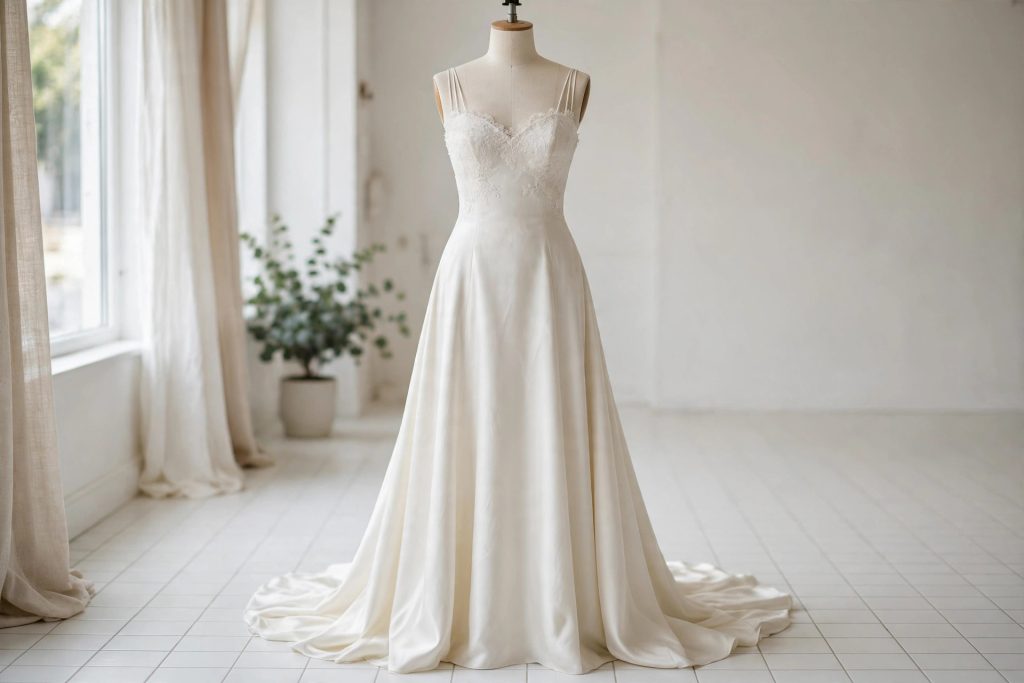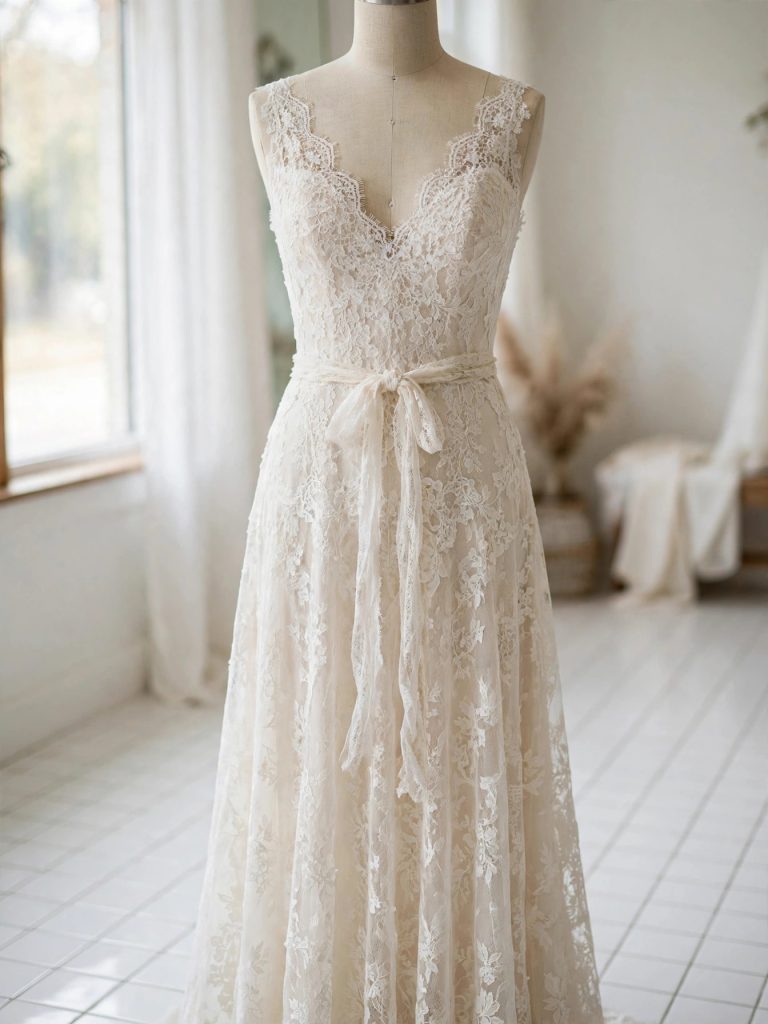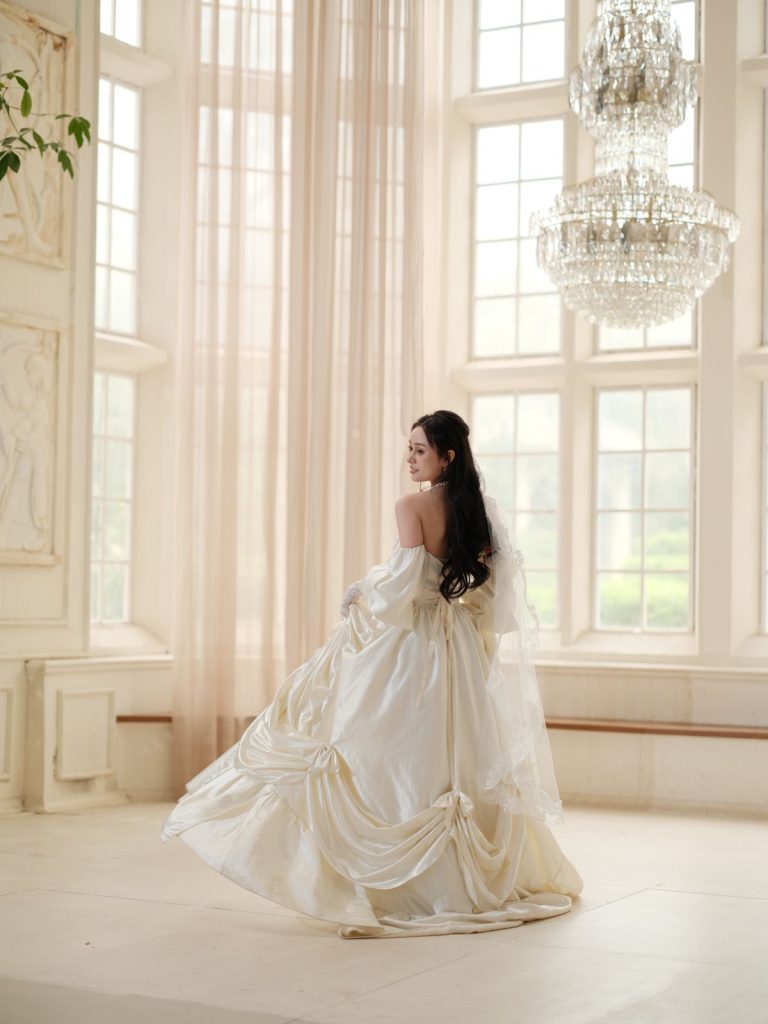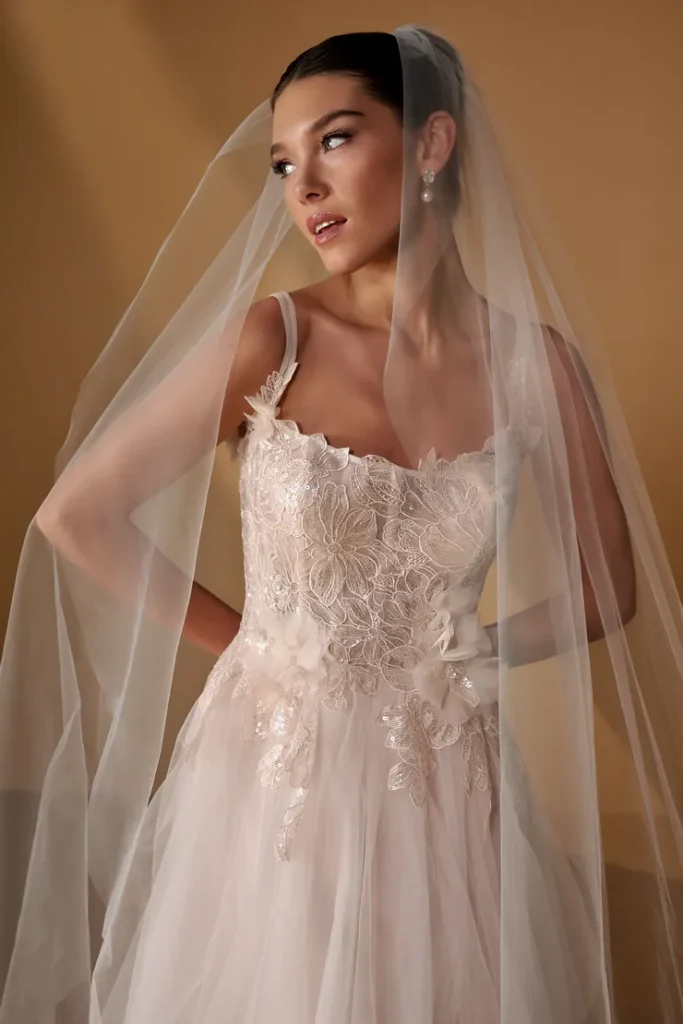
Short answer: custom wedding dress manufacturing turns your design direction — sketches, reference photos, or a tech pack — into finished, private-label gowns through a fixed sequence: tech pack, fabric sourcing, pattern making, sampling, revisions, bulk production, QC, packing, and freight.
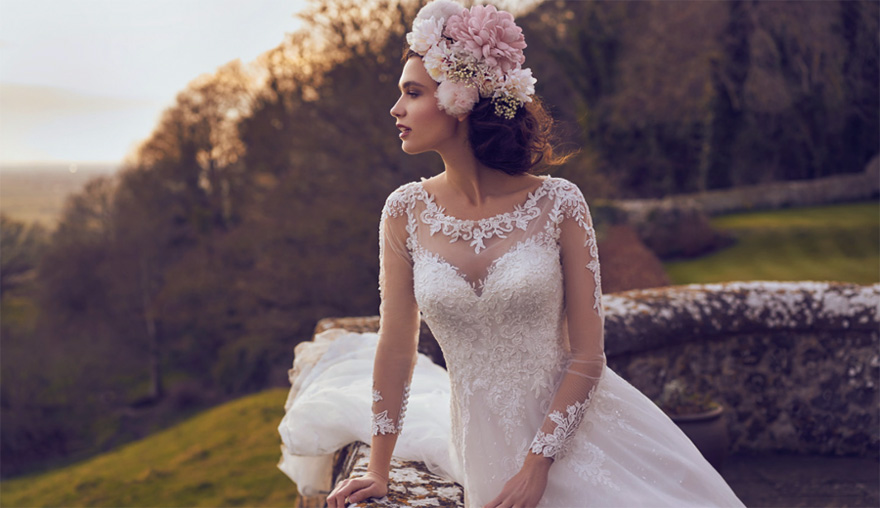
If you have only ever bought wholesale off the rack, the custom process can feel like a black box. This guide opens it from the factory side: the two ways to work with a wedding dress factory, what each production stage involves, and the timelines and minimums first-time buyers should plan for.
What Are the Two Ways to Work With a Wedding Dress Factory?
There are two main models: have the factory build your own design from scratch, or choose from the factory’s developed styles and sell them under your label (private label). The choice decides how much creative control — and how much development work — sits with you.
With a custom design, you supply sketches, reference photos, or a full tech pack, and the factory develops the pattern and produces the gown to your specification. You get a genuinely exclusive product, but you carry more responsibility in development and the process takes longer.
With private label, you select from the factory’s existing styles, sometimes with small modifications (a different lace, a longer train, your own label and hangtags). It is faster and simpler, which is why many new boutiques start here. There is also a middle path most factories handle routinely: start from a factory style and modify it enough to make it yours.
How Does the Process Start? Inquiry and Tech Pack
Every custom project starts with an inquiry and a tech pack — the document that translates your design into language a factory can execute. The quality of this first step predicts the quality of everything after it.
A solid gown tech pack includes: front and back sketches (hand-drawn is fine), reference photos of details you like, preferred fabrics and colors, the size range with a measurement chart, estimated quantity per style, your target price window, and label/hangtag/packaging requirements.
No tech pack? Common for first-time buyers, and not a dealbreaker. Clear sketches or reference photos plus written notes on what to change (“same silhouette, but with off-shoulder sleeves”) give a competent factory enough to develop from. One tip: decide your size grading early — gowns live and die by fit, and inconsistent grading is one of the most expensive problems to fix after bulk production starts.
Where Is Gown Quality Decided? Fabric Sourcing
The factory sources fabrics to your specification — or helps you choose — and this step decides most of your gown’s final quality, feel, and cost. Get the fabric right and everything downstream gets easier; get it wrong and no amount of good sewing fully compensates.
Gowns draw from a familiar palette: lace, satin, mikado, tulle, chiffon, organza, and crepe, plus linings, boning, cups, zippers, and buttons. For how each material behaves, see our guide on what fabrics wedding dresses are made of. Always approve physical swatches before sampling — photos distort color and hand-feel, and “ivory” means slightly different things to different mills.
From Sketch to Paper: Pattern Making and Grading
Pattern making converts your design into precise paper templates — one set per size — that the entire sewing team will follow. It is invisible work, and it is where fit consistency is won or lost.
The pattern maker drafts a master pattern in your sample size from the tech pack, then grades it across your size range. A gown’s bodice — boning channels, cup placement, seam lines — leaves little room for approximation. Pattern development is normally folded into the sampling window, and a careful factory keeps your patterns on file so reorders start from a proven base.
Sampling: Your First Physical Gown
Sampling produces one finished gown in your chosen fabric so you can judge fit, construction, and details before committing to a bulk order. Think of it as a paid rehearsal — the cheapest place in the whole process to discover problems.
A round typically takes about 5–10 days, depending on complexity and the factory’s workload. Expect a sampling fee of roughly two to three times the eventual wholesale price: a one-off gown consumes pattern work, skilled labor, and full-price fabric with none of bulk production’s efficiencies. When the sample arrives, inspect it the way your brides will — fit on a model or dress form, seam finishing inside and out, lace symmetry, zipper durability, boning structure. Photograph everything, including flaws; those photos become your revision notes.
How Do Revisions Work Before Bulk Production?
Most first samples need one or two rounds of revisions — that is normal development, not a sign of a bad factory. The goal is convergence: each round should visibly close the gap between the sample and your approved vision.
Communicate with marked-up photos and numbered notes (“1. Raise the back neckline 2 cm; 2. Move the appliqué higher on the bodice”). Vague feedback burns rounds without progress, and each round adds roughly another 5–10 days, so batch your changes instead of dribbling them out one email at a time. Once the gown matches your spec, sign off on a pre-production (PP) sample in writing — that approved piece becomes the binding reference for the entire bulk order.
How Does Bulk Production and Quality Control Work?
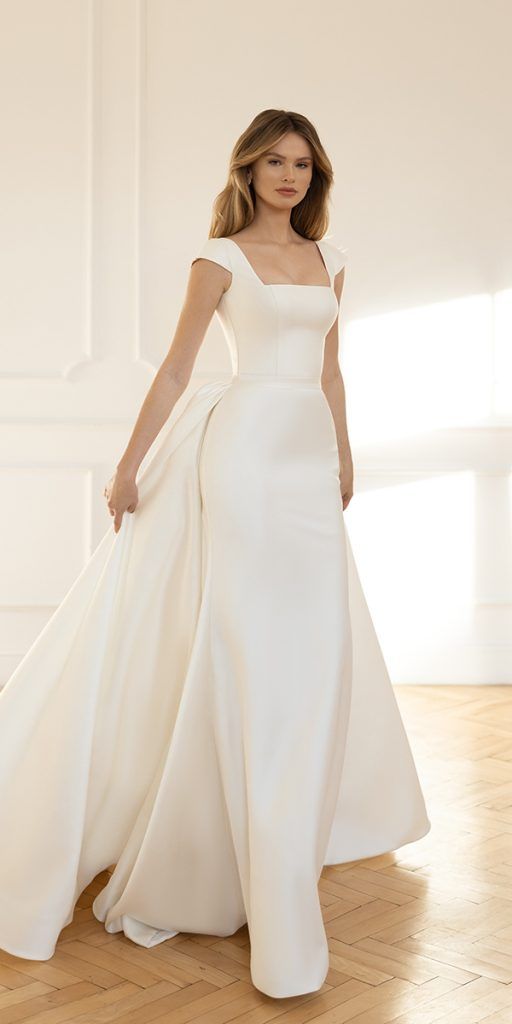
Once you approve the PP sample and your deposit is received, the factory books bulk fabric, cuts, sews, and finishes your full order — typically in about 30 days for a standard run.
Cut pieces move through sewing stations with inline checks between them, so defects are caught while they are still cheap to fix. A good factory checks every gown against your approved PP sample; for a first order with a new factory, an independent pre-shipment inspection is inexpensive insurance. If you have not chosen a factory yet, read how to find a reliable wedding dress manufacturer before sending your first inquiry.
Packing, Shipping, and Freight: What Boutiques Should Know
Sea freight is the economical default for bulk gown orders; air freight is for rush restocks — and because gowns are bulky, volume (CBM) drives the shipping math more than weight.
Standard practice: poly bags or garment bags, tissue at fold points, then export cartons labeled with style number, size breakdown, and quantity. Gowns “cube out before they weigh out”: a carton of dresses fills space long before it gets heavy, so forwarders quote largely on cubic meters (CBM). Clarify Incoterms up front — EXW, FOB, and CIF allocate very different responsibilities and costs.
What Timelines and MOQs Should First-Time Buyers Expect?
Expect roughly 5–10 days per sampling round and about 30 days of bulk production after your deposit — and you can often start with as few as 10 pieces per style. That combination makes custom wedding dress manufacturing far more accessible than most first-time buyers assume.
A realistic calendar: two to four weeks for inquiry, swatches, and one or two sampling rounds; about 30 days for bulk production once the deposit clears; then three to five weeks for sea freight and customs. Door to door, plan on roughly three months from first message to gowns in your store — order a season ahead, not a month ahead. See how long it takes to make a custom wedding dress for a detailed breakdown.
On minimums, small-batch-friendly factories commonly accept around 10 pieces per style for existing designs, while fully custom designs often start around 20 pieces per color with mixed sizes — and adding your own private label is typically possible from around 50 pieces. MOQs exist for real reasons (fabric mills have their own minimums, and setting up a line costs the same for 10 gowns or 100), so per-unit prices improve as quantities grow. Full breakdown: minimum order quantity for custom wedding dresses.
Frequently Asked Questions
How much does it cost to manufacture a custom wedding dress?
It depends on fabric, construction complexity (boning, hand appliqué, beadwork), and quantity — there is no single price. As a budgeting rule, expect the sampling fee to run about two to three times the per-gown wholesale price. Ask for an itemized quote separating fabric, trims, labor, and packaging so you can see where the money goes.
What is the typical minimum order quantity?
Many small-batch-friendly factories start at around 10 pieces per style for existing designs; fully custom designs often start around 20 pieces per color with mixed sizes. Confirm the number for your specific materials before finalizing your collection plan.
Should a new boutique choose a custom design or private label?
If you need exclusive designs competitors cannot buy, invest in a custom design and the development process. If you need proven styles quickly with less upfront work, private label gets you to market faster. Many boutiques start with private label for cash flow and graduate to custom designs once they know which silhouettes their brides actually buy.
How long does the full process take from first contact to delivery?
Plan on roughly three months: a few weeks for sampling and revisions, about 30 days for bulk production after your deposit, and several more weeks for sea freight and customs. Air freight shortens the last leg dramatically but costs far more — fine for emergencies, not for full collections.
Do I need a professional tech pack to start?
It helps enormously, but it is not mandatory. Clear sketches or reference photos with written notes on fabrics, measurements, sizes, and quantities are enough for an experienced factory to develop from.
Who owns the designs I develop with a factory?
Designs you provide remain yours — but put it in writing: confirm design ownership, confidentiality, and that your patterns will not be reused for other clients before sampling begins. A professional factory will agree without hesitation.
Final Thoughts
Custom manufacturing rewards preparation: a clear tech pack, approved swatches, disciplined sample revisions, and an order placed one season ahead of need. Start with one or two styles at a modest quantity and scale what sells. For the bigger picture, our guide on how to start your own wedding dress brand puts this process inside the full launch plan.
Ready to explore private-label production? OEMOD Factory welcomes your sketches or reference photos — even a rough idea is enough to start the conversation. Contact us at [email protected] or via WhatsApp at +86 15872867581.